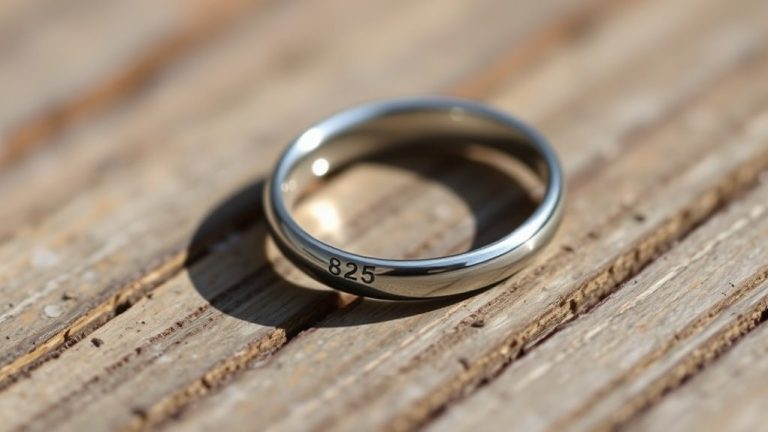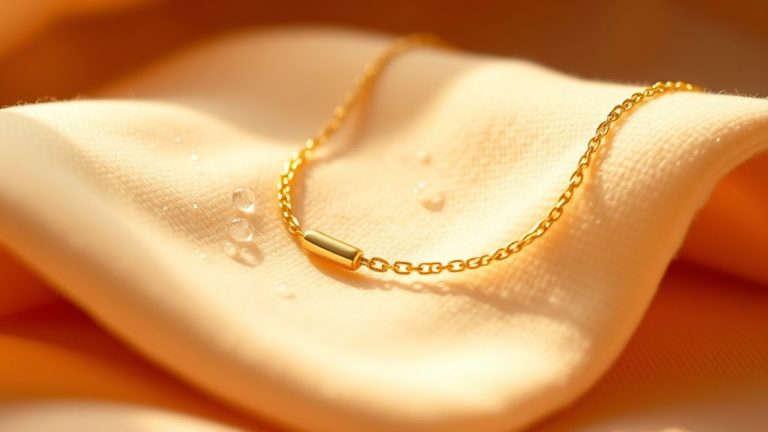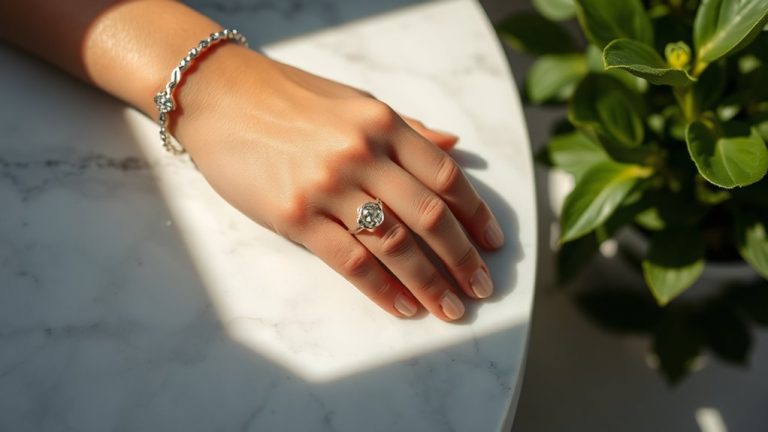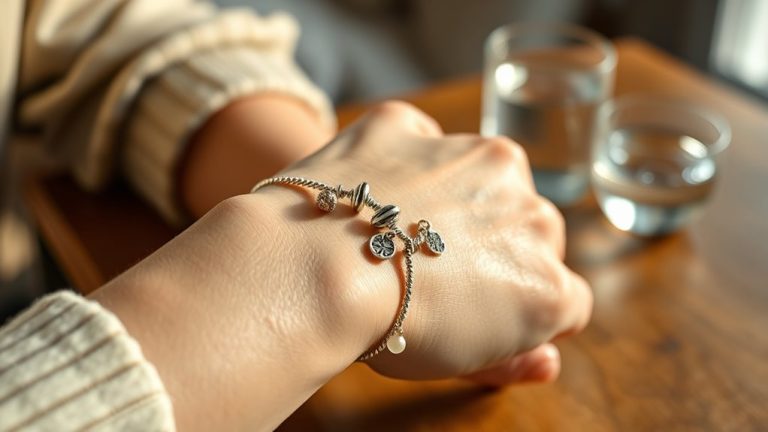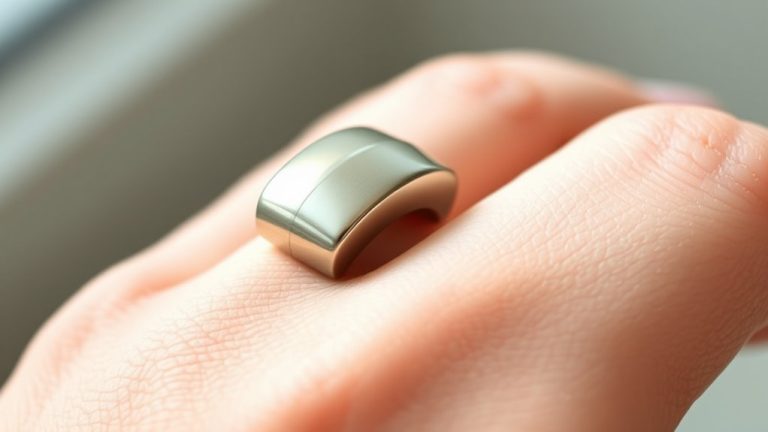
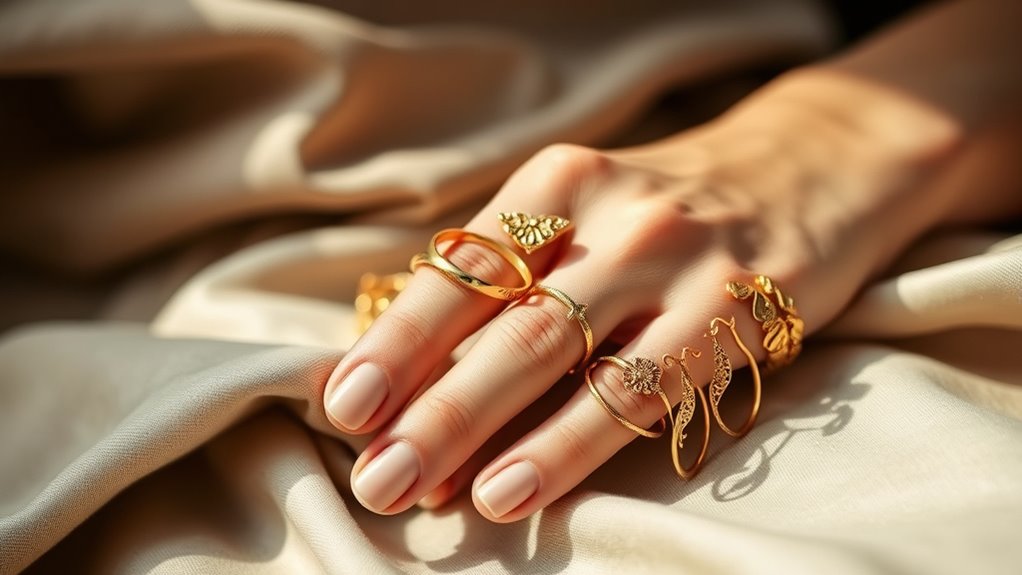
How to Choose Brass Jewelry and Is Brass Good for Jewelry
You should choose brass jewelry that uses lead-free alloys and has quality plating like gold or rhodium to guarantee durability and reduce skin irritation.
Brass is great for jewelry because it’s lightweight, affordable, and offers a warm, gold-like look that can develop a unique patina over time.
When selecting brass pieces, look for ones sealed with protective coatings to prevent tarnishing and discoloration.
Discovering the right brass jewelry options means balancing style with safety and lasting quality.
So, keep these tips in mind to find pieces that not only look good but are also safe to wear!
What Constitutes Brass Jewelry?

What exactly makes brass jewelry stand out? It’s all about the unique metal composition.
Brass is an alloy primarily made of copper (60-70%) and zinc (30-40%), sometimes with small amounts of other metals. This specific metal composition gives brass its distinctive color range—from reddish tones to golden hues and even darker shades.
You’ll also find various finishes applied to brass jewelry, such as gold-plated or silver-plated coatings, enhancing both appearance and durability.
Thanks to its excellent metal properties, particularly malleability, brass allows artisans to craft intricate, detailed designs you’ll appreciate.
With proper care, brass jewelry resists tarnishing and can even develop beautiful patinas over time, making each piece uniquely appealing and long-lasting.
Variations of Brass Jewelry Finishes

The way brass jewelry is finished plays a big role in its final look and how well it holds up over time.
How brass jewelry is finished greatly influences its appearance and durability over time.
You’ll find various brass finishes achieved through plating techniques like gold, silver, or rhodium, which not only enhance appearance but boost tarnish resistance.
Surface textures also vary—matte, brushed, and polished finishes each offer distinct visual effects to suit your style.
Patinas created with chemical or oxidizing agents add antique or vintage charm, giving pieces unique coloration.
To protect your jewelry, sealing finishes such as clear lacquer or wax guard against tarnishing and skin discoloration.
If you love a more artisanal vibe, seek custom finishes with antiqued or distressed textures that deliver a handcrafted look, making your brass jewelry truly one-of-a-kind.
Attributes and Advantages of Brass Jewelry

When you choose brass jewelry, you get a piece that combines copper and zinc for a warm, gold-like look.
You’ll appreciate its lightweight feel and durability, which let designers craft detailed styles you’ll love.
Plus, brass’s affordability and easy maintenance make it a smart, stylish choice for everyday wear.
Key Material Properties
Although brass combines 60-70% copper with 30-40% zinc, it boasts a warm, gold-like glow that can elevate any jewelry collection.
Understanding brass properties helps you appreciate its value in jewelry. Its unique alloy composition provides several advantages:
- Durability: Brass resists scratches, dents, and deformation, making it long-lasting.
- Metal Malleability: The alloy is lightweight and easy to shape, perfect for detailed designs.
- Corrosion Resistance: Proper surface finishing prevents tarnishing and green discoloration.
- Patina Development: Over time, brass naturally forms a patina, adding vintage charm.
These key material properties make brass a versatile and attractive choice.
It balances beauty with strength and longevity in your jewelry pieces.
Benefits for Wearers
Because brass jewelry combines durability with a lightweight feel, you’ll find it comfortable to wear every day—even for pieces with intricate or bold designs.
One of the key benefits of brass is its ability to offer the look of gold at a fraction of the price, making it an excellent choice for affordable jewelry.
Brass is among durable metals that resist scratches and dents, so with proper jewelry care, your pieces will maintain their charm.
Additionally, brass jewelry often exhibits good tarnish resistance, especially when treated, helping it stay beautiful over time.
While not all brass is hypoallergenic jewelry, many wearers find it gentle on the skin, adding to its appeal for daily use.
Suitability of Brass for Jewelry Crafting
When you work with brass, you’ll appreciate how its alloy composition can be tailored to boost durability and appearance.
You’ll find that its malleability and strength make it perfect for various crafting techniques, from intricate designs to sturdy everyday pieces.
Understanding these qualities helps you choose the best approach for creating beautiful, lasting jewelry.
Alloy Composition Benefits
Since brass combines 60-70% copper with 30-40% zinc, it offers a perfect balance of malleability and strength that facilitates jewelry crafting.
This alloy composition lets you enjoy both flexibility and durability in your pieces.
Here’s why the brass alloy composition benefits your jewelry choices:
- The copper percentage ensures softness and excellent workability for intricate designs.
- Zinc content boosts jewelry durability and enhances corrosion resistance, keeping pieces looking fresh.
- Different brass types, like alpha and alpha-beta alloys, adjust hardness and ductility for your preferred style.
- The alloy’s malleability allows detailed engraving and finishing, making your jewelry unique.
Crafting Techniques Overview
How does brass stand up to the demands of jewelry crafting?
Its high malleability and ductility make brass jewelry perfect for intricate designs like filigree and engraving.
You can use various crafting techniques such as casting, soldering, and cold-working to create complex shapes.
Surface finishing options—including electroplating and patina development—boost durability and aesthetic appeal.
Brass’s consistent alloy composition ensures precise shaping and strong joins, ideal for detailed and lasting pieces.
| Crafting Technique | Benefit | Suitable For |
|---|---|---|
| Casting & Soldering | Complex shapes | Rings, pendants, bracelets |
| Surface Finishing | Tarnish resistance | High-quality, polished look |
| Patina Development | Aesthetic variety | Vintage and modern styles |
Addressing Skin Reactions and Safety Concerns
Although brass jewelry offers a stylish and affordable accessory option, it can sometimes cause skin reactions like discoloration or irritation.
Brass jewelry is stylish and affordable but may cause skin discoloration or irritation for some wearers.
This often results from copper oxidation reacting with sweat and skin acids, causing green or black marks.
To guarantee safety and reduce allergic reactions, consider these tips:
- Check if the brass alloy contains nickel, a common allergen that can trigger skin reactions.
- Opt for nickel-free brass to minimize the risk of allergic reactions and discoloration.
- Use a clear protective coating like lacquer or wax to prevent direct contact between brass and your skin.
- Clean your brass jewelry regularly to reduce oxidation and maintain its safety for sensitive skin.
Tarnishing and Longevity of Brass Jewelry
Beyond addressing skin reactions, you’ll want to contemplate how brass jewelry changes over time.
Tarnishing occurs naturally as copper oxidation reacts with air and moisture, forming a greenish patina.
To extend the longevity of your brass jewelry, apply clear lacquer or wax coatings and practice regular maintenance.
Simple care tips include gentle cleaning with vinegar or baking soda, and storing items in airtight containers away from humidity.
Avoiding water and chemicals also helps prevent oxidation damage.
| Factor | Impact on Brass Jewelry |
|---|---|
| Oxidation | Causes tarnishing and patina |
| Clear lacquer | Slows tarnishing, protects shine |
| Cleaning | Removes tarnish, restores shine |
| Storage | Prevents moisture damage |
| Maintenance | Prolongs lifespan, keeps look fresh |
Ideal Brand Profiles for Brass Jewelry
When you shop for brass jewelry, choosing brands that prioritize quality and design can make all the difference. Ideal brand profiles combine excellent metal quality with thoughtful plating options to guarantee durability and style.
Look for brands that offer:
Look for brands offering lead-free brass, durable coatings, positive reputations, and diverse plating options for lasting style.
- Lead-free brass jewelry to protect your skin and health.
- Coating protection that minimizes tarnishing and enhances longevity.
- Reputable brand reputation, proven by positive reviews and transparent sourcing.
- Diverse plating options like gold or rhodium to suit your aesthetic.
Brands like BaubleBar and Gorjana excel by providing high-quality plating, while Kendra Scott adds semi-precious stones for versatile looks.
Luxury labels such as Saint Laurent highlight brass’s ability to mimic upscale finishes.
Affordable brands like Ana Luisa balance trendiness with metal integrity, making them great choices for your collection.
Prominent Jewelry Brands Utilizing Brass
Which brands are leading the way in using brass for their jewelry collections?
Jewelry brands like BaubleBar and Gorjana frequently use brass, often enhancing it with gold plating to create luxury accessories that won’t break the bank.
Kendra Scott stands out by combining brass with semi-precious stones, crafting signature statement pieces that fit perfectly into affordable jewelry lines.
On the luxury end, Saint Laurent incorporates brass into high-end cuffs, logo earrings, and chain necklaces, showcasing brass’s versatility and durability.
These brands leverage brass’s low cost and ability to mimic precious metals, allowing you to enjoy trendy, long-lasting designs.
Whether you want everyday affordable options or upscale luxury accessories, brass jewelry offers you a smart mix of style, strength, and value.
Frequently Asked Questions
How to Tell Good Quality Brass?
You can tell good quality brass by checking for a smooth, polished surface without cracks or rough edges.
This is important because imperfections can indicate lower quality materials.
Make sure it’s nickel and lead-free as well.
It’s essential for safety and longevity.
Look for authentic patina, which signifies age and character.
Lastly, confirm it’s non-magnetic or only weakly magnetic.
This can be a good indicator of its composition and quality.
Is Brass Good Quality for Jewelry?
Yes, brass is good quality for jewelry when properly plated and maintained.
It’s durable, resists scratches, and develops a charming patina over time.
Just guarantee it’s free from harmful metals to avoid allergies.
What Metals Should You Avoid in Jewelry?
You should avoid metals like nickel, lead, cadmium, mercury, and arsenic in jewelry since they can cause allergic reactions, skin irritation, or are toxic.
Always check for hypoallergenic or nickel-free options to protect your skin.
It’s important to prioritize your health and comfort when selecting jewelry.
Don’t hesitate to ask about the materials used if you’re unsure!
Does 100% Brass Jewelry Turn Green?
Yes, 100% brass jewelry can turn green, especially if worn daily.
You might notice this green tint on your skin from copper reacting with sweat.
But don’t worry! You can prevent it by sealing or regularly cleaning your pieces.
Conclusion
When choosing brass jewelry, you’re embracing pieces with a unique charm that quietly tells a story of character and resilience.
While brass may gently change over time, it only adds to its personality, much like a well-loved keepsake.
By understanding its qualities and care, you’ll find brass can be a trustworthy companion in your collection.
It offers beauty that’s both affordable and subtly enduring, perfect for those who appreciate depth beneath the surface.
In conclusion, brass jewelry is a fantastic choice for anyone looking to add character to their collection.
Its unique charm, affordability, and resilience make it a standout option.
With the right care, brass can become a cherished piece in your jewelry box, telling your story through its evolving beauty.
Embrace the depth and personality of brass jewelry, and let it enhance your style!