How to Get Rust Off Jewelry in 10 Easy Steps
To get rust off your jewelry, it’s essential to first identify the metal type.
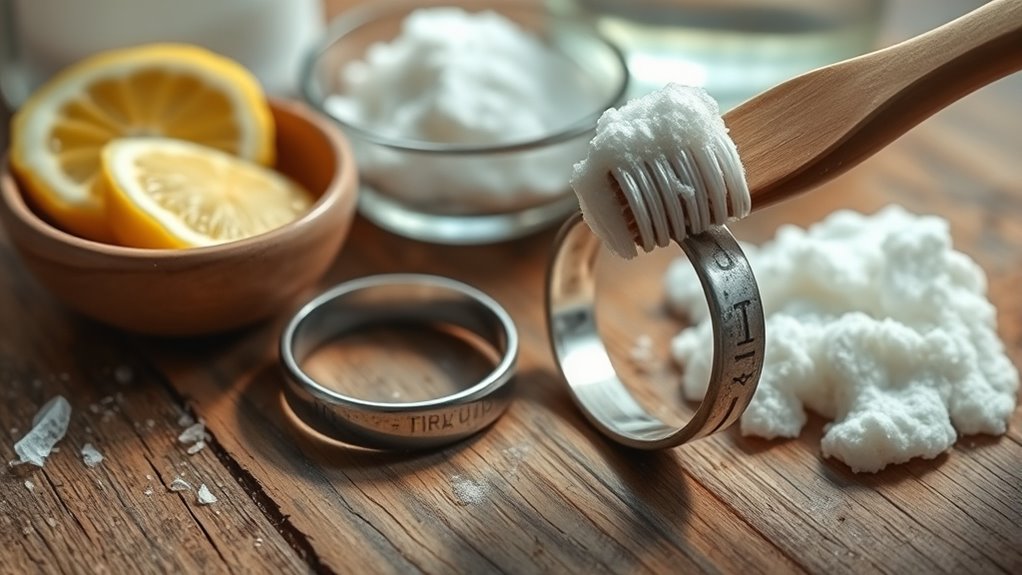
Gather your supplies, which should include a soft toothbrush, baking soda, salt, aluminum foil, and vinegar.
Next, inspect your jewelry for any visible rust.
Then, soak the jewelry in a baking soda and salt solution placed on aluminum foil for about 15-30 minutes.
After soaking, gently scrub the rust spots with your soft toothbrush.
For those stubborn rust areas, a bit of vinegar can work wonders.
Once you’ve removed the rust, rinse your jewelry thoroughly with cold water.
Make sure to dry it completely and polish it to protect your pieces.
If you’re eager to master rust removal techniques and keep your jewelry shining longer, there’s plenty more to discover!
Identify the Type of Metal in Your Jewelry

Before you start removing rust, you need to identify the type of metal in your jewelry.
Knowing the metal type is vital because jewelry material varies in its susceptibility to rust and tarnish.
Understanding your jewelry’s metal type is essential to prevent rust and tarnish effectively.
Metals like iron, steel, and brass contain iron, which reacts with water and oxygen, causing oxidation and rust.
In contrast, gold, silver, platinum, and titanium resist rust due to their composition.
If your jewelry includes metal alloys or is gold-plated, rust prevention depends on whether the underlying metal is prone to corrosion.
Identifying your jewelry’s metal type helps you choose the right cleaning methods without causing damage.
This step guarantees you apply effective rust removal while protecting the jewelry’s finish and preventing further tarnish or oxidation.
Gather Cleaning Supplies and Tools

Once you know the type of metal in your jewelry, gather the right cleaning supplies to remove rust effectively without causing damage.
Choose jewelry-safe products and tools to protect delicate pieces.
You’ll need:
- A soft-bristled toothbrush for gentle scrubbing
- Small bowls for soaking jewelry in cleaning solutions
- Mild dish soap as a safe, effective cleaner
- Aluminum foil to assist in certain rust removal methods
- Warm water to mix with cleaning agents and rinse pieces
Avoid harsh chemicals or household cleaners that could harm your jewelry.
Prepare your workspace with these cleaning supplies, and consider wearing protective gloves if desired.
Always test any solution on a hidden spot first to ensure it won’t damage the metal or stones.
With the right tools and care, you’ll clean rust safely and restore your jewelry’s shine.
Inspect the Jewelry for Rust Severity

How can you tell how severe the rust on your jewelry is?
First, closely inspect the piece to identify visible rust spots—those reddish-brown or black patches.
Gently feel the surface to detect any roughness, pitting, or texture changes caused by corrosion.
This helps you assess whether the rust is just on the surface or if it has penetrated deeper into the metal.
Observe the color and spread of rust to distinguish between active corrosion and older, stabilized rust.
Don’t forget to check if any stones or delicate parts are affected or loosened by the rust.
Prepare a Baking Soda and Salt Solution
Since rust can stubbornly cling to jewelry, preparing a baking soda and salt solution will make removing it easier.
This solution combines the mild abrasiveness of baking soda with the rust-lifting power of salt, creating an effective rust removal mixture.
To prepare your solution:
- Mix equal parts baking soda and salt.
- Add warm water to dissolve both completely.
- Stir well until no granules remain.
Use the solution to soak or scrub rusted jewelry.
Soak for 15-30 minutes for best results.
After soaking or scrubbing, rinse your jewelry thoroughly with water to remove any leftover baking soda and salt.
This simple solution helps loosen rust, making your jewelry sparkle again without harsh chemicals.
Line a Container With Aluminum Foil
Before you immerse your jewelry in the cleaning solution, line a container with aluminum foil, shiny side up. This creates a conductive surface that helps lift rust effectively.
Make sure the foil covers the entire bottom of the container to maximize contact with your jewelry.
Ensure the foil fully covers the container’s bottom for optimal jewelry contact and rust removal.
Choose a container large enough to fully submerge the jewelry for the best rust removal results.
The aluminum foil acts as an electrode in the chemical reaction that breaks down rust.
Simply placing your jewelry directly on the foil works well; wrapping it isn’t necessary.
This setup allows the cleaning solution to interact efficiently with the jewelry and aluminum foil, enhancing the reaction that loosens rust.
Properly lining your container sets the stage for a thorough and effective rust removal process.
Soak Jewelry in the Cleaning Solution
Once you’ve lined your container with aluminum foil, go ahead and fully submerge your jewelry in the cleaning solution, making sure every rusted spot is covered.
Whether you choose vinegar or a baking soda mixture, soak jewelry for the right amount of time to achieve effective rust removal.
Keep these tips in mind:
- Soak time typically ranges from 15 to 30 minutes.
- Check progress periodically to avoid damaging delicate pieces.
For tough rust, extend soak time or gently agitate.
Make certain all rusted areas are immersed in the cleaning solution.
After soaking, rinse thoroughly with clean water to remove residues.
Following these steps will help break down rust and prepare your jewelry for the next cleaning phase.
Gently Scrub Rusted Areas With a Soft Toothbrush
Grab a soft toothbrush and dampen it with warm water.
Then, add a bit of baking soda or mild soap.
Use gentle, circular motions to carefully scrub the rusted spots, paying close attention to crevices and detailed areas.
This method helps lift rust without damaging your jewelry’s delicate surfaces.
Choose Soft Toothbrush
When you gently scrub rusted areas with a soft-bristled toothbrush, you protect your jewelry from scratches and damage.
Choosing the right soft toothbrush is essential for effective rust removal, especially on delicate jewelry.
Here’s why you should pick a soft-bristled brush:
- Soft toothbrush bristles prevent scratching fine metal and stones.
- They allow you to gently scrub without harsh abrasion.
- Dampen the brush with water or a mild cleaning solution to boost rust removal.
- Use gentle circular motions to lift rust safely.
- After scrubbing, rinse thoroughly and dry with a soft cloth to stop new rust from forming.
A soft toothbrush ensures your jewelry stays beautiful while you clean it carefully and effectively.
Use Gentle Circular Motions
Although rust can be stubborn, you can remove it effectively by gently scrubbing with a soft toothbrush using light, circular motions.
These gentle circular motions help loosen rust without damaging your delicate jewelry.
Make sure to apply light pressure to avoid scratching or bending fragile pieces.
Using a soft toothbrush ensures you treat the surface with care while still achieving even coverage.
Focus on small sections at a time, moving the brush in gentle circular motions to lift rust particles gradually.
This method prevents over-agitating the metal and keeps your jewelry safe.
After scrubbing, rinse thoroughly to wash away loosened rust and residue, leaving your jewelry clean and protected from further damage.
Focus On Rust Spots
Once you’ve mastered gentle circular motions, it’s time to zero in on the rust spots themselves.
Use a soft toothbrush dipped in a vinegar solution or baking soda mix to target these areas carefully.
When removing rust, focus on small sections, applying light pressure to avoid damaging your jewelry’s surface.
To clean rusty jewelry effectively:
- Gently scrub rusted areas with the soft toothbrush.
- Use circular motions to lift rust without scratching.
- Rinse the toothbrush often to avoid spreading rust debris.
- Thoroughly rinse and dry jewelry after scrubbing.
- Store jewelry properly to prevent rust from returning.
This approach helps restore shine and ensures you’re removing rust without harming delicate metals.
Use White Vinegar for Stubborn Rust Spots
If rust spots on your jewelry won’t budge, try soaking it in white vinegar for 15 to 30 minutes.
The vinegar’s acetic acid breaks down the rust, making it easier to clean with a soft toothbrush afterward.
Just be sure to rinse and dry your jewelry thoroughly to keep it from rusting again.
Vinegar Soak Benefits
A soak in white vinegar can work wonders on stubborn rust spots on your jewelry.
This vinegar soak uses acetic acid to break down iron oxide, making rust removal easier and restoring the shine to tarnished metal jewelry.
When you soak your pieces for 15-30 minutes, the acid penetrates rust spots, loosening them for gentle cleaning with a soft toothbrush.
This method suits most metal jewelry, but always test or remove delicate stones first.
Benefits of vinegar soak for jewelry cleaning include:
- Effective rust removal without harsh chemicals
- Tarnish restoration to bring back original shine
- Safe for many types of metal jewelry
- Easy and affordable solution
- Prepares jewelry for further gentle cleaning
Using vinegar soak is a smart step to maintain your jewelry’s appearance.
Cleaning and Drying Tips
To tackle stubborn rust spots effectively, start by fully submerging your jewelry in white vinegar for 15 to 30 minutes.
After the soak, use a soft-bristled toothbrush to gently scrub away any remaining rust.
Next, rinse your jewelry thoroughly with lukewarm water to remove vinegar residue, which helps prevent further corrosion.
Finally, dry your jewelry completely using a lint-free cloth to avoid trapping moisture that could cause rust to return.
If rust persists, no worries! Just repeat the soak or try a vinegar and baking soda mix for extra cleaning power.
| Step | Action |
|---|---|
| Soak | Submerge jewelry in vinegar |
| Scrub | Use soft-bristled toothbrush |
| Rinse and Dry | Lukewarm water & lint-free cloth |
Rinse Jewelry Thoroughly With Cold Water
Why should you always rinse your jewelry thoroughly with cold water after cleaning?
Rinsing with cold water is essential to remove any leftover cleaning agents and loosened rust particles. This ensures your jewelry is truly clean.
Rinsing with cold water removes cleaning residues and rust particles, ensuring your jewelry is completely clean.
Use a gentle stream to avoid damaging delicate pieces. Here’s why rinsing thoroughly matters:
- Removes soap, vinegar, and baking soda residues
- Stops ongoing chemical reactions that could harm finishes
- Flushes away loosened rust for better results
- Minimizes water spots and rust reformation
- Prepares jewelry for proper drying and storage
After rinsing, immediately dry your jewelry with a soft, lint-free cloth to prevent moisture buildup.
Thorough rinsing and drying keep your jewelry rust-free and looking great after cleaning.
Dry and Polish Jewelry to Prevent Future Rust
Once you’ve thoroughly rinsed your jewelry, drying it completely with a soft, lint-free cloth prevents moisture from causing rust.
Next, polish your jewelry using a jewelry polishing cloth or metal polish to restore shine and protect metal surfaces from moisture.
Applying a thin layer of clear nail polish or a jewelry protectant further prevents rust by creating a moisture barrier.
To keep your pieces safe, store them in airtight containers with silica gel packs to absorb humidity.
| Step | Action | Purpose |
|---|---|---|
| Dry | Use lint-free cloth | Remove moisture |
| Polish | Jewelry polishing cloth | Restore shine & protect |
| Protect | Nail polish or protectant | Create moisture barrier |
| Store | Airtight container + silica gel | Prevent humidity buildup |
Frequently Asked Questions
How to Remove Rust From Jewelry at Home?
You can remove rust by soaking your jewelry in white vinegar for 15-30 minutes.
Then, gently scrub with a baking soda paste.
Rinse well, dry, and repeat if needed for stubborn rust spots.
What Removes Rust Immediately?
You want speed, power, and ease?
Use lemon juice, baking soda with aluminum foil, or white vinegar.
Soak, scrub gently, and watch rust vanish immediately.
Restoring your jewelry’s shine without hassle or delay.
Will Dawn Soap Remove Rust?
No, Dawn soap won’t remove rust effectively.
It cleans oils and dirt but doesn’t break down rust.
You’ll need acidic solutions like vinegar or baking soda to get rust off your jewelry properly and quickly.
How to Remove Rust From Jewelry Without Baking Soda?
You can remove rust from jewelry without baking soda by soaking it in white vinegar or lemon juice mixed with salt.
Then, gently scrub with a soft toothbrush.
Rinse thoroughly, and dry completely to prevent future rust.
Conclusion
You might think rust spells the end for your jewelry, but with just a little effort, it becomes a fresh start.
Instead of tossing those cherished pieces, you’re bringing them back to life—clean, shiny, and ready to wear again.
By following these simple steps, you turn corrosion into brilliance.
So, don’t let rust win; transform your jewelry from forgotten to fabulous, proving that a little care goes a long way.
In conclusion, rust doesn’t have to be the end of your beloved jewelry.
With a bit of patience and the right techniques, you can restore your pieces to their former glory.
Remember, taking care of your jewelry not only revives it but also ensures it remains a cherished accessory for years to come.
So roll up your sleeves and get ready to turn that rust into shine!