Will Jewelry Stores Buy Jewelry and How to Sell Yours
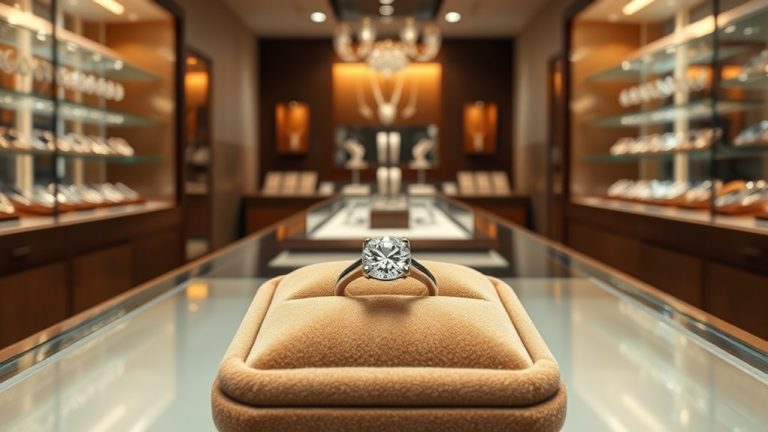
Yes, jewelry stores will buy your unwanted gold, platinum, diamonds, and precious gemstones. They often offer fair market prices through a clear, in-person process.
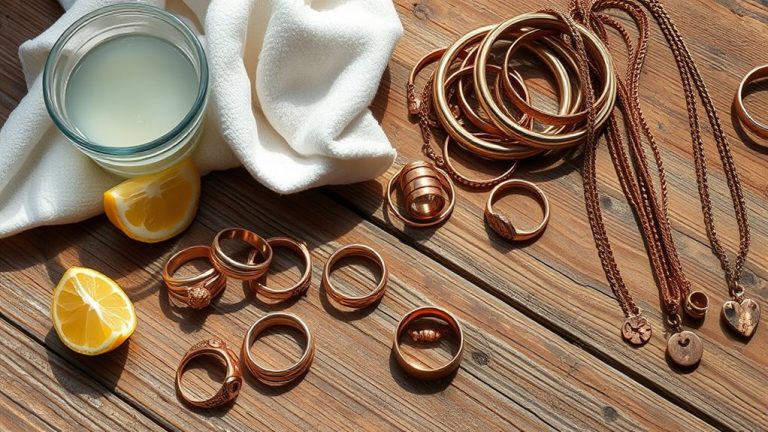
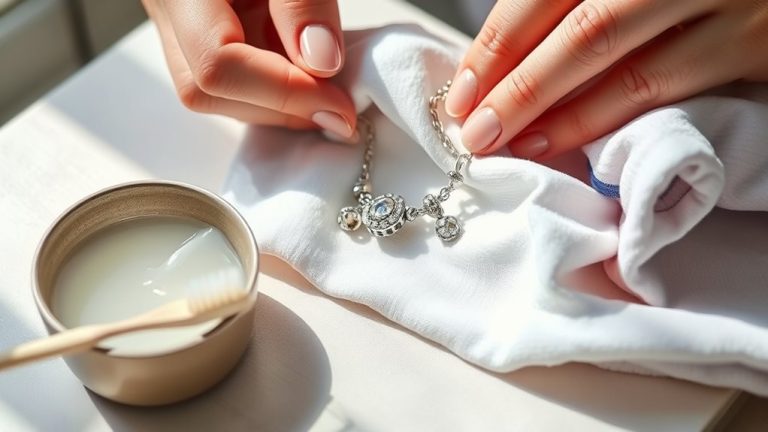
To sell your jewelry, start by cleaning your items. Then, gather any certificates or appraisals you may have.
Next, visit a reputable store for an expert evaluation. They’ll assess metal purity, gemstone quality, and overall condition before making an immediate offer. You can choose to accept or decline their offer.
If you want to get the best value for your jewelry, understanding the details of the selling process is key. So, keep exploring your options to ensure you make the most informed decision!
Reasons to Sell Your Jewelry

If your jewelry no longer suits your style or brings back unpleasant memories, selling it can be a smart choice.
Selling your jewelry lets you turn unused or outdated pieces into cash quickly, especially if they’re in excellent condition or vintage.
Jewelry stores often buy items made from precious metals like gold, silver, and platinum, as well as pieces with high-quality gemstones or from reputable brands.
Whether it’s an engagement ring, fine necklace, or watch, stores prefer jewelry they can resell or recycle for valuable materials.
By selling your jewelry, you not only free up space but also make the most of items that no longer add value to your collection or personal style.
It’s a practical way to refresh your accessories and finances.
Types of Jewelry Jewelry Stores Purchase

When you’re selling jewelry, stores usually look for pieces made of precious metals like gold, platinum, and sterling silver.
They also highly value jewelry with genuine gemstones and diamonds.
Understanding these key materials can help you know what stores are likely to buy.
Precious Metals Accepted
What types of precious metals do jewelry stores typically accept?
Most stores focus on gold, platinum, and sterling silver jewelry. This includes rings, necklaces, bracelets, and earrings.
They prefer pieces with high metal content and in good condition to guarantee value.
Designer or branded jewelry from luxury labels like Tiffany or Cartier usually commands higher prices due to demand.
Besides traditional jewelry, many stores also buy sterling silver flatware, silverware, and serving pieces.
Some stores even accept gold teeth, crowns, or dental jewelry, though policies vary.
When selling, it’s important to identify the precious metals in your items. This directly impacts the store’s willingness to buy and the price you’ll receive.
Knowing which precious metals are accepted helps you target the right buyers efficiently.
Gemstones and Diamonds
Although jewelry stores primarily focus on precious metals, they also buy natural diamonds and valuable gemstones like sapphires, rubies, emeralds, and alexandrites.
When selling, keep in mind that stores often pay more for larger diamonds with excellent color and clarity.
The value of your gemstones depends on cut, color, clarity, carat weight, and overall condition.
Lab-grown diamonds usually hold little to no resale value at these stores, so natural stones are far more desirable.
To get the best price, consider obtaining a certified appraisal from a reputable gemologist before selling.
This appraisal helps establish the authenticity and quality of your diamonds and gemstones, making it easier for jewelry stores to offer a fair price.
How Jewelry Stores Determine Value

When you bring in your jewelry, stores first check the metal purity to gauge its base value.
They also evaluate the quality of any gemstones, considering factors like carat and clarity.
Finally, they assess the brand and overall condition, since well-known designers and well-maintained pieces often fetch higher prices.
Metal Purity Assessment
Because metal purity plays a crucial role in determining a piece’s value, jewelry stores carefully assess its karat rating using tools like electronic acid testers or X-ray fluorescence analyzers.
When you bring in your jewelry, they measure the exact metal purity—whether it’s gold, silver, or an alloy—by analyzing its composition.
Stores often remove gemstones and clean the piece first to guarantee an accurate valuation focused solely on the metal.
The karat rating, such as 14K or 18K, directly impacts the appraisal since higher-purity metals command higher prices.
After determining the metal’s weight and purity, they calculate its current market value.
Understanding this process helps you know how your jewelry’s metal content influences the offer you’ll receive from a store.
Gemstone Quality Evaluation
Since gemstones play a significant role in your jewelry’s value, stores carefully evaluate their quality using the 4 Cs: color, clarity, cut, and carat weight.
They examine the gemstone’s color vividness, clarity for inclusions, precision of the cut, and its size to estimate worth.
Using specialized tools like gemological microscopes and spectrometers, stores verify authenticity and detailed features.
A high-quality gemstone with vibrant color, minimal flaws, and expert cutting usually commands a better resale price.
Certification from respected labs, such as GIA or AGS, boosts the gemstone’s credibility and resale potential.
Ultimately, jewelry stores combine the gemstone’s intrinsic quality with current market demand to determine its value, ensuring you receive a fair offer when selling your piece.
Brand and Condition
Beyond gemstone quality, jewelry stores also focus on the brand and condition of your piece to determine its value.
If your jewelry carries a well-known brand name like Tiffany, Cartier, or Van Cleef & Arpels, expect a higher resale value due to their reputation and craftsmanship.
The condition plays a huge role too—stores check for scratches, wear, damages, or missing stones.
Well-maintained, polished pieces in excellent condition typically fetch better offers.
Antique and designer items in good shape often command premium prices because of their rarity.
On the other hand, jewelry showing visible repairs or damage usually gets lower offers.
Preparing Your Jewelry for Sale
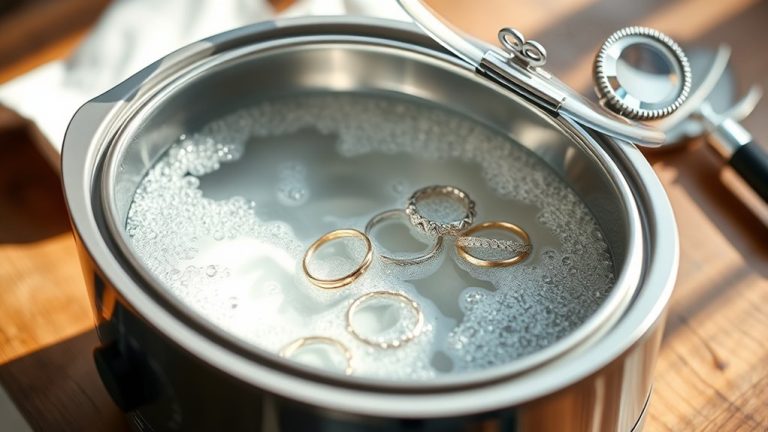
When you prepare your jewelry for sale, cleaning it thoroughly and taking clear photos from multiple angles can make a big difference in how buyers perceive its value.
Remove dirt and oils to enhance its sparkle.
Use good lighting and capture every detail.
Don’t forget to gather original certificates, appraisals, or the jewelry box—these prove authenticity and boost confidence.
Also, separate any damaged or outdated pieces to focus on items with higher value.
Research market prices for metals and gemstones to set realistic expectations.
| Step | Tip |
|---|---|
| Clean Jewelry | Use mild soap and a soft brush |
| Photograph | Capture multiple angles in natural light |
| Gather Documentation | Include jewelry box, certificates, appraisals |
| Sort Pieces | Separate damaged or outdated items |
Selling Jewelry Directly to a Jewelry Store
If you want a quick and straightforward way to sell your jewelry, taking it directly to a jewelry store can be a smart choice.
Jewelry stores typically buy gold, silver, platinum, and pieces with valuable gemstones, offering fair market value.
Here’s how to sell your jewelry directly:
- Bring your jewelry for an in-person evaluation, often free of charge.
- Receive an immediate offer based on quality, condition, and current market prices.
- Accept the offer and complete the sale on the spot.
Jewelry stores focus on fine jewelry, designer brands, and estate pieces, so they usually pay more for high-quality diamonds and precious metals.
This direct approach ensures you get a competitive price without waiting, making it an efficient way to sell your jewelry.
Comparing Jewelry Stores to Other Selling Options
Selling your jewelry directly to a jewelry store offers clear advantages, but it’s helpful to understand how these stores compare to other selling options like pawnshops or online buyers.
Jewelry stores specialize in fine jewelry and provide expert appraisals. They evaluate materials, craftsmanship, and brand value to offer fair market prices.
Jewelry stores offer expert appraisals, assessing materials, craftsmanship, and brand value to ensure fair market prices.
This expertise means you usually get higher and more accurate payouts than at pawnshops. Pawnshops deal with a variety of secondhand goods and often offer quick but lower returns.
Online buyers may seem convenient, but their valuations can lack transparency. Plus, payouts often fall short of what jewelry stores provide.
Choosing jewelry stores ensures you receive a reliable, market-based price. So, they really are the best choice when selling your unwanted jewelry.
Understanding Jewelry Appraisals and Valuations
Although you might not always need a formal appraisal, understanding how jewelry appraisals and valuations work can help you get the best price for your pieces.
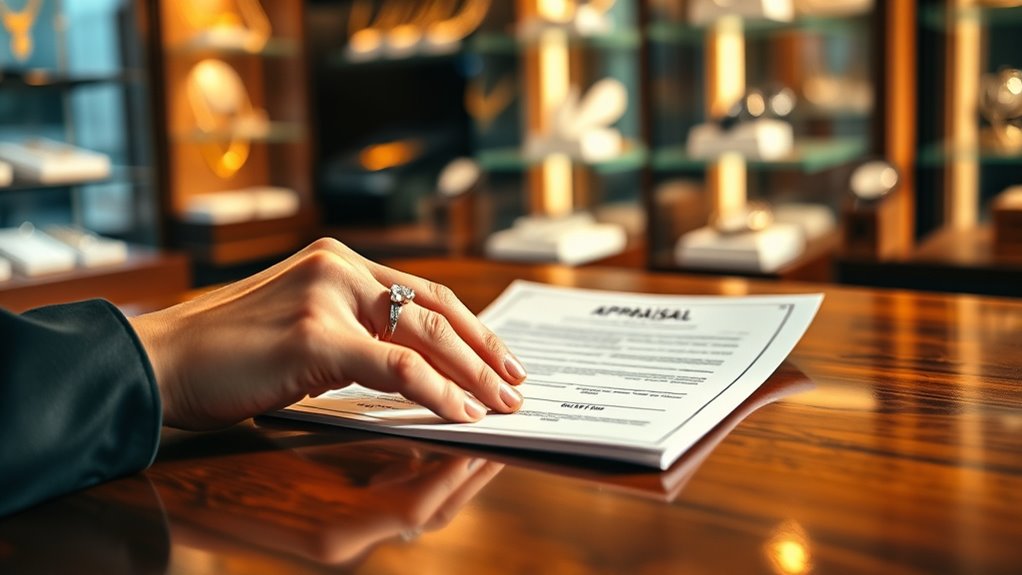
Jewelry appraisals provide a detailed, written valuation by certified gemologists, describing materials, craftsmanship, and market value. They’re especially useful for high-value items like large diamonds or designer pieces.
Here’s what jewelry appraisals typically include:
- Metal purity and weight
- Gemstone quality and rarity
- Brand or designer identification
Certified experts from organizations like GIA ensure accuracy and trustworthiness in these valuations.
While many jewelry stores won’t require a formal appraisal before making an offer, knowing these details can empower you during negotiations and give you confidence in your jewelry’s worth.
Tips for Maximizing the Sale Price of Your Jewelry
To get the best price for your jewelry, you’ll want to focus on its condition, authenticity, and timing.
Start by ensuring your gold, silver jewelry, or sterling silver pieces are clean and in excellent shape. Well-maintained items attract better offers.
Get a professional appraisal for diamonds and gemstones or Fine Jewelry to verify quality.
Research market prices for your type of jewelry to set realistic expectations and negotiate confidently.
Selling old jewelry when gold prices are high can boost your return.
Present your pieces nicely, whether to a local jeweler or online, with clear photos in good lighting.
For more tips for maximizing the sale price of your jewelry, please visit trusted appraisal sources and local buyers to find the best deal.
What to Expect During the Jewelry Selling Process
When you bring your jewelry to a store, you’ll usually start by scheduling an appointment or dropping off your pieces for a private evaluation.
During this process, an expert appraises your jewelry’s materials, craftsmanship, and market value to move towards something fair and accurate.
Here’s what to expect:
- A thorough examination to assess authenticity and condition.
- A written offer or quote presented immediately, with no obligation.
- Instant payment options like cash, check, or store credit if you accept.
The entire process typically takes 30 minutes to an hour, depending on the piece and store policies.
Knowing this helps you feel confident and prepared as you move towards something beneficial in your jewelry-selling journey.
Frequently Asked Questions
How Do I Sell My Jewelry and Get the Most Money for It?
You’ll want to get your jewelry professionally appraised.
Clean it thoroughly, and focus on high-value metals or gemstones.
Then, compare offers from reputable stores.
Time your sale when market prices are high to maximize profit.
Can You Sell Your Jewelry Back to Jewelers for Cash?
Yes, you can sell your jewelry back to jewelers for cash.
Just bring your pieces in for an appraisal, and they’ll offer you a price based on metal content, gemstones, and current market values.
How Much Do Jewelers Pay for Used Jewelry?
Think of your jewelry like a treasure chest;
jewelers usually pay 60%-80% of gold’s value and 50%-70% for diamonds.
You’ll get more for quality pieces,
but expect deductions for cleaning or repairs.
Do Jewelers Buy Jewelry off You?
Yes, jewelers do buy jewelry from you, especially if it’s made of precious metals or contains valuable stones.
They’ll usually inspect your piece, sometimes requiring an appraisal.
Then, they’ll offer a fair price based on current market values.
Conclusion
Selling your jewelry to a store can be a smart way to get quick cash, especially if you know what to expect.
For example, Sarah sold her grandmother’s gold necklace after getting it appraised and cleaned, which helped her get a better offer.
By understanding how stores value pieces and preparing accordingly, you can maximize your sale.
Remember, doing a bit of homework and comparing offers guarantees you get the best deal possible.
In conclusion, selling your jewelry can be a straightforward process if you take the time to prepare.
Getting your pieces appraised and cleaned can significantly enhance their value.
By researching and comparing offers from different stores, you can ensure you receive the best possible price for your items.
So, whether you’re looking to sell gold, diamonds, or other jewelry, being informed and strategic will lead to a successful sale.