How Does Permanent Jewelry Work?
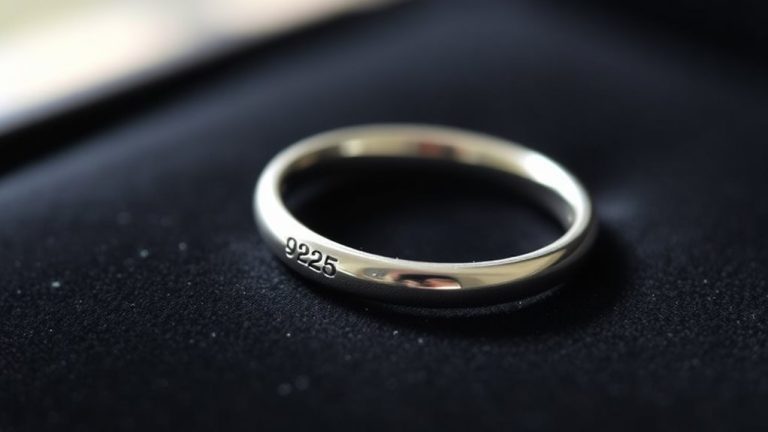
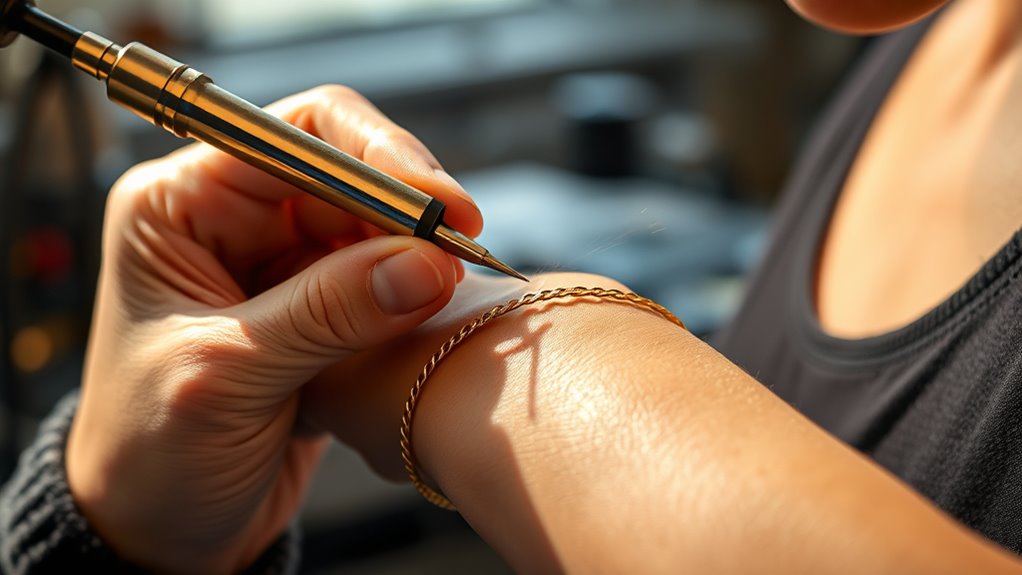
Permanent jewelry is an innovative trend that offers a unique way to wear your accessories. This style involves fusing a metal chain, typically crafted from solid gold or sterling silver, directly onto your skin using precision welding.
The result is a seamless and durable piece that can be worn continuously without the hassle of clasps.
When getting permanent jewelry, the fitting is custom-measured for your comfort. The welding process employs safe and specialized equipment to create a lasting bond.
Since permanent jewelry is designed to stay on, it’s essential to understand the care required, any limitations it may have, and available removal options.
If you’re curious about this trend, learning more about its intricacies can help you decide if it’s right for you.
What Is Permanent Jewelry?
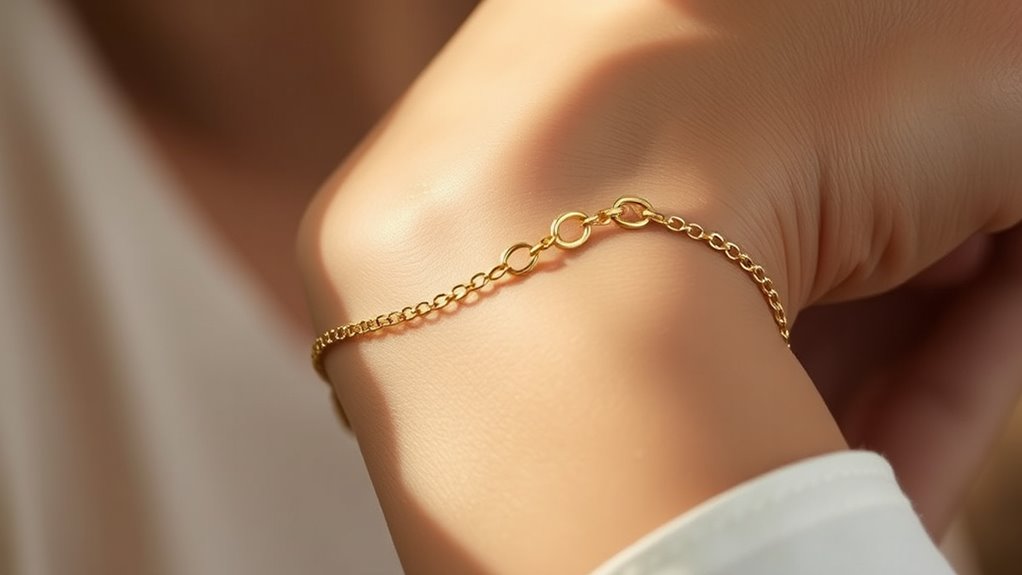
Permanent jewelry is designed to stay on your wrist, neck, or finger continuously, with no clasps to open or close.
Permanent jewelry stays seamlessly on your wrist, neck, or finger with no clasps to worry about.
This means the ends of the jewelry are fused together through a welding process, giving it a seamless look that’s both elegant and secure.
Before the welding, your wrist, neck, or finger is carefully measured to guarantee the perfect fit—comfortable yet snug.
Trained jewelers use specialized tools like pulse arc welders to join the metal ends without heat or solder.
So, there’s no damage to your skin or the jewelry itself.
This quick, painless procedure leaves you with a piece that truly becomes part of you, symbolizing permanence and meaningful moments with a flawless finish.
Materials Commonly Used in Permanent Jewelry
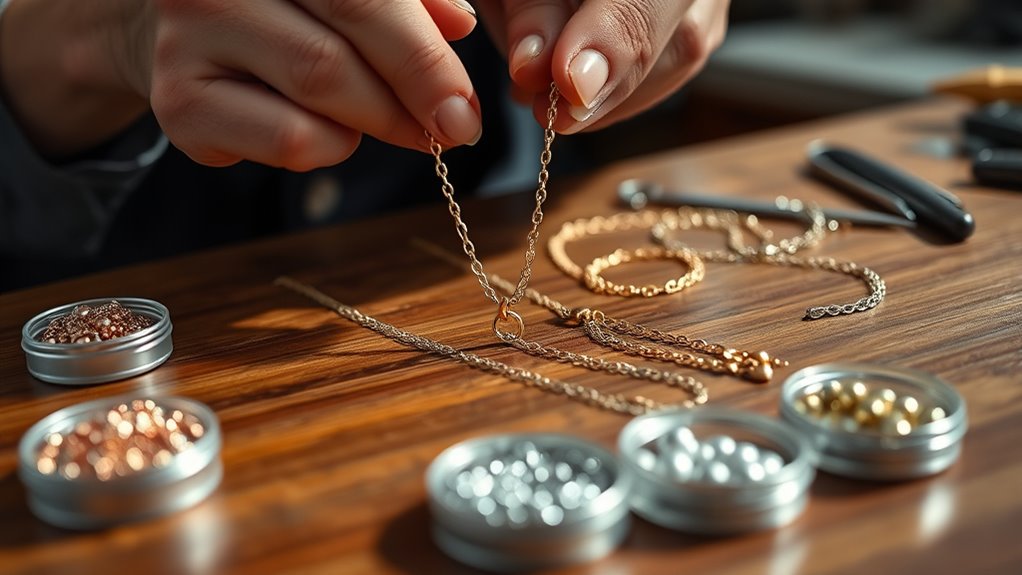
What materials make the best choice for jewelry meant to stay on you all the time?
When it comes to permanent jewelry, solid gold like 14k gold is a top pick.
It resists tarnish and corrosion, so you don’t have to worry about it dulling, even if it’s exposed to water daily.
Sterling silver is also common, though it tarnishes more easily.
With proper care, it can last a long time.
Gold-filled chains offer a budget-friendly option, but they wear down faster since they have a base metal core.
Avoid porous materials or delicate components like enameled charms or tiny jump rings—they can weaken and break since permanent jewelry requires welding.
Choosing durable metals guarantees your piece stays beautiful and secure for years.
The Measuring and Fitting Process
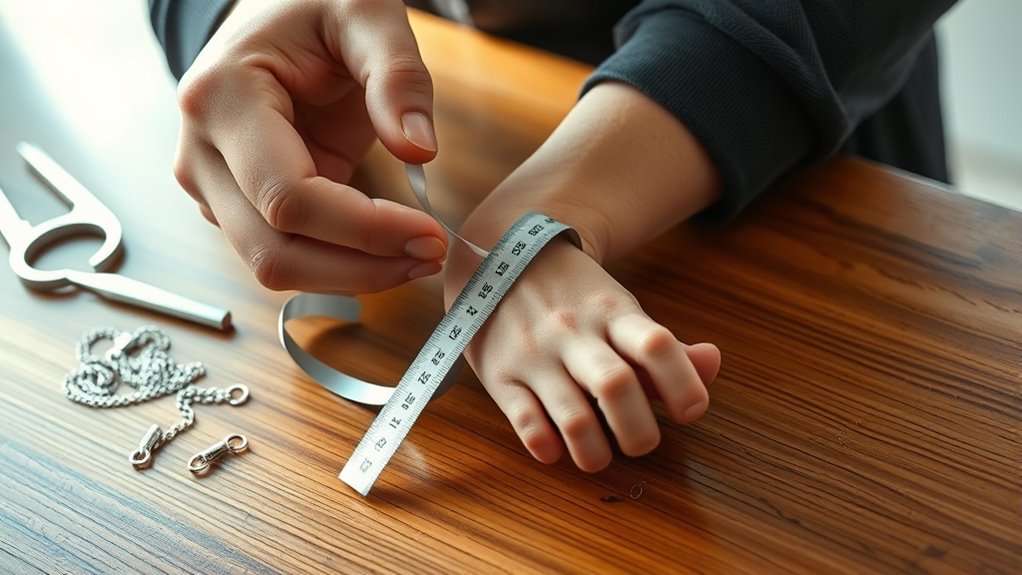
Choosing the right durable materials sets the foundation, but getting the fit just right brings your permanent jewelry to life.
During the measuring process, the jeweler uses a flexible tape or ruler to record the exact circumference of your wrist or neck. This step guarantees the piece is custom-sized to your unique dimensions.
The chain is then cut or selected based on this measurement, leaving just enough wiggle room to stay comfortable throughout the day.
Next, the jeweler checks the fit on you, confirming it feels secure without being too tight or loose.
If needed, adjustments are made to guarantee your permanent jewelry sits perfectly, tailored precisely to your size and activity level, so it feels both natural and secure.
Welding vs. Jump Ring Methods
When you choose permanent jewelry, you’ll notice two main methods: welding and jump rings.
Welding fuses the ends for a seamless, durable finish.
On the other hand, jump rings connect with a small, openable loop.
Understanding these techniques helps you decide between lasting strength and easier removal.
Welding Process Overview
Offering two distinct techniques, permanent jewelry can be crafted either by welding the ends together or linking chain segments with a jump ring.
Focusing on welding, this method uses specialized equipment like a laser welder to fuse the metal ends, creating a seamless and permanent connection.
You’ll notice the fusion point is tiny and nearly invisible, ensuring durability and a sleek finish.
However, welding demands precise tools, strict safety measures, and skilled professionals to execute properly.
This process guarantees that your jewelry stays securely joined without risk of accidental opening.
When you choose welding, you’re opting for the most lasting and robust bond available in permanent jewelry.
It’s ideal if you want something truly fixed and tamper-proof.
Jump Ring Technique
Besides welding, permanent jewelry can also be secured using the jump ring technique. This method connects chain ends with a small metal ring that is tightened by pliers.
Unlike welding, which fuses metal ends seamlessly through heat, the jump ring technique relies on a ring that you can open and close to connect chain links.
This method makes permanent jewelry easier to adjust or remove since you don’t need cutting tools or professional help.
However, jump rings can weaken or open over time, so this technique is less permanent than welding.
While quicker and more accessible, the jump ring technique may compromise the jewelry’s long-term security.
If you want a simpler way to connect chain ends without welding, this method offers convenience but with trade-offs in durability.
Durability and Permanence
Although both welding and jump ring methods connect jewelry pieces, they differ substantially in durability and permanence.
When you choose permanent jewelry, welding offers a seamless, fused bond by applying concentrated energy to metal ends. This process creates welded jewelry that’s highly durable and resistant to accidental breakage or detachment.
On the other hand, jump rings rely on small clasps that can open or weaken over time, especially with exposure to chemicals or daily wear. This makes jump ring connections less permanent and more prone to damage.
If you want long-lasting durability and a truly permanent fit, welded jewelry is the better choice. It withstands daily activities far better than jump rings, giving you permanent jewelry that lasts.
Equipment Needed for Welding Permanent Jewelry
To weld permanent jewelry, you’ll need a pulse arc welder that uses argon gas to create clean, precise bonds without solder.
This equipment works best with suitable chain materials like gold or silver to guarantee strong, lasting connections.
Make sure you have the right tools on hand to handle these delicate processes safely and effectively.
Pulse Arc Welder
When you use a pulse arc welder, you apply a concentrated burst of electrical energy to fuse metal jewelry pieces securely.
This tool is essential for creating permanent jewelry because it delivers a tiny, controlled arc that melts metal only at the joint.
This ensures a clean, strong weld without harming delicate chains.
The precision of a pulse arc welder allows you to make seamless, almost invisible connections that last.
Keep these key points in mind when welding permanent jewelry with a pulse arc welder:
- The welder’s focused energy prevents damage to surrounding metal.
- Proper safety gear, like goggles, protects you during use.
- The tool’s precision is perfect for delicate, fine jewelry pieces.
Using a pulse arc welder helps you achieve flawless permanent jewelry welds every time.
Argon Gas Use
Since welding permanent jewelry requires a clean, uncontaminated environment, you’ll use argon gas as an inert shield to protect the metal during the process.
Argon gas prevents oxidation and contamination by creating a stable, non-reactive atmosphere around the weld area. This allows you to achieve a precise, clean weld without impurities, which is crucial for jewelry durability.
You’ll supply the argon through a specialized torch or welding machine, maintaining a proper flow rate to ensure consistent delivery.
The argon also helps concentrate the welding arc and control heat, which is essential when fusing delicate metals like gold or silver.
Using argon gas during the welding process ultimately enhances the strength and longevity of your permanent jewelry pieces.
Suitable Chain Materials
Argon gas plays a vital role in welding, but selecting the right chain materials is equally important for successful permanent jewelry.
You’ll want to use high-quality, thin chains made from metals compatible with the pulse arc welding process. Gold chains, especially 14k gold, and sterling silver are the most common choices because they weld cleanly without overheating.
When preparing for welding permanent jewelry, keep these points in mind:
- Choose thin, lightweight chains to avoid weak or overheated welds.
- Use chains made of 14k gold or sterling silver for maximum compatibility.
- Confirm your chain is clean and properly prepared for a seamless weld.
With the right chain and welding equipment, you’ll create durable, lasting permanent jewelry.
Safety Precautions for Clients and Technicians
Although permanent jewelry offers a unique and lasting accessory, you and the technician must prioritize safety throughout the welding process.
Following strict safety precautions is essential. The technician should always wear protective gear like goggles and gloves to shield against sparks and intense light.
You’ll need to keep your eyes and face away from the welding arc to avoid injury. Equipment maintenance is equally important; the pulse arc welder and argon gas supply must be regularly inspected to guarantee safe operation.
Welding should happen in a well-ventilated area to prevent inhaling harmful fumes.
Both you and the technician should know emergency procedures, such as quickly disconnecting power or treating burns, to handle any unexpected situations swiftly and safely.
Caring for Your Permanent Jewelry
Taking care of your permanent jewelry after the welding process helps keep it looking its best and lasting longer.
Since these pieces are made from high quality metals like 14k gold or sterling silver, proper care guarantees their durability and shine.
To maintain your jewelry’s beauty and strength, follow these simple tips:
– Clean regularly with mild soap and warm water.
Avoid harsh chemicals that can damage the metal.
– Store separately in soft pouches or jewelry boxes.
This helps prevent scratches and tangling.
– Avoid exposure to chlorine, sulfates, perfumes, and lotions.
These can accelerate tarnishing.
Limitations and Considerations for Wearers
Since permanent jewelry is welded or soldered directly onto your body, you should understand that removing it requires tools or professional help.
Unlike removable jewelry, permanent pieces demand careful consideration, especially regarding exposure to chemicals like chlorine or lotions.
These substances can tarnish metals and reduce long-term durability.
Also, your daily activities might affect the jewelry’s strength, making some placements more prone to damage.
| Consideration | Impact |
|---|---|
| Removal | Requires tools or specialist |
| Chemical Exposure | Can cause tarnishing and wear |
| Durability | Depends on metal and placement |
| Daily Activities | May increase risk of damage or breakage |
Keep these factors in mind to enjoy your permanent jewelry safely and stylishly.
Removal and Repair Policies
How do you remove permanent jewelry once it’s on?
Since it’s welded directly onto your body, removal usually requires cutting the piece with scissors or specialized jewelry cutters.
It’s not designed for frequent removal, so you need to be careful to avoid damage.
Here’s what you should know about removal and repair policies:
- Repair or re-welding services are often available within a 30-day warranty period for fixing broken or damaged jewelry.
- After the warranty, additional charges may apply for removal, repair, or replacement.
- Always have a trained jeweler handle removal or repair to ensure safety and maintain durability.
Understanding these policies helps you care for your jewelry properly and avoid unexpected costs.
Frequently Asked Questions
What Are the Downsides of Permanent Jewelry?
You’ll find permanent jewelry can break if caught or stressed.
It can also cause skin irritation from low-quality metals, weaken over time, and be tough to remove without damage.
Plus, it still requires care despite its name.
Can You Go in an MRI With a Permanent Bracelet?
About 75% of permanent jewelry made from gold or sterling silver is generally safe for MRIs.
You should always tell your technician about your bracelet so they can decide if removal is necessary to avoid complications.
How Long Does Permanent Jewelry Actually Last?
Permanent jewelry can last a lifetime if you take care of it properly.
Avoid harsh chemicals, clean it regularly, and minimize physical stress.
With quality materials and welding, it often stays strong and beautiful for decades.
How Do They Put Permanent Jewelry on You?
They measure your wrist, fit the chain, and fuse it instantly.
They zap the ends with precise energy, welding the jewelry permanently on you—
no clasps, no fuss, just a seamless, secure bond made to stay.
Conclusion
Now that you know how permanent jewelry works, you can appreciate its blend of art and precision.
Whether welded or linked with jump rings, it’s designed to stay with you like a shadow—constant and reliable.
Remember, “a stitch in time saves nine,” so proper care and safety are key to keeping your piece flawless.
Embrace this unique accessory, but always consider the commitment it requires before making it part of your everyday look.
In conclusion, permanent jewelry is a beautiful and lasting addition to your collection.
However, it’s essential to understand the maintenance involved and the commitment to wearing it daily.
Take the time to care for your piece, and it will serve as a constant reminder of your personal style and story.
So, weigh your options, and if you’re ready for the commitment, enjoy the journey with your new jewelry!