
What Jewelry Is Allowed When Preparing Food
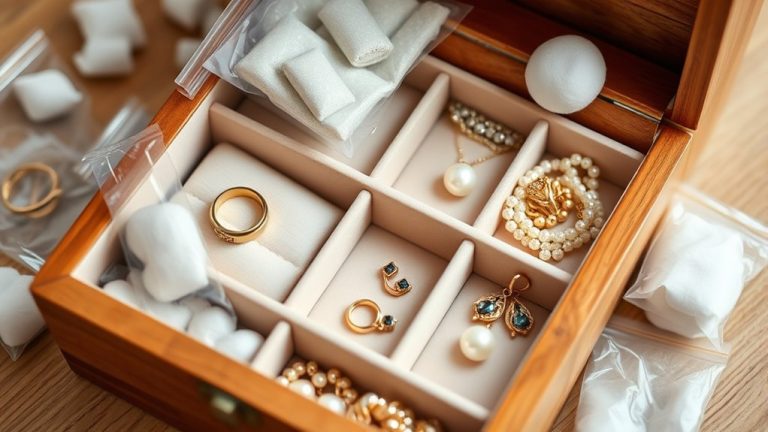
When preparing food, it’s crucial to consider the jewelry you wear to maintain hygiene and prevent contamination. The safest option is to wear a plain wedding band without stones or engravings.
This minimizes the risk of bacteria buildup or jewelry falling into the food.
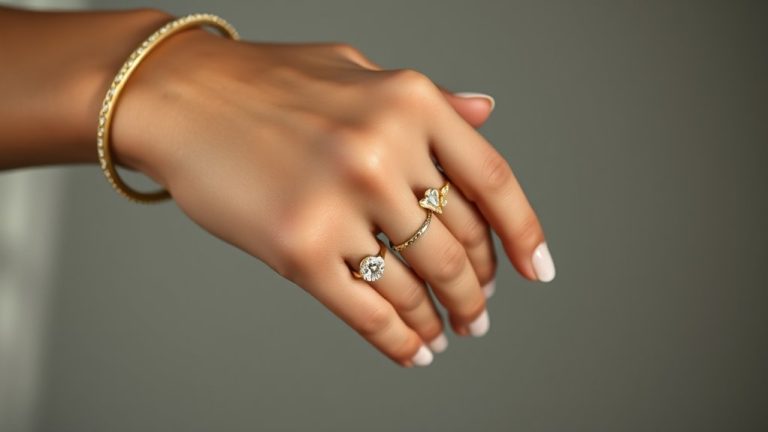
It’s best to avoid necklaces, bracelets, and rings with intricate designs, as they can trap germs and pose a safety risk.
Facial piercings should also be removed, as they can harbor bacteria and interfere with food preparation.
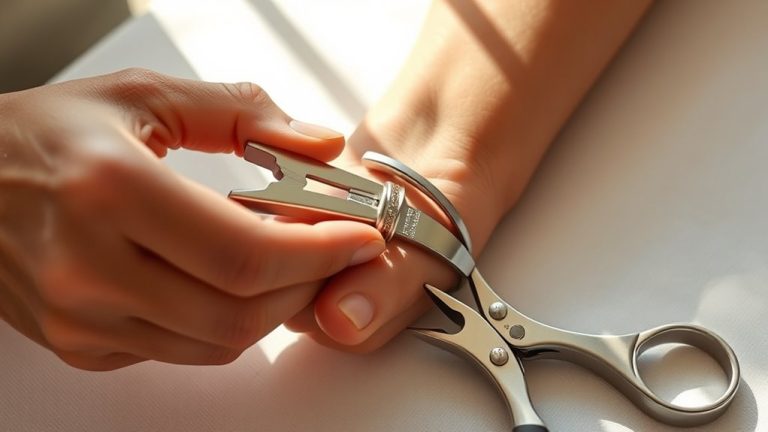
Additionally, jewelry can tear gloves or hide germs, making it essential to either remove or cover it properly while cooking.
If you’re curious about how these jewelry rules protect food safety and if there are any exceptions, keep exploring the topic further!
Importance of Jewelry Restrictions in Food Handling
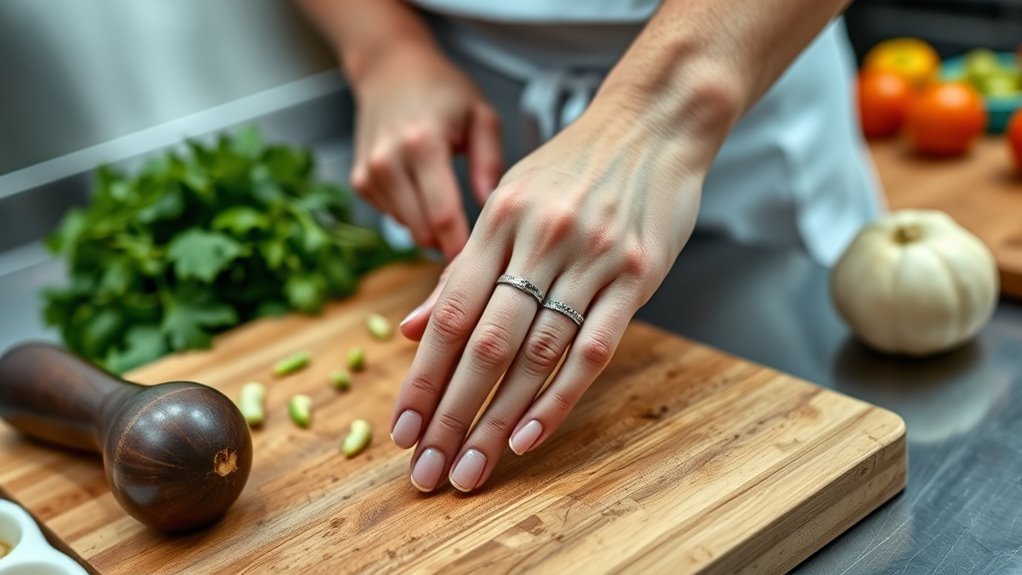
Although jewelry might seem harmless, it can harbor bacteria and pathogens that increase the risk of food contamination.
Jewelry can harbor bacteria and pathogens, raising the risk of food contamination.
When you handle food, jewelry restrictions are critical to maintaining proper hand hygiene and preventing the spread of harmful microbes.
Food safety regulations often allow only a plain wedding band without stones or engravings because other items—like rings, bracelets, or watches—can obstruct thorough handwashing and compromise glove integrity.
Additionally, necklaces and facial piercings pose physical hazards, such as falling into food or causing choking risks.
By following strict jewelry restrictions, you not only minimize contamination risks but also ensure you comply with food safety standards.
Keeping your hands free of unnecessary jewelry helps protect both your customers and your workplace.
Types of Jewelry Permitted for Food Handlers
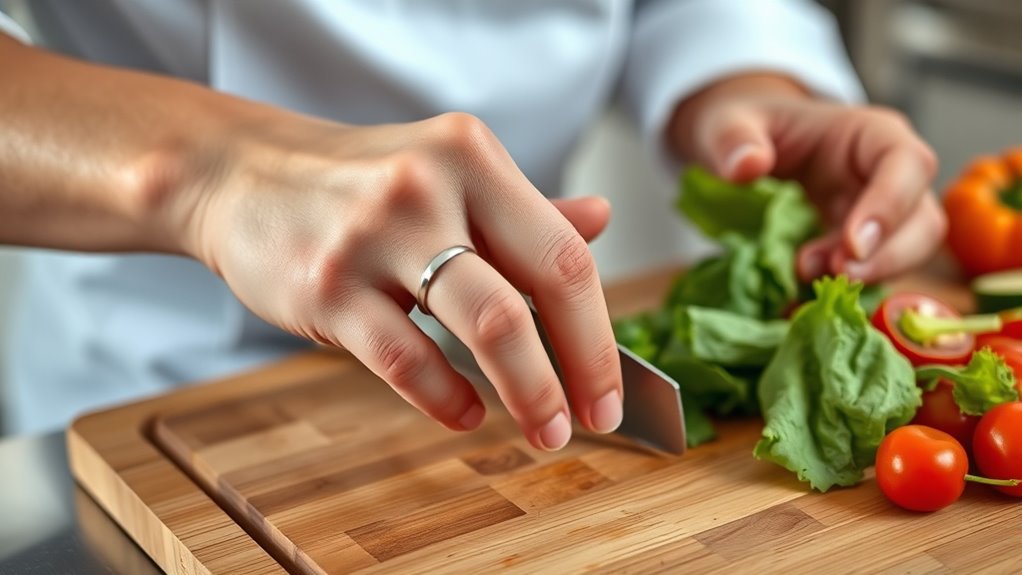
When you handle food, only minimal and simple jewelry is allowed to reduce contamination risks.
You can typically wear a plain wedding band without grooves, stones, or engravings since it doesn’t trap food particles.
Small, unobtrusive stud earrings that sit close to your earlobes may also be permitted, depending on your workplace’s policy.
However, you should avoid wearing medical alert bracelets during food preparation as these can harbor bacteria and are often prohibited.
Necklaces, chains, rings with jagged edges, and other types of jewelry should be removed to maintain hygiene.
Always check your local regulations and workplace guidelines because they might have specific rules.
Sticking to simple pieces like a plain wedding band and discreet stud earrings helps keep your work environment safe and sanitary.
Why Jewelry Poses a Risk During Food Preparation

Because jewelry often has small crevices and intricate designs, it can easily harbor bacteria and pathogens that contaminate food.
When you wear rings or bracelets during food handling, they trap food particles, dirt, and microbes, making thorough handwashing less effective.
This increases the risk of jewelry contamination, which can transfer harmful germs to the food you prepare.
Additionally, loose jewelry like dangling earrings or necklaces poses a physical hazard since they might fall into food, causing contamination or even choking.
Stones or embellishments on jewelry can also detach, creating similar risks.
Impact of Jewelry on Glove Use and Food Safety
When you wear jewelry under gloves, it can cause tears that let bacteria reach your food.
Rings, bracelets, and watches often aren’t fully covered, creating hygiene risks even with gloves on.
To keep food safe, you need to remove jewelry before putting on gloves and follow strict hygiene protocols.
Jewelry Risks With Gloves
Although jewelry might seem harmless, wearing rings or bracelets can easily tear or puncture gloves.
This reduces their effectiveness as a barrier. When gloves get damaged, they no longer protect food from contamination, increasing health risks.
Jewelry on your hands can also harbor bacteria that transfer to gloves, further raising contamination chances.
Additionally, jewelry may catch or pull during glove donning or removal, leading to glove tears or contamination from your skin.
To keep gloves intact and maintain food safety, it’s best to remove all hand and wrist jewelry before putting on gloves.
While earrings or necklaces don’t impact glove integrity, any jewelry on your hands or arms poses a contamination risk.
Glove Integrity and Jewelry
Jewelry on your hands and wrists can seriously compromise glove integrity.
It makes it easier for gloves to tear or puncture during food preparation.
Rings, bracelets, and watches can create small holes or rips in gloves, reducing their barrier protection.
When gloves tear, contaminants from your jewelry can transfer directly to food surfaces, increasing contamination risks.
Wearing gloves over jewelry doesn’t fix the problem; it actually hides tears.
This makes breaches harder to spot.
If jewelry gets caught or embedded in gloves, bits can dislodge into food, causing further contamination.
To keep gloves intact and food safe, remove all jewelry except a plain wedding band before putting on gloves.
This simple step helps maintain glove integrity and reduces contamination risks during food handling.
Hygiene Protocols for Jewelry
Because wearing anything other than a plain wedding band can cause gloves to tear or puncture, you should always remove jewelry before putting on gloves.
Jewelry like rings with stones, bracelets, or watches can harbor bacteria and make it hard to seal gloves properly, compromising food safety.
To maintain proper jewelry hygiene, avoid wearing anything but a plain wedding ring during food preparation.
Removing jewelry ensures gloves form a complete barrier against contaminants.
After taking off your jewelry, change your gloves to prevent cross-contamination.
Following these hygiene protocols helps you uphold food safety standards effectively, reducing the risk of pathogen transfer.
Regulations and Local Guidelines on Jewelry in Food Service
When working in food service, you need to follow specific rules about wearing jewelry to keep food safe.
Jewelry regulations often allow food handlers to wear only a plain wedding band without stones or engravings.
Local health departments may have unique rules, so you should check regional guidelines to know what’s permitted.
Some areas let you wear gloves over your wedding band but usually ban bracelets, necklaces, or rings with grooves that can trap bacteria.
These rules aim to prevent contamination and maintain food safety.
Remember, your employer might enforce stricter policies than local regulations to ensure compliance.
Staying informed about these jewelry regulations helps you protect both yourself and the customers you serve while handling food properly.
Jewelry and Physical Hazards in the Kitchen
Although it might seem harmless, wearing rings, bracelets, or watches while preparing food can introduce physical hazards in the kitchen.
Jewelry can harbor bacteria and dirt, raising the risk of food contamination. Loose or dangling items like earrings or necklaces might fall into food, creating choking hazards and compromising safety.
Additionally, jewelry with stones or intricate designs traps food particles and microbes, making cleaning difficult. During food preparation, jewelry can also tear gloves or damage packaging, leading to unsafe handling conditions.
Foreign objects from jewelry may accidentally end up in the food, posing serious safety risks and potential product recalls.
To minimize physical hazards, it’s best to limit or avoid wearing jewelry when engaged in food preparation tasks.
Managing Medical Alert Jewelry in Food Environments
You need to follow your workplace’s policies on medical alert jewelry to keep food safe and yourself protected.
Choosing safe alternatives, like silicone bands or covered alerts, helps reduce contamination risks.
Always keep your medical alert jewelry clean and secure while preparing food.
Medical Alert Jewelry Policies
Since medical alert jewelry communicates critical health information, food handlers must manage it carefully to maintain safety and hygiene.
Your workplace’s jewelry policies should allow medical alert bracelets or necklaces only if they don’t risk contaminating food.
To comply with food safety standards, verify your medical alert jewelry:
- Is made from non-porous, easily sanitized materials like silicone or stainless steel.
- Is covered with a barrier or removed temporarily if it could fall into food.
- Is regularly cleaned and well-maintained to prevent cross-contamination.
Always inform your supervisor about your medical condition and the presence of your medical alert jewelry.
Following these jewelry policies helps you protect both yourself and the food you handle, maintaining a safe and hygienic environment.
Safe Alternatives for Alerts
When working in food preparation areas, you need to manage medical alert jewelry carefully to prevent contamination risks.
Some alternatives help you stay safe without compromising your health needs.
Instead of traditional jewelry, consider medical alert ID patches or tags attached to your clothing.
These reduce contamination risks and comply with hygiene policies. If you wear medical alert jewelry, clean it regularly and cover it with disposable barriers when near food.
| Alternative Type | Description |
|---|---|
| ID Patch | Adhesive patch worn on clothing |
| Clip-on Tag | Attach to uniform or belt |
| Covered Bracelet | Covered with disposable barrier |
| Necklace with Cover | Plastic sleeve over necklace |
| Regular Cleaning | Frequent sanitizing of jewelry |
These options keep you safe and compliant in food preparation.
Best Practices for Maintaining Jewelry Hygiene
Although jewelry adds personal style, maintaining its hygiene is essential, especially in food preparation.
Proper jewelry hygiene helps reduce contamination risks and supports effective handwashing.
To keep your jewelry clean and safe, follow these best practices:
- Regularly wash jewelry with soap and hot water to eliminate bacteria and dirt buildup.
- Remove jewelry before handling food to avoid contamination and physical hazards.
- Choose non-porous materials like silicone or stainless steel that are easy to sanitize and don’t trap germs.
Strategies to Prevent Jewelry-Related Contamination
To prevent jewelry-related contamination during food preparation, you should remove all rings, bracelets, watches, necklaces, and facial piercings.
Only a plain wedding band without stones is usually permitted if covered by gloves.
You need to sanitize any non-porous jewelry regularly and store all items away from food prep areas.
Following workplace policies helps maintain food safety and prevent contamination effectively.
| Strategy | Purpose |
|---|---|
| Remove all jewelry | Eliminate contamination risk |
| Allow plain wedding band only | Comply with food safety while wearing |
| Sanitize non-porous jewelry | Reduce bacterial buildup |
| Store jewelry separately | Avoid accidental contact with food prep |
| Follow policies and regulations | Ensure consistent hygiene standards |
Frequently Asked Questions
What Jewelry Can You Wear While Making Food?
You can wear a plain wedding band without grooves or stones and small stud earrings if allowed.
Avoid necklaces, bracelets, and watches to prevent contamination.
Choose non-porous, easily sanitized materials like stainless steel or silicone.
Can You Wear Jewelry While Prepping Food?
Imagine you’re prepping tacos and wonder if jewelry’s okay.
You can wear a plain wedding band, but avoid rings, bracelets, or watches since they risk contamination.
Always follow your workplace’s rules to keep food safe.
What Jewellery Is Acceptable When Working With Food?
You can wear a plain wedding band without grooves or stones, and small, plain stud earrings if allowed.
Medical alert bracelets are okay when clean, but avoid necklaces or intricate jewelry that traps bacteria during food prep.
What Are the Servsafe Rules for Jewelry?
You can’t wear a blinged-out ring collection when prepping food.
ServSafe only lets you wear a plain wedding band, no stones or grooves.
Watches, bracelets, and dangly earrings?
Absolutely off-limits to keep food safe.
Conclusion
When you step into the kitchen, think of your jewelry as both a sparkle and a shadow.
While it can shine, it can also hide risks.
By choosing simple, allowed pieces and following safety guidelines, you protect the food and everyone who enjoys it.
Remember, keeping your hands clear of unnecessary adornments helps your gloves do their job.
This turns you into a true guardian of cleanliness and flavor.
Your mindful choices keep the kitchen safe and delicious.
In conclusion, when preparing food, less is more when it comes to jewelry.
Opt for practical and minimalistic pieces that won’t interfere with hygiene or safety.
By being mindful of your jewelry choices, you not only enhance your cooking experience but also ensure a clean and safe environment for everyone.
So, keep it simple and shine responsibly!