What Makes Stainless Steel Jewelry Waterproof?
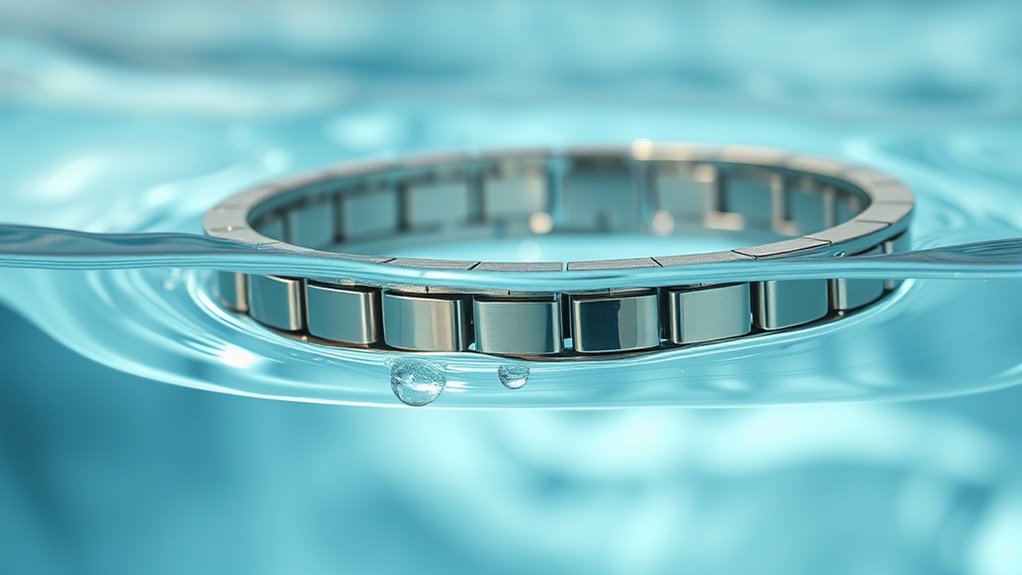
You’ll find stainless steel jewelry to be waterproof due to its impressive high chromium content. This unique element forms a thin, self-healing oxide layer that tightly shields the metal from water and corrosion.
This protective film effectively blocks moisture and chemicals, preventing rust and deterioration.
Additionally, elements like molybdenum and nickel enhance resistance to saltwater and wear, making stainless steel jewelry even more durable.
Durable coatings can further boost this protection, ensuring your jewelry stays looking great for years to come.
If you’re curious about the science behind its waterproof qualities and want to learn how to care for it, keep exploring these details!
Composition and Protective Oxide Layer of Stainless Steel
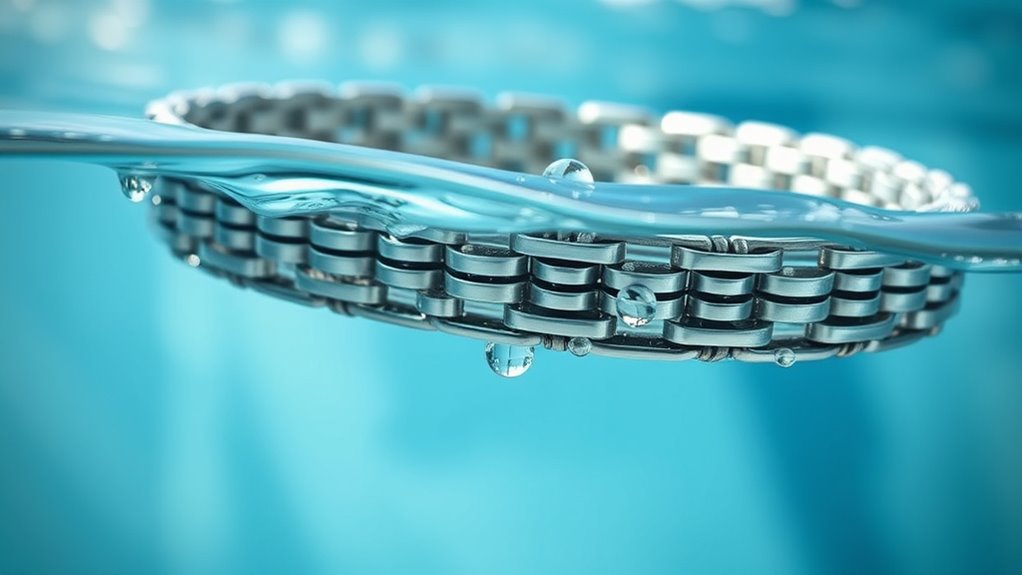
Because stainless steel contains at least 10% chromium, it forms a thin, invisible chromium oxide layer on its surface that protects it from water and corrosion.
This chromium oxide layer acts as a passive barrier, creating a protective film that tightly adheres to the metal surface.
Thanks to its self-healing nature, this oxide layer repairs itself when scratched, maintaining excellent corrosion resistance even under constant water exposure.
The stainless steel composition, including key alloying elements, ensures the oxide layer stability, preventing rust and tarnishing.
This protective film is non-porous, which means water and chemicals can’t penetrate it, keeping the jewelry durable and waterproof.
Understanding this unique composition and oxide layer explains why stainless steel jewelry stays beautiful and resistant in wet conditions.
Role of Alloying Elements in Enhancing Water Resistance
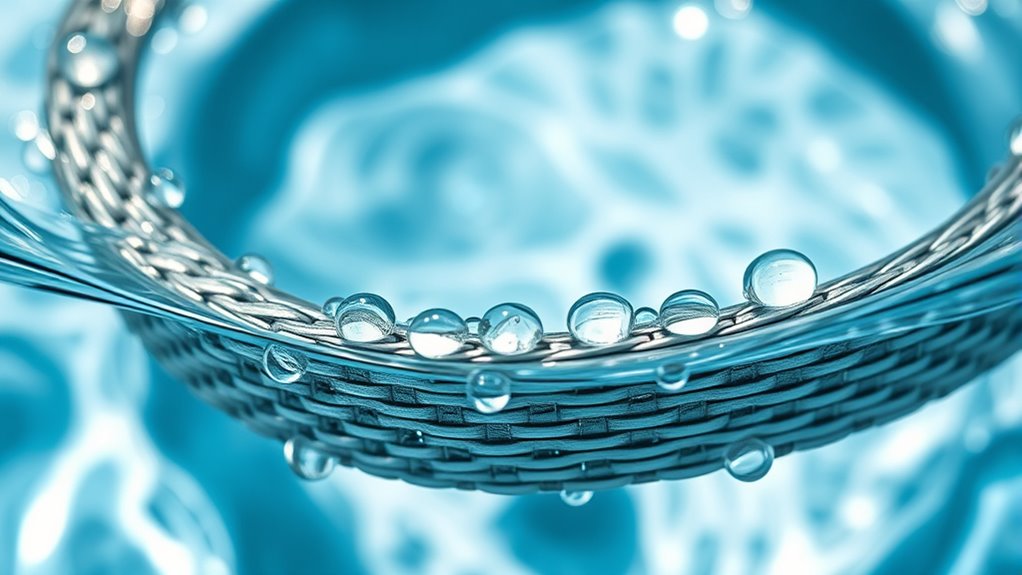
When alloying elements like chromium, molybdenum, and nickel combine in stainless steel, they considerably boost its water resistance.
Chromium forms a thin oxide layer that acts as a protective film against corrosion.
Molybdenum enhances resistance to chlorides and saltwater, improving durability in wet environments.
Nickel contributes to corrosion resistance and maintains the metal’s structural integrity.
Together, these alloying elements create a self-healing protective film that prevents rust and tarnish, making stainless steel jewelry highly water-resistant.
| Alloying Element | Role in Water Resistance | Effect on Durability |
|---|---|---|
| Chromium | Forms oxide layer | Prevents corrosion |
| Molybdenum | Resists chlorides and saltwater | Enhances water durability |
| Nickel | Maintains structure | Improves corrosion resistance |
Impact of Protective Coatings on Durability
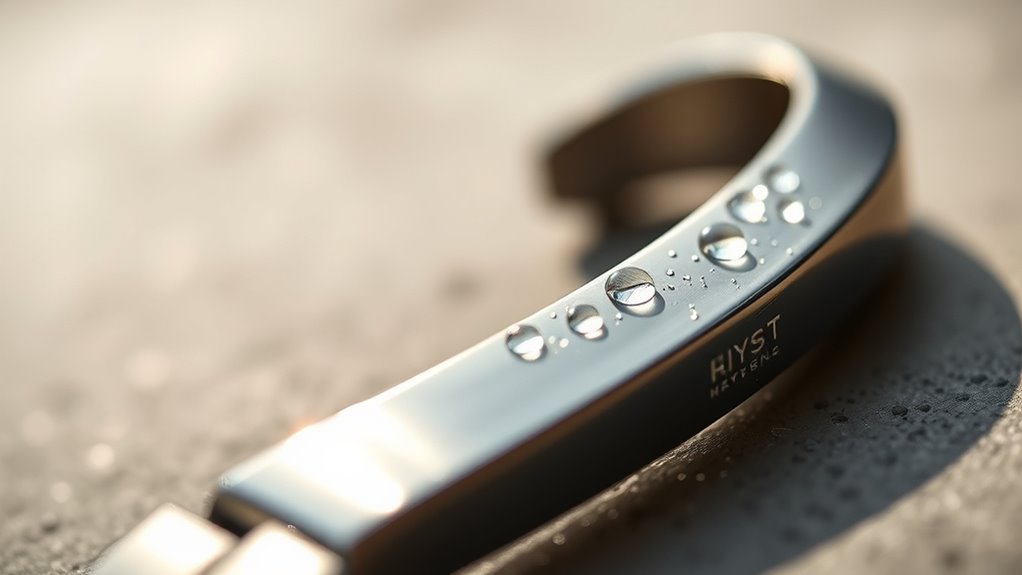
Although stainless steel already resists water well, applying protective coatings like PVD substantially boosts its durability.
These coatings add a strong protective layer that enhances waterproof qualities and corrosion resistance.
By preventing water, oils, and chemicals from reaching the metal’s surface, they maintain your jewelry’s structural integrity even after frequent water exposure.
Nano-coatings further improve surface protection, creating an extra barrier against moisture.
High-quality coatings are much thicker than standard plating, offering longer-lasting defense.
With protective coatings, your stainless steel jewelry stays shiny, vibrant, and durable over time.
Key benefits include:
- Improved waterproof and corrosion resistance
- Enhanced surface protection against scratches and wear
- Maintained structural integrity despite repeated water exposure
Common Corrosion Types and How Stainless Steel Resists Them
Understanding common corrosion types helps you appreciate how stainless steel jewelry maintains its strength and appearance over time.
Pitting corrosion occurs when chloride ions from saltwater create tiny cavities, while crevice corrosion targets confined spots with limited oxygen.
Galvanic corrosion happens if stainless steel contacts other metals with water present.
Thankfully, stainless steel’s high chromium content forms a self-healing oxide layer that acts as a protective barrier, boosting corrosion resistance.
This oxide layer repairs itself when damaged, preventing further decay.
Different stainless steel grades vary in their corrosion resistance, but all rely on this chromium-based layer to combat general, pitting, crevice, and galvanic corrosion.
Best Practices for Maintaining Waterproof Qualities
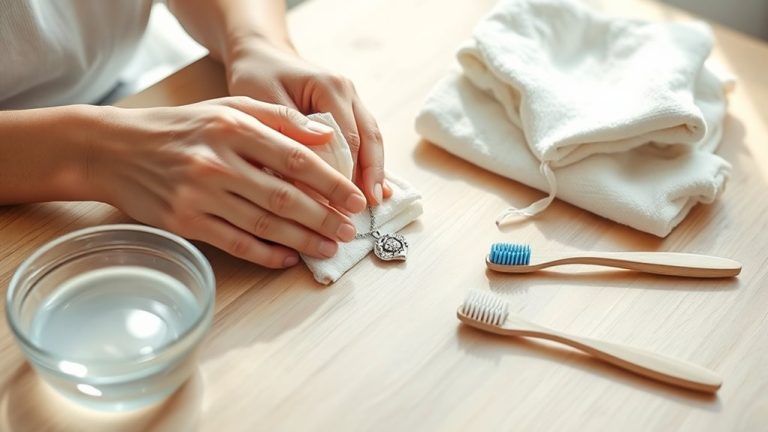
To keep your stainless steel jewelry waterproof and looking its best, rinse it with fresh water after any exposure to saltwater, chlorine, or soap.
Proper rinsing removes residues that can degrade the protective oxide layer, which is essential for chemical resistance and corrosion prevention.
After rinsing, make sure to thoroughly dry your jewelry with a soft cloth. This helps prevent water spots and buildup that might compromise its waterproof qualities.
Regular cleaning with a mild detergent also aids in maintaining this protective layer.
For ideal maintenance, follow these best practices:
- Avoid harsh chemicals like bleach to protect the oxide layer.
- Store jewelry in a dry, cool place to reduce environmental damage.
- Clean and dry jewelry regularly to preserve corrosion resistance.
Frequently Asked Questions
Are Stainless Steel Jewelry Waterproof?
Yes, stainless steel jewelry is waterproof. You can wear it while washing hands or showering without worry.
Just avoid harsh chemicals, and rinse and dry it regularly to keep its protective layer intact and looking great.
How to Stop Stainless Steel Jewelry From Tarnishing?
Like King Midas’ touch, keep your stainless steel jewelry shining by cleaning it regularly with mild soap and water.
Don’t let moisture linger—dry it thoroughly to prevent tarnish and maintain its dazzling, untarnished glow.
What Are the Downsides of Stainless Steel Jewelry?
You’ll find stainless steel jewelry can still tarnish or corrode with constant exposure to saltwater, chlorine, or acids.
Lower-quality pieces wear faster, so you’ll need to clean and dry them regularly to keep them looking great.
It’s important to take care of your jewelry to maintain its shine and durability.
Can I Shower With My Stainless Steel Jewelry?
Yes, you can shower with your stainless steel jewelry.
It resists water and won’t rust easily.
But avoid harsh chemicals.
Just dry it well afterward to keep it looking great and lasting longer.
Conclusion
You might be surprised to learn that stainless steel contains at least 10.5% chromium.
This element forms a thin, invisible oxide layer that makes it waterproof and corrosion-resistant.
This protective shield secures itself when scratched, which helps keep your jewelry looking great even after exposure to water.
By understanding these qualities and following simple care tips, you’ll guarantee your stainless steel pieces stay durable and stylish for years.
Say goodbye to rust or damage!
In conclusion, stainless steel jewelry is a fantastic choice for anyone looking for durability and style.
The unique properties of chromium ensure that your pieces remain waterproof and resistant to corrosion.
With just a little care, you can enjoy your stainless steel jewelry for a long time without worrying about wear and tear.
So, make the smart choice and embrace the beauty of stainless steel!