How to Choose Stainless Steel Jewelry: Is It a Good Option?
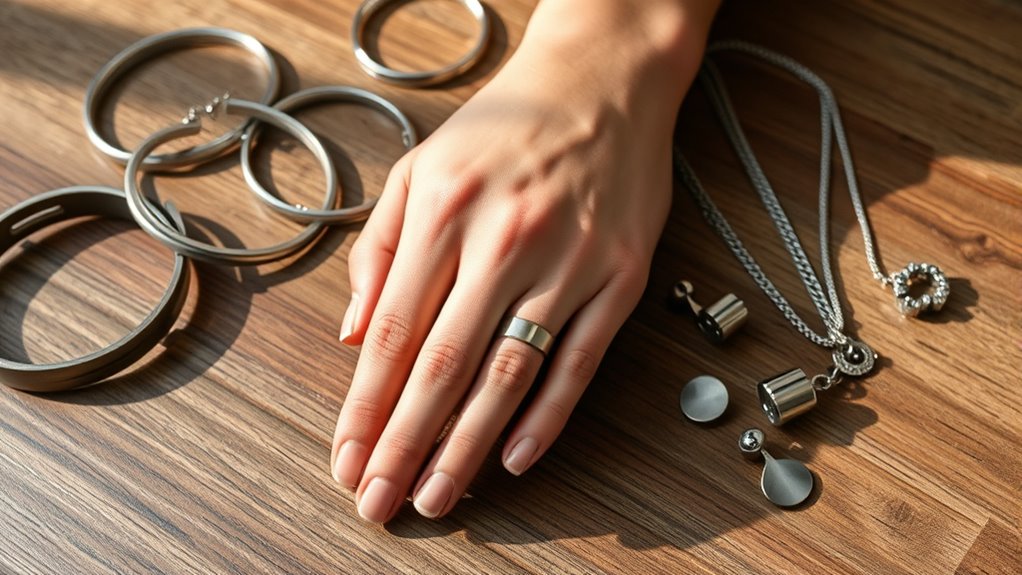
When it comes to choosing stainless steel jewelry, you’re making a wise decision. Stainless steel is not only stylish but also incredibly durable, making it perfect for everyday wear.
Look for high-quality grades like 304 or 316L. These grades resist rust and are hypoallergenic, which is fantastic for anyone with sensitive skin.
One of the best features of stainless steel jewelry is its low-maintenance nature. It holds up well against scratches and corrosion, so you don’t have to worry about constant upkeep.
However, keep in mind that resizing can be tricky, and harsh chemicals can damage the finish.
Want to know how to care for your stainless steel jewelry and style it best? Keep exploring these tips for more insights!
Understanding Stainless Steel Jewelry
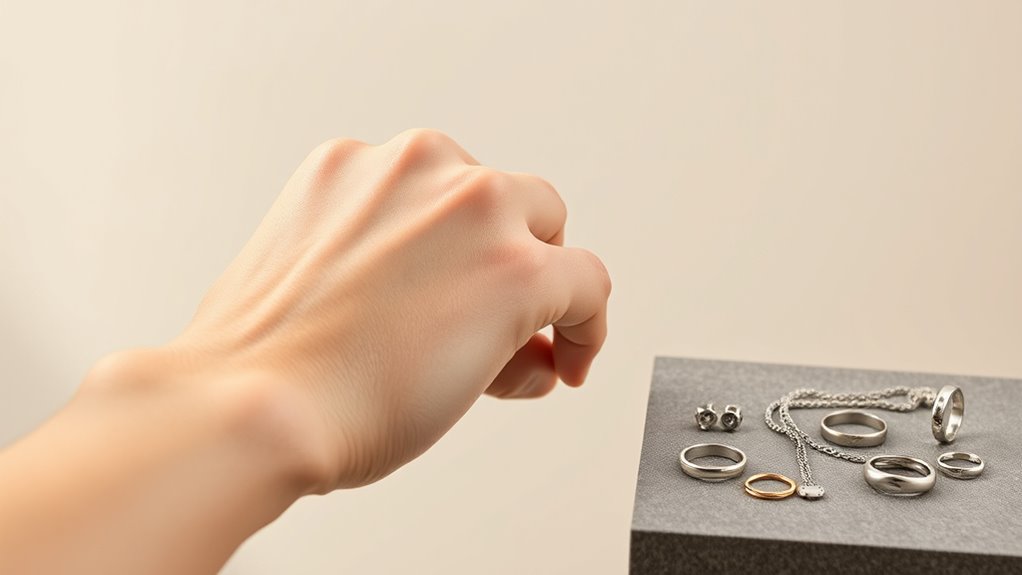
What makes stainless steel jewelry a popular choice?
It’s all about the unique alloys used to craft it.
Stainless steel combines iron, chromium, and sometimes nickel and molybdenum, giving it excellent corrosion resistance.
Stainless steel’s blend of iron, chromium, nickel, and molybdenum delivers outstanding corrosion resistance.
This means you won’t have to worry about rust or tarnish, especially with common grades like 304 and 316L—the latter being surgical-grade and highly durable.
Chromium forms a protective oxide layer on the surface, shielding the metal from damage and keeping your jewelry looking fresh.
Plus, stainless steel is hypoallergenic, so it’s safe for sensitive skin.
Once you understand these essential grades and properties, you’ll appreciate why stainless steel jewelry stands out as a low-maintenance, reliable option for everyday wear.
Benefits of Choosing Stainless Steel
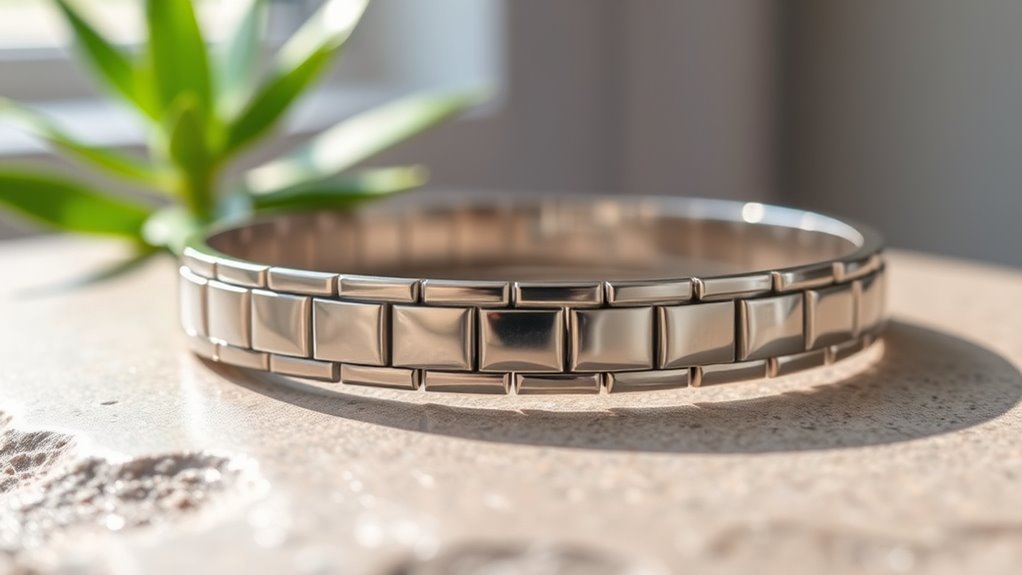
Why should you consider stainless steel for your next jewelry piece?
Stainless steel jewelry offers several benefits that make it an excellent choice for everyday wear.
Here’s why you should pick this durable material:
1. Durability and Low Maintenance:
Stainless steel resists scratches, dents, and corrosion.
This means your jewelry keeps looking new with minimal effort.
2. Hypoallergenic Properties:
It’s safe for sensitive skin and reduces allergic reactions and irritation.
This makes it ideal for anyone concerned about skin sensitivity.
3. Versatile Designs:
Stainless steel’s corrosion-resistant nature allows for a wide range of stylish, versatile designs.
These designs complement any look and withstand water and sweat.
Choosing stainless steel jewelry means investing in pieces that combine longevity, comfort, and fashion.
And you can enjoy all this without the high cost of precious metals!
Potential Drawbacks to Consider
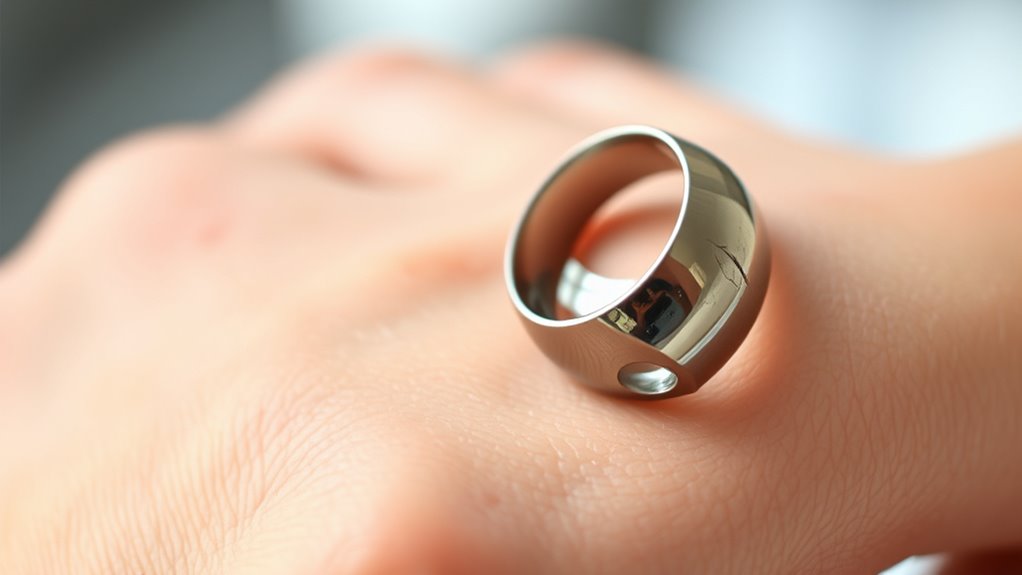
While stainless steel jewelry offers impressive durability and style, it’s important to be aware of some limitations before making your choice.
Despite being resistant to scratches, stainless steel’s hardness makes resizing difficult, limiting your customization options.
If your piece does get scratched or dulled, restoring its original shine often requires professional re-polishing.
Over time, exposure to harsh chemicals like chlorine can cause corrosion or discoloration, especially on coated pieces where PVD gold may fade or peel, revealing the base metal beneath.
Additionally, heavy impacts or abrasive contact can cause damage such as dents or surface imperfections, affecting the jewelry’s appearance.
Knowing these potential drawbacks helps you make an informed decision about whether stainless steel jewelry fits your needs and lifestyle.
How to Maintain Stainless Steel Jewelry
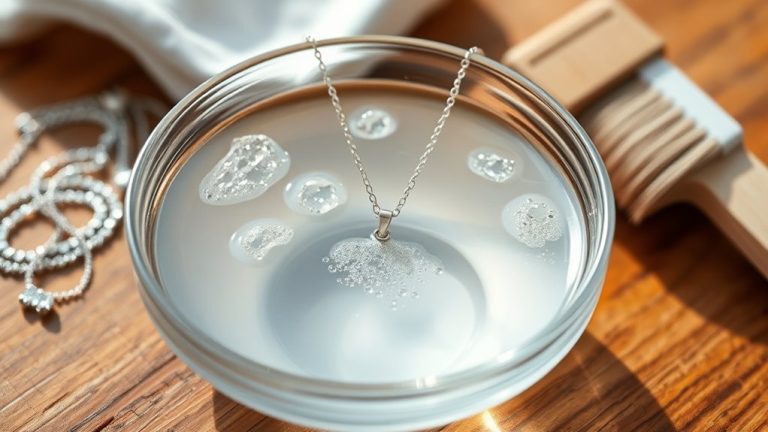
To keep your stainless steel jewelry looking its best, you should clean it regularly with mild soap and water.
Use a soft cloth or brush to remove dirt and oils. Proper maintenance prevents corrosion and tarnish, ensuring your pieces stay shiny and durable.
Follow these tips for delicate care:
- Avoid harsh chemicals like bleach, chlorine, or sulfur baths, which can damage your stainless steel jewelry.
- Store each piece separately in compartments or pouches to prevent scratches and preserve its finish.
- Use a microfiber or polishing cloth to gently buff the jewelry’s surface. For stubborn tarnish, opt for a stainless steel–specific cleaner or professional service.
Taking these simple steps can help your jewelry shine for years to come!
Styling Tips for Stainless Steel Pieces
You can mix stainless steel with gold or silver to create a striking contrast that elevates your look.
Matching the finish and color of your pieces helps keep your style cohesive and polished.
For everyday wear, choose simple designs like hoops or studs that fit seamlessly into any outfit.
Mixing Metals Creatively
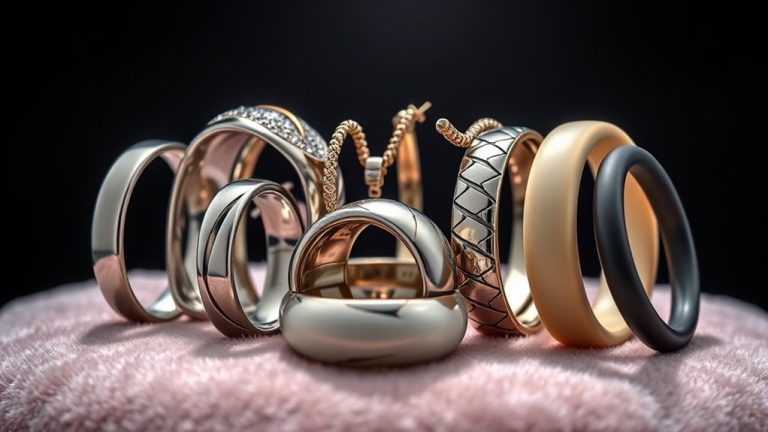
Although mixing metals might seem tricky at first, combining stainless steel with gold, silver, or other metals like rose gold can instantly elevate your style by creating striking contrasts and unique textures.
To master mixing metals with stainless steel, keep these tips in mind:
- Play with contrast by pairing stainless steel’s sleek finish with the warmth of gold or the coolness of silver to highlight each metal’s distinct look.
- Experiment with combinations involving different finishes, such as matte stainless steel alongside glossy pieces, to add visual interest and texture variety.
- Balance metal proportions carefully—too much of one metal can overwhelm your outfit, so aim for a cohesive blend that complements your overall style.
Matching Colors and Finishes
Mixing metals opens up exciting possibilities, but matching colors and finishes within your stainless steel pieces brings harmony to your look.
Focus on matching finishes like matte, brushed, or glossy surfaces to create a cohesive style. Pairing a matte bracelet with a glossy pendant adds visual contrast that elevates your outfit without clashing.
Keep your color tones consistent—whether black, white, or pastel—to maintain balance across your accessories.
If you opt for coated stainless steel, such as gold-plated or black finishes, choose complementary pieces to avoid mismatched colors.
Remember, durable surfaces like matte and brushed finishes hide scratches better, making them practical choices.
Paying attention to surface textures and color tones guarantees your stainless steel jewelry looks polished and coordinated every time.
Styling for Everyday Wear
When styling stainless steel jewelry for everyday wear, its sleek, modern look fits effortlessly with casual, work, or weekend outfits.
Thanks to its resistance to rust, these versatile accessories maintain their shine day after day, making them perfect for daily use.
To nail a minimalist style, try these tips:
- Pair simple stainless steel jewelry designs with neutral or monochrome clothing to highlight their clean, contemporary appeal.
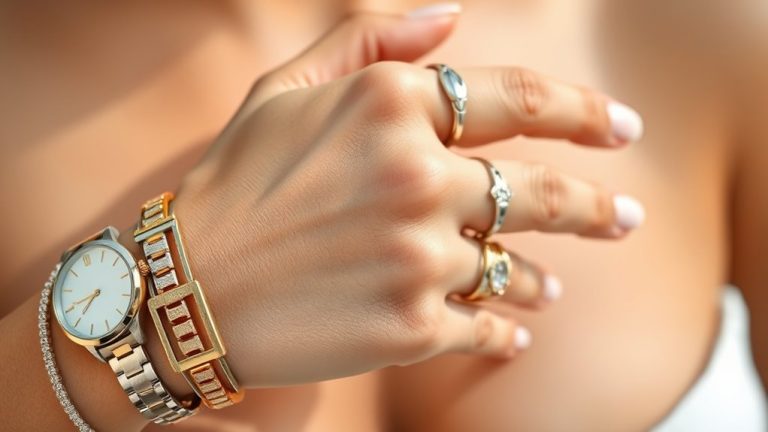
- Layer necklaces or stack bracelets made from stainless steel to create a personalized, trendy look without overwhelming your outfit.
- Mix stainless steel with gold or silver pieces to add contrast and elevate casual styles with subtle sophistication.
These approaches ensure your stainless steel jewelry complements your everyday wear with ease and style.
Selecting the Right Grade of Stainless Steel
Since your skin’s health and comfort matter, choosing the right grade of stainless steel is essential for jewelry.
Among stainless steel grades, 316L stainless steel stands out due to its superior corrosion resistance and hypoallergenic qualities.
316L stainless steel excels with its outstanding corrosion resistance and hypoallergenic properties, ideal for sensitive skin.
The “L” signifies low carbon content, which helps prevent rust and makes it ideal for body jewelry worn daily.
If you have sensitive skin or metal allergies, opting for 316L reduces the risk of irritation.
While 304 stainless steel is more affordable and durable, its higher nickel content can trigger sensitivities.
For jewelry exposed to moisture, like ocean-themed pieces, 316L stainless steel offers lasting durability without compromising safety.
Frequently Asked Questions
How to Tell if Stainless Steel Jewelry Is Good Quality?
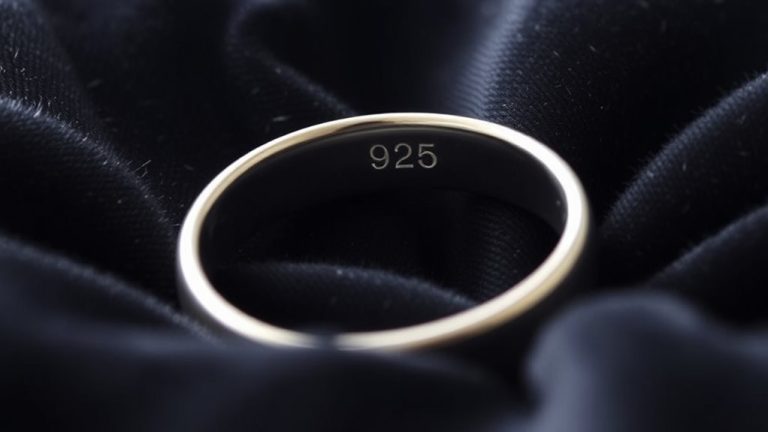
You can tell stainless steel jewelry is good quality if it’s made from 316L or 304 stainless steel.
It should feel smooth, show no discoloration or scratches, and come from reputable brands that specify the steel grade used.
Which Grade of Stainless Steel Is Best for Jewelry?
You’ll want 316L stainless steel—the top grade used in 90% of quality jewelry.
It resists corrosion, is hypoallergenic, and keeps its shine longer.
Choosing 316L means durable, safe, and stylish jewelry you’ll love wearing.
What Are the Disadvantages of Stainless Steel Jewelry?
You’ll find stainless steel jewelry hard to resize and tough to restore if scratched.
Harsh chemicals can cause damage, and coatings may fade or chip over time.
This can affect its look but not its durability.
Is 304 or 316 Stainless Steel Better for Jewelry?
You’d love 304 if you enjoy random allergic flair.
But 316’s the superhero stainless steel—it resists saltwater, sweat, and skin drama.
Conclusion
Choosing stainless steel jewelry means embracing pieces that gleam like polished silver yet stand strong against time and wear.
Imagine slipping on a sleek bracelet that won’t tarnish or fade, reflecting your style with effortless shine.
While it’s tough and low-maintenance, be mindful of the grade you pick to guarantee lasting beauty.
With a little care, your stainless steel jewelry will become a reliable, radiant part of your everyday look.
In conclusion, stainless steel jewelry is an excellent option for those seeking durability and style. It offers the elegance of silver without the worry of tarnishing.
By choosing high-quality stainless steel, you can ensure your pieces will last, making them a fantastic addition to your collection.
So go ahead, embrace the shine and strength of stainless steel—your wardrobe will thank you!