
Can Nurses Wear Jewelry Safely?
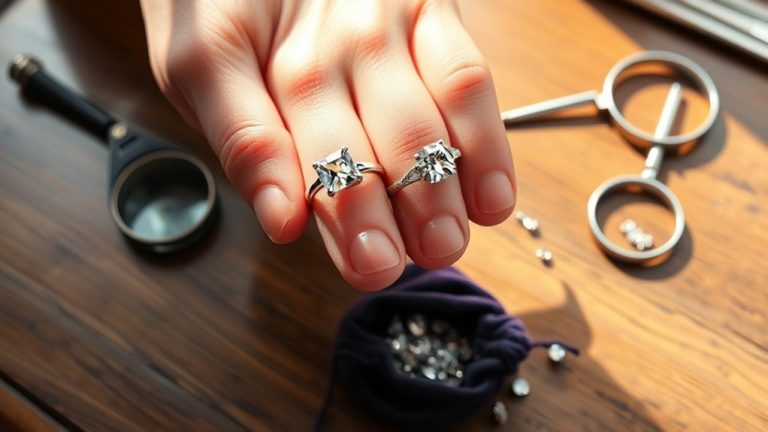
You can wear jewelry safely as a nurse by choosing simple, small pieces like plain wedding bands or stud earrings that won’t interfere with your work.
Avoid watches, bracelets, dangling earrings, and jewelry with stones because they can trap bacteria and hinder proper hand hygiene, raising infection risks.
It’s crucial to always follow your facility’s guidelines and keep your jewelry clean to protect patients and yourself.
By doing so, you can balance personal style with professional safety without compromising your responsibilities as a healthcare provider.
Let’s explore how to express your individuality while still adhering to the standards of your profession!
Understanding Healthcare Facility Jewelry Policies

Because healthcare facilities prioritize infection control and safety, they set specific rules about wearing jewelry.
You’ll find these jewelry policies clearly outlined in employee handbooks, orientation materials, or departmental guidelines, helping you understand what’s allowed.
Restrictions often vary by unit—operating rooms, emergency departments, and pediatric wards usually enforce stricter rules.
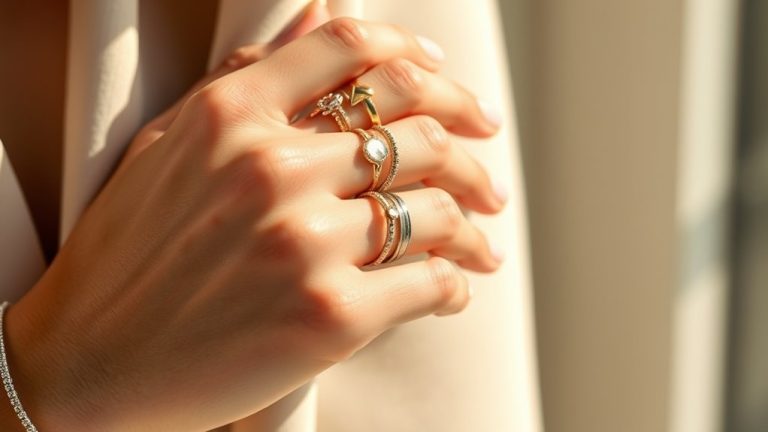
For instance, you might be prohibited from wearing dangling earrings, multiple rings, bracelets, or necklaces that could cause entanglement or contaminate surfaces.
Following these policies supports infection control and hand hygiene by reducing places where germs can hide.
If you’re ever unsure about the rules, don’t hesitate to ask your nurse manager or HR.
Staying compliant with jewelry policies promotes workplace safety for both you and your patients.
Patient Safety and Infection Control Concerns

You need to be aware that jewelry, especially rings, can trap bacteria and increase infection risks for patients.
Wearing rings can make it harder to clean your hands thoroughly, leaving harmful microbes behind.
Removing jewelry helps you maintain proper hygiene and protect patient safety.
Infection Risks From Jewelry
How does wearing jewelry affect infection control in healthcare settings?
Jewelry, especially rings and bracelets, can harbor bacteria that resist removal during hand hygiene.
As a healthcare worker, you increase infection risk by wearing jewelry because it fosters cross-contamination between you and patients.
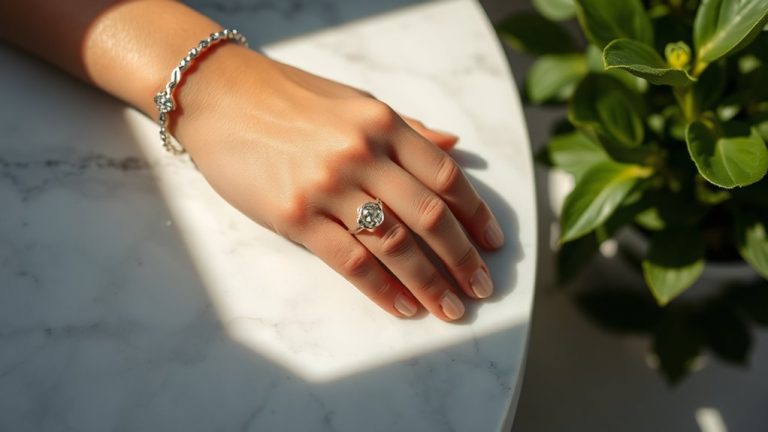
Rings with stones or crevices are particularly problematic since they trap microbes, making thorough cleaning difficult.
Wearing jewelry also impedes proper handwashing, reducing its effectiveness in eliminating harmful pathogens.
Studies show healthcare workers who wear jewelry carry higher microbial loads on their hands, directly raising the chance of healthcare-associated infections.
Hygiene Challenges With Rings
| Factor | With Rings | Without Rings |
|---|---|---|
| Hand Hygiene Effectiveness | Reduced due to trapped bacteria. | Improved; easier to clean. |
| Bacteria Persistence | High in crevices and under band. | Low; skin exposed. |
| Infection Risk | Increased. | Lower. |
| Cross-contamination | More likely. | Less likely. |
To protect patients, you should avoid rings during clinical care.
Focus on thorough hand hygiene for the best outcomes.
Types of Jewelry Permitted in Clinical Settings

You should stick to small, plain stud earrings and simple wedding bands that won’t get in the way or harbor germs.
Medical alert jewelry and clean, easy-to-read watches are usually safe choices, too.
Avoid dangling or multiple pieces that can create safety risks or interfere with hygiene.
Acceptable Jewelry Types
Although jewelry adds a personal touch to your uniform, you’ll need to stick to certain types that guarantee safety and hygiene in clinical settings.
Small, plain wedding bands without stones are usually allowed, letting you wear a meaningful piece without compromising safety.
Stud earrings that lie flat against your earlobes and stay small in size are also acceptable, ensuring they don’t interfere with your work or hygiene protocols.
Medical alert jewelry is another essential item you can wear, as it’s crucial for your and your patients’ safety.
Minimal wristwatches with a second hand are typically permitted, provided you keep them clean.
Jewelry Restrictions Overview
When working in clinical settings, it’s important to choose jewelry that minimizes risks and supports hygiene protocols.
You can safely wear a small, plain wedding band made of metal without stones, as it won’t interfere with hand washing or compromise safety.
Stud earrings that sit flush against your earlobes are usually acceptable, but avoid dangling or hoop earrings to prevent accidents.
Necklaces and long chains are generally prohibited since they can get tangled or disrupt patient care.
Watches with secure straps and minimal decoration may be allowed, but large or dangling watches are discouraged.
Jewelry with stones, intricate designs, or loose parts should be avoided because they hinder thorough hand washing and increase contamination risks.
Following these guidelines keeps you safe while wearing jewelry in clinical settings.
Jewelry Items to Avoid for Nurses
Since safety and hygiene are top priorities in healthcare, nurses should avoid wearing certain types of jewelry that pose risks.
Dangling earrings can easily get caught on equipment or patients, creating safety hazards.
Rings with stones or intricate designs trap bacteria, making proper jewelry hygiene difficult and increasing infection risk.
Facial piercings like nose or eyebrow rings are usually discouraged or must be covered, as they can interfere with sterile procedures.
Additionally, avoid long necklaces and porous materials that can’t be sanitized effectively.
Jewelry Guidelines for Different Nursing Specialties
Because nursing specialties vary greatly, jewelry guidelines also differ to meet specific safety and hygiene needs.
Jewelry rules in nursing adapt to the unique safety and hygiene demands of each specialty.
When it comes to nurses wearing jewelry, you’ll notice stricter rules in operating rooms and sterile areas. Here, all jewelry, including rings and watches, is banned to avoid contamination.
In pediatric nursing, it’s important to avoid dangling earrings or necklaces. Safety concerns like injury or choking are key considerations.
Mental health units often prohibit any jewelry to prevent risks of self-harm or manipulation.
Meanwhile, home health settings offer more flexibility. However, you still need to remove jewelry that might interfere with hygiene or safety.
Across specialties, minimal types of jewelry—such as small studs or plain wedding bands—are generally accepted. This helps maintain safety and professionalism in the workplace.
Best Practices for Jewelry Hygiene and Maintenance
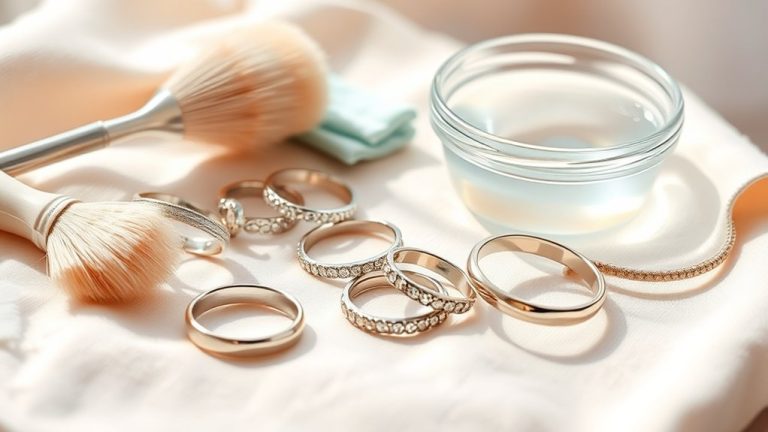
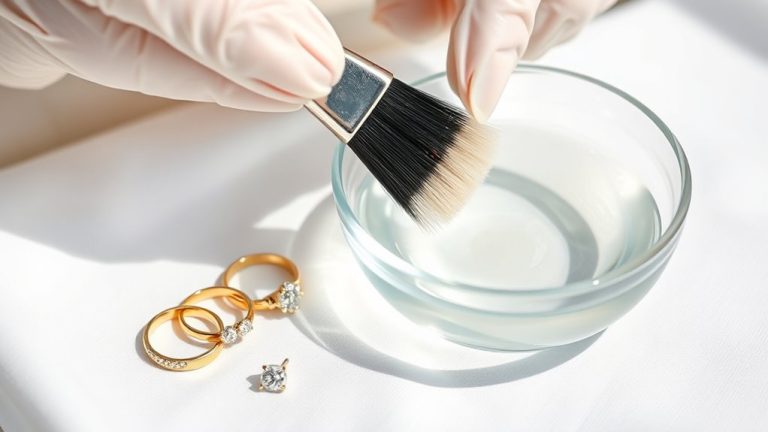
To keep your jewelry safe and hygienic, clean it regularly with a jewelry-safe disinfectant.
Make sure to pay close attention to small crevices like ring settings and clasps, where bacteria tend to hide.
Practicing proper jewelry hygiene helps prevent bacterial buildup.
This supports overall infection control in your workplace.
Always remember to remove jewelry before patient contact and hand hygiene procedures.
This avoids trapping germs and compromising infection control.
Minimize touching your jewelry during work to reduce germ transfer from your hands to the jewelry surface.
When not in use, store your pieces in individual pouches or boxes.
This helps prevent scratches and contamination.
Balancing Personal Expression With Professional Standards
While you want to express your personal style through jewelry, it’s important to follow professional standards that prioritize patient safety and hygiene.
Nurses typically wear small stud earrings and simple wedding bands. These choices won’t interfere with care or increase infection risks.
On the other hand, dangling or ornate pieces often violate professional standards and facility policies.
To maintain a balance between personal style and patient safety, it’s best to remove rings, watches, and bracelets during procedures.
Educating yourself on these guidelines helps you maintain a professional appearance without compromising hygiene.
| Jewelry Type | Allowed for Nurses Wear Jewelry | Impact on Patient Safety |
|---|---|---|
| Small Stud Earrings | Yes | Low infection risk |
| Wedding Bands | Yes | Minimal interference |
| Watches | No | Harbors bacteria, hinders hygiene |
| Bracelets | No | Increases contamination risk |
| Dangling Earrings | No | Risk of injury and infection |
Frequently Asked Questions
Can You Wear Jewelry as a Nurse?
You can wear jewelry as a nurse, but keep it minimal and smooth, like wedding bands or stud earrings.
Avoid dangling pieces, and follow your facility’s rules to maintain hygiene and patient safety effectively.
It’s really important to prioritize safety in a healthcare environment.
What Things Disqualify You From Being a Nurse?
If your past casts a shadow—like felonies, dishonesty, or substance abuse—you’ll likely hit a wall.
Plus, without education, licensure, or clean background checks, your nursing dreams might slip through your fingers before they start.
What Not to Wear as a Nurse?
You shouldn’t wear dangling earrings, multiple rings, long necklaces, facial piercings, or watches.
These items can harbor germs, cause contamination, or pose safety risks while you care for patients.
Also, it’s best to avoid bracelets or jewelry made of porous materials.
Keeping your attire simple and hygienic is key to providing safe patient care.
What Jewelry Is Acceptable in the Healthcare Setting?
You can wear plain wedding bands, small smooth stud earrings, and essential medical alert jewelry.
Avoid dangling pieces or rings with stones.
This helps keep your hands clean and patients safe while following facility rules.
Conclusion
When it comes to wearing jewelry as a nurse, you’ve got to walk a fine line between personal style and professional responsibility.
By following your facility’s policies and prioritizing patient safety, you can avoid putting your foot in your mouth.
Stick to simple, clean pieces and steer clear of anything that risks infection or injury.
That way, you’ll shine without compromising the care you provide or your workplace standards.
In conclusion, nurses can absolutely wear jewelry, but it’s crucial to keep it minimal and professional.
Always check your facility’s guidelines and focus on pieces that won’t pose any risk to patients or yourself.
By doing this, you can express your personal style while ensuring a safe and hygienic environment in your workplace.
Remember, simplicity is key to balancing your look with your responsibilities as a healthcare professional.