What Is Costume Jewelry and How Does It Differ?
Costume jewelry is a fantastic way to express your personal style without breaking the bank. Made from base metals and synthetic stones, it’s an affordable alternative to fine jewelry, which is crafted from precious metals and genuine gems.
Typically, costume jewelry is mass-produced and tends to be less durable. It’s often influenced by current fashion trends, making it perfect for casual or fun occasions.
On the other hand, fine jewelry is known for its superior craftsmanship and lasting value. It’s generally suited for formal events or can be cherished as heirlooms.
To distinguish between the two, you can look for hallmarks, assess the weight, and evaluate the quality of the stones used.
Keep exploring to learn more about how to tell them apart and properly care for your cherished pieces!
Defining Costume Jewelry

What exactly makes costume jewelry different from fine jewelry?
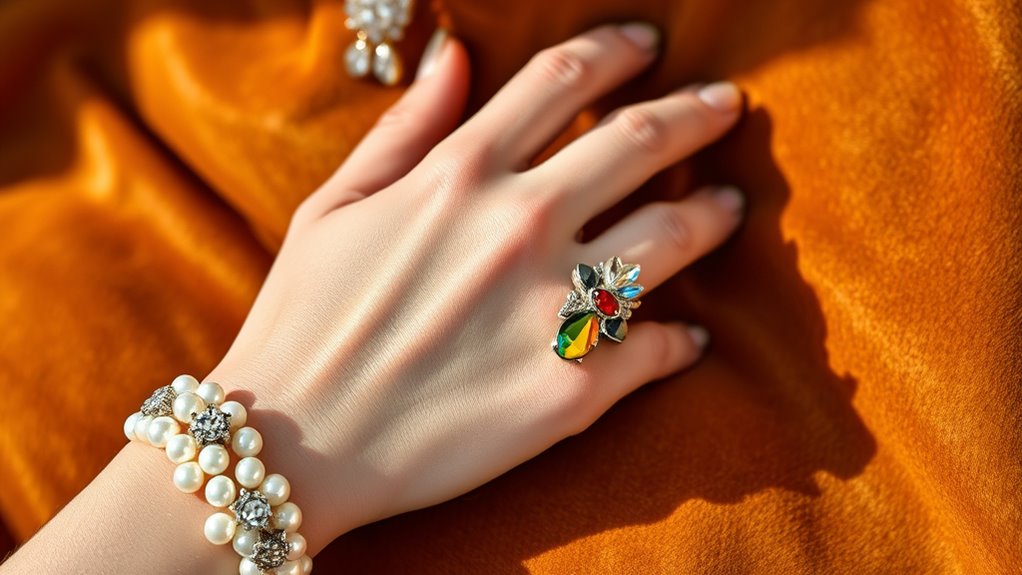
When you wear costume jewelry, also known as fashion jewelry, you’re embracing pieces made from inexpensive materials like brass, glass, plastic, or synthetic stones.
These materials allow costume jewelry to imitate the look of fine jewelry without the hefty price tag.
Costume jewelry captures the elegance of fine pieces without the expensive cost.
The main focus here is on design and style—costume jewelry is created to keep up with trends and express personal flair rather than to hold long-term value.
Originating in the early 20th century, costume jewelry reflects popular art movements such as Art Deco and Hollywood glamour.
Characteristics of Fine Jewelry

When you choose fine jewelry, you’re getting pieces made from precious metals like gold or platinum that last for years.
You’ll notice genuine gemstones that are carefully selected for their quality and brilliance.
Plus, the craftsmanship is detailed and precise, making each piece truly special.
Precious Metals Used
Precious metals like gold, platinum, and sterling silver form the foundation of fine jewelry.
They offer durability and resistance to tarnishing that you’ll appreciate in pieces meant to last.
Unlike base metals used in costume jewelry, these precious metals maintain their value and appearance over time.
Gold is often alloyed with other metals to enhance strength and color.
It’s measured in karats like 14K or 18K to indicate metal content purity.
Sterling silver, another popular choice, combines silver with a small amount of other metals to boost durability.
Fine jewelry avoids toxic or allergenic materials such as nickel, ensuring safe, comfortable wear.
Hallmarking certifies the metal content and quality, giving you confidence in the authenticity and long-term worth of your investment.
Gemstone Quality and Craftsmanship
Although fine jewelry relies on high-quality metals, its true value shines through in the gemstones and craftsmanship.
When you compare it to costume jewelry, you’ll notice fine jewelry features genuine gemstones that are carefully cut, polished, and graded for clarity, color, and carat weight.
This attention to gemstone quality guarantees each stone’s unique beauty, unlike imitation stones often found in costume pieces.
The craftsmanship involves precise setting and detailed handwork, resulting in durable, long-lasting jewelry that resists wear and tear.
Fine jewelry also bears hallmark stamps verifying precious metals, adding authenticity.
In contrast, costume jewelry tends to use less durable materials and mass-produced designs, which may not withstand daily use.
Understanding these differences helps you appreciate the true value and longevity of fine jewelry.
Materials Used in Costume Jewelry vs. Fine Jewelry

Since you want jewelry that looks stunning without a hefty price tag, costume jewelry uses base metals like brass, copper, or aluminum.
These are often coated with gold or silver tones, giving you the look of luxury, but they may tarnish or wear off over time.
In contrast, fine jewelry is crafted from precious metals such as solid gold, sterling silver, or platinum.
These metals are more durable and resist corrosion, making them a better investment for long-term wear.
Costume pieces typically feature synthetic stones like cubic zirconia or glass, while fine jewelry showcases genuine gemstones like diamonds or sapphires.
Also, fine jewelry tends to be hypoallergenic and ethically sourced.
On the other hand, some costume jewelry may contain toxic metals like lead or nickel, which can be a concern for sensitive skin.
Understanding these material differences helps you choose jewelry that fits your style and needs.
Craftsmanship and Quality Differences
When you examine fine jewelry closely, you’ll notice the meticulous craftsmanship that sets it apart from costume pieces.
Fine jewelry is handcrafted with high precision, using solid precious metals and natural gemstones, which enhances both its quality and durability.
The finishing on fine pieces is intricate, with smooth polishing and precise stone setting, reflecting careful manufacturing standards.
In contrast, costume jewelry is mass-produced, often stamped or molded, using lower-quality materials and less attention to detail.
You might see visible seams or rough edges in costume pieces, indicating a less refined finishing process.
Over time, fine jewelry resists tarnishing and damage due to superior craftsmanship, while costume jewelry tends to wear and deteriorate more quickly.
This highlights the clear differences in quality and durability.
Price and Affordability Comparison
When you’re shopping on a budget, costume jewelry offers stylish options at a fraction of the cost of fine jewelry.
Most pieces range between $10 and $50, making it easy to update your look without overspending.
You can enjoy trendy accessories without worrying about a big investment.
Cost Differences
How much you spend on jewelry depends largely on whether you choose costume or fine pieces.
Costume jewelry offers an affordable option, with prices typically ranging from $5 to $30. This is thanks to the use of inexpensive materials like plastic, base metals, and synthetic stones.
In contrast, fine jewelry uses precious metals and gemstones, which can drive its price into the hundreds or even thousands.
Because of this cost difference, costume jewelry allows you to experiment with styles frequently without worrying about a significant financial commitment.
While fine jewelry represents luxury and a long-term quality investment, costume jewelry provides accessible, budget-friendly options for everyday wear.
Understanding these cost differences helps you decide what fits your style and wallet best, balancing price with quality and occasion.
Budget-Friendly Options
Countless shoppers turn to costume jewelry because it offers stylish pieces at a fraction of the cost of fine jewelry.
Thanks to affordable base metals and synthetic stones, you can explore a variety of stylish options without making a significant financial investment.
This accessibility allows you to experiment with trends and diversify your collection easily.
Here’s a quick comparison to help you understand the budget-friendly nature of costume jewelry:
| Jewelry Type | Price Range | Key Materials |
|---|---|---|
| Costume Jewelry | $10 – $50 | Base metals, synthetic stones |
| Fine Jewelry | $100+ | Precious metals, genuine gemstones |
| Styling Flexibility | High | Limited by cost |
Choosing costume jewelry means you can enjoy more versatile styling without breaking the bank.
Durability and Lifespan Considerations
Although costume jewelry offers stylish and affordable options, you should be aware that its durability and lifespan are limited compared to fine jewelry.
Costume pieces are usually made from inexpensive materials like plated metals and synthetic stones, which tend to tarnish or wear out over time.
Costume jewelry often uses plated metals and synthetic stones that can tarnish or deteriorate with time.
The base metals and plastics used are more prone to chipping, fading, or breaking, reducing their longevity.
While proper care—such as storing items separately and avoiding moisture—can help extend their lifespan, it doesn’t guarantee long-term durability.
Generally, costume jewelry is designed for short-term fashion rather than lasting heirlooms.
Appropriate Occasions for Each Jewelry Type
When choosing jewelry for different occasions, you’ll find that costume and fine jewelry each serve distinct purposes.
Costume jewelry shines as versatile jewelry perfect for casual wear and fashion styling that keeps your look fresh without breaking the bank.
Fine jewelry, on the other hand, carries investment value and suits formal occasions and significant milestones.
Consider these occasions for each type:
- Casual outings and everyday wear favor costume jewelry.
- Parties and themed events call for playful, trendy costume pieces.
- Weddings, anniversaries, and formal occasions demand fine jewelry elegance.
- Heirloom gifts and sentimental moments often involve fine jewelry.
Mixing both types can enhance your style, balancing fun with sophistication.
Use each wisely to match your mood and occasion perfectly.
How to Identify Costume Jewelry and Fine Jewelry
How can you tell costume jewelry apart from fine jewelry at a glance?
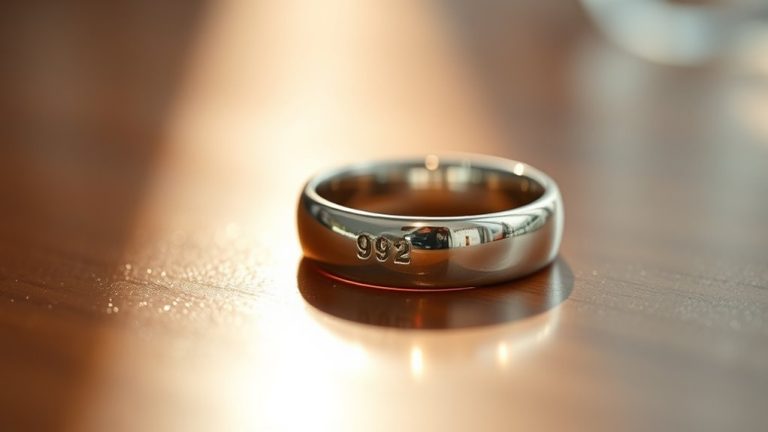
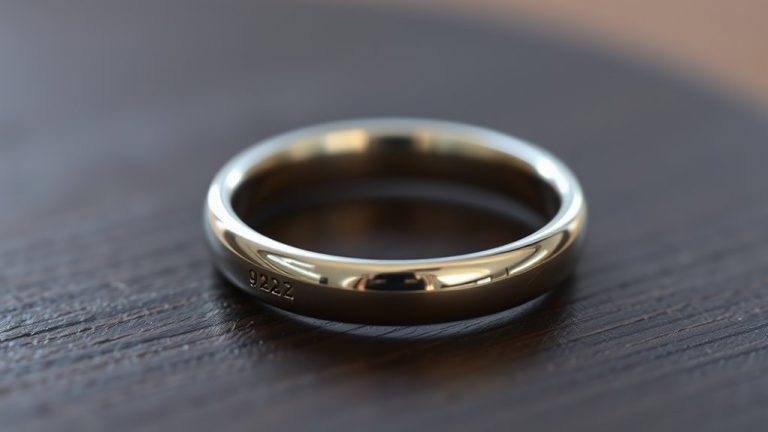
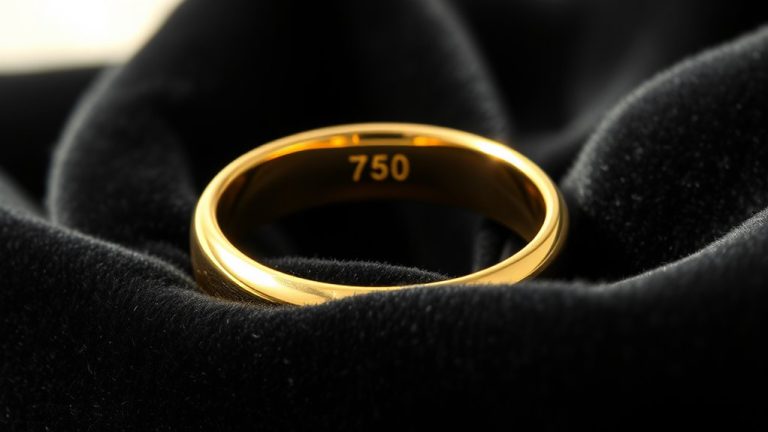
Start by checking for hallmarks or stamps like 14K or 925, which indicate precious metals in fine jewelry.
Costume jewelry often lacks these marks and is made from inexpensive metals such as brass.
Next, examine the stones.
Fine jewelry uses genuine gemstones with distinct weight and brilliance, while costume pieces typically feature glass stones that look less vibrant.
Also, pay attention to craftsmanship.
Fine jewelry boasts smooth finishes and securely set stones, whereas costume jewelry may show visible glue or poorly set stones.
If you’re unsure, using a jeweler’s loupe or testing the metal with a magnet can help.
These steps will guide you in distinguishing fine jewelry from costume pieces quickly and confidently.
Tips for Caring for Costume Jewelry
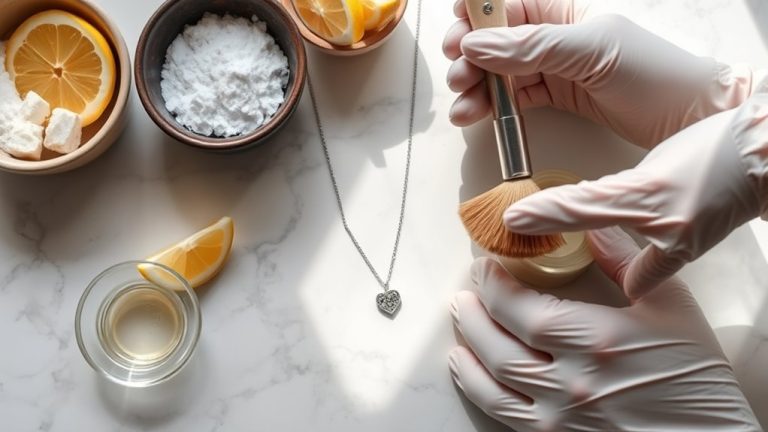
To keep your costume jewelry looking its best, store each piece separately in soft pouches or jewelry boxes. This helps prevent scratches and tangles.
Proper care avoids tarnishing and preserves your jewelry’s appearance. Here’s how to care for your costume jewelry effectively:
- Wipe gently with a soft cloth after use to remove oils and dirt.
- Keep jewelry away from moisture, perfumes, and harsh chemicals.
- Avoid using water or cleaning agents that can fade colors or corrode metals.
- Inspect regularly for loose stones and get them repaired promptly.
- Store pieces individually in jewelry boxes or soft pouches to prevent damage.
Taking these simple steps will help your costume jewelry last longer and look fabulous!
Frequently Asked Questions
How Do You Tell if Something Is Costume Jewelry?
You can tell costume jewelry by checking for lack of hallmarks.
Feeling lightweight metals is another good indicator.
Spotting synthetic stones can also help you distinguish it.
Plus, testing with a magnet is a useful trick.
Look for plating scratches and discoloration.
These usually indicate it’s not fine jewelry.
What Qualifies as Costume Jewelry?
You qualify costume jewelry by its use of inexpensive materials like base metals or plastic,
imitation stones, and lack of precious metal stamps.
It’s made for fashion, not investment,
often mass-produced and less durable than fine jewelry.
Does a Magnet Stick to Costume Jewelry?
Like a secret test from a magician, a magnet might stick to costume jewelry if it contains magnetic metals like iron or steel.
But don’t be fooled—some use non-magnetic materials, so it won’t always cling.
What Is Costume Jewelry Called Now?
Costume jewelry is now called fashion jewelry.
You’ll find it emphasizes trendy, stylish designs over imitation.
It’s affordable, versatile, and perfect for everyday wear, making it a popular choice for expressing your unique style.
Conclusion
Now that you know costume jewelry sparkles with playful charm rather than precious gems, you can spot the difference with ease.
Imagine slipping on a vibrant necklace that brightens your outfit without weighing you down or breaking the bank.
Whether you’re dressing up for a casual brunch or a dazzling night out, your jewelry choice tells a story—lighthearted and affordable or timeless and refined.
Caring for each piece is essential, and it allows your unique style to shine through every occasion.
In conclusion, costume jewelry is a fantastic way to express yourself without the hefty price tag of fine jewelry.
Embrace its charm, and let your creativity flow as you mix and match pieces that resonate with your personality.
Remember, it’s all about having fun and adding that extra sparkle to your look!