Does Gold Plated Jewelry Tarnish and How to Keep It Shiny
Gold-plated jewelry is a popular choice for those who love the look of gold without the hefty price tag. However, many people wonder: does gold-plated jewelry tarnish? The answer is yes, it does tarnish over time. This happens because the thin layer of gold can wear off, revealing the base metal beneath.
To keep your gold-plated jewelry shiny and looking its best, there are some simple care tips you can follow.
First, always remove your jewelry before swimming or applying lotions.
Cleaning is also important—gently wipe your pieces with a soft cloth to maintain their shine.
When storing your jewelry, keep it in a dry, airtight container and away from chemicals.
Avoid using harsh cleaning products, as these can damage the delicate gold layer.
If you’re looking for more ways to extend the lifespan of your jewelry or want to know when to consider replating, keep exploring these smart care methods.
What Is Gold-Plated Jewelry?

Although gold-plated jewelry isn’t solid gold, it features a thin layer of gold applied over a base metal like brass, copper, or stainless steel.
Gold-plated jewelry combines a thin gold layer with a base metal like brass or copper for an elegant look.
This thin layer of gold is usually added through electroplating, which gives the piece a smooth, shiny finish that mimics real gold.
The thickness of this gold layer impacts the durability of the jewelry—you’ll find it typically ranges from 0.5 to 2.5 microns.
While gold-plated jewelry offers an affordable way to enjoy the look of gold, it requires proper care to maintain its shine and prevent tarnishing.
Since the gold layer is delicate, neglecting care can cause it to wear off, exposing the base metal underneath.
Understanding these basics helps you appreciate gold-plated pieces and keep them looking their best.
Why Does Gold-Plated Jewelry Tarnish?

Since gold-plated jewelry has only a thin layer of gold, it can wear away over time, exposing the base metal underneath.
When this happens, the base metal reacts with moisture, air, and environmental pollutants. This reaction causes your jewelry to tarnish and show discoloration.
Factors like sweat, perfumes, lotions, and chemicals speed up the breakdown of the gold layer. This makes wear more noticeable.
The thinner the gold plating, the quicker it wears off, revealing the less attractive base metal.
Daily handling and friction also contribute to the gradual thinning of the gold layer.
Ultimately, this exposure leads to the tarnishing you see, as the base metal beneath is more prone to oxidation and discoloration than the protective gold surface your jewelry originally had.
How to Prevent Gold-Plated Jewelry From Tarnishing

To keep your gold-plated jewelry looking its best, you should take simple but consistent steps to protect it from damage.
First, prevent moisture exposure by removing your pieces before swimming, showering, or washing hands, as moisture speeds up tarnish.
Remove gold-plated jewelry before swimming, showering, or washing hands to prevent moisture-induced tarnishing.
Also, apply perfumes, lotions, and hairsprays before putting on your jewelry and let them dry. This helps avoid chemical reactions that can wear down the gold layer.
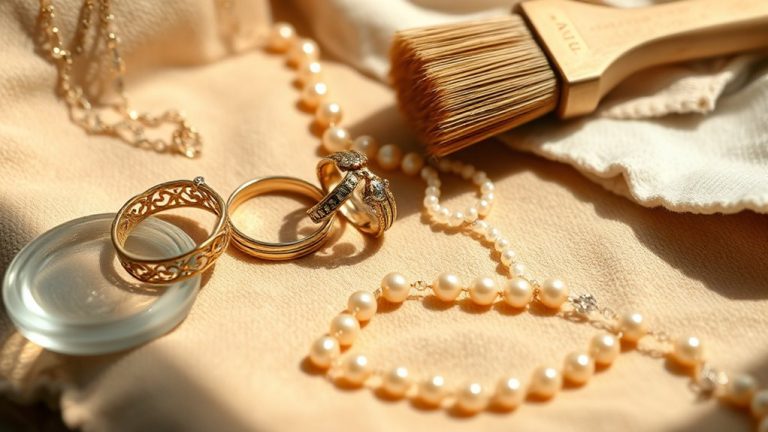
Store your gold-plated items separately in airtight, padded pouches or jewelry boxes lined with anti-tarnish fabric. This minimizes scratches and air exposure, keeping your pieces in good shape.
It’s also wise to limit contact with harsh chemicals since they can corrode the gold and reveal the base metal underneath.
Finally, maintain your jewelry’s shine through regular cleaning with a soft, lint-free cloth. This will help remove oils and dirt that contribute to tarnishing, keeping your jewelry looking fabulous!
Proper Cleaning Techniques for Gold-Plated Jewelry
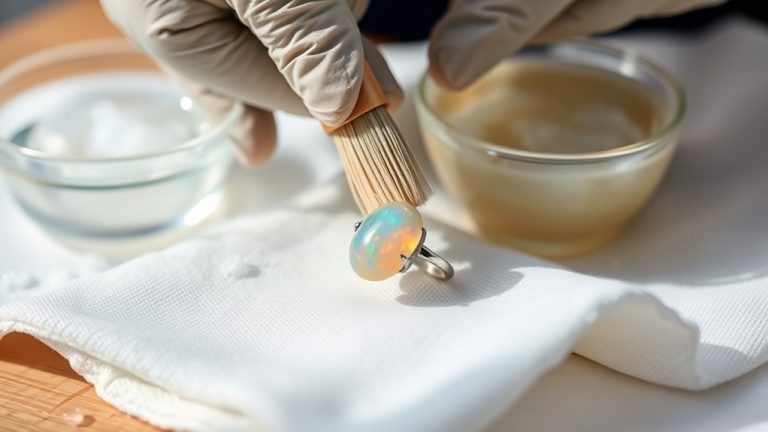
You’ll want to clean your gold-plated jewelry gently using a soft cloth or mild soapy water to keep it looking its best.
Avoid abrasive materials that can wear down the delicate gold layer and cause damage.
If tarnish becomes stubborn, professional cleaning or replating can help restore your piece’s original shine.
Gentle Cleaning Methods
Although gold-plated jewelry requires careful handling, you can keep it looking its best by using gentle cleaning methods.
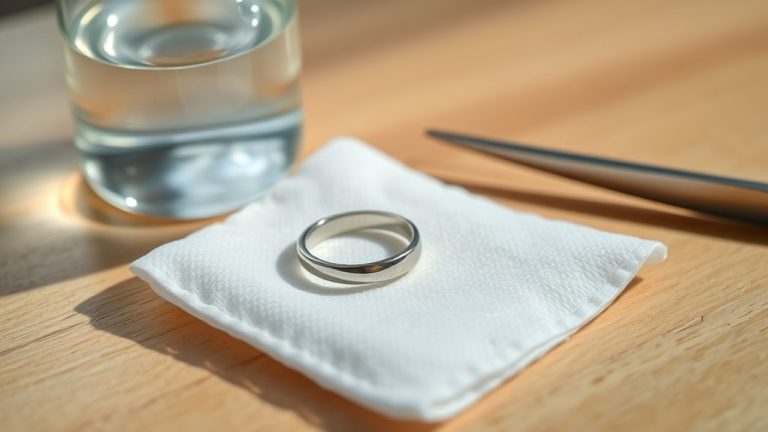
To clean your jewelry, gently wipe it with a soft, lint-free cloth or a dedicated jewelry polishing cloth. For a deeper clean, soak your pieces in warm water mixed with a small amount of mild soap for a few minutes.
Then, rinse gently and pat dry with a soft cloth. This method helps remove oils and dirt that cause tarnish without damaging the delicate gold layer.
Remember, consistent care prevents buildup and keeps your jewelry shiny. Avoid harsh chemicals or abrasive materials, as they can strip the gold plating.
With these gentle cleaning methods, your gold-plated jewelry will maintain its beauty and last longer.
Avoid Abrasive Materials
Since gold plating is delicate, it’s important to avoid abrasive materials that can scratch or wear away its surface.
Using abrasive cleaners or rough tools can cause damage and surface scratches that dull the shine and accelerate tarnish.
Instead, follow these gentle cleaning tips:
- Use a soft polishing cloth, like microfiber or chamois, to wipe jewelry gently.
- Steer clear of steel wool, scrubbing pads, or harsh polishing compounds.
- Never apply bleach, ammonia, or vinegar, as these can corrode the gold layer.
For deeper cleaning, soak your jewelry in warm water with mild soap, then rinse it well.
Finally, pat dry softly without rubbing aggressively to prevent scratches.
Professional Replating Options
If your gold-plated jewelry starts to lose its shine despite gentle cleaning, professional replating can bring it back to life.
Professional replating involves applying a new gold layer using electroplating techniques, which restores your piece’s brilliance.
The thickness of gold applied, often measured in microns, plays a key role in durability.
Services that use vermeil standards (at least 2.5 microns) offer long-lasting results.
Choosing the right replating technique ensures even coverage and preserves your jewelry’s beauty.
| Aspect | Details |
|---|---|
| Process | Electroplating |
| Gold Layer Thickness | Typically 0.5 – 2.5+ microns |
| Premium Option | Vermeil (2.5 microns or more) |
| Benefits | Restores shine, durability |
| Maintenance | Regular cleaning + replating |
Best Practices for Storing Gold-Plated Jewelry
When you store gold-plated jewelry, keeping it dry and airtight is essential to prevent tarnish.
Proper storage and care can greatly extend the shine and life of your pieces. Here’s how to prevent moisture and damage in your jewelry box:
- Store pieces separately using soft padding or cloth to avoid scratches.
- Use a dry, airtight jewelry box or pouch to limit air exposure.
- Place anti-tarnish strips or silica gel packets inside storage containers to absorb moisture.
- Keep your jewelry away from heat and humid environments to prevent oxidation.
- Always clean your jewelry with a soft, non-abrasive cloth before storing to remove oils and dirt.
Following these steps ensures your gold-plated jewelry stays clean and tarnish-free longer.
How Long Does Gold-Plated Jewelry Last?
Taking good care of your gold-plated jewelry by storing it properly can considerably slow down tarnishing.
Proper storage of gold-plated jewelry significantly slows down tarnishing, preserving its shine longer.
But you might still wonder how long the pieces will last overall. Typically, gold-plated jewelry has a lifespan of 1 to 3 years with proper care.
The thickness of the gold layer plays a big role—thicker plating resists wear and tear longer.
Frequent exposure to water, chemicals, or friction speeds up tarnish and wears down the gold layer, revealing the base metal underneath.
By handling your pieces gently and cleaning them carefully, you can extend their shine and durability.
While gold-plated jewelry won’t last forever, understanding these factors helps you maximize its beauty before considering re plating.
Replating Gold-Plated Jewelry: When and How
You’ll know it’s time to replate your gold-plated jewelry when the gold layer starts wearing thin or you notice tarnishing.
Replating involves a professional adding a fresh gold layer to restore its shine and protect the piece.
Trusting a skilled jeweler guarantees even coverage and the best results for your treasured items.
Signs Jewelry Needs Replating
Gold-plated jewelry starts showing signs it needs replating when the gold layer fades or discoloration appears, revealing the base metal underneath.
You’ll notice signs of wear like visible fading and tarnishing that suggest the layer of gold onto your piece is thinning.
Keep an eye out for these indicators:
- Discoloration or dullness despite cleaning
- Areas where the base metal underneath is visible
- Scratches or chips exposing underlying metal
- Skin irritation or rough texture after regular wear
- Accelerated wear from exposure to chemicals or water
When you see these signs, it’s time to contemplate replating to restore your jewelry’s shine and protect the metal beneath.
Replating Process Overview
When the gold layer on your jewelry wears thin or shows tarnish, replating can restore its original shine and protect the metal beneath.
Replating gold-plated jewelry involves applying a fresh layer of gold using electroplating. This process is typically done by professional jewelers or specialized services.
It helps to restore shine and refresh the piece’s appearance. You should consider replating when discoloration becomes noticeable or the gold layer starts fading.
How often you need replating depends on your wear habits and the thickness of the gold layer. For daily wear, it’s usually recommended every 1-2 years.
Proper replating not only renews the look but also extends the lifespan of your gold-plated jewelry. This way, you can keep it looking nearly new for longer!
Benefits of Professional Replating
Although replating might seem like a simple touch-up, professional services guarantee your jewelry receives a durable, even layer of gold that truly restores its shine and longevity.
Opting for professional replating services ensures your gold plating lasts longer and resists tarnish effectively.
Here’s why you should choose experts for replating:
- They apply thicker gold layers, like gold vermeil (≥2.5 microns), boosting durability.
- Professionals evenly cover every part, preventing patchy wear.
- They restore appearance flawlessly, making your jewelry look brand new.
- Replating by experts extends your jewelry’s lifespan, especially if worn daily.
- They use specialized equipment and materials not available for DIY fixes.
Trusting professional replating keeps your gold-plated jewelry shiny and tarnish-free over time.
Comparing Gold PVD Coated Jewelry and Traditional Gold Plating
Because you want jewelry that lasts, understanding the difference between Gold PVD coated pieces and traditional gold plating is essential.
Traditional gold plating applies a thin gold layer that can wear off and tarnish within months.
In contrast, PVD coated jewelry uses physical vapor deposition technology to bond a thicker gold layer—often 2.5 microns or more—directly to the base metal.
This increased gold layer thickness enhances durability and wear resistance, making PVD coated jewelry more scratch- and tarnish-resistant.
While gold plating may be cheaper initially, PVD coated jewelry offers better long-term value due to its ability to withstand daily wear and active lifestyles.
Frequently Asked Questions
How Do You Keep Gold-Plated Jewelry From Tarnishing?
You keep gold-plated jewelry from tarnishing by avoiding moisture, applying perfumes or lotions first, and storing it in a dry place.
Cleaning it gently is also important.
Optionally, you can add a clear protective coating to shield it from air and sweat.
Taking these steps can help maintain the shine and beauty of your gold-plated pieces!
How Long Will Gold-Plated Jewelry Last?
Gold-plated jewelry usually lasts 1 to 3 years.
But if you have thicker layers, like gold vermeil, it can last up to 5 years.
You can extend its life by avoiding water and chemicals.
Also, make sure to store it properly!
How to Make Gold-Plated Jewelry Shine?
You can make your gold-plated jewelry shine by cleaning it weekly with a soft cloth.
In fact, 85% of users see improved luster this way.
Avoid water and chemicals to keep your jewelry safe.
Then, store it dry and apply a protective coating for added shine.
What Are the Disadvantages of Gold-Plated Jewelry?
You’ll find gold-plated jewelry less durable, prone to scratching, chipping, and fading quickly.
It can irritate your skin if the base metal shows.
Also, exposure to chemicals or frequent wear speeds up tarnishing and damage.
Conclusion
Did you know that nearly 70% of gold-plated jewelry starts to show tarnish within just a few months without proper care?
To keep your pieces shining, you need to clean and store them right.
Avoid exposure to moisture and harsh chemicals.
By following these simple steps, you’ll extend the life of your jewelry and enjoy its beautiful glow much longer.
Remember, a little care goes a long way in preserving your treasured accessories!
In conclusion, taking proper care of your gold-plated jewelry is essential to prevent tarnishing.
Make sure to clean, store, and handle your pieces with caution.
Avoid moisture and harsh chemicals to keep them shiny and vibrant.
With a little attention, you can enjoy your gold-plated accessories for many years to come!