What Is a Bail in Jewelry and Why Is It Important?
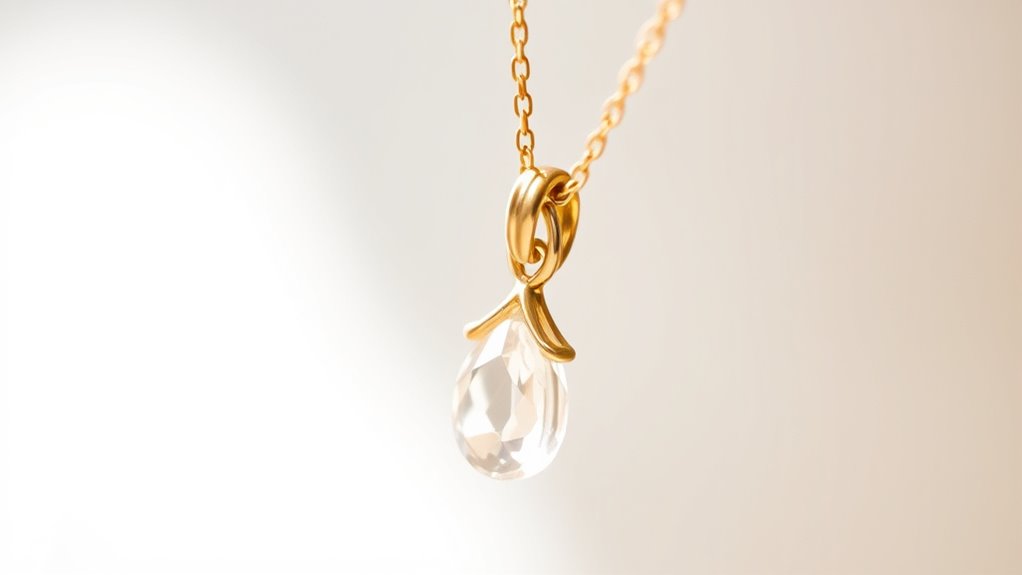
A bail in jewelry is an essential connector that attaches a pendant or charm to a chain. It ensures that your pendant hangs securely and evenly, preventing it from shifting around.
Not only does the bail support the pendant’s weight, but it also keeps it from falling off.
Additionally, it can complement your jewelry’s overall style and match the metal type.
Choosing the right bail size and material is crucial as it affects both the durability and appearance of your jewelry.
If you want to learn more about how bails work and how to pick the perfect one for your pieces, there’s plenty more to explore!
Definition and Purpose of a Jewelry Bail

A jewelry bail is the essential connector that links a pendant to a chain or cord, allowing it to hang and move gracefully.
A jewelry bail connects a pendant to a chain, letting it hang beautifully and move with ease.
When you want to attach a pendant to your necklace, the jewelry bail plays a pivotal role in securing it firmly.
Positioned at the top of the jewelry piece, the bail ensures the pendant hangs evenly and doesn’t shift awkwardly when you wear it.
Choosing the right bail helps you attach your pendant securely, so you won’t worry about it falling off.
Besides its functional purpose, a bail can also complement your pendant’s design, enhancing the overall look.
Common Types of Jewelry Bails

When choosing a bail, you’ll find popular styles like folding donut and wire wrap designs that combine both function and flair.
Functional bails such as bond-on or split loop varieties offer secure, easy attachments for different jewelry pieces.
Understanding these options helps you pick the right bail for your project’s needs and aesthetics.
Popular Bail Styles
Although choosing the right bail might seem simple, it can dramatically affect your jewelry’s style and functionality.
When exploring popular bail styles, you’ll find several bail types designed for different needs.
Snap-on bails let you easily switch pendants without tools, perfect for versatility.
Glue-on bails work well for pieces lacking drilled holes, attaching securely with adhesive.
Pinch bails grip half-drilled beads or pearls tightly, ensuring a solid hold.
Folding donut bails clamp over small or medium donuts, allowing them to be beaded directly into necklaces.
For a unique look, safety pin and “Y” bails add decorative flair while remaining removable or adjustable.
Knowing these jewelry bails helps you pick the ideal bail style to complement your design and functionality preferences.
Functional Bail Designs
Since functional bail designs directly impact how your jewelry performs and looks, choosing the right type is essential.
Snap-on bails let you swap pendants easily without tools, perfect if you like versatile pieces.
Glue-on bails are ideal for pendants without drilled holes, securely attaching with jewelry adhesive.
If you have half-drilled beads or pearls, pinch bails grip them firmly by pinching into the drill hole, ensuring stability.
Folding donut bails clamp over small to medium-sized donut-shaped pendants, allowing quick attachment and removal.
Each bail type offers a unique way to showcase your jewelry while keeping it secure and functional.
Materials Used in Jewelry Bails

Jewelry bails come in a variety of materials that directly affect their durability, appearance, and compatibility with your designs.
Commonly, metals like sterling silver and gold are favored for their high-quality finish and corrosion resistance. This ensures your bail lasts and looks great over time.
Sterling silver and gold provide a high-quality finish and resist corrosion, ensuring lasting beauty and durability.
These metals offer excellent durability, making them perfect for glue-on or soldered bails.
Brass and pewter are also popular choices, especially in vintage or costume jewelry. They are appreciated for their affordability and the ease of adding plating or patina for a custom look.
When selecting a bail, remember that the metal’s weight and strength influence how securely it holds your piece.
Opt for reputable suppliers who provide metals free of nickel or lead to avoid allergic reactions and maintain safety.
How to Choose the Right Bail Size
Choosing the right bail size plays a key role in how your pendant hangs and looks on a chain or cord.
When selecting a bail, focus on the interior diameter—it should be slightly larger than the chain or cord’s width for smooth threading.
Match the bail size to the pendant to hang for balanced aesthetics and proper support.
Keep the jewelry’s weight in mind; heavier pieces need sturdier bails to avoid damage.
Also, ensure the bail opening allows easy insertion and removal without forcing.
For small pendants (up to 10mm), choose bails with a 6-8mm interior diameter.
For larger pendants (10-25mm), select bails with an 8-11mm interior diameter.
Ensure bail size matches pendant weight.
The bail opening must fit the chain or cord comfortably.
Finally, prioritize proportion for a polished look.
Methods for Attaching Bails to Jewelry
You can attach bails to jewelry using several methods, each suited to different designs and materials.
Soldering offers a strong, permanent bond.
On the other hand, glue-on bails provide a quick fix for tricky surfaces.
If you want to avoid heat, wire wrapping secures the bail without damaging delicate pieces.
Soldering Techniques Overview
Although soldering requires skill and the right tools, it offers a strong, permanent way to attach bails to your jewelry pieces.
You heat the metal with a torch, melting a filler metal that fuses the bail securely. Choosing solder with a lower melting point than your base metals prevents damage.
Using flux helps clean and prepare the metals for a solid bond. Tweezers assist in holding tiny parts precisely during the process.
Key elements of soldering include:
- Applying flux to promote adhesion and prevent oxidation.
- Selecting solder with an appropriate melting point.
- Using tweezers for accurate positioning.
- Working on soldering blocks for heat control.
- Ensuring good ventilation to avoid harmful fumes.
This method guarantees durable, high-quality bail attachments.
Glue-On Bail Application
Soldering offers a strong way to attach bails, but glue-on bails provide a simpler alternative that doesn’t require heat or specialized tools.
To guarantee a secure bond, start by cleaning the pendant’s surface thoroughly, removing any oils or dirt.
Apply a small, even amount of strong jewelry adhesive—like epoxy or Loctite 454—to either the bail or the pendant’s attachment point.
Press the glue-on bail firmly in place and hold or clamp it until the adhesive sets, following the manufacturer’s curing time.
This method lets you attach bails with minimal equipment while still creating a reliable hold.
Remember to regularly inspect your glued bail for any signs of loosening or wear.
If needed, reapply adhesive to keep your jewelry secure and intact.
Wire Wrapping Method
When you want a custom, durable bail without using heat or glue, wire wrapping offers a versatile solution.
This method involves twisting and looping wire around your jewelry piece, creating a secure and decorative bail.
You thread the wire through the pendant’s hole or edge, then wrap it multiple times to form a loop.
Wire wrapping lets you adjust the bail size and style, making it perfect for unique, handmade jewelry.
Typically, you’ll use wire gauges from 20 to 26 for delicate or sturdy results.
With wire wrapping, you can:
- Avoid soldering or adhesives
- Customize bail size and style
- Add decorative coils or beads
- Secure the bail firmly
- Work with various wire gauges
Wire wrapping gives your jewelry both function and flair.
Design and Functional Considerations for Bails
Because the bail plays a crucial role in both appearance and function, you need to carefully consider its design and fit.
Bails come in various styles—from minimalist to decorative—and choosing the right one affects your jewelry’s overall look.
For example, a wire wrap donut bail offers a handcrafted charm, while a safety pin bail adds a unique, edgy touch.
When selecting a bail, ensure its size matches your chain or cord diameter for smooth movement and secure attachment.
Also, pick materials that complement your piece’s metal type to maintain durability and aesthetic harmony.
Proper attachment methods—like soldering or wire wrapping—impact strength and interchangeability.
A well-designed bail supports your pendant’s weight, preventing sagging or damage during wear.
Caring for and Maintaining Jewelry Bails
Although jewelry bails are small, they endure constant wear and movement.
Jewelry bails may be tiny, but they withstand continual wear and movement every day.
So, you should regularly check them for signs of damage like bending or pinching to keep your pieces secure and looking their best.
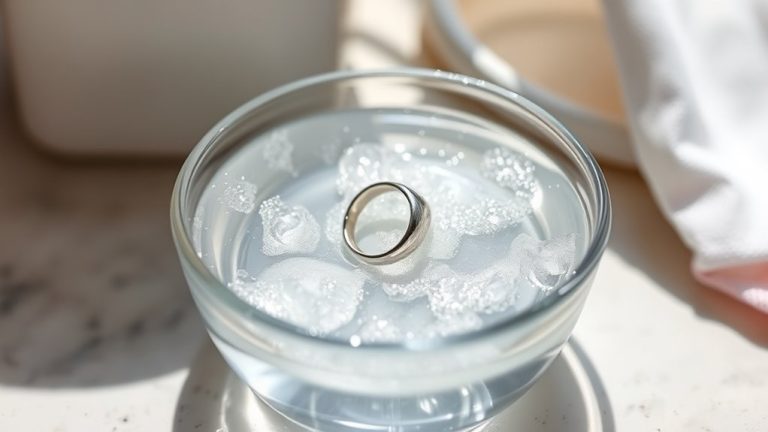
To care for your jewelry bails, inspect them carefully and clean them gently with a soft cloth and mild soap.
Avoid harsh chemicals that can tarnish the metal.
When needed, apply a small amount of lubricant or protective coating to prevent corrosion.
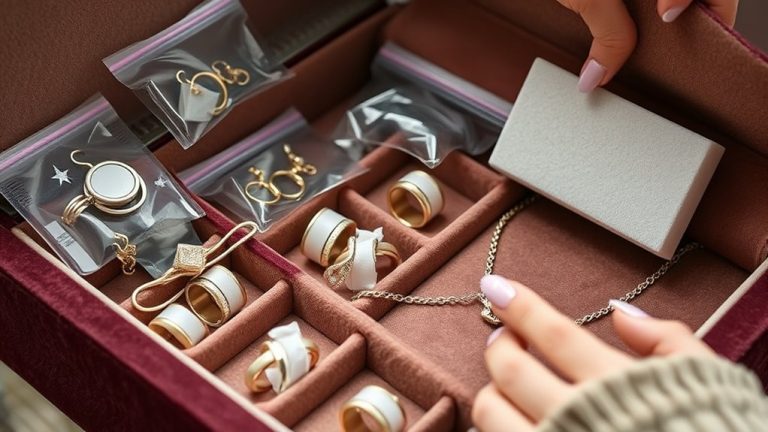
Always store jewelry with bails in padded compartments to avoid tangling or physical damage.
Follow these tips to extend the lifespan of your jewelry:
- Inspect jewelry bails for wear or bending regularly.
- Clean bails gently using mild soap and a soft cloth.
- Apply a small amount of protective oil if needed.
- Avoid tugging or twisting pendants and chains.
- Store jewelry in padded boxes to prevent damage.
Frequently Asked Questions
What Is a Jewelry Bail Used For?
You use a jewelry bail to attach a pendant securely to a chain, letting it hang properly.
It keeps your pendant stable and allows for easy swapping.
Plus, it enhances the overall look, making your jewelry versatile and polished.
What Is the Purpose of the Bail?
Picture your pendant hanging perfectly centered on your chain—that’s the bail’s purpose.
It securely holds your pendant in place, balances it beautifully, and lets you easily swap styles without fuss.
This keeps your jewelry looking flawless.
What Is a Bail When It Comes to Jewelry?
A bail in jewelry is the small connector that attaches your pendant to a necklace chain.
This lets it hang securely and move freely.
It’s essential for both function and style, ensuring your pendant displays beautifully.
What Does Bail Size Mean in Jewelry?
Measure twice, cut once.
Bail size means the internal space where your chain fits.
You want it just right—not too tight or loose—to keep your pendant secure and looking its best every time you wear it.
Conclusion
So, next time you admire a pendant dangling effortlessly, don’t just thank the artist—thank the humble bail.
Without it, your necklace might just be a fancy paperweight.
You might overlook this tiny hero, but choosing the right bail is like picking the perfect wingman: it supports, enhances, and keeps everything together.
So, give your jewelry the bail it deserves—because even your sparkle needs a little backup!
In conclusion, a bail might seem small, but it plays a vital role in the overall beauty and function of your jewelry.
Choosing the right bail can elevate your piece, ensuring it hangs beautifully and securely.
Next time you wear a stunning pendant, remember the importance of the bail in making your jewelry shine!