What Does 5925 Mean on Jewelry?
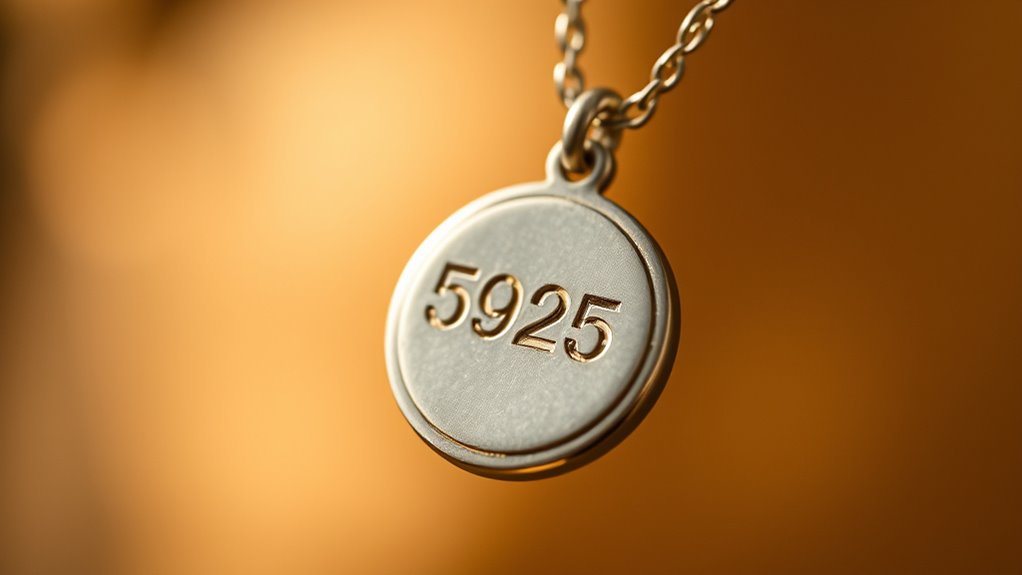
If your jewelry is stamped “5925,” it likely isn’t a standard purity mark like the familiar “925” for sterling silver.
Instead, it may be a manufacturer’s code, model number, or an internal identifier rather than a silver content indicator.
This mark doesn’t guarantee the piece’s metal quality or value, so you’ll want to check for other hallmarks and get it professionally tested.
Understanding these details can help you better assess the jewelry’s authenticity and worth.
If you’re unsure about the meaning of the stamp, it’s always best to seek expert advice for clarity.
Understanding the 5925 Marking on Jewelry

Have you ever come across the marking “5925” on a piece of jewelry and wondered what it means?
This marking isn’t a standard hallmark for sterling silver but is often a misread or misprint of “925,” which indicates the purity of sterling silver.
The “925” hallmark means the jewelry contains 92.5% pure silver, with the rest usually made up of copper or other metals.
The extra “5” in “5925” doesn’t officially signify purity or any standard hallmark detail.
Instead, it might be a manufacturer’s code or simply a font artifact.
It could be a unique manufacturer’s mark or just a quirky font detail, not a purity indicator.
When you spot “5925,” it’s best to contemplate its context and consult a professional jeweler to confirm the piece’s authenticity and sterling silver content.
Sterling Silver and Its Hallmarks

When you see “925” on jewelry, it means the piece is made of sterling silver, containing 92.5% pure silver.
This marking is the most common standard that guarantees quality and authenticity.
You might also come across other numbers like “800” or “900,” but “925” is what you’ll usually want to look for.
Sterling Silver Standards
Although sterling silver contains 92.5% pure silver, you can easily verify its authenticity by looking for hallmarks like “925,” “Sterling,” or “S925” stamped discreetly on the jewelry.
These marks confirm the piece meets sterling silver standards, ensuring its quality and silver purity. You’ll often find these stamps on clasps, inside bands, or the back of items.
Recognizing these standards helps you distinguish genuine sterling silver from lower-quality alloys.
Key points about sterling silver standards include:
- “925” indicates 92.5% silver content, the legal minimum in many countries.
- “Sterling” or “S925” are alternative hallmarks signaling authenticity.
- Hallmarks are discreetly placed for identification without affecting design.
- Other markings like “800” exist but represent lower silver purity than sterling silver.
Understanding these standards protects your investment in fine silver jewelry.
Common Silver Markings
You can spot sterling silver by looking for common markings like “925,” which confirms the piece contains 92.5% silver.
Hallmarks such as “S925,” “Sterling,” or simply “925” verify sterling silver worldwide.
Other markings like “800” or “900” indicate lower silver content but aren’t standard for sterling silver.
Typically, you’ll find these hallmarks discreetly stamped on the inside or back of jewelry, certifying authenticity.
The “5925” marking isn’t standard; it likely includes “925” for silver content, with the “5” possibly a manufacturer code or font artifact.
Here’s a quick reference:
| Marking | Silver Content |
|---|---|
| 925 | 92.5% Sterling Silver |
| S925 | 92.5% Sterling Silver |
| Sterling | 92.5% Sterling Silver |
| 800 | 80% Silver |
Differentiating Between Gold and Silver Markings

When you see “5925” on jewelry, its meaning depends on the metal’s context and accompanying marks.
Look for gold purity indicators like “14K” to identify gold content.
Or check for silver hallmarks such as “S925” for sterling silver.
Paying attention to these details helps you distinguish whether the piece is gold or silver.
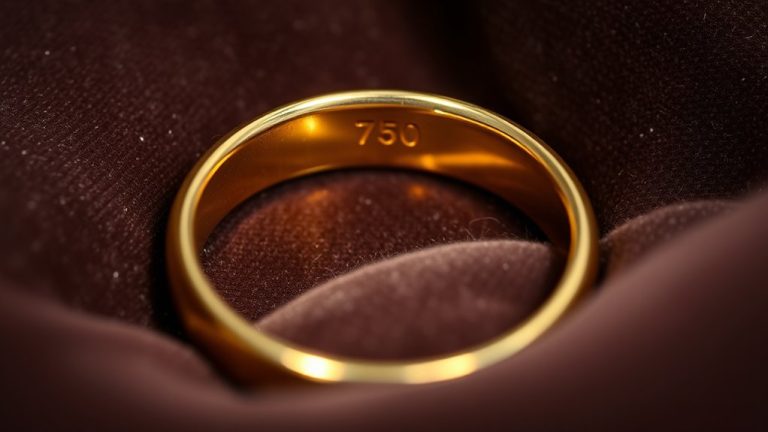
Gold Purity Indicators
How can you tell if a “5925” marking on jewelry refers to gold or silver?
When it comes to gold purity, “5925” usually indicates a gold alloy containing about 59.25% pure gold, equivalent to 14-karat gold.
This hallmark helps you identify the fineness of the gold used.
In contrast, sterling silver typically features a “925” marking, representing 92.5% silver content.
To distinguish gold from silver markings, consider these points:
- Gold purity marks like “5925” align with karat standards.
- Sterling silver marks commonly read as “925” without the leading digit.
- The jewelry’s color and weight can hint at its metal type.
- Professional verification ensures accurate identification beyond just the hallmark.
Understanding these indicators lets you decode “5925” confidently.
Silver Hallmark Distinctions
Why do silver markings like “925” often get confused with gold-related numbers such as “5925”?
It’s because “5925” looks like a variation of the well-known silver standard “925,” which means 92.5% pure silver, or sterling silver.
However, “5925” isn’t an official hallmark and may just be a misinterpretation or indicate alloy details.
Silver markings usually include “925,” “Sterling,” or “Ster,” while gold uses karat marks like “14K.”
Knowing these differences helps you verify your jewelry’s authenticity quickly.
| Marking | Metal Type | Meaning |
|---|---|---|
| 925 | Silver | 92.5% pure silver |
| 5925 | Silver(?) | Possible misinterpretation |
| 14K | Gold | 14 karat gold purity |
Common Jewelry Markings Related to 5925
What should you know about markings like “5925” on jewelry?
These markings often confuse buyers because “5925” isn’t a standard hallmark for metal purity.
While “925” typically indicates sterling silver, “5925” might be an internal code or model number rather than a purity mark.
Sometimes, it could hint at a gold alloy with 59.25% gold content, but this varies widely.
Common jewelry markings related to “5925” include:
- 925 or S925: Indicates sterling silver with 92.5% purity.
- Metal purity stamps: Standardized marks showing metal content.
- Manufacturer codes: Internal numbers not linked to purity.
- Mixed markings: Combinations like “S925” with “5925” suggesting brand-specific codes.
Always consult a professional jeweler to clarify these markings accurately.
The Role of Manufacturer Codes and Serial Numbers
Although you might see numbers like “5925” on your jewelry, these markings usually serve as manufacturer codes or serial numbers rather than indicating metal purity.
Manufacturer codes help identify specific production batches or model lines, allowing you to trace a piece back to its maker or production date.
Manufacturer codes enable tracing jewelry pieces to their makers and production dates through specific batch or model identification.
Serial numbers often function as internal references for inventory, quality control, or style tracking.
These codes are typically engraved discreetly alongside hallmark stamps, such as “925,” which indicate silver content.
It’s important to understand that “5925” alone doesn’t confirm the metal type or purity; instead, it primarily acts as a manufacturer identification or serial reference.
Recognizing the difference between hallmarks and manufacturer codes can help you better interpret your jewelry’s markings.
How to Verify the Authenticity of 5925 Jewelry
Understanding that “5925” often represents a manufacturer code rather than a purity mark, you still need to verify whether your jewelry is genuine sterling silver.
Since “5925” isn’t a recognized hallmark for precious metals, focus on confirming authenticity through other markings and tests. Start by looking for the standard “925” stamp, which reliably indicates sterling silver.
To verify authenticity, consider these steps:
- Inspect for clear “925” or other official sterling silver markings.
- Perform a magnet test, as sterling silver is non-magnetic.
- Seek professional testing, such as acid tests or X-ray fluorescence (XRF) analysis.
- Examine additional hallmarks or maker’s marks that can confirm origin and material.
These methods help you confidently determine if your 5925 marked jewelry is truly sterling silver.
Market Value and Collectibility of 5925 Marked Pieces
How much is jewelry marked with “5925” really worth?
Pieces bearing this mark usually contain about 59.25% pure silver, aligning closely with sterling silver standards.
Their market value depends on age, design, condition, and authenticity.
Collectible “5925” jewelry often commands higher prices, especially if verified as genuine sterling silver with fine craftsmanship.
| Factor | Impact on Market Value |
|---|---|
| Purity | Higher purity increases value |
| Age | Older pieces are more collectible |
| Condition | Well-preserved items fetch more |
| Brand/Provenance | Known brands raise market value |
| Authenticity | Verified sterling silver boosts collectibility |
Knowing these factors helps you estimate the worth and collectibility of your “5925” marked jewelry more accurately.
Expert Advice on Interpreting Jewelry Markings
When you come across a marking like “5925” on jewelry, it’s important to recognize that this isn’t a standard silver hallmark and may simply be a misread or an internal code.
To accurately interpret jewelry markings, especially when sterling silver is involved, you should:
- Verify if the marking closely resembles the universal “925” hallmark for sterling silver.
- Look for additional hallmarks or stamps that confirm metal purity or origin.
- Consult a professional jeweler to authenticate the piece and clarify ambiguous codes.
- Understand that non-standard markings like “5925” may be serial numbers or manufacturer identifiers, not metal quality indicators.
Frequently Asked Questions
Is S925 Real or Fake?
S925 is real sterling silver, containing 92.5% pure silver.
You shouldn’t doubt its authenticity if marked properly.
But always test or buy from trusted sources to avoid fakes or plated pieces falsely stamped with S925.
Is 5925 Real Silver or Gold?
5925 isn’t a standard mark for real silver; it usually indicates gold alloy, around 59.25% pure gold.
To be sure if your piece is silver or gold, you should have it tested by a professional jeweler.
Is S925 Worth Anything?
Imagine holding a gleaming silver piece stamped S925—it’s definitely worth something!
You’re holding sterling silver, which is valuable for its purity, craftsmanship, and current market.
It’s not just beautiful; it’s also a smart investment you can cherish.
What Hallmark Is 5925?
You won’t find “5925” as a standard hallmark; it’s likely a manufacturer’s code or misreading.
It might hint at silver content like 92.5%.
But to know for sure, you’ll need professional appraisal or testing.
Conclusion
While 5925 might seem like just a number stamped on jewelry, it holds layers of meaning that go beyond mere identification.
You might initially think it’s a simple hallmark or serial code.
But it could reveal the metal’s purity, the maker’s signature, or even its authenticity.
Understanding these markings helps you see the contrast between surface value and deeper significance.
That small number can turn into a key that unlocks the story behind your precious piece.
In conclusion, the 5925 marking on jewelry is more than just a number. It signifies the purity and authenticity of the piece, enhancing its value.
By appreciating these details, you gain insight into the craftsmanship and the story behind the jewelry.
So, the next time you see 5925, remember that it represents a connection to quality and history.