7 Easy Steps to Restore Gold Plated Jewelry at Home
To restore your gold plated jewelry at home, it’s essential to follow some simple steps to ensure your pieces look their best. First, inspect your jewelry closely for any signs of wear or damage. This will help you determine what needs attention.
Next, gather the necessary supplies: mild soap, a soft cloth, a toothbrush, and baking soda.
Start by gently cleaning the surface of your jewelry with soapy water. This will help remove dirt and grime without damaging the plating.
For any tarnish, create a paste with baking soda and water, and apply it carefully to the affected areas.
Once you’ve tackled the tarnish, use a soft cloth to polish your jewelry and bring back its shine.
To protect the plating, finish by applying a clear sealant.
Finally, store your jewelry in a dry, airtight container to keep it looking beautiful for years to come.
Following these simple steps can help ensure your gold plated jewelry remains stunning—explore more tips for lasting care!
Assess the Condition of Your Gold Plated Jewelry

Before you begin restoring your gold plated jewelry, carefully assess its condition to determine the extent of wear or damage.
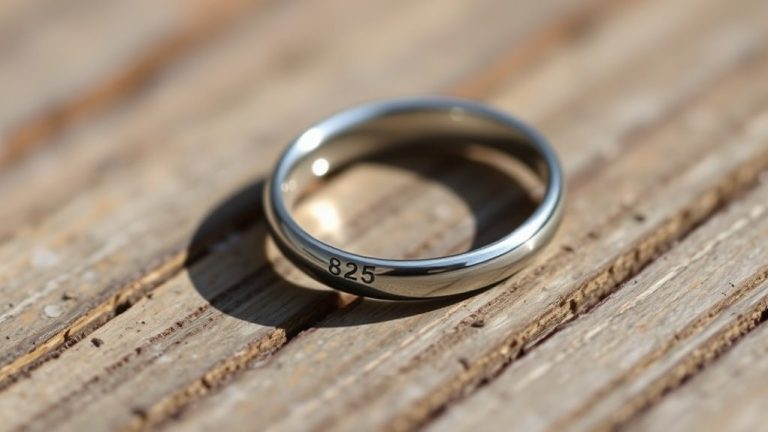
Inspect the piece closely under good lighting, using a magnifying glass to spot any areas where the gold plating is dull, thin, or worn through, exposing the underlying metal.
Examine your jewelry carefully with good lighting and a magnifying glass to detect worn or thin gold plating.
Look for discoloration, tarnish, or signs of deterioration that indicate the plating’s weakening.
Check for corrosion or spots that could affect the jewelry’s appearance and integrity.
Don’t forget to inspect settings and prongs for looseness or damage that might require professional repair.
If you notice significant damage or plating worn through to the base metal, consider consulting an expert before proceeding with home restoration to avoid further harm.
Gather Your Cleaning Supplies

Before you start cleaning, make sure you have the right tools on hand.
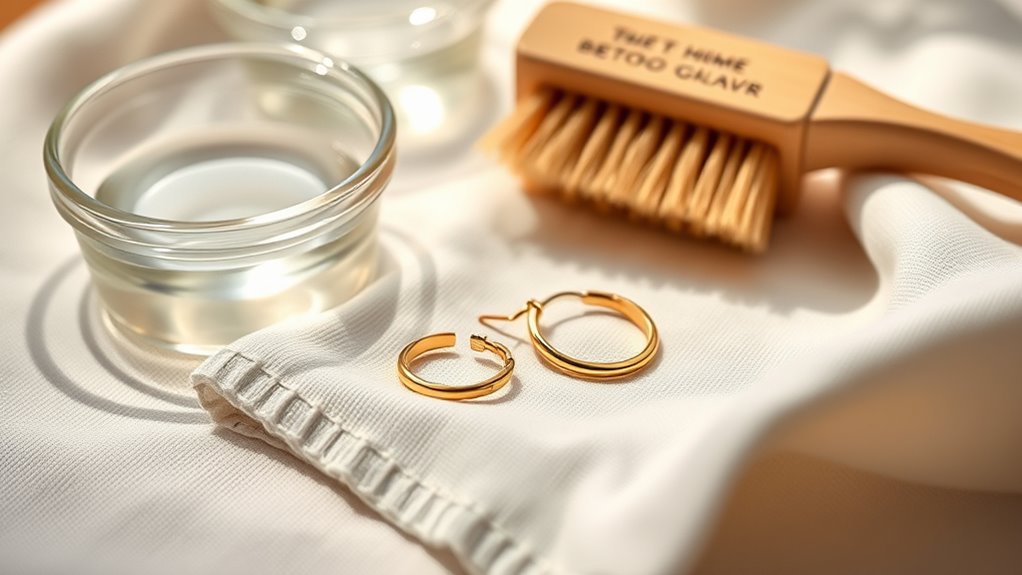
Grab a soft microfiber cloth, a small bowl with warm water and mild soap, and a gentle brush for tricky spots.
Don’t forget a polishing cloth and a protective sealant to finish the job and keep your gold plating looking fresh.
Essential Cleaning Tools
Although restoring gold plated jewelry requires care, gathering the right cleaning supplies makes the process much easier.
Start with a soft cloth, ideally microfiber, to gently wipe away dirt and oils without scratching the surface.
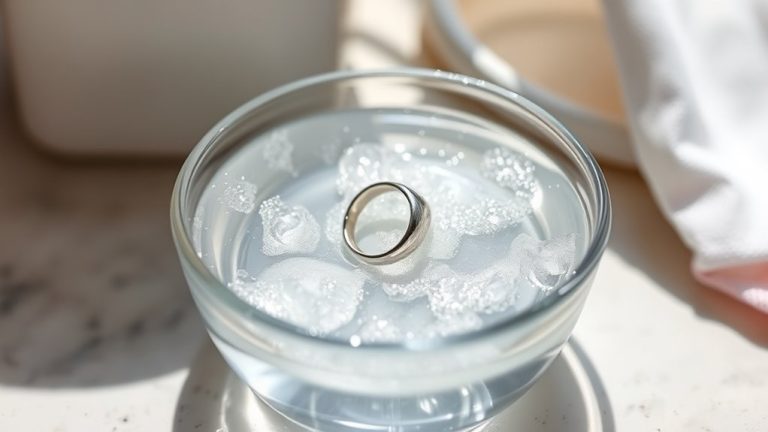
Prepare a mild cleaning solution by mixing warm water with a few drops of mild soap.
Have a small bowl of warm water ready to dip your cleaning tools or jewelry for careful cleaning.
Use a soft-bristled toothbrush to reach intricate, tarnished areas and remove grime delicately.
After cleaning, keep a polishing cloth and gold polish on hand to buff and restore your jewelry’s shine.
These essential cleaning tools ensure you can safely and effectively bring back your gold plated pieces’ brilliance without causing damage.
Recommended Cleaning Solutions
How do you choose the best cleaning solutions for your gold plated jewelry?
Start with mild dish soap mixed with warm water for gentle cleaning that won’t harm the plating.
Avoid harsh chemicals like vinegar or baking soda, which can be abrasive.
Use a soft cloth or a soft-bristled toothbrush for delicate scrubbing.
Specialized jewelry cleaners designed for gold plating and a polishing cloth help restore shine safely.
| Cleaning Solution | Best Use |
|---|---|
| Mild Dish Soap + Water | Everyday gentle cleaning |
| Jewelry Cleaner | Removing stubborn tarnish |
| Polishing Cloth | Final shine and protection |
Gather these supplies for effective and safe restoration at home.
Gently Clean the Jewelry Surface

When you want to restore the shine of your gold plated jewelry, start by gently cleaning its surface with a soft microfiber cloth. This will help remove dirt and oils without causing scratches.
For a deeper clean, dip the cloth in a mild soap and warm water mixture, then carefully wipe the jewelry.
Avoid abrasive materials like paper towels or rough sponges, as they can damage the delicate plating.
You can also use a soft-bristled toothbrush dipped in the same cleaning solution to reach intricate areas and gently loosen dirt.
After cleaning, thoroughly dry your gold plated jewelry with a clean, soft cloth to prevent water spots and further tarnishing.
This gentle approach helps restore your jewelry’s shine and prevents scratches, keeping it beautiful longer.
Remove Tarnish With a Baking Soda Paste
After gently cleaning your gold plated jewelry, you might notice some stubborn tarnish that dulls its shine.
To restore its brilliance, mix three parts baking soda with one part water to create a thick paste.
Apply this paste gently onto the tarnished areas using a soft cloth or your fingertip.
Just be careful not to rub too hard, as that could damage the gold plated surface.
Let the baking soda paste sit for a few minutes; its mild abrasive action helps lift the tarnish effectively.
Next, rinse your jewelry thoroughly with lukewarm water to remove all residue.
Finally, dry the piece completely with a soft, lint-free cloth to prevent water spots and bring back its clean, radiant look.
This simple method helps restore your gold plated jewelry’s shine at home.
Polish to Restore Shine
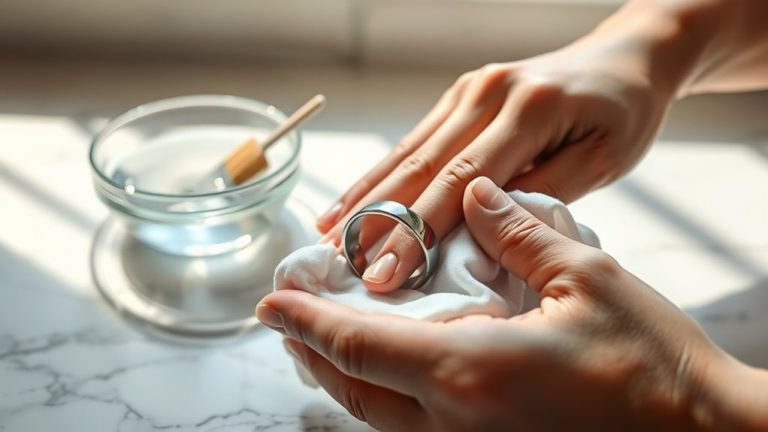
To bring back your gold plating’s shine, start by gently buffing with a soft polishing cloth in circular motions.
If you spot tarnished areas, apply a bit of gold-specific polish carefully to avoid damage.
Gentle Buffing Techniques
Although gold plating is delicate, you can gently restore its shine by using a soft jewelry polishing cloth and applying light, circular motions.
Start with a clean, dry jewelry surface to prevent trapping dirt or moisture.
Use gentle polishing to remove tarnish without applying too much pressure, which could wear away the plating.
Buffing regularly with a high-quality soft cloth helps maintain appearance and keeps the gold plating luminous.
Circular motions are key—they evenly restore shine while preventing scratching.
Avoid harsh or abrasive materials during buffing, as these can damage the delicate layer.
Handling Tarnished Areas
Keeping your gold-plated jewelry polished regularly helps prevent tarnish. But when you notice dull or tarnished spots, you’ll want to restore their shine carefully.
Use a soft cloth to gently buff tarnished areas. This helps restore shine without damaging the delicate gold plating.
For tougher tarnish, apply a small amount of gold-specific polish or mild metal cleaner on the cloth and buff gently.
Always avoid abrasive materials or rough brushes, as they can scratch or wear away the gold layer.
Before using any product, test it on a small, hidden spot to ensure it won’t harm the plating.
Regular polishing not only helps maintain luster but also prevents discoloration, keeping your jewelry looking vibrant and beautiful longer.
When To Seek Professionals
If your gold-plated jewelry shows significant wear that exposes the base metal or has deep scratches, it’s time to seek professional polishing.
DIY methods may not fix severe wear or loss of shine, especially when uneven wear or damage is present.
Professionals handle intricate designs and embedded gemstones with care, ensuring thorough restoration without harm.
Consider professional polishing when you notice:
- Significant wear or damage exposing the base metal.
- Deep scratches and persistent loss of shine after cleaning.
- Jewelry with intricate designs or embedded gemstones needing safe restoration.
Regular professional polishing maintains your jewelry’s luster and prevents further deterioration.
Don’t hesitate to consult experts when your gold plating shows serious wear or complex damage.
Apply a Protective Sealant
Before you apply a protective sealant, make sure your gold plated jewelry is completely clean and dry. This step is crucial to avoid trapping dirt or moisture beneath the coating.
Choose a clear, non-yellowing sealant and apply a thin, even layer using a fine brush. Be careful to avoid excess buildup.
Let it dry completely—usually 24 hours—so it can form a durable barrier. This protective layer helps guard against tarnish, scratches, and damage.
Remember to periodically reapply the sealant every 4-6 weeks to maintain its effectiveness.
| Why Seal Your Jewelry? | How It Feels |
|---|---|
| Protects finish | Peace of mind |
| Prevents tarnish | Confidence |
| Extends lifespan | Joy |
Store and Maintain Your Jewelry Properly
Although gold plated jewelry shines brightly when new, improper storage and maintenance can quickly dull its finish.
To keep your pieces looking their best, you need to store jewelry correctly and take steps to protect plating at home.
- Always store separately in soft pouches or lined boxes to prevent scratches and abrasion.
- Avoid moisture by placing anti-tarnish strips or silica gel packs in your storage containers. Keep jewelry away from humid areas and direct sunlight to prevent tarnishing.
- Remove your jewelry before swimming, bathing, or applying lotions and perfumes. This helps protect the plating from chemical damage.
Following these home maintenance tips helps you prevent tarnishing and ensures proper storage.
It will definitely preserve the shine and longevity of your gold plated jewelry!
Frequently Asked Questions
How Do You Restore Gold-Plated Jewelry at Home?
You clean your gold-plated jewelry gently with warm soapy water.
Soak tarnished areas briefly in diluted vinegar, then apply a non-abrasive polish or restoration kit.
Finally, buff it and seal to protect the finish.
How to Make Gold-Plated Jewelry Look Gold Again?
You can make your gold-plated jewelry look gold again by gently cleaning it.
Carefully polish it with a gold cleaner to restore its shine.
And don’t forget to seal it to protect that brilliant glow!
Your jewelry will thank you!
How to Restore Gold-Plated Jewelry at Home With Foil?
You line a bowl with aluminum foil, add hot water and salt,
then submerge your gold-plated jewelry so it touches the foil.
After a few minutes, rinse, dry, and gently buff to restore its shine.
How to Restore Faded Gold Plating?
Think of your faded gold plating as a sunset losing its glow.
You’ll want to gently clean it, then apply a gold re-plating solution carefully.
This will restore its shimmer like the sun rising anew on your precious jewelry.
Conclusion
So, there you have it—your foolproof guide to turning that sad, dull gold-plated jewelry back into something that won’t make you cringe every time you wear it.
Who knew all it took was a little baking soda and elbow grease?
Now, instead of hiding your treasures in a drawer, you can show them off like the glamorous DIY pro you are.
Just don’t forget to store them right—because even gold deserves a little TLC!
With these easy steps, you can revive your gold-plated pieces and keep them looking fabulous for years to come.
So go ahead, give your jewelry the care it needs.
After all, a little effort goes a long way when it comes to maintaining your favorite accessories.
Embrace the shine and confidence that comes from wearing your restored jewelry proudly!