How to Sterilize Jewelry Step by Step
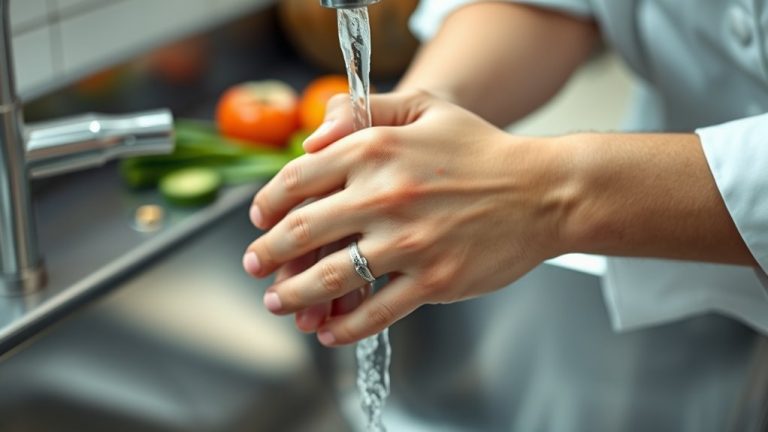
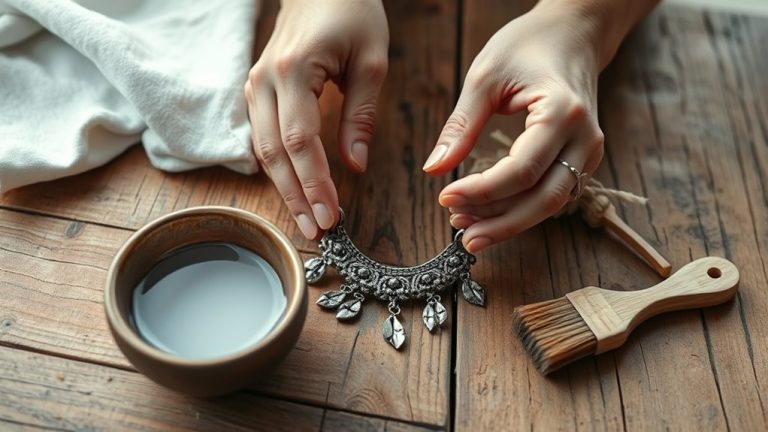
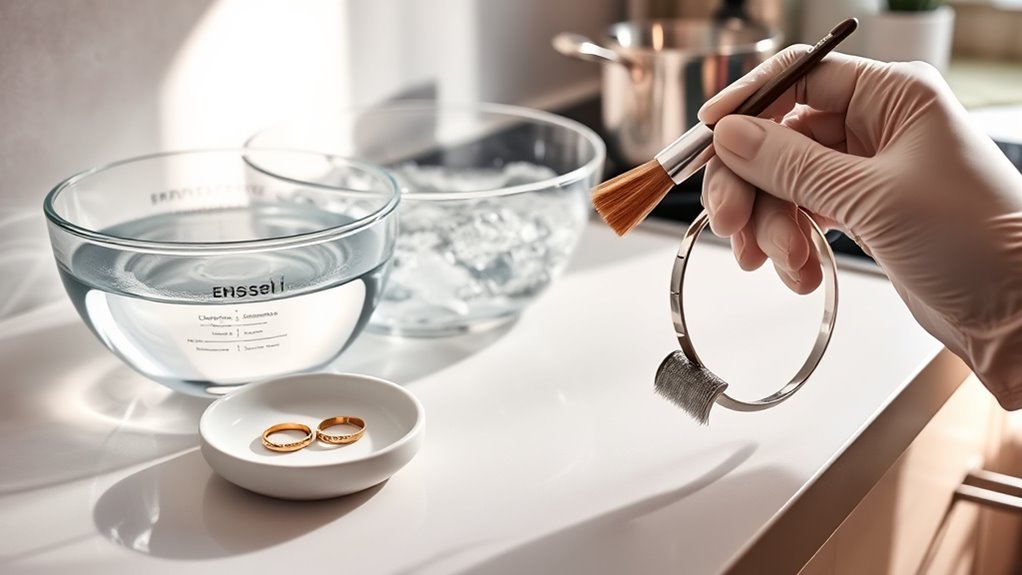
To sterilize your jewelry effectively, it’s important to start with a proper cleaning process. Begin by gently removing any dirt using a soft brush and warm, soapy water.
Make sure to rinse thoroughly with distilled water to eliminate any soap residue.
After rinsing, dry your jewelry completely with a lint-free cloth to prevent water spots.
For safe materials, you have a few options. You can either boil metal pieces for 25-40 minutes or soak items in 3% hydrogen peroxide or 70% isopropyl alcohol for about 5-15 minutes.
Always remember to handle your jewelry with clean hands or gloves after sterilizing to avoid recontamination.
Keep following for more detailed tips and methods to ensure your jewelry stays pristine and safe!
Understanding the Importance of Jewelry Sterilization

Because jewelry often comes into contact with sensitive skin or open wounds, sterilizing it is essential to prevent infections and skin irritations.
Sterilization removes all microbiological contaminants like bacteria, viruses, and fungi, ensuring your body jewelry is completely germ-free.
Sterilization eliminates bacteria, viruses, and fungi, making your body jewelry completely germ-free and safe to wear.
Using methods such as autoclaving, which applies high-pressure steam, guarantees effective sterilization.
However, household techniques can also work for certain materials if you consider material compatibility carefully.
Regular cleaning methods alone don’t always eliminate harmful microbes, so proper sterilization is key for health safety.
By keeping your jewelry sterile, you reduce the risk of infections and allergic reactions, maintain hygiene standards, and extend your jewelry’s lifespan.
Understanding these essentials helps you protect yourself and wear your pieces confidently every day.
Preparing Your Jewelry for Sterilization

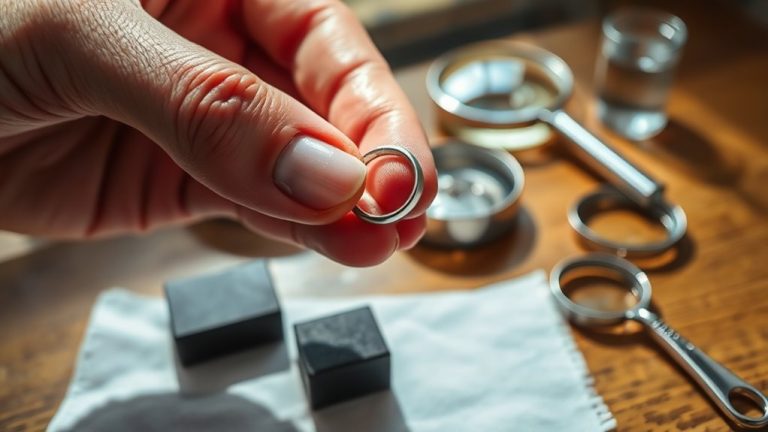
Before sterilizing your jewelry, you should remove any visible dirt using a soft brush or cloth to guarantee the process is effective.
Proper preparation assures you sterilize your pieces safely and thoroughly.
Start by checking the material of your jewelry, as some methods may harm certain metals or stones.
Next, gather all necessary supplies based on your chosen sterilization technique.
Follow these steps to prepare your jewelry:
- Clean off debris and contaminants gently with a soft brush or cloth.
- Rinse jewelry thoroughly with sterile or distilled water to remove residues.
- Verify the material won’t be damaged by your sterilization method.
- Assemble all sterilizing supplies needed for your chosen approach.
- Dry jewelry completely using a lint-free or paper towel to avoid moisture buildup.
This preparation helps you sterilize your jewelry effectively and safely.
Using Heat Methods to Sterilize Jewelry

When you want to sterilize metal, glass, or plastic jewelry, boiling it in water for about 25 to 40 minutes is quite effective. This method kills bacteria, viruses, and fungi reliably.
Using heat methods like boiling water is a great way to sanitize and disinfect your pieces. Just make sure your jewelry is made of heat-safe materials to avoid any damage.
Fully submerge your items in the boiling water, then use tongs to carefully remove them. Air dry thoroughly to complete the jewelry sterilization process.
| Jewelry Type | Heat Method Suitability |
|---|---|
| Metal | Ideal for boiling |
| Glass | Safe for high temperature |
| Plastic (Heat-safe) | Can sterilize by boiling |
Chemical Solutions for Effective Jewelry Sterilization
Although heat methods work well for many types of jewelry, chemical solutions offer a versatile and effective alternative for sterilization.
You can sterilize your pieces using several disinfectant solutions that also aid in jewelry cleaning and tarnish removal.
Consider these options:
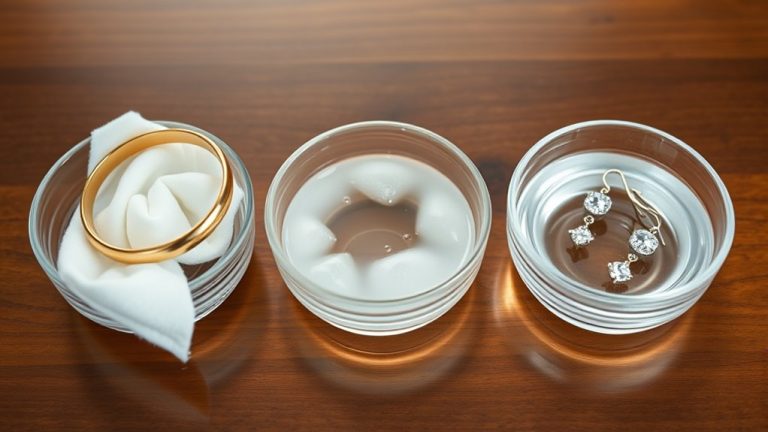
- Hydrogen peroxide (3%) soaks for 10-15 minutes to oxidize bacteria and viruses.
- 70% isopropyl alcohol disinfects surfaces in 5-10 minutes but may harm soft gemstones or plastics.
- A saline solution with 1/4 teaspoon non-iodized sea salt in warm distilled water reduces microbial contamination.
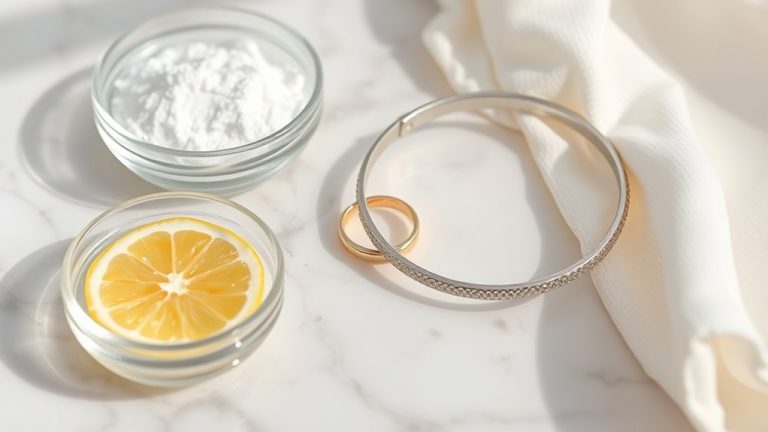
- Vinegar mixed with water and baking soda creates a fizzing soak that disinfects and removes tarnish.
- Chemical soaking is effective but always confirm your jewelry’s safe materials to avoid damage.
These methods efficiently disinfect and maintain hygiene without heat.
Best Practices for Maintaining Sterile Jewelry
Chemical solutions can effectively sterilize your jewelry, but maintaining that cleanliness requires consistent care and attention.
Start by thoroughly cleaning your jewelry with mild soap and warm water to remove dirt and oils before any sterilization.
Choose suitable methods for sterilization depending on the material—UV sterilization works well for heat-sensitive pieces, while boiling suits metals.
You can also use hydrogen peroxide solution as a reliable autoclave alternative.
To sterilize your jewelry without compromising its integrity, ensure it’s completely dry after each cleaning process to prevent bacterial growth.
Practice regular cleaning and handle sterilized jewelry with clean, gloved hands or sterile tools to avoid recontamination.
Following these best practices will help you keep your jewelry consistently clean and safe for use.
Frequently Asked Questions
How to Properly Sterilize Jewelry?
You clean your jewelry with mild soap and warm water.
Then, sterilize it by boiling or soaking in hydrogen peroxide.
Afterward, rinse with sterile water and dry thoroughly with a lint-free cloth to prevent bacteria growth.
How to Sanitize a Piece of Jewelry?
To sanitize your jewelry, rinse it with warm, soapy water.
Then soak it in rubbing alcohol or hydrogen peroxide for a few minutes.
Rinse again with clean water, and dry thoroughly.
Make sure to handle it with clean hands or gloves.
Is It Better to Soak Jewelry in Alcohol or Peroxide?
Think of your jewelry as a delicate flower—it’s better to mist it with peroxide than drench it in alcohol.
You’ll avoid damage, keep it safe, and still kill germs without harsh effects or residue.
How Long to Sterilize Jewelry in Rubbing Alcohol?
You should soak your jewelry in rubbing alcohol for at least one minute to sterilize it effectively.
Don’t exceed two minutes to avoid damaging delicate materials.
Always submerge the entire piece for thorough disinfection.
Conclusion
Now that you know how to sterilize your jewelry, imagine slipping on a sparkling ring or necklace that’s not only beautiful but completely clean and safe.
By preparing your pieces carefully and choosing the right heat or chemical method, you’ll keep your jewelry shining and germ-free.
With these simple steps, you’ll protect both your treasures and your health.
This way, you can wear your favorite accessories with confidence every day, knowing they are sanitized and safe.
Taking the time to sterilize your jewelry is essential for maintaining its beauty and ensuring your well-being.
So, go ahead and shine bright, knowing you’ve taken the necessary steps to keep your jewelry clean and germ-free!