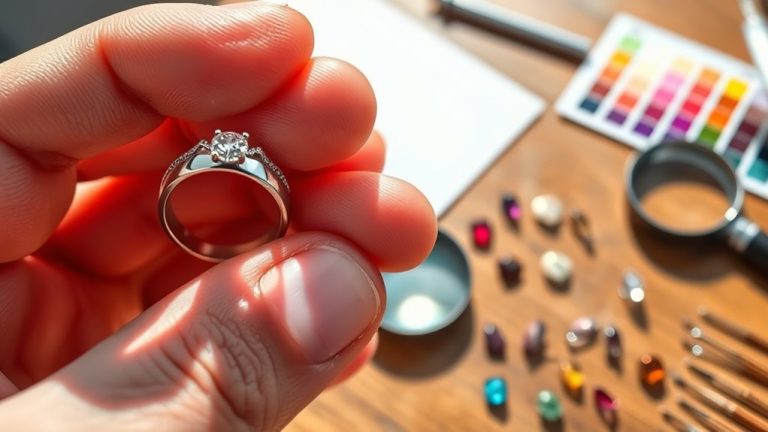

What Jewelry Can Be Worn by a Food Handler?
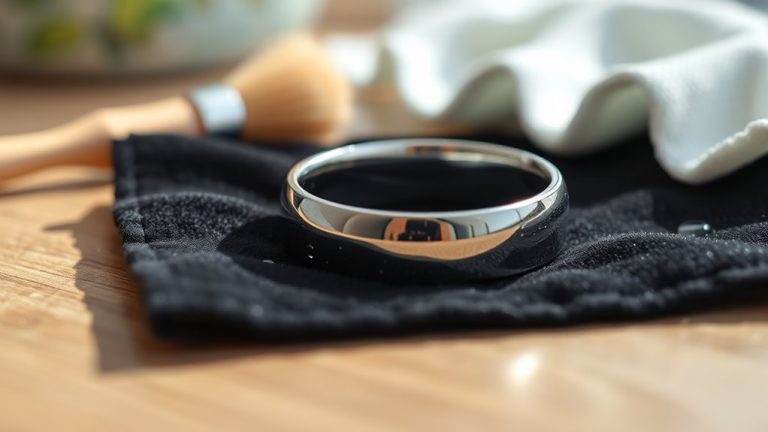
When handling food, it’s essential to adhere to strict hygiene standards, and that includes being mindful of the jewelry you wear. Only simple, non-porous jewelry like plain metal wedding bands and small stainless steel or plastic stud earrings are acceptable.
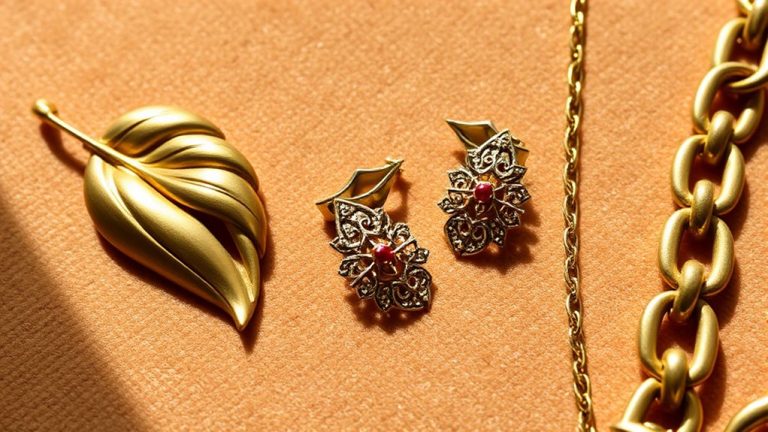
Watches, bracelets, necklaces, or any pieces with stones or intricate designs should be avoided. These items can trap bacteria or even fall into food, posing a safety risk.
Facial piercings should be either removed or adequately covered to ensure safety during food handling.
Following these jewelry guidelines helps keep food safe and complies with hygiene standards.
Let’s dive deeper to understand more about safe jewelry practices and the associated risks.
Jewelry Regulations and Food Safety Standards

Although regulations vary by region, most food safety standards only allow plain, unadorned wedding bands without stones or engravings for food handlers.
Jewelry regulations exist to reduce contamination risk and physical hazards in food preparation areas.
Jewelry rules help prevent contamination and physical dangers in food preparation environments.
Food safety guidelines emphasize wearing minimal jewelry to maintain strict hygiene standards and prevent bacteria buildup on intricate designs or stones.
As a food handler, you’ll find that jewelry restrictions typically ban earrings, necklaces, and rings with embellishments, allowing only simple, non-porous items that are easy to clean.
Some jurisdictions permit gloves over a plain wedding band, but the focus remains on minimizing contamination risks.
Following these jewelry restrictions ensures you comply with food safety standards and protect the food you prepare from potential hazards.
Types of Jewelry Permitted for Food Handlers

What types of jewelry can you wear while handling food without risking contamination?
Jewelry regulations prioritize safety and hygiene to minimize contamination risk in food service.
Generally, the jewelry allowed for food handlers is limited to minimal pieces that don’t interfere with food safety or harbor bacteria.
Here are the types of jewelry permitted under typical restrictions:
- A plain wedding ring made of metal, without stones or engravings.
- Small stud earrings made of stainless steel or plastic.
- Medical identification bracelets if necessary, but they should be minimal and non-porous.
- No watches, bracelets, or decorative necklaces.
- It’s best to avoid dangling or intricate designs that can fall into food.
Following these guidelines helps ensure jewelry hygiene and compliance with regulations while reducing contamination risk.
Risks and Hazards of Wearing Jewelry in Food Preparation

When you wear jewelry like rings, bracelets, or watches while preparing food, you heighten the risk of contamination.
These items can harbor bacteria and pathogens. Jewelry hazards include trapping food particles and dirt in intricate designs, which promotes microbial growth and complicates proper hygiene.
Wearing jewelry also obstructs hand hygiene, reducing the effectiveness of washing and increasing contamination risks.
Additionally, loose jewelry poses a physical hazard; it can fall into food, causing contamination and choking dangers.
Food safety regulations often restrict jewelry during food handling to minimize these risks.
By avoiding jewelry, you guarantee thorough handwashing and compliance with food safety standards.
Ultimately, this protects consumers from food contamination and maintains a safe food preparation environment.
Guidelines for Handling Facial Piercings and Necklaces
Because facial piercings and necklaces can harbor bacteria, it’s crucial to handle them carefully during food preparation.
Food safety regulations and health department guidelines often require you to remove or properly cover facial piercings with barrier coverings to prevent cross-contamination.
Necklaces are generally discouraged as part of food handler attire due to hygiene concerns and potential hazards.
For contamination prevention, follow these guidelines:
- Remove facial piercings when possible or use proper coverings like bandages or mesh.
- Avoid wearing necklaces to reduce bacteria buildup and accident risks.
- Follow local health department guidelines strictly.
- Maintain jewelry hygiene by cleaning barrier coverings regularly.
- Prioritize contamination prevention to comply with food safety regulations.
Best Practices to Maintain Hygiene While Wearing Jewelry
Although wearing jewelry while handling food is generally discouraged, you can maintain hygiene by choosing minimal, non-porous pieces like plain wedding bands.
Make sure they fit snugly to prevent contamination and accidents.
Ensure jewelry fits snugly to avoid contamination risks and accidental hazards during food handling.
Stick to jewelry types made from stainless steel or silicone, as these materials resist bacteria and are easy to clean.
It’s best to avoid intricate designs or jewelry that traps bacteria, such as those with stones or charms.
This approach supports contamination prevention effectively.
Remember to follow jewelry safety guidelines by regularly practicing jewelry removal during food preparation.
Combine this with proper handwashing to enhance food safety.
Even minimal jewelry can harbor germs, so consistent hygiene habits are essential.
Frequently Asked Questions
What Jewelry Can a Food Handler Wear?
You can wear a plain wedding band made of metal or silicone.
Sometimes, small stud earrings are allowed too.
However, you should avoid watches, bracelets, and decorative jewelry.
This helps maintain hygiene standards and prevents contamination risks in food handling.
Can You Wear Jewelry When Working With Food?
You can wear only a plain wedding band without stones or engravings when working with food.
Other jewelry like bracelets, necklaces, or earrings should be removed to prevent contamination and maintain food safety.
It’s important to keep in mind that minimizing jewelry helps ensure a clean and safe cooking environment.
What Jewelry Can Be Worn by a Food Handler Watch Bracelet Diamond Rings Plain Ring Bands?
Did you know that 40% of food contamination is linked to jewelry?
You can only wear plain ring bands.
Watches, bracelets, and diamond rings?
They’re off-limits to keep food safe and avoid contamination risks during handling.
What Are the Servsafe Rules for Jewelry?
ServSafe rules state that you can only wear a plain wedding band without stones or engravings.
It’s important to avoid wearing watches, bracelets, earrings, or necklaces while handling food.
This is to prevent contamination and to maintain proper hygiene standards.
Conclusion
You might think your sparkling rings or dangling necklaces add flavor to your work, but in food handling, they’re more like unwanted spices—contaminating and risky.
Wearing minimal, simple jewelry, like a plain wedding band, keeps your hands clean and customers safe.
So, resist turning your fingers into a jewelry box; after all, the only thing that should shine in the kitchen is the food, not your accessories.
Clean hands beat flashy bling every time.
In conclusion, when it comes to food handling, remember that less is more. Minimal and simple jewelry, such as a plain wedding band, is not only safer but also ensures that cleanliness is prioritized.
Keeping your hands free of excessive accessories helps prevent contamination and keeps customers safe. So, let your food take center stage, and keep your jewelry to a minimum for a healthier kitchen environment!