Will Gold Filled Jewelry Tarnish and How to Prevent It
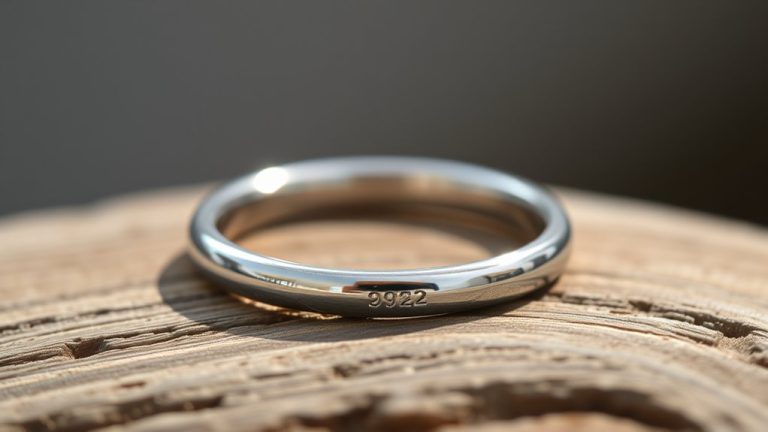
Yes, gold-filled jewelry can tarnish over time, especially if it’s exposed to moisture, sweat, chemicals, or pollutants.
To prevent this, you should avoid contact with harsh substances like chlorine, lotions, and perfumes.
Cleaning your jewelry gently with mild soap and water is also a good practice.
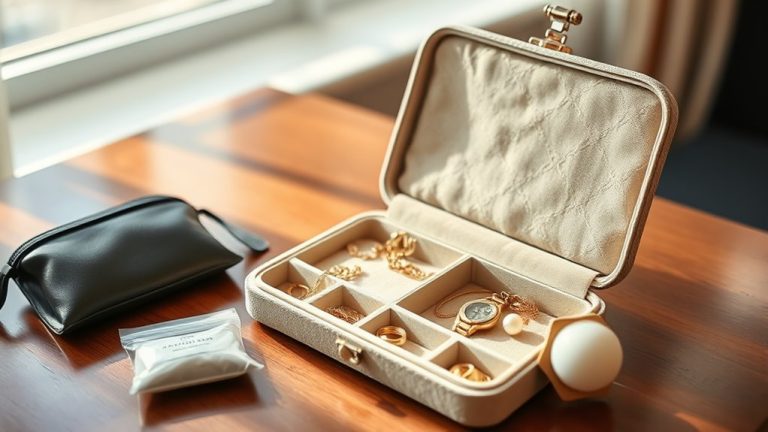
Storing it in airtight containers with anti-tarnish strips helps as well.
Taking these steps will keep your gold-filled pieces looking bright and durable much longer.
Learn more tips to protect your treasured jewelry for years to come.
Understanding the Composition of Gold-Filled Jewelry
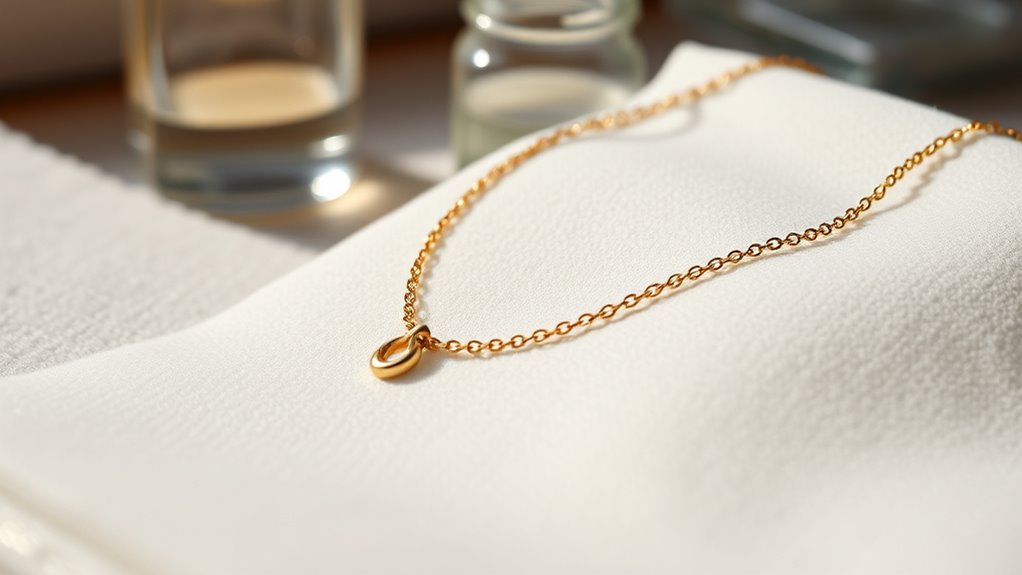
Although gold-filled jewelry may look similar to gold-plated pieces, it contains a much thicker layer of gold—at least 5% by weight—bonded to a base metal like brass or copper through heat and pressure.
This gold layer, often 12k or 14k, is mechanically bonded to the base metal, making gold-filled jewelry highly durable.
Because the gold is fused firmly, it resists wear and tarnish far better than thinner gold-plated items.
When you wear gold-filled pieces, you benefit from a strong, long-lasting finish that maintains its shine and quality over time.
Identifying gold-filled jewelry is easier with markings like “14/20 GF,” confirming its substantial gold content and durable construction.
This composition ensures your jewelry holds up well against everyday use without quickly losing its luster.
Factors That Cause Tarnishing in Gold-Filled Pieces
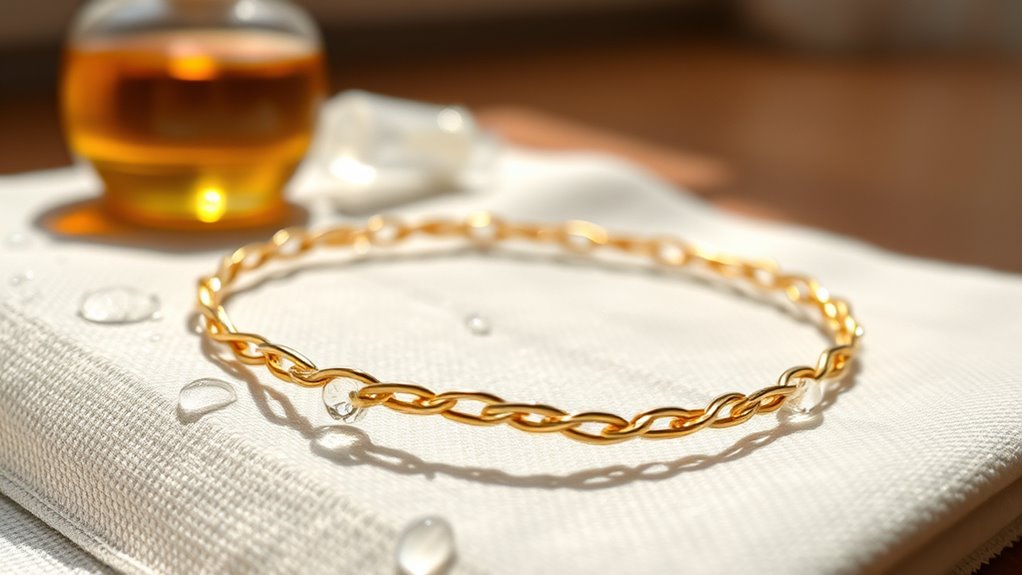
You’ll find that environmental factors like moisture and air pollutants can trigger tarnishing on your gold-filled jewelry.
Chemicals from packaging materials or household cleaners also speed up this process by reacting with the metal layers.
Understanding these influences helps you protect your pieces and keep them shining longer.
Environmental Tarnish Triggers
When you wear gold-filled jewelry, various environmental factors can trigger tarnishing that dulls its shine.
Exposure to moisture and high humidity promotes oxidation, which leads to tarnish buildup on your pieces. Pollutants like sulfur compounds in the air also react with the gold layer, causing discoloration over time.
Additionally, gases emitted from certain fabrics or packaging can interact with your jewelry’s surface, further contributing to tarnish and color changes.
Sweat and body oils mix with these environmental elements, accelerating the tarnishing process if you don’t clean or store your jewelry properly.
Being aware of these triggers helps you protect your gold-filled items from premature dulling.
This way, you can maintain their bright, polished look for longer!
Chemical Exposure Effects
Beyond environmental factors, chemical exposure plays a significant role in tarnishing your gold-filled jewelry.
Perfumes, lotions, and cleaning products contain chemicals that can break down the gold layer, triggering oxidation and tarnish.
Pollutants like sulfides in the air react with the brass core beneath the gold, accelerating chemical reactions that cause discoloration.
Even chlorinated or saltwater speeds up this process, especially in hot tubs.
Gases emitted from fabrics, adhesives, or packaging also contribute to tarnish through ongoing chemical reactions.
Your body chemistry matters too—natural oils and sweat can interact with the metal, particularly if the protective gold layer wears thin.
Differences Between Gold-Filled and Gold-Plated Jewelry
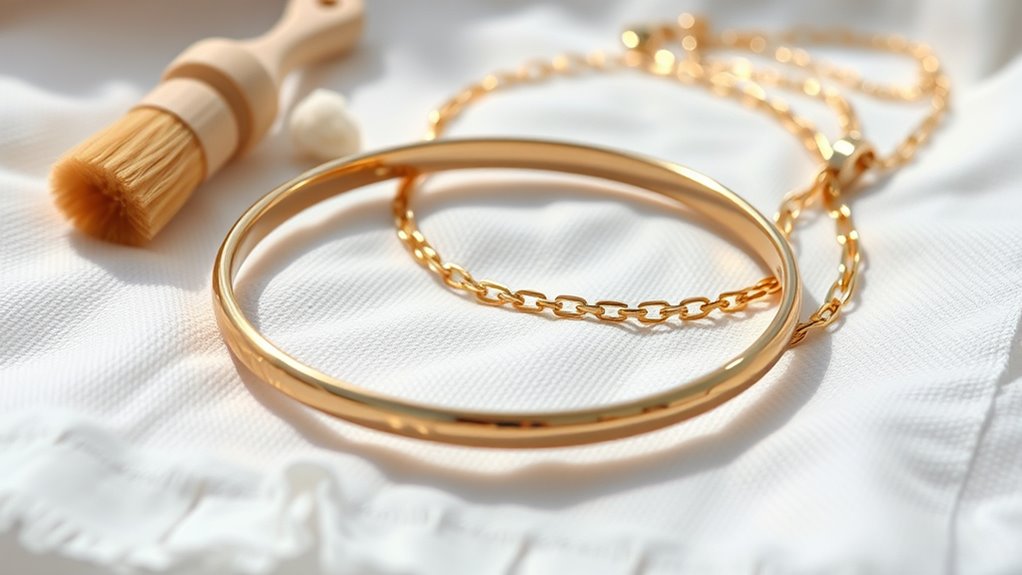
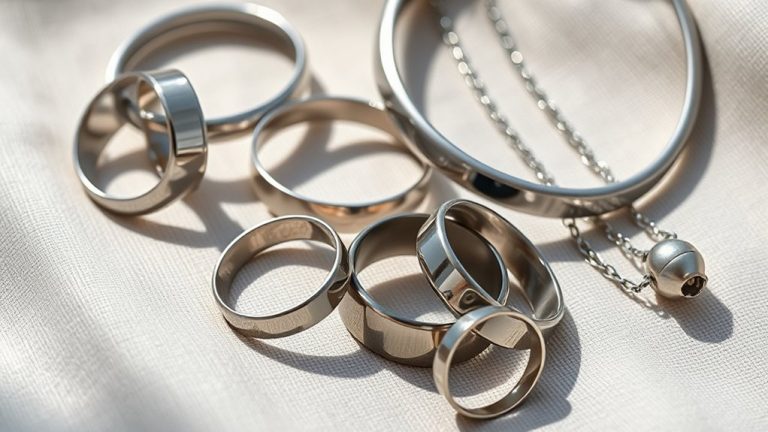
Although gold-filled and gold-plated jewelry may look similar at first glance, they differ considerably in durability and quality.
Gold-filled pieces have a thick layer of gold—at least 5% by weight—bonded to a base metal, giving them superior durability and resistance to tarnish.
In contrast, gold-plated jewelry features a much thinner layer of gold that wears off quickly with regular use. This makes it prone to tarnishing within a year or less.
Because of this, gold-filled jewelry lasts for decades when you provide proper care. Meanwhile, gold-plated items require more frequent replacement.
Also, gold-filled jewelry must be clearly marked with its karat and “GF,” helping you identify its quality.
Understanding these differences helps you pick jewelry that fits your lifestyle and care preferences.
How Body Chemistry Affects Gold-Filled Tarnish
Since your body’s chemistry directly interacts with gold-filled jewelry, it plays a key role in how quickly tarnish develops.
Factors like acidity and sweat composition in your skin can accelerate wearing down the gold layer, causing skin discoloration and exposing the base metal.
If your skin is more acidic, you might notice tarnish or darkening faster than others.
Sweat’s oils and salts also react with the metal, contributing to tarnish.
| Body Chemistry Factor | Effect on Tarnish | Result on Skin |
|---|---|---|
| High Acidity | Speeds gold layer wear | Increased discoloration |
| Sweat Composition | Reacts with base metal | Skin staining and tarnish |
| pH Level Variance | Alters tarnish timing | Varies by individual |
Understanding your body chemistry helps you manage tarnish on gold-filled jewelry better.
The Impact of Environmental Exposure on Gold-Filled Jewelry
You’ll notice that chemicals from pools, lotions, and perfumes can wear down your gold-filled jewelry’s surface over time.
Humidity and pollution, especially sulfur compounds in the air, speed up tarnishing and discoloration.
To keep your pieces shining longer, it’s key to limit exposure and store them properly.
Chemical Exposure Effects
When you expose gold-filled jewelry to chemicals like perfumes, lotions, or cleaning agents, the gold layer can weaken and start to tarnish over time.
Chemical exposure causes the protective gold layer to deteriorate, making the underlying metal vulnerable to corrosion and damage.
Environmental factors such as sulfur gases, polluted air, and cigarette smoke also react with the base metal, accelerating tarnish and discoloration.
Additionally, chlorine and saltwater from pools or oceans can speed up corrosion, further harming your jewelry’s finish.
Strong household cleaners and spa chemicals can strip the gold layer or break its bond, leading to visible damage.
To keep your gold-filled jewelry looking its best, minimize chemical exposure and clean it regularly to prevent tarnish caused by these environmental factors.
Humidity and Tarnishing
Beyond chemical exposure, humidity plays a significant role in the tarnishing of gold-filled jewelry.
High humidity increases moisture on the gold layer, which accelerates oxidation and causes your pieces to tarnish faster.
If the gold layer gets compromised, the underlying brass core oxidizes more quickly, especially in persistently humid places like bathrooms or tropical climates.
To protect your gold-filled jewelry, prioritize proper storage in dry, airtight containers.
Adding silica gel packets or anti-tarnish pouches helps absorb excess moisture, reducing humidity’s impact.
Avoid leaving your jewelry exposed to humid air for long periods without cleaning, as this can dull its shine and lead to discoloration.
Pollution and Discoloration
Although gold-filled jewelry is designed to resist tarnish, exposure to environmental pollutants like sulfur compounds and acid rain can cause discoloration over time.
Pollution accelerates oxidation, which leads to surface changes that dull your jewelry’s shine.
Airborne particles and chemical fumes settle on the metal, trapping dirt and promoting tarnish.
Prolonged contact with polluted air can even weaken the gold layer’s bond, increasing the risk of flaking or wearing down.
To combat this, clean your pieces regularly using gentle methods to remove buildup and prevent oxidation.
When not in use, store your gold-filled jewelry in airtight containers to minimize exposure to harmful pollutants.
Effective Cleaning Methods for Gold-Filled Jewelry
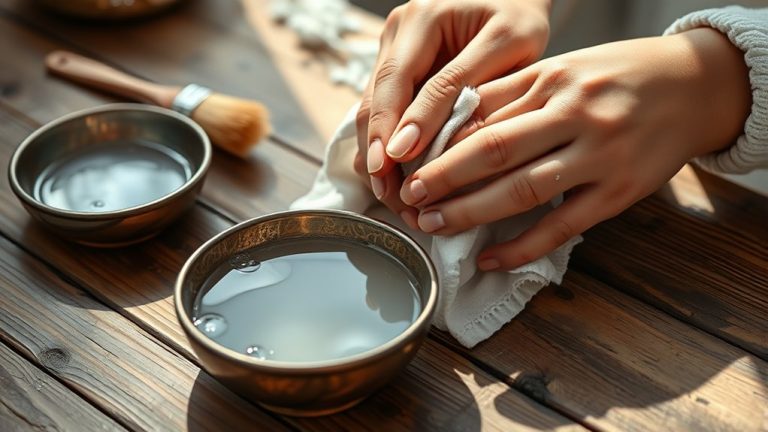
Since gold-filled jewelry has a delicate layered structure, you should clean it gently using mild soap and warm water with a soft cloth or toothbrush.
This method guarantees you don’t damage the layered material while removing dirt and oils that cause tarnish.
After cleaning every time you wear it, rinse thoroughly with clean water and pat dry with a soft, lint-free cloth to avoid water spots.
When tarnish occurs, you can carefully use a jewelry cleaner designed for gold-filled pieces, following the instructions precisely.
Avoid harsh or abrasive cleaners, ultrasonic, and steam cleaning, as they can weaken the gold layer.
Proper care and gentle cleaning keep your jewelry looking beautiful and extend its life without compromising its delicate finish.
Daily Practices to Extend the Life of Gold-Filled Jewelry
Keeping your gold-filled jewelry clean is just one part of preserving its shine and durability. To extend its longevity, follow simple daily care tips.
Always remove your jewelry before swimming, bathing, or using hot tubs. This will help you avoid exposure to chlorine and harsh chemicals that can cause tarnish.
Remove jewelry before swimming or bathing to prevent tarnish from chlorine and harsh chemicals.
Rinse pieces gently with clean water and dry them thoroughly after exposure to sweat or pollutants.
Avoid contact with perfumes, lotions, and household cleaners, as these can degrade the gold layer and promote oxidation.
Limit wearing your gold-filled jewelry during activities that cause friction or excessive sweating. This can thin the gold layer and increase tarnish risk.
Proper Storage Techniques to Prevent Tarnish
When you store your gold-filled jewelry properly, you can considerably slow down tarnishing and preserve its shine.
Using the right storage techniques is key to protecting your pieces from oxidation caused by air and humidity. Here’s how to keep your jewelry in top shape:
- Place items in airtight storage like sealed plastic bags or jewelry pouches to limit exposure to air and moisture.
- Add anti-tarnish strips or silica gel packets to absorb humidity and prevent tarnish.
Avoid wooden or treated storage boxes that release gases accelerating tarnish.
Keep jewelry away from direct sunlight and heat, which speed up oxidation.
Always clean and dry pieces thoroughly before storing to remove oils and debris.
Follow these tips, and your gold-filled jewelry will stay radiant longer.
Common Mistakes to Avoid When Caring for Gold-Filled Jewelry
Although gold-filled jewelry is more durable than plated pieces, you still need to handle it carefully to avoid damage.
One common mistake is exposing your jewelry to harsh chemicals like bleach, ammonia, or acetone. These can damage the gold layer and cause tarnish.
Also, avoid wearing gold-filled jewelry while swimming in pools, hot tubs, or saltwater. This can lead to chemical tarnishing, which is a bummer for your pieces.
Don’t use ultrasonic or steam cleaners either, as they can weaken the bonded gold over time.
And please, never file or sand the surface yourself! This removes the gold layer and compromises durability.
Finally, always store your gold-filled jewelry in airtight, anti-tarnish pouches. Keep it separate from other metals to avoid scratches and oxidation.
Proper care prevents damage and helps keep your pieces looking their best!
Frequently Asked Questions
How Long Will Gold-Filled Jewelry Last?
Gold-filled jewelry can last 10 to 30 years or more if you handle it carefully,
clean it regularly, avoid harsh chemicals, and store it properly.
Taking these steps helps keep your jewelry looking great longer.
How to Maintain Gold-Filled Jewelry?
You should clean your gold-filled jewelry regularly with mild soap and a soft cloth.
Storing it in airtight pouches is a great idea too!
Avoid exposing your jewelry to water and chemicals.
And here’s a tip: consider applying a thin layer of beeswax to keep it looking shiny and new.
Can I Shower With Gold-Filled Jewelry?
You shouldn’t shower with gold-filled jewelry.
Moisture, soap, and chemicals can cause tarnishing and damage over time.
To keep your pieces looking great, remove them before showering and clean them regularly for lasting shine.
Will Gold-Filled Jewelry Ever Tarnish?
Gold-filled jewelry rarely tarnishes, but if you scratch it or expose it to harsh chemicals, it can dull over time.
You’ll want to store it carefully and clean it gently to keep that shine alive.
Conclusion
You might be surprised to learn that gold-filled jewelry contains about 100 times more gold than gold-plated pieces.
This makes it much more durable and less prone to tarnish.
By understanding how your body chemistry and environment affect your jewelry, you can make informed decisions about care.
Following simple cleaning and storage tips will help keep your gold-filled items shining longer.
With just a bit of care, your jewelry can stay stunning for years to come.
In conclusion, gold-filled jewelry is a fantastic choice for those seeking durability and beauty.
By being mindful of your environment and taking proper care, you can significantly reduce the chances of tarnishing.
So remember to clean and store your pieces correctly, and enjoy the shine and elegance of your gold-filled jewelry for years ahead!