What Jewelry Turns Skin Green and Why?
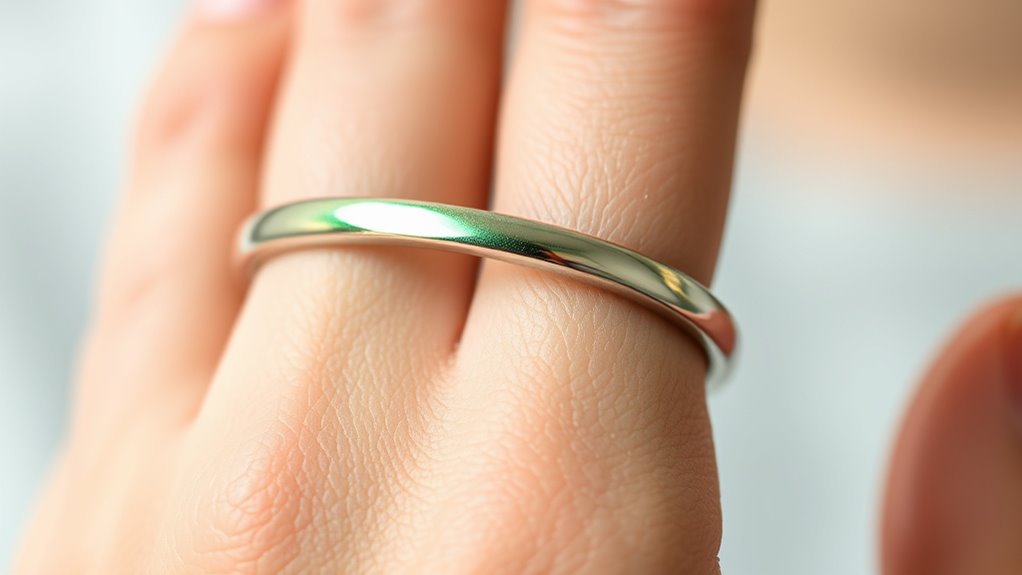
If your skin turns green from jewelry, it’s usually because of copper or its alloys like brass and low-karat gold.
When these metals come into contact with moisture, sweat, or acidic skin, they can oxidize. This oxidation leaves behind green copper salts on your skin.
Factors like sweat, skin pH, and environmental conditions can speed up this process.
To prevent those unsightly stains, consider choosing higher-quality metals or jewelry with protective coatings.
Keep exploring to discover how to avoid and manage those pesky stains!
Metals Commonly Responsible for Green Skin
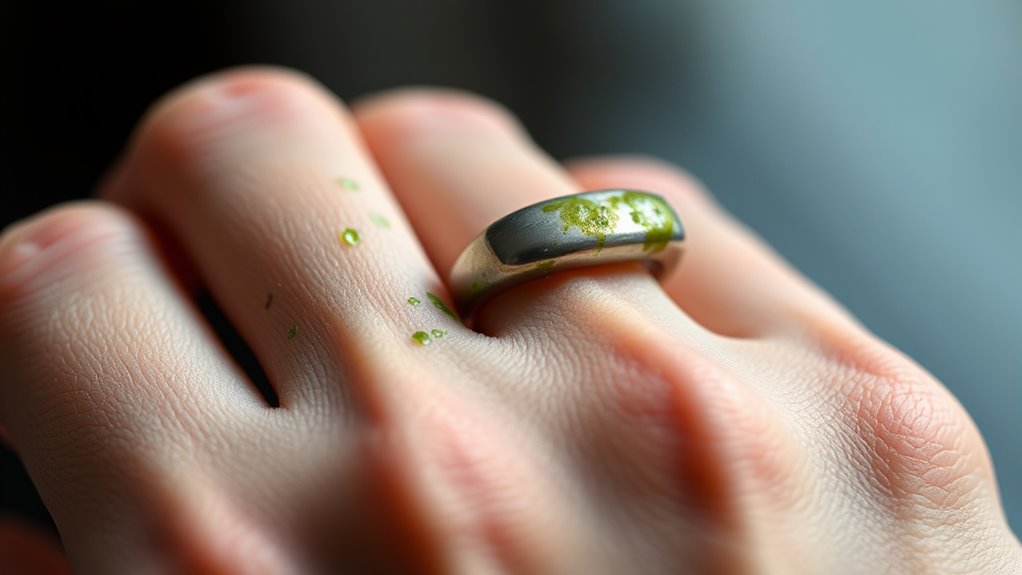
Although many metals can cause skin discoloration, copper and its alloys are the main culprits behind green stains.
When copper undergoes oxidation from moisture and air exposure, it leaves a green discoloration on your skin. Brass, a metal alloy made of copper and zinc, also causes this effect due to similar metal reactions with your skin oils and sweat.
Sterling silver contains about 7.5% copper, so it can turn your skin green through copper oxidation as well.
Low-quality gold alloys under 14K often include copper or nickel, increasing the chance of green stains.
On the other hand, metals like high-karat gold resist oxidation, so they rarely cause green discoloration.
Understanding these metal alloys helps you choose jewelry that won’t turn your skin green.
Chemical Reactions Behind Skin Discoloration
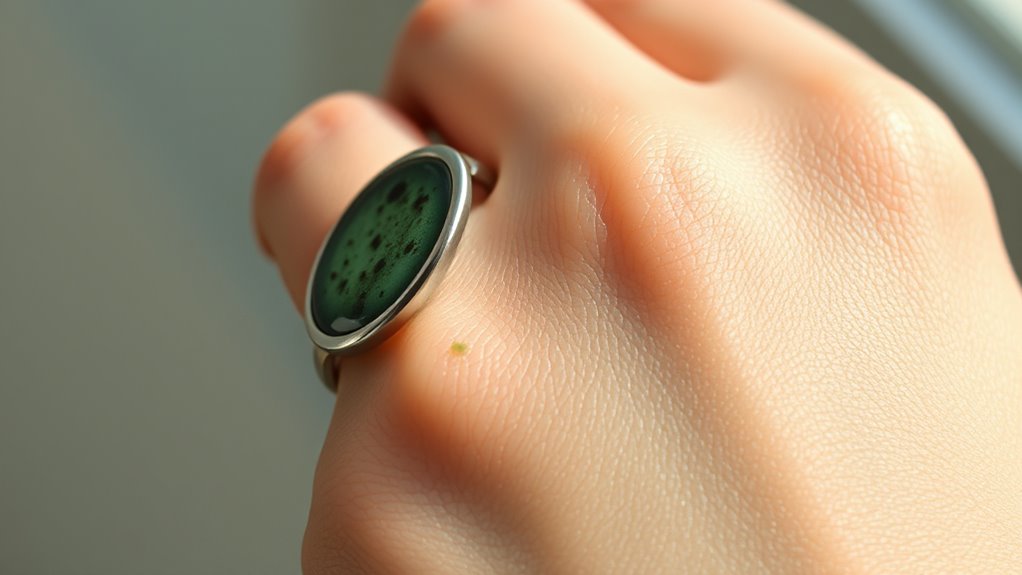
When copper and its alloys come into contact with your skin, they engage in chemical reactions with moisture, acids, and salts present on your body.
These reactions cause oxidation on the metal surface, producing copper salts that lead to green discoloration.
Oxidation on copper surfaces creates copper salts that cause the distinctive green discoloration on skin.
Unlike silver tarnish, which results from silver reacting with sulfur compounds and appears black, copper’s oxidation causes the familiar green stain.
Base metals in metal alloys can also contribute to skin reactions, sometimes causing allergic responses or minor discoloration.
Here’s what happens chemically:
- Copper oxidizes, forming chlorides and carbonates on the metal surface.
- Copper salts transfer to your skin, creating visible green discoloration.
- Silver tarnish forms black silver sulfide but rarely stains skin green.
- Base metals may trigger allergic reactions and subtle color changes.
These chemical reactions are harmless but are visible signs of metal interaction with your skin.
Environmental and Body Factors Affecting Green Staining
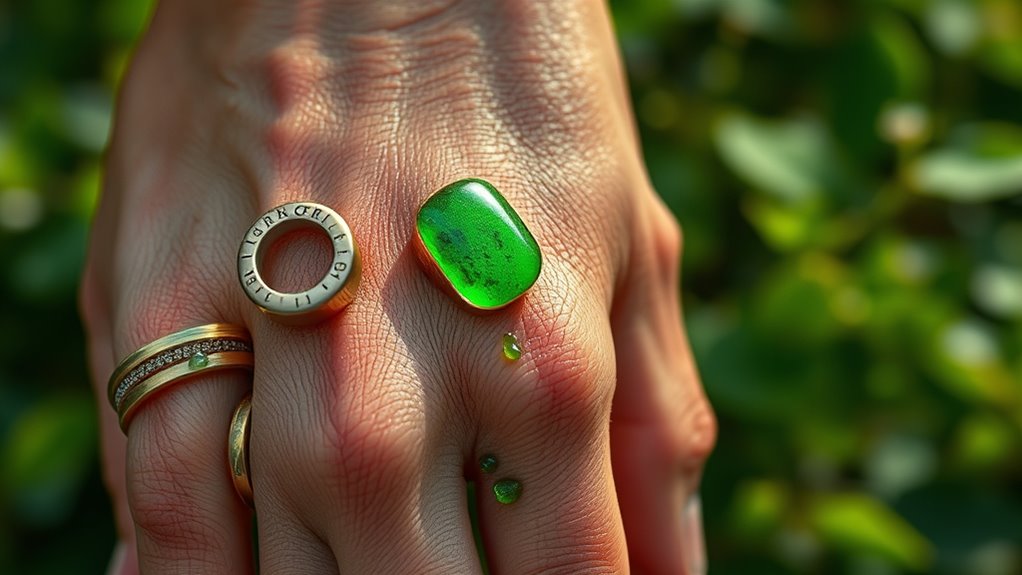
Since your skin and surroundings constantly expose jewelry to moisture, acids, and chemicals, these factors play a crucial role in how quickly metals like copper oxidize and cause green staining.
Sweat, which contains salts and acids, reacts with alloys, producing green copper salts that stain your skin.
Your skin pH affects oxidation speed—more acidic skin accelerates chemical reactions causing discoloration.
Environmental pollutants and sulfur gases promote tarnishing on jewelry surfaces, intensifying skin discoloration.
| Factor | Effect on Green Staining |
|---|---|
| Moisture & Sweat | Accelerate oxidation, form copper salts |
| Skin pH | Lower pH speeds up skin discoloration |
| Environmental Pollutants | Cause tarnishing, increase reactions |
Understanding these factors helps you recognize why green skin occurs with some jewelry.
Preventative Measures to Avoid Green Skin From Jewelry
Understanding how moisture, sweat, and environmental factors cause green staining on your skin helps you take steps to prevent it.
To avoid green discoloration from jewelry, focus on these preventative measures:
- Apply a coat of clear nail polish on the inner surfaces to block metal contact and reduce oxidation.
- Remove jewelry before showering, swimming, or exercising to limit water exposure and sweat buildup.
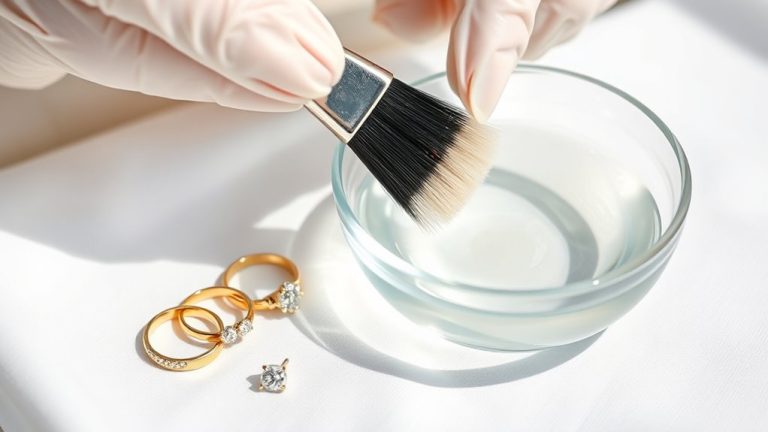
Regularly clean your jewelry with warm soapy water and a soft brush to eliminate oils and residues that trigger reactions.
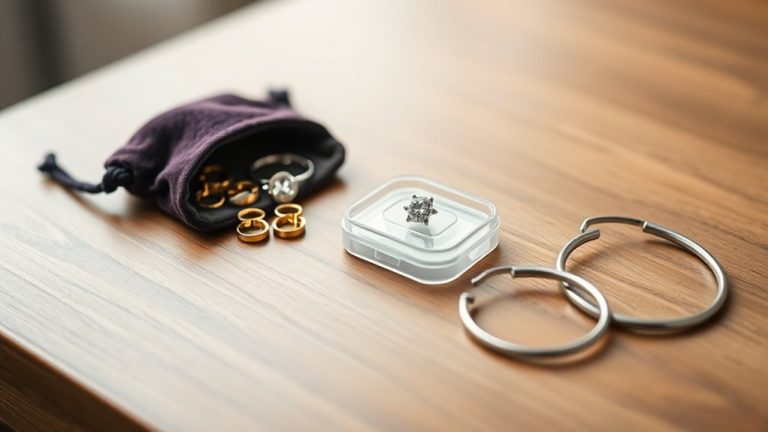
Also, store your pieces in dry, airtight containers using storage tips that prevent tarnishing and oxidation.
Choosing high-quality metals like stainless steel can also help, especially if you have a metal allergy.
Choosing Jewelry Materials That Minimize Skin Discoloration
Although many metals can cause green discoloration on your skin, choosing the right jewelry materials considerably reduces this risk.
Opt for hypoallergenic metals like platinum and titanium, which rarely trigger metal reactions or skin discoloration.
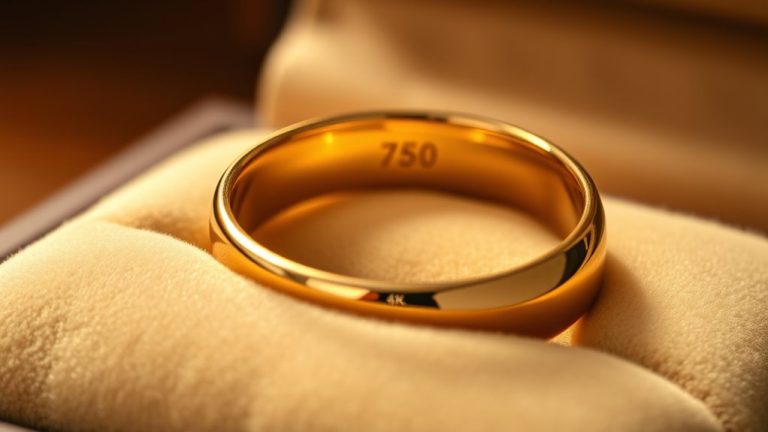
High-karat gold, such as 18K or 24K, contains less copper and zinc—common base metals responsible for green stains—due to its alloy composition.
Stainless steel jewelry, especially surgical-grade, resists oxidation and minimizes skin discoloration.
When selecting gold-plated pieces, ensure the base metals are high-quality, like stainless steel or sterling silver, to create a protective barrier.
Always check the metal content before buying to avoid unexpected reactions.
Frequently Asked Questions
What Does It Mean When Your Jewelry Makes Your Skin Green?
When your jewelry makes your skin green, it means copper in the metal is reacting with your skin’s acids or sweat.
Don’t worry—it’s harmless oxidation, not an allergy or harmful effect.
And the good news? You can prevent it!
How Do I Prevent Jewelry From Turning My Skin Green?
Want to keep your skin from turning green?
You can’t go wrong by applying clear nail polish to your jewelry.
Avoiding water exposure is also key, along with choosing quality metals.
And don’t forget to clean your jewelry regularly!
Isn’t prevention always better than fixing?
What Jewelry Does Not Turn Your Skin Green?
You won’t get green skin from jewelry made of stainless steel, titanium, platinum, or high-karat gold.
Hypoallergenic metals and well-coated pieces prevent discoloration, so choose these to keep your skin looking flawless and irritation-free.
Conclusion
If you’ve ever noticed your skin turning green after wearing certain jewelry, it’s not magic—it’s chemistry at work.
Metals like copper react with sweat and moisture, leaving a green mark like a secret signature.
But don’t worry, you can avoid this by choosing hypoallergenic materials and keeping your skin dry.
With a little care, your jewelry will shine without painting you a new color.
Your skin deserves jewelry that loves it back!
In conclusion, the green discoloration is caused by metal reactions, particularly with copper.
To prevent this, opt for hypoallergenic jewelry made from stainless steel, sterling silver, or gold.
Also, maintaining dry skin by removing jewelry when sweating can make a big difference.
By choosing wisely, you can enjoy beautiful accessories without the worry of skin irritation.