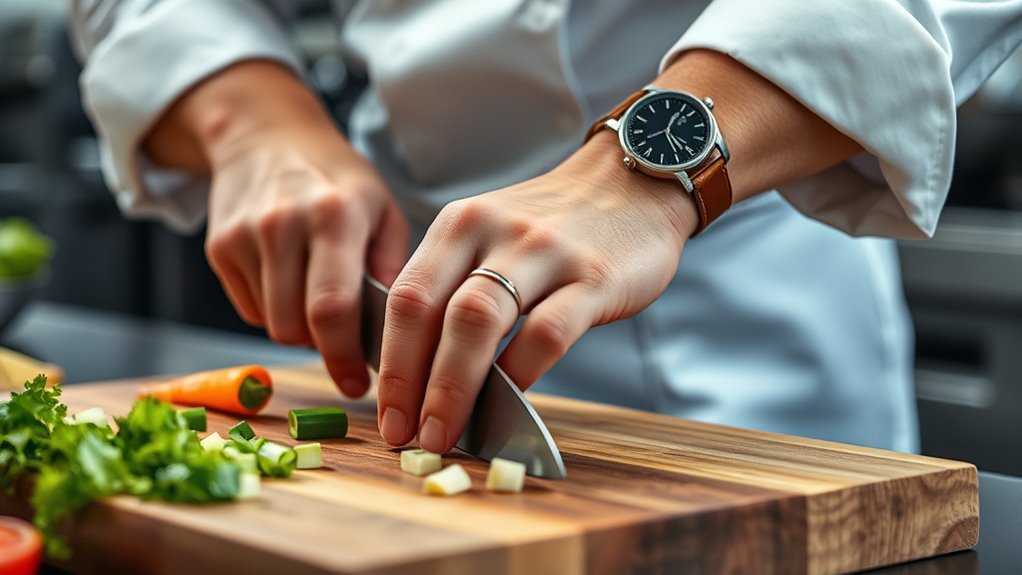
How to Wear Only Allowed Jewelry When Preparing Food
When preparing food, it’s essential to wear only allowed jewelry to maintain hygiene and safety standards. Simple, plain jewelry like a smooth wedding band without stones or engravings is the best choice.
Avoid wearing bracelets, rings with grooves, or dangling earrings. These items can trap bacteria or risk falling into the food, which can compromise food safety.
Always wash your hands thoroughly before and after handling jewelry. This practice helps to minimize any potential contamination.
Additionally, store your jewelry in clean containers away from food areas.
Following these guidelines not only keeps food safe but also upholds workplace standards.
By adhering to these practices, you can enhance your food safety routine and ensure a hygienic cooking environment.
Understanding Food Safety Regulations for Jewelry
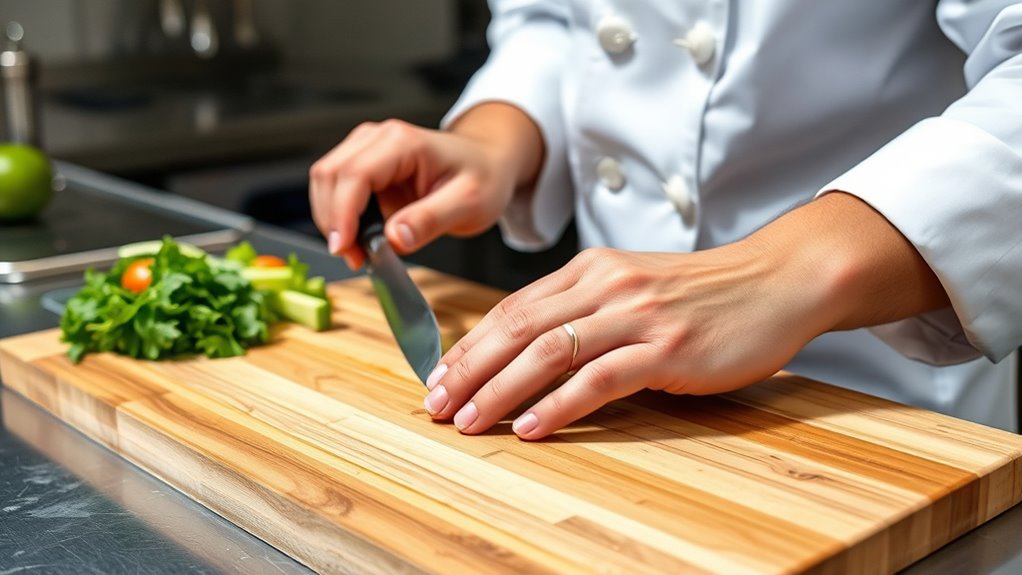
Although personal style matters, food safety regulations usually allow only a plain, smooth wedding band on your hands during food preparation to reduce contamination risks.
As a food handler, you need to understand that most guidelines prohibit jewelry like rings with stones, bracelets, watches, necklaces, or dangling earrings in food prep areas.
These rules aim to prevent bacteria buildup and physical contamination, aligning with standards such as the FDA Food Code.
Employers may enforce stricter policies depending on local health codes or safety standards, so it’s important you’re aware of both regulatory and workplace requirements.
Identifying Jewelry Allowed for Food Handlers
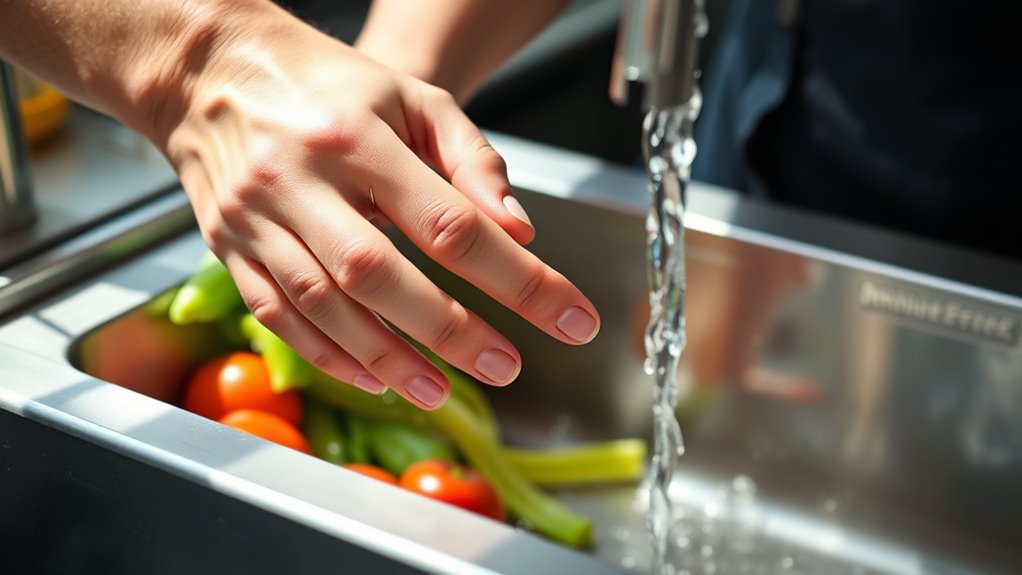
You need to know which jewelry is safe to wear while handling food, like plain wedding bands and simple stud earrings.
Your workplace policies might have extra rules, so make sure you understand what’s allowed.
Following these guidelines helps keep food preparation hygienic and contamination-free.
Permitted Jewelry Types
When preparing food, you can wear only a limited selection of jewelry to maintain hygiene and safety.
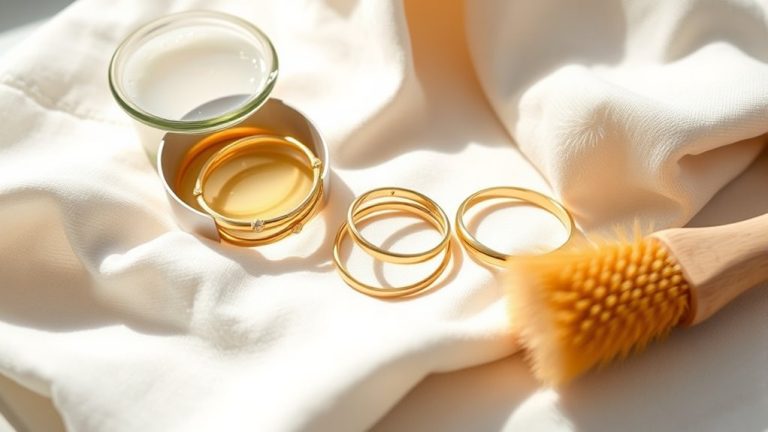
A plain wedding band without grooves, stones, or engravings is usually the only ring allowed, as it minimizes the risk of trapping bacteria.
Wearing minimal jewelry, such as small stud earrings close to the ear, may be acceptable depending on your workplace rules.
Medical alert bracelets are generally permitted but must be kept clean and sanitized regularly.
Avoid rings with stones or intricate designs because they can harbor germs and compromise food safety.
If you choose to wear jewelry, opt for pieces made of non-porous, easy-to-clean materials like stainless steel or silicone.
Keeping your accessories simple helps you uphold strict food safety standards every time you work.
Workplace Jewelry Policies
Since food handlers play a crucial role in maintaining hygiene, employers must set clear jewelry policies that specify what’s allowed during work.
To protect food safety and reduce contamination risks, your workplace jewelry policies should permit only a plain wedding band without grooves or stones.
Avoid wearing medical alert bracelets, jagged rings, bracelets, or watches in food prep areas.
These items can harbor bacteria or fall into food.
Although earrings and necklaces aren’t banned by the Food Code, your employer may restrict them to further minimize contamination.
Managers must enforce these rules strictly and ensure you follow the documented jewelry policies.
Risks Associated With Wearing Jewelry During Food Preparation
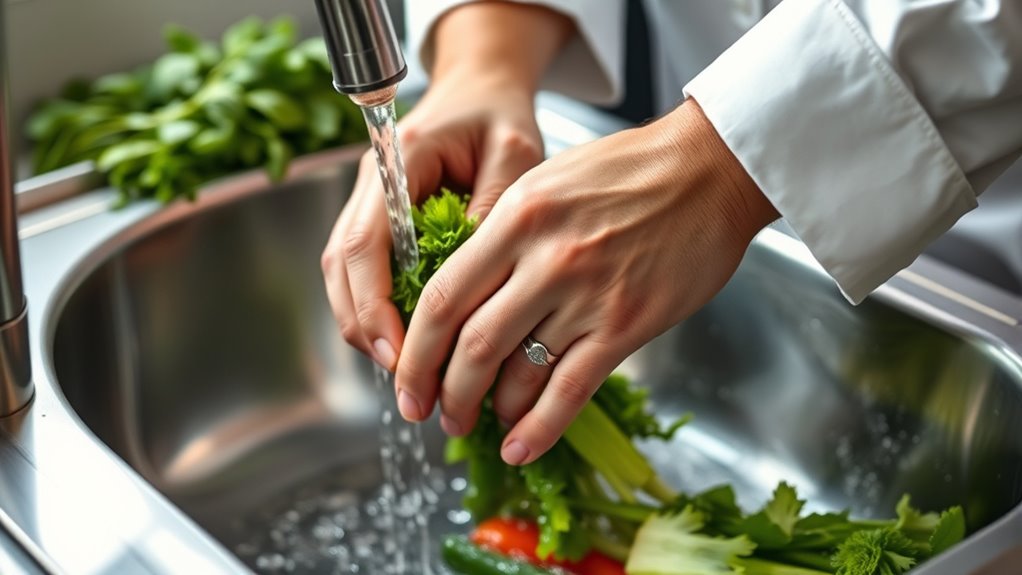
Although jewelry might seem harmless, it can harbor bacteria and food particles that increase contamination risks during food preparation.
Jewelry can trap bacteria and food debris, raising contamination risks in the kitchen.
When you wear rings, bracelets, or watches, germs can hide in crevices, especially in textured or stone-set jewelry, making thorough cleaning difficult.
This hidden contamination threatens food safety by allowing pathogens to transfer onto food.
Besides bacterial risks, jewelry can physically damage gloves or even break off into food, creating hazards.
Wearing jewelry also impairs proper handwashing, as dirt and microbes cling beneath these items, raising the chance of cross-contamination.
To protect yourself and others, it’s essential to understand how jewelry contributes to contamination and compromises food safety.
How Jewelry Can Compromise Hygiene and Food Safety
You might not realize that jewelry like rings and bracelets can trap bacteria in tiny crevices.
This makes it hard to clean your hands properly.
This buildup increases the risk of transferring germs to food and causing contamination.
Plus, jewelry can accidentally fall into food or tear gloves, creating physical hazards you want to avoid.
Jewelry Harbors Bacteria
When you wear jewelry like rings, bracelets, or watches while preparing food, you give bacteria a perfect hiding spot in tiny crevices and under stones.
These areas are tough to clean thoroughly, allowing bacteria to multiply quickly. Jewelry’s intricate designs trap dirt and organic matter, creating ideal breeding grounds for harmful microbes.
When you don’t sanitize your jewelry regularly, germs transfer easily to your hands and then to food surfaces and ingredients, raising contamination risks.
Plus, wearing jewelry can interfere with proper handwashing, letting bacteria persist.
To keep food safe and hygienic, it’s best to avoid wearing jewelry or ensure it’s permitted and clean, reducing the chance of bacterial contamination during food preparation.
Physical Contamination Risk
Because jewelry can trap food particles and bacteria in hard-to-clean crevices, it poses a significant physical contamination risk during food preparation.
When you wear rings, bracelets, or watches, you increase the chance of jewelry contamination, which directly compromises food safety.
These items can tear gloves, exposing food to contaminants, or even fall into dishes as foreign objects—creating physical hazards that threaten both consumers and staff.
Loose stones or charms can also detach and contaminate food, risking injury and violating safety regulations.
Since pathogens cling to jewelry and resist handwashing, the risk of spreading foodborne illnesses rises.
To maintain strict food safety standards and prevent physical hazards, avoid wearing jewelry or stick to allowed items that don’t jeopardize hygiene during food handling.
Guidelines for Wearing Jewelry With Gloves
Although some jewelry may seem harmless, it’s crucial to remove most pieces before putting on gloves.
Even seemingly harmless jewelry should be removed before glove use to prevent contamination and glove damage.
This helps prevent tears and contamination. Wearing jewelry under gloves increases the risk of glove perforation, which can allow pathogens to contaminate food.
To keep food safe, follow these guidelines when wearing jewelry with gloves:
- Remove bracelets and watches, as they can harbor bacteria and aren’t secured under gloves.
- Only wear a plain wedding band without grooves or stones if necessary.
- Avoid wearing rings with stones or intricate designs beneath gloves.
- Wash your hands thoroughly after removing jewelry and before donning gloves.
- Inspect gloves for tears regularly, especially when wearing jewelry.
Steps to Take if Jewelry Contacts Food
If your jewelry touches food, you must remove it immediately to prevent contamination.
Jewelry contact with food poses a risk of food contamination, so discard any affected food right away.
After removing your jewelry, wash and sanitize your hands thoroughly to eliminate any potential pathogens.
Next, clean and sanitize all surfaces and utensils that may have been contaminated by the jewelry contact.
It’s vital to replace your gloves and ensure proper handwashing before you resume food preparation.
Following these steps helps maintain a safe food environment and prevents the spread of contaminants.
Always stay vigilant—preventing jewelry contact with food is essential to avoid food contamination and protect consumer health.
Creating Effective Workplace Jewelry Policies
When you establish clear workplace jewelry policies, you create a consistent standard that helps prevent food contamination.
To guarantee food safety, your policies should be specific, practical, and regularly reinforced through staff training.
Here’s how to create effective jewelry policies:
- Define permitted jewelry items, such as plain wedding bands and small studs.
- Outline procedures for removing and storing jewelry before food handling.
- Conduct regular staff training on jewelry risks and policy adherence.
- Implement routine inspections and enforce disciplinary measures for violations.
- Update policies to reflect regulatory changes and introduce safer alternatives like silicone bands.
Alternatives to Jewelry for Maintaining a Professional Appearance
Setting clear jewelry policies helps maintain food safety, but you don’t have to rely on jewelry to look professional.
You can use branded uniforms, aprons, or hats to create a sharp appearance while following hygiene standards.
Incorporate embroidered name tags or company logos on your uniform to boost professionalism without added risk.
Prioritize personal grooming by keeping your hair neat and wearing hairnets, beard guards, or caps to maintain cleanliness.
When it comes to accessories, opt for minimal items such as watch fobs or lapel pins that don’t pose contamination risks.
Remember, clean attire and well-maintained grooming speak volumes about your professionalism.
This approach allows you to present yourself confidently without relying on jewelry in the kitchen.
Tips for Proper Jewelry Care and Storage
Although removing jewelry before food preparation is essential, proper care and storage of your items afterward helps maintain both hygiene and organization.
You should always practice proper handwashing before handling your jewelry to avoid transferring contaminants.
Using designated jewelry storage solutions keeps your pieces clean and prevents accidental contamination near food prep areas.
Regularly clean and sanitize your jewelry to eliminate bacteria buildup.
Here are some tips for effective care and storage:
- Store jewelry in a secure container away from food prep zones.
- Use jewelry boxes or lockable bins for organization and protection.
- Clean and sanitize jewelry routinely to maintain hygiene.
- Avoid wearing jewelry during food handling to comply with safety standards.
- Consider silicone or plastic rings as hygienic alternatives during work.
Frequently Asked Questions
Can You Wear Jewelry While Prepping Food?
You can wear jewelry while prepping food only if it’s a plain wedding band without grooves or stones.
Otherwise, remove all jewelry to prevent contamination.
Be sure to follow your workplace’s specific guidelines for safety and hygiene.
What’s the Only Allowed Jewelry When Preparing Food?
You can only wear a plain wedding band without grooves or stones when preparing food.
Small stud earrings and clean medical alert bracelets are sometimes allowed,
but avoid all other jewelry to keep food safe and contamination-free.
What Is the Only Jewelry You Can Wear in the Kitchen?
You can only wear a plain wedding band without grooves or stones while preparing food.
Keep it clean and avoid any other jewelry that can trap bacteria or pose safety risks in the kitchen environment.
Can You Wear Rings and Bracelets When Preparing Food?
Imagine you’re prepping dinner and accidentally drop a bracelet into the salad.
You can’t wear rings or bracelets while preparing food because they trap bacteria and risk contamination.
Only a plain wedding band is allowed, and even that must be removed with gloves.
Conclusion
Just like a chef’s knife needs to be sharp and clean, your approach to jewelry in the kitchen must be precise and safe.
By choosing only allowed pieces and following hygiene rules, you’ll keep your workspace as spotless as a polished silver tray.
Remember, wearing the right jewelry isn’t just about appearance—it’s about protecting the food and everyone who enjoys it.
Stay sharp, stay safe, and let your care shine through every dish.
In conclusion, it’s crucial to wear only permitted jewelry while preparing food.
This not only maintains hygiene but also ensures the safety of your culinary creations.
Keep your kitchen clean and your jewelry choices simple.
With the right approach, you can focus on delivering delicious meals without worrying about contaminants.
So, choose wisely and let your attention to detail reflect in every bite!