How to Choose the Best Silver for Jewelry
To choose the best silver for your jewelry, it’s essential to consider both silver content and durability.
Sterling silver, which contains 92.5% silver, is a popular choice due to its strength and beauty.
On the other hand, fine silver, made up of 99.9% silver, offers a pure look but tends to be softer and less durable.
If you want something that resists tarnish better, consider Argentium silver, which is enhanced with germanium.
It’s also important to steer clear of silver-plated pieces, as they wear out quickly and can lose their luster.
Instead, you might want to look into silver-filled jewelry for a longer-lasting shine.
Knowing how to spot genuine silver is key, along with proper maintenance to keep your pieces sparkling for years to come.
Explore more options to find the perfect silver type that matches your personal style!
Understanding Silver Alloys and Their Properties
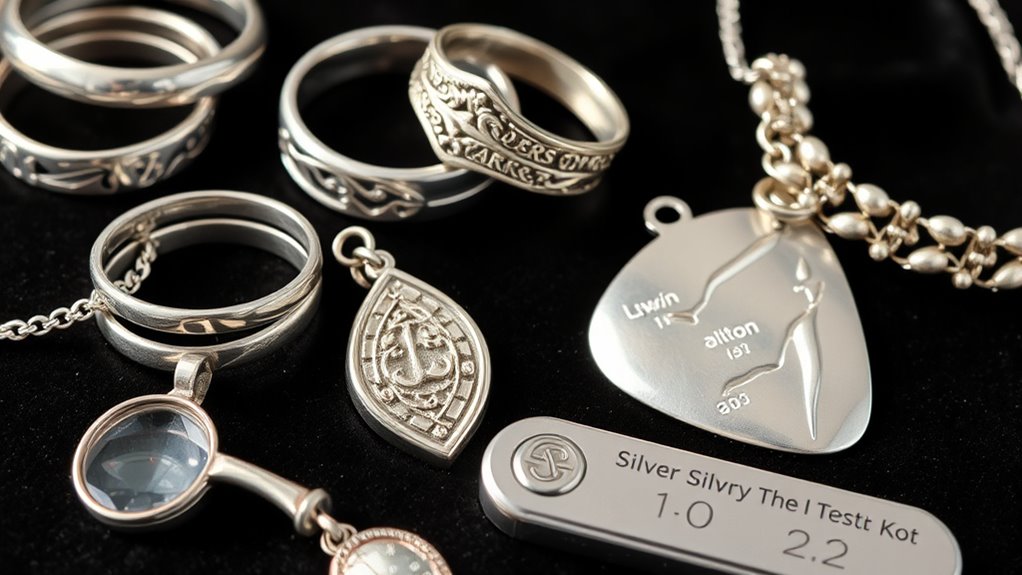
What makes one silver alloy better suited for your jewelry than another?
It all comes down to the blend of metal alloys and silver content.
Pure silver, or fine silver, boasts 99.9% silver but lacks the jewelry durability you need—it’s soft and scratches easily.
Sterling silver, the most common silver alloy, combines 92.5% silver with 7.5% copper, striking a balance between beauty and strength.
If you want something more resilient, Argentium Silver adds germanium to the mix, enhancing tarnish resistance and longevity.
Each silver alloy affects how your jewelry looks, wears, and needs maintenance.
Identifying Common Silver Grades in Jewelry
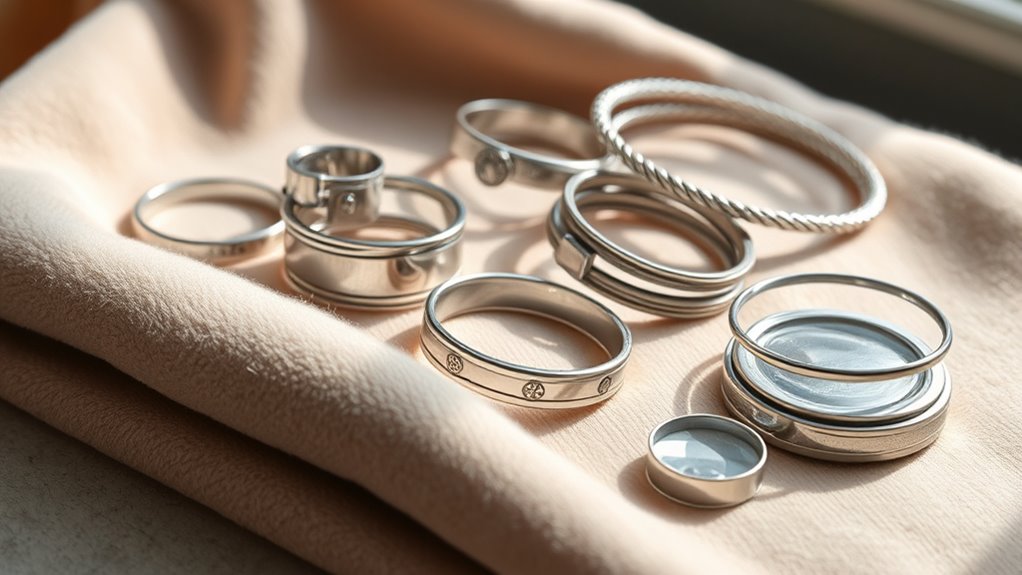
When you look for silver jewelry, you’ll often see sterling silver marked as “925,” showing it’s 92.5% pure.
Fine silver, marked “.999,” is nearly pure but softer, while Argentium silver, labeled “.935,” offers extra tarnish resistance.
Knowing these marks helps you choose the right silver for durability and style.
Sterling Silver Characteristics
Although many silver grades exist, sterling silver remains the most popular choice for jewelry due to its balance of purity and durability.
Sterling silver is an alloy made of at least 92.5% pure silver, with the remaining 7.5% usually copper.
This copper boosts the metal’s durability without compromising its shine.
When choosing sterling silver jewelry, keep these key points in mind:
- Look for hallmarks like “925,” “Sterling,” or country symbols to confirm authenticity.
- Expect some tarnish over time because copper reacts with air, but regular cleaning restores its luster.
- Sterling silver is non-magnetic, so a magnet test can help verify genuine pieces.
Understanding these characteristics helps you select quality jewelry that lasts and looks stunning.
Fine Silver Features
Since fine silver contains 99.9% pure silver, you’ll find it to be the softest and most malleable silver grade used in jewelry.
This high purity silver lets you craft intricate designs but offers less jewelry durability, making it ideal for delicate pieces rather than daily wear.
Fine silver’s soft silver nature also means it resists tarnish better than lower-grade alloys.
Look for silver markings like “.999” or “FS” to identify genuine fine silver.
Here’s a quick comparison to help you spot fine silver features:
| Feature | Fine Silver |
|---|---|
| Purity | 99.9% (High purity silver) |
| Jewelry Durability | Low (Soft silver) |
| Tarnish Resistance | High |
Understanding these traits helps you choose the right pure silver jewelry for your jewelry making projects.
Argentium and Alternatives
If you want silver jewelry that balances purity with durability, Argentium silver offers a compelling alternative to traditional alloys.
This unique silver alloy contains 93.5% to 96% silver combined with germanium, enhancing tarnish resistance far beyond sterling silver’s standard .925 purity.
When choosing silver jewelry, consider these common silver grades:
- Sterling silver (.925) – classic choice, good durability, but prone to tarnish.
- Argentium silver (.935 or higher) – superior tarnish resistance, easier care, ideal for intricate designs.
- Silver plated or filled – lower silver purity, less durable, requires gentle cleaning.
Check silver marking carefully to identify the silver grade.
This ensures you select jewelry with the silver purity and durability you desire.
Argentium silver’s innovative formula makes it a smart, lasting option for quality silver jewelry.
Advantages of Sterling Silver for Daily Wear
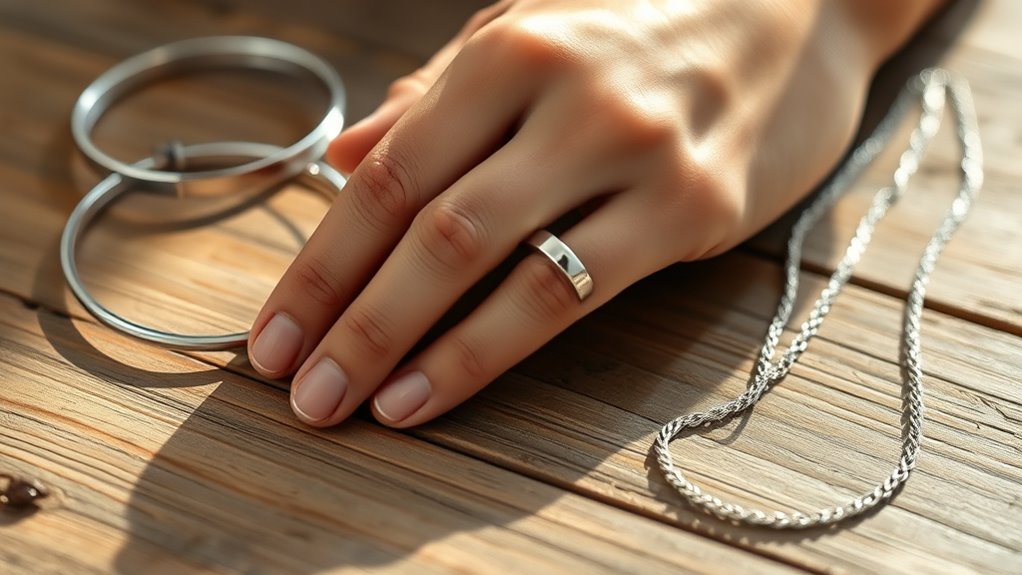
When you choose sterling silver for daily wear, you get a perfect balance of beauty and strength.
This alloy, made of 92.5% pure silver and copper, combines durability with an attractive shine. Its strength lets you enjoy intricate designs without worrying about damage from everyday wear.
Sterling silver is also tarnish resistant, so it stays looking fresh longer with minimal upkeep. Plus, it’s easy to clean and polish, helping you maintain its bright appearance effortlessly.
Beyond its practical benefits, sterling silver offers excellent affordability compared to other precious metals. This makes it a smart choice for jewelry you want to wear regularly.
Benefits of Fine Silver and Its Limitations
You’ll appreciate fine silver’s high purity and bright shine, which make it perfect for detailed, artistic pieces.
However, its softness means it’s more prone to scratches and needs gentle care to avoid tarnish and dullness.
Keep in mind, fine silver works best for occasional wear rather than everyday use.
Purity and Softness
Although fine silver boasts a brilliant, shiny appearance thanks to its 99.9% purity, its softness makes it vulnerable to scratches, dents, and deformation.
Unlike sterling silver, which is alloyed for increased hardness, fine silver’s high purity reduces its shape retention and durability.
When choosing silver for jewelry, consider these factors:
- Purity: Fine silver’s 99.9% purity offers unmatched brightness but less hardness.
- Softness: This softness allows intricate designs but requires careful handling.
- Maintenance: Fine silver demands more frequent upkeep to avoid damage.
If you want delicate, detailed pieces, fine silver is ideal.
But for everyday wear, sterling silver’s alloyed hardness offers better shape retention and lower maintenance.
Understanding these trade-offs helps you pick the perfect silver alloy for your jewelry needs.
Tarnish Resistance Challenges
Fine silver’s softness not only affects its durability but also plays a role in how well it resists tarnish. Because fine silver contains minimal alloy metals, especially no copper content, it offers superior tarnish resistance compared to sterling silver.
Sterling silver tends to tarnish quickly due to its copper. This purity means fine silver jewelry faces fewer issues with silver tarnish and requires less frequent cleaning.
However, its softness makes it prone to scratches and dents. These imperfections can expose the metal to tarnishing agents, reducing its overall durability.
While fine silver excels in tarnish prevention, its lack of hardness limits its use in pieces meant for everyday wear.
Ideal Uses and Care
Because silver’s softness affects its durability, it suits delicate, detailed pieces like bezel wire or silver clay rather than everyday wear.
Fine silver, with its high silver purity, offers a smooth, lustrous finish but requires extra jewelry care due to its soft nature.
Unlike sterling silver, fine silver dents and scratches easily, so you should limit its use to special occasions.
For effective jewelry maintenance and tarnish prevention, follow these steps:
- Store fine silver separately to avoid scratches and tarnish.
- Use gentle silver cleaning methods to preserve its shine without damage.
- Avoid exposure to harsh chemicals or rough handling to maintain shape and surface.
Understanding silver types helps you choose wisely and keep your jewelry looking its best.
Tarnish Resistance in Argentium and Non-Tarnish Silver
When you choose Argentium or non-tarnish silver for your jewelry, you get metals designed to resist tarnishing better than traditional sterling silver.
Argentium silver contains at least 92.5% silver with added germanium, which forms a protective oxide layer. This layer slows tarnishing caused by copper reacting with sulfur in the air.
Non-tarnish silver alloys often include elements like platinum or palladium. These additions enhance tarnish resistance and help maintain a bright finish over time.
For effective jewelry preservation, regular wear helps. Argentium’s friction and skin oils can prevent tarnish buildup.
You should also store your pieces in airtight containers and avoid chemicals to maximize tarnish prevention.
Choosing these alloys means less maintenance and a longer-lasting shine. They’re ideal for anyone seeking durable, low-maintenance silver jewelry.
Differences Between Silver-Filled and Silver-Plated Jewelry
While choosing tarnish-resistant silver alloys helps keep your jewelry shining longer, understanding the differences between silver-filled and silver-plated pieces can also guide you in selecting durable and low-maintenance options.
Silver-filled jewelry has a thick sterling silver layer bonded to a base metal. This offers higher silver content and superior wear resistance.
On the other hand, silver-plated jewelry features a thin silver layer that wears off quickly, exposing the base metal beneath.
Here’s what you should know:
- Durability: Silver-filled resists tarnishing and wear better than silver-plated.
- Hallmark: Silver-filled pieces often bear a .925 SF mark, while silver-plated usually lacks a standard hallmark.
- Cost: Due to its thicker silver layer, silver-filled jewelry is pricier but lasts longer.
Recognizing Non-Silver Alloys and Their Uses
Although non-silver alloys like nickel silver and Tibetan silver often look like real silver, they contain little to no actual silver content.
Nickel silver, made from copper, nickel, and zinc, is a popular base metal alloy used mainly in costume jewelry and practice pieces due to its low cost.
Tibetan silver, often a mix of base metal alloys, may include harmful metals like lead, so you should be cautious.
When choosing jewelry, look for a clear silver hallmark; pieces labeled simply as “silver” without a stamp could be non-silver alloys or plated.
Understanding metal composition helps you avoid surprises.
While metal testing is essential for verification, recognizing the lack of a hallmark and evaluating appearance and weight can help you identify non-silver alloys quickly.
Tips for Testing and Verifying Silver Quality
Since silver jewelry can vary widely in authenticity, you should use reliable methods to test and verify its quality before making a purchase.
Start by examining the silver hallmarks; look for stamps like “925,” “.925,” or “Sterling” to verify silver content.
Then, perform a non-magnetic test—genuine silver won’t attract a magnet, so if it does, it’s likely not sterling silver.
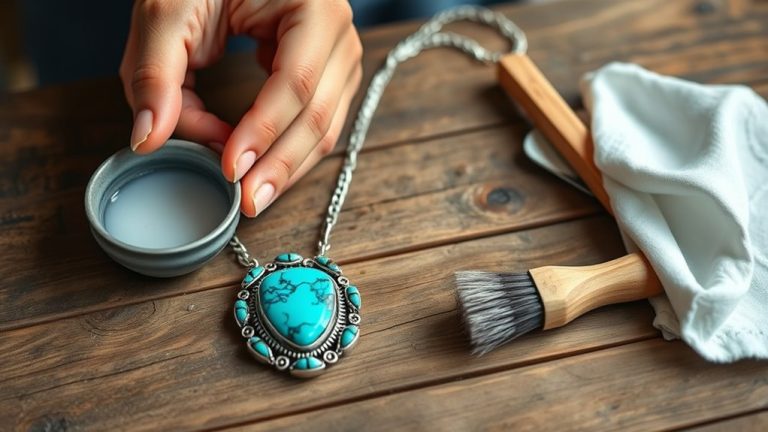
Finally, try tarnish removal and silver cleaning with a soft cloth; genuine silver regains its shine easily.
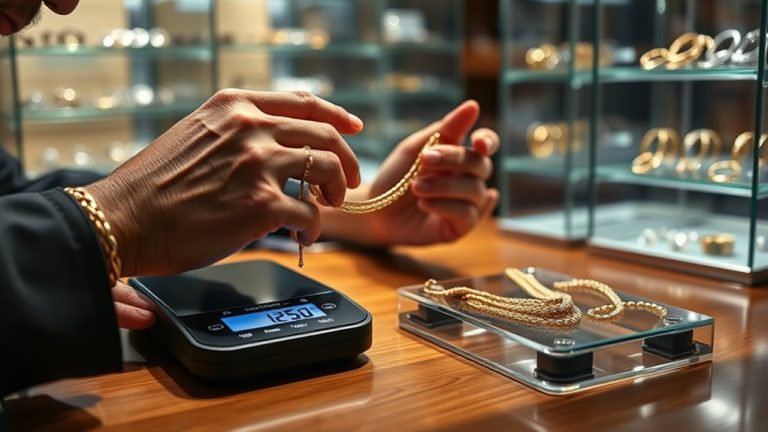
For more precise genuine silver testing, nitric acid tests or requesting certification of silver from reputable sellers can confirm authenticity.
Using these tips helps ensure you invest in high-quality sterling silver jewelry that lasts.
Frequently Asked Questions
What Is the Best Quality Silver for Jewelry?
The best quality silver for jewelry is sterling silver (.925).
It’s durable, beautiful, and widely trusted.
You can also consider Argentium silver for better tarnish resistance.
But be sure to avoid low-quality or unmarked silver to guarantee lasting value.
Which Is Better, 925 or 950 Silver?
You’ll find 925 silver better for everyday wear because it’s more durable and affordable.
However, if you want a purer, glossier look and don’t mind extra care, 950 silver is your choice.
Is 99.9 Silver Better Than 925?
Sure, 99.9% silver is *perfect* if you enjoy scratching, denting, and babying your jewelry daily.
But if you want durability and sparkle without the drama, 925 silver’s your practical, stylish hero.
What Grade of Silver Is Best for Jewelry?
You’ll want to choose sterling silver (.925) for jewelry because it balances durability and beauty perfectly.
If you want something premium, Argentium silver resists tarnish better.
Avoid fine silver (.999) for everyday pieces since it’s softer.
Conclusion
Choosing the best silver for your jewelry isn’t just about shine—it’s about finding the perfect balance of beauty, durability, and care.
Whether you’re drawn to the timeless elegance of sterling or the modern allure of Argentium, knowing your silver means wearing confidence every day.
Remember, each piece tells your story; don’t settle for less than what sparkles not just on the outside, but within your heart.
Isn’t it time your silver matched your shine?
When selecting the right silver, consider factors like purity, design, and personal style.
This ensures that your jewelry not only looks stunning but also stands the test of time.
Embrace the silver that resonates with you, and let it reflect your unique personality.
Ultimately, the best silver is the one that makes you feel fabulous and confident every time you wear it.
So, go ahead and choose a piece that truly represents you!