What Does 925 Mean on Jewelry?
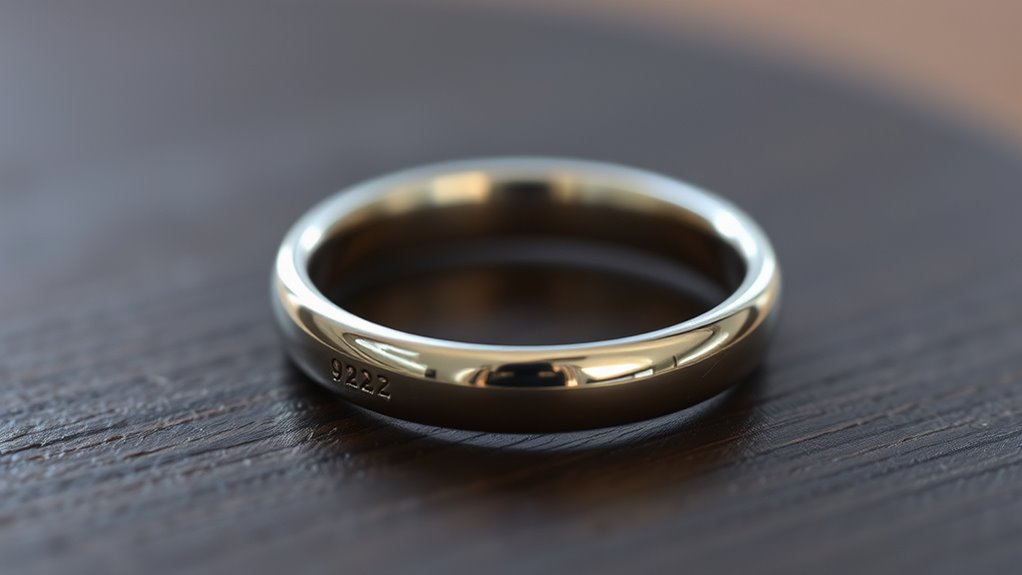
When you come across “925” stamped on your jewelry, it signifies that your piece is made of 92.5% pure silver, combined with other metals like copper to enhance its strength and durability.
This sterling silver standard is a mark of authenticity, ensuring your jewelry can withstand daily wear while retaining its lasting value.
Unlike pure silver, which is softer and less practical for everyday use, 925 silver offers the perfect balance of beauty and resilience.
If you’re curious about how to identify genuine 925 silver or want tips on caring for it, keep exploring!
Understanding the 925 Silver Standard
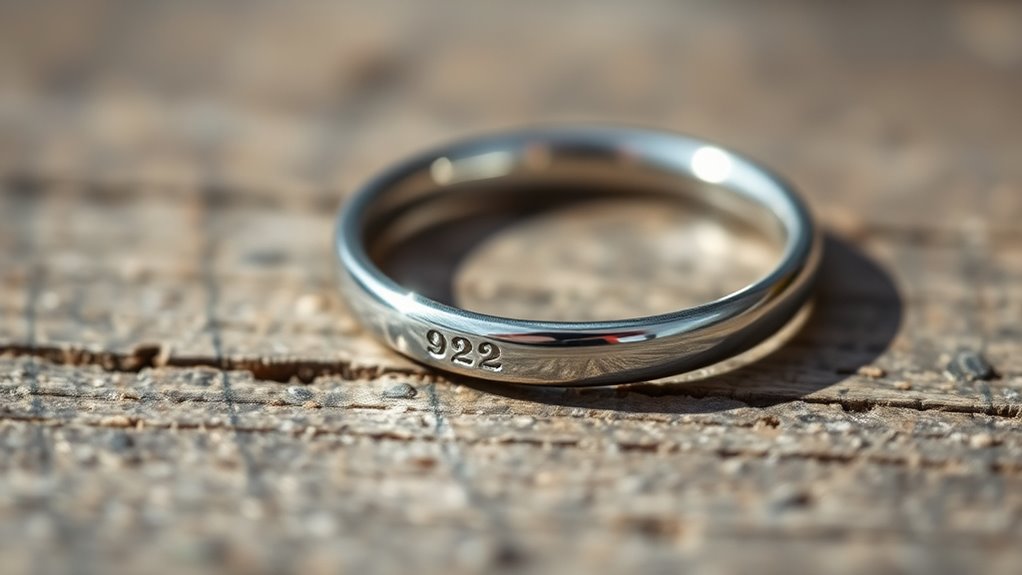
Although pure silver is too soft for everyday use, the 925 silver standard guarantees your jewelry is both beautiful and durable.
It combines 92.5% pure silver with other metals like copper. This blend, known as sterling silver, strikes the perfect balance between purity and strength.
When you see the 925 stamp, it confirms the metal content meets this internationally recognized standard.
This stamp assures the authenticity of your piece. The remaining 7.5% typically includes copper, which reinforces the silver without compromising its shine.
By adhering to the 925 silver standard, manufacturers ensure your jewelry lasts longer and resists damage from daily wear.
The Importance of the 925 Mark on Jewelry
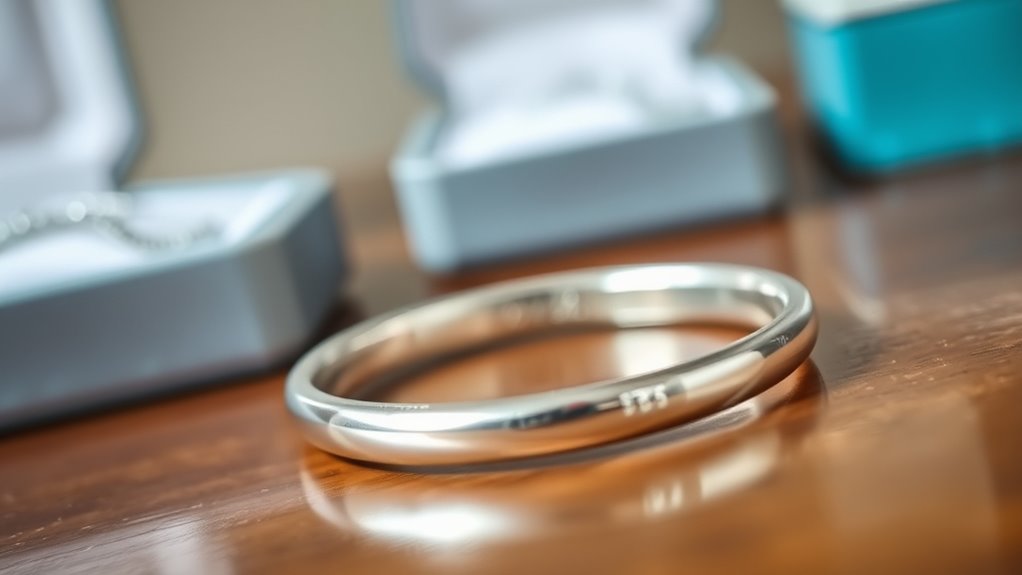
One key reason you should look for the 925 mark on jewelry is that it guarantees the piece contains 92.5% pure silver.
The 925 mark assures jewelry contains 92.5% pure silver, confirming its authenticity and quality.
This confirms its authenticity and quality.
This mark signals that the metal is sterling silver, meeting an internationally recognized standard of purity.
When you choose jewelry stamped with 925, you’re assured it’s made from authentic sterling silver, not silver-plated or inferior alloys.
The mark also means the piece has durability suitable for everyday wear.
Beyond quality, the 925 stamp can boost the jewelry’s resale value since buyers trust it as proof of genuine metal content.
In short, that small 925 mark holds big importance—it’s your assurance of sterling silver’s purity, authenticity, and lasting value.
Differences Between 925 Silver and Pure Silver
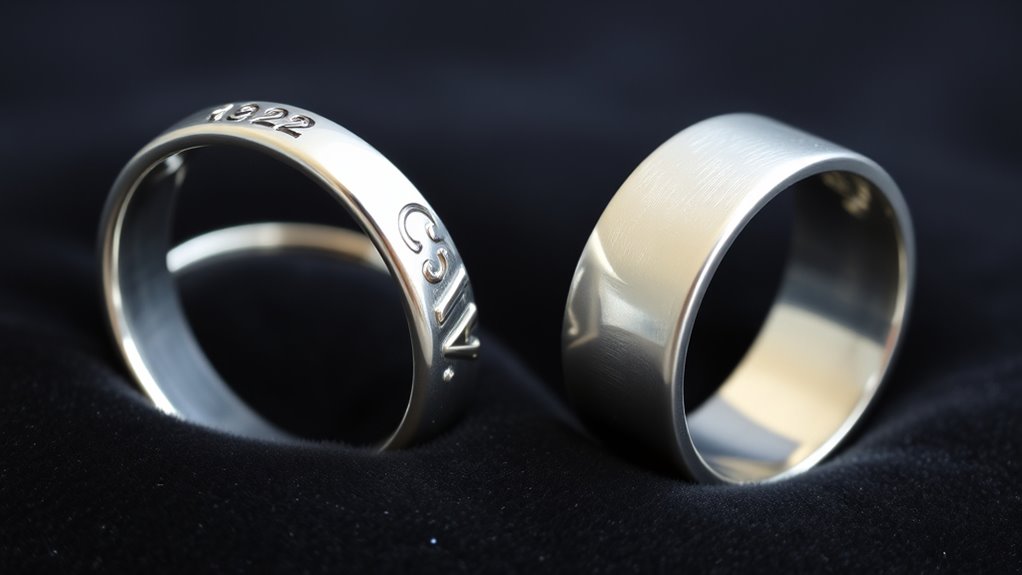
When you compare 925 silver to pure silver, you’ll notice that sterling silver contains 92.5% pure silver mixed with 7.5% other metals like copper to enhance its strength.
This standard metal blend offers a practical balance between purity and durability.
Here’s how they differ:
- Purity: Pure silver is 99.9% silver, while sterling silver contains 92.5% pure silver.
- Durability: The added metals in sterling silver make it stronger and less prone to bending.
- Tarnish Resistance: The metal mix in sterling silver helps prevent tarnishing better than pure silver.
- Usage: Pure silver’s softness limits its use mostly to coins and specialized items, whereas sterling silver suits everyday jewelry.
Understanding these differences helps you choose the right silver type for your needs.
How to Verify Authentic 925 Jewelry
You can start by checking for a clear “925” stamp on your jewelry.
This is usually found inside rings or on clasps.
Try simple tests like using a magnet or observing tarnish to spot genuine sterling silver.
For absolute certainty, consider professional methods like acid testing or XRF analysis.
Identifying Authenticity Marks
Although it might seem tricky at first, verifying authentic 925 jewelry becomes straightforward once you know what to look for.
The key lies in recognizing sterling silver’s jewelry markings that confirm metal purity and authenticity.
Here’s how to identify them:
- Find the “925” stamp, usually inside rings, on clasps, or at the back of earrings.
- Check the clarity and precision of the stamp; authentic pieces have clean, distinct markings.
- Notice natural tarnish or patina, which genuine sterling silver develops over time.
- Feel the weight—real 925 silver is denser than plated or costume jewelry.
Testing Methods Explained
Since verifying 925 jewelry’s authenticity can be tricky, using reliable testing methods is essential to avoid mistakes.
You can start with magnets; genuine 925 silver is non-magnetic or only weakly attracted, so strong attraction may signal a fake.
The ice test is another simple method—place an ice cube on the jewelry. Real silver conducts heat well and melts the ice quickly.
For more accuracy, acid tests using nitric acid reveal silver content by reacting with the metal’s surface.
Scratch testing on a stone helps too, as the color of the streak can indicate purity.
Finally, XRF analyzers provide precise, non-destructive verification, allowing jewelers to confidently verify purity.
Combining these methods guarantees you’re dealing with authentic 925 silver jewelry.
Caring for Your 925 Silver Jewelry
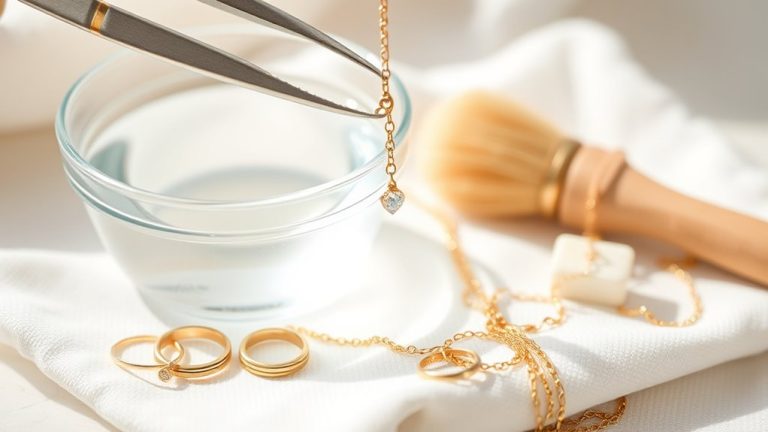
To keep your 925 silver jewelry looking its best, clean it regularly with a soft cloth or silver polishing cloth.
Storing your pieces in airtight containers or anti-tarnish pouches can help prevent tarnishing.
And remember, it’s important to avoid exposing your silver to chemicals and moisture to maintain its shine and durability.
Cleaning Techniques
When you care for your 925 silver jewelry properly, it stays bright and tarnish-free for longer.
Regular cleaning prevents tarnish and oxidation buildup, keeping your silver looking its best.
Here are four effective cleaning techniques:
- Use a mild soap solution and a soft cloth to gently clean your silver, removing dirt without damaging it.
- Polish with a silver polishing cloth designed for sterling silver to restore shine and eliminate oxidation.
- Avoid harsh chemicals like bleach or chlorinated water, as they can cause discoloration and damage.
- For deep cleaning, try specialized silver cleaning solutions or professional ultrasonic cleaning services.
Following these steps ensures your 925 silver jewelry maintains its beauty while protecting against tarnish.
Tarnish Prevention
Keeping your 925 silver jewelry clean is just one part of maintaining its shine.
To prevent tarnish, you need to limit exposure to moisture and chemicals that accelerate oxidation.
Always remove your silver pieces before swimming, bathing, or sweating heavily.
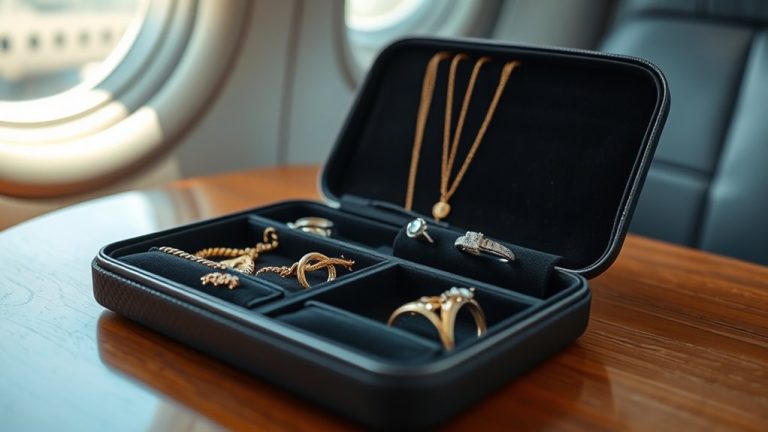
When not in use, store your jewelry in airtight, anti-tarnish pouches or boxes to minimize air and moisture contact.
Adding anti-tarnish strips or silica gel packets to your storage helps absorb moisture, further reducing tarnish buildup.
Regularly wipe your jewelry with a soft cleaning cloth designed for silver to remove any developing tarnish.
Storage Recommendations
Although silver is durable, you should store your 925 jewelry carefully to prevent tarnish and scratches.
Proper storage plays a key role in tarnish prevention and helps you care for your pieces effectively.
Here’s how to store your silver pieces right:
- Use airtight pouches or anti-tarnish cloths to minimize oxidation and tarnishing.
- Keep each piece separate to avoid scratches and surface damage.
- Store jewelry in a cool, dry place away from humidity; add silica gel packets to absorb moisture.
- Clean and polish your silver before storage to maintain its shine and protect the metal.
Common Misconceptions About 925 Silver
Because the “925” mark only indicates that the jewelry contains 92.5% silver, many people mistakenly think it means pure silver or guarantees solid silver construction.
In reality, 925 silver or sterling silver includes 7.5% other metals, which affects the jewelry’s overall purity of metals.
You might assume all “925” jewelry is solid silver, but some pieces may be silver-plated or alloyed.
Another common misconception is that 925 always ensures hypoallergenic properties; however, metals like copper in the alloy can cause allergies.
Also, 925 is a marker for silver content—not craftsmanship quality.
Be aware that not all jewelry markings labeled “925” are authentic silver; counterfeit stamps exist.
Tips for Buying Quality 925 Silver Jewelry
Misunderstandings about the 925 mark can lead to buying silver jewelry that doesn’t meet your expectations.
To guarantee you get quality sterling silver, follow these tips:
- Always check for a clear 925 stamp. This stamp guarantees the jewelry’s authenticity and purity.
- Buy from reputable sellers who provide authenticity certificates or detailed descriptions.
- Inspect the craftsmanship; quality 925 silver jewelry features a smooth finish and securely set stones.
- Perform a magnet test—since sterling silver isn’t magnetic, strong attraction indicates lower quality or fake metal.
For added assurance, consider professional tests like acid or XRF analysis to confirm purity.
Frequently Asked Questions
Is 925 Jewelry Worth Anything?
Yes, your 925 jewelry is worth something because it contains sterling silver.
Its value depends on weight, craftsmanship, brand, and condition.
Is 925 Silver Good Quality?
You’re lucky to have 925 silver, as it’s quite a gem in quality.
It’s durable, authentic, and maintains its shine well.
This makes your jewelry both beautiful and long-lasting without feeling like cheap metal.
Do They Put Real Diamonds in 925 Silver?
Yes, they do put real diamonds in 925 silver jewelry.
You’ll often find small diamonds set securely in engagement rings, pendants, or earrings.
But always check for certification to confirm the diamond’s authenticity and quality.
Is 925 Jewelry Pawnable?
Yes, you can pawn 925 jewelry because it contains genuine sterling silver.
Pawnbrokers usually test its authenticity and value, so you’ll get a fair loan based on silver content, weight, and current market prices.
It’s always a good idea to check with local pawnbrokers to understand their specific policies and processes.
In general, 925 jewelry is a solid option for pawning!
Conclusion
Now that you know the meaning behind the 925 mark, you can confidently cherish your sterling silver sparkle.
Remember, 925 signifies strength and style, striking a perfect balance between pure silver’s softness and durable design.
By verifying authenticity and practicing proper care, you’ll preserve your precious pieces’ pristine shine.
So, stay savvy, shop smart, and shine splendidly with your sterling silver treasures!
In conclusion, embracing the 925 mark means celebrating the quality and beauty of your jewelry.
With a blend of elegance and durability, your sterling silver pieces are sure to make a statement.
Keep an eye out for the 925 stamp to ensure authenticity, and don’t forget to care for them properly.
With these tips in mind, your jewelry will sparkle for years to come, reflecting your unique style and personality!