What Does the 925 Mark on Jewelry Mean?
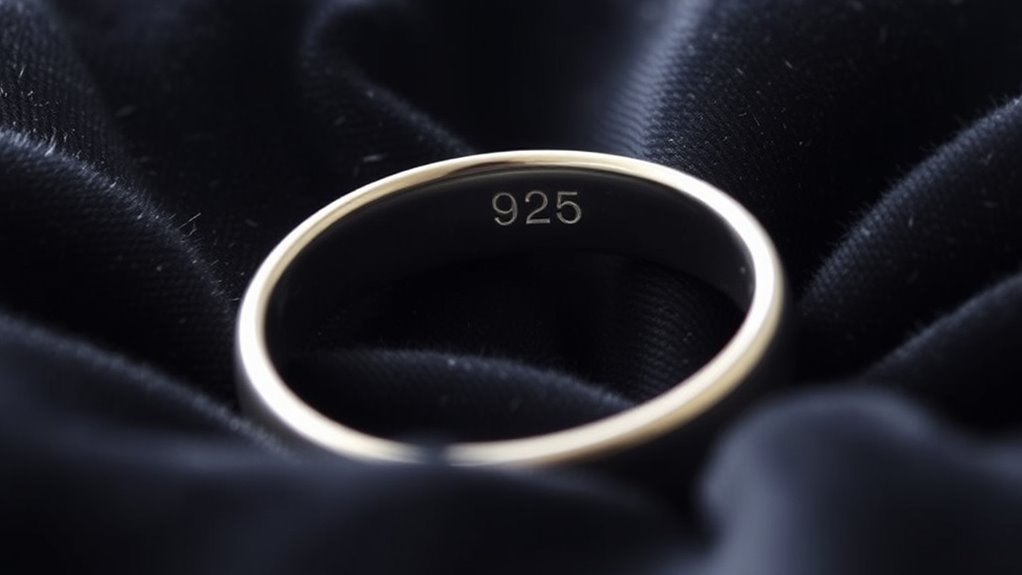
When you see the 925 mark on your jewelry, it indicates that your piece contains 92.5% pure silver mixed with 7.5% copper. This combination provides extra strength and durability, making it ideal for everyday wear.
This standard guarantees that your jewelry is authentic sterling silver, known for its bright, lasting shine.
Plus, it resists tarnish better than pure silver. The 925 mark is a trusted hallmark recognized worldwide, ensuring you get quality that you can rely on.
Keep exploring to learn more about the history of the 925 mark, verification tips, and why 925 silver remains a top choice for fine jewelry.
The allure of sterling silver is not just in its beauty, but also in its enduring quality!
Understanding the Composition of 925 Sterling Silver
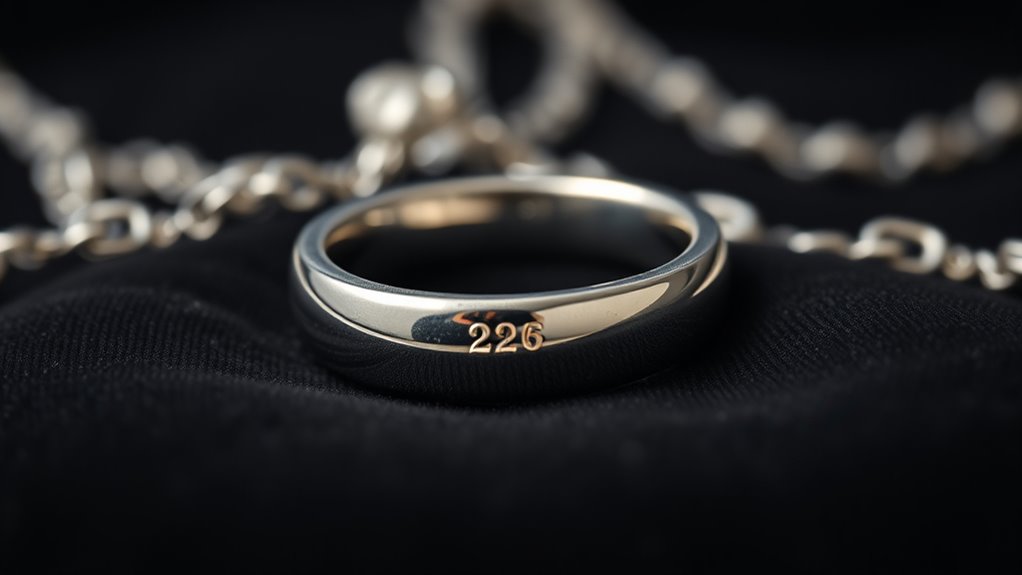
Although pure silver is too soft for everyday use, 925 sterling silver combines 92.5% pure silver with 7.5% copper to create a durable and practical material.
This specific metal purity guarantees sterling silver jewelry maintains a bright, white appearance while improving its strength.
The addition of copper as an alloy metal enhances the silver jewelry’s toughness, making it more resistant to dents and scratches.
Plus, this alloy also boosts tarnishing resistance, so your pieces stay beautiful longer.
When you see jewelry markings like “925,” it confirms the silver content meets the sterling silver standard.
This careful alloy composition allows jewelers to shape and polish items easily without compromising durability.
That’s why 925 sterling silver is such a popular choice for both everyday wear and special occasions.
The History and Origin of the 925 Mark
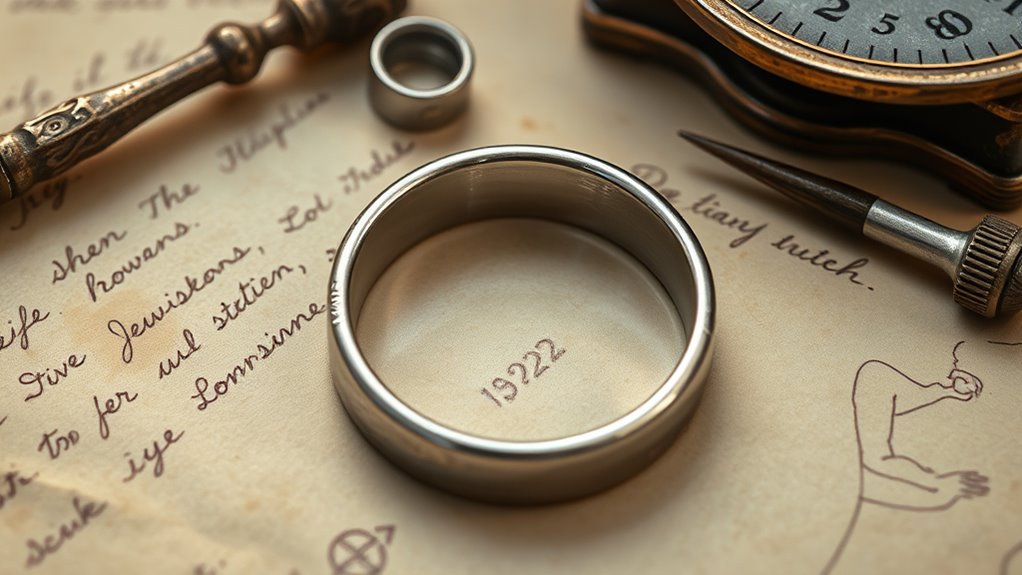
When you spot the 925 mark on silver jewelry, you’re seeing a symbol that became a global standard in 1976.
It signals 92.5% pure silver content.
Indicating 92.5% pure silver, the 925 mark confirms authentic sterling silver quality.
The history behind this hallmark reflects the need for a consistent way to identify sterling silver’s metal content across countries.
Before the 925 mark emerged as an international standard, various jewelry markings—like “STERLING” or country-specific stamps—were used to indicate silver purity.
Assay offices played a key role in verifying precious metals, but the 925 mark simplified recognition worldwide.
This hallmark assures you that the piece contains genuine sterling silver, distinguishing it from silver-plated or lower-purity items.
Today, the 925 mark remains a trusted symbol of silver purity and quality in jewelry.
Common Additional Marks Found With 925 Stamps
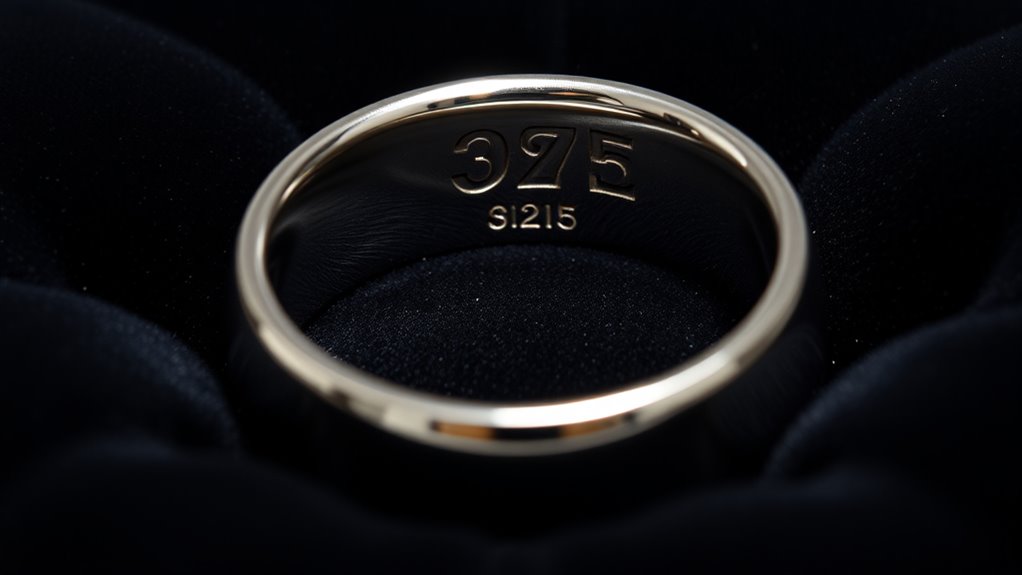
The 925 mark tells you the jewelry contains sterling silver, but you’ll often find other marks alongside it that offer more details.
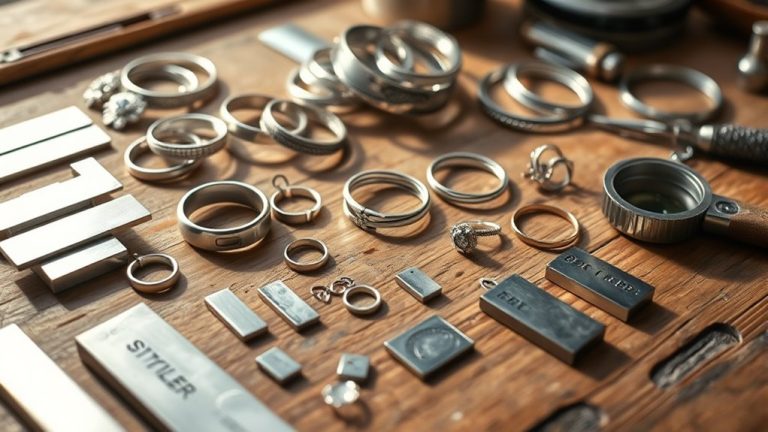
You might see stamps like “STER,” “STR,” or “SS,” confirming the sterling silver quality. Maker’s marks, which are initials or logos, identify the manufacturer, helping trace the piece back to its creator.
Country-specific symbols, such as the UK’s lion passant or France’s eagle’s head, reveal the origin and purity standards set by local assay offices.
Date marks frequently indicate the year of manufacture, especially in European pieces. Other symbols like hearts or stars can signify special collections or brand quality.
Together, these hallmarks and stamps provide a detailed story about your jewelry’s origin, authenticity, and craftsmanship.
Methods to Verify the Authenticity of 925 Jewelry
To verify your 925 jewelry is genuine, you can start by performing simple tests at home.
First, use a magnet; authentic sterling silver is non-magnetic or only weakly attracted.
Next, examine the piece closely with a magnifying glass to check for a clear stamp or hallmark—well-defined markings indicate authenticity.
You can also perform an acid test by applying nitric acid to a small, hidden spot; a creamy white reaction confirms the metal is sterling silver.
For further verification, place an ice cube on the jewelry—silver’s excellent heat conduction will melt it quickly.
Finally, for the most reliable authenticity check, consult a professional jeweler who can perform detailed tests and verify your piece’s legitimacy with certainty.
Why Choose 925 Sterling Silver for Your Jewelry?
Choosing 925 sterling silver for your jewelry guarantees you get a piece that’s both beautiful and built to last.
Opting for 925 sterling silver ensures jewelry that combines lasting beauty with enduring strength.
This alloy contains 92.5% pure silver combined with 7.5% copper, which enhances its durability and tarnish resistance.
Unlike pure silver, which is too soft for everyday wear, sterling silver balances softness with strength.
This ensures your jewelry maintains its shine over time.
The 925 mark assures authenticity and jewelry quality, so you know you’re investing in genuine silver.
When compared to plated or costume pieces, 925 sterling silver offers superior longevity and value.
By choosing this metal, you get jewelry that withstands daily use without dulling or damage.
This makes it an excellent choice for those who want lasting elegance and reliable quality in their accessories.
Frequently Asked Questions
Is 925 Stamped Jewelry Worth Anything?
Yes, your 925 stamped jewelry is worth something since it contains sterling silver.
Its value depends on weight, design, condition, and market prices.
Well-crafted or vintage pieces can be especially valuable, so don’t underestimate it.
Do They Put Real Diamonds in 925?
They rarely put real diamonds in 925 silver because silver’s soft and can damage gems.
If you see diamonds in 925 jewelry, they’re often simulated stones like cubic zirconia or small accent stones with certification.
Is 925 Jewelry Good Quality?
Yes, 925 jewelry is good quality.
You’ll get durable sterling silver with 92.5% purity, offering shine and resistance to tarnish.
Just remember to care for it properly to keep it looking its best.
Does 925 Silver Turn Black?
Yes, 925 silver can turn black over time because it reacts with sulfur in the air.
You can easily clean it with a silver polish cloth.
Wearing it often helps prevent tarnishing by creating a protective layer.
Conclusion
Now that you know the 925 mark means your jewelry is made of sterling silver—92.5% pure silver mixed with other metals—you’re better equipped to spot genuine pieces.
Remember, not all that glitters is gold, but with 925 stamped jewelry, you’re getting quality and durability.
So next time you shop, trust the mark and wear your silver with confidence.
You can feel good knowing it’s both authentic and timeless.
In conclusion, the 925 stamp is your assurance of sterling silver quality.
So, keep an eye out for that mark when you’re buying jewelry.
It’s a simple way to ensure you’re investing in durable, beautiful pieces that will stand the test of time!