What Does 925 A Mean on Jewelry?
When you see “925 A” on jewelry, it signifies that the piece is made of genuine sterling silver, which contains 92.5% pure silver.
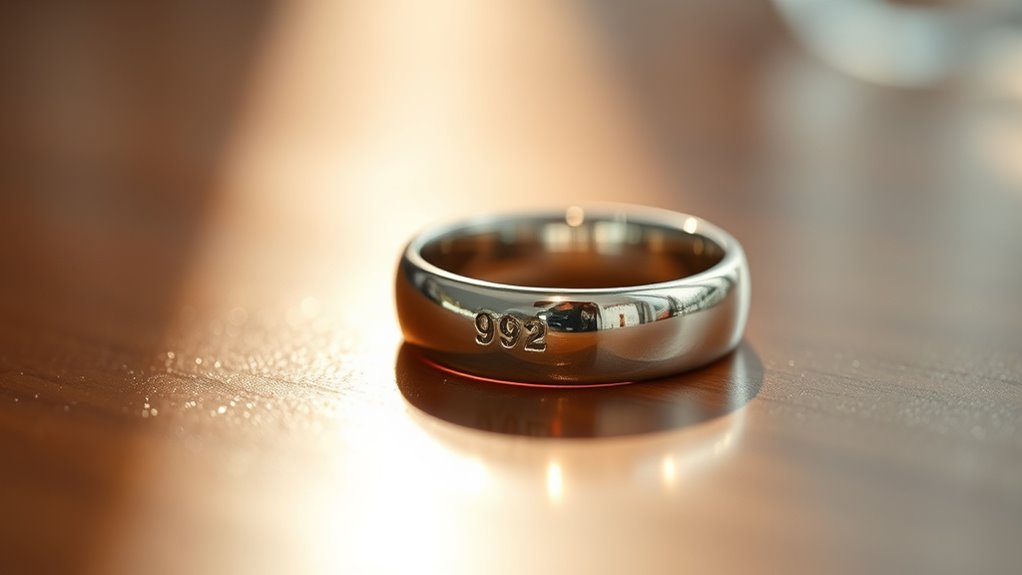
The “925” hallmark is a guarantee of the metal’s purity.
Meanwhile, the “A” typically identifies the manufacturer, designer, or assay office that ensures quality.
This means you can be confident you’re purchasing authentic silver rather than just silver-plated metal.
If you’re interested in learning how to identify real sterling silver and how to care for it properly, there’s plenty of information available to explore.
What the 925 Stamp Signifies in Jewelry
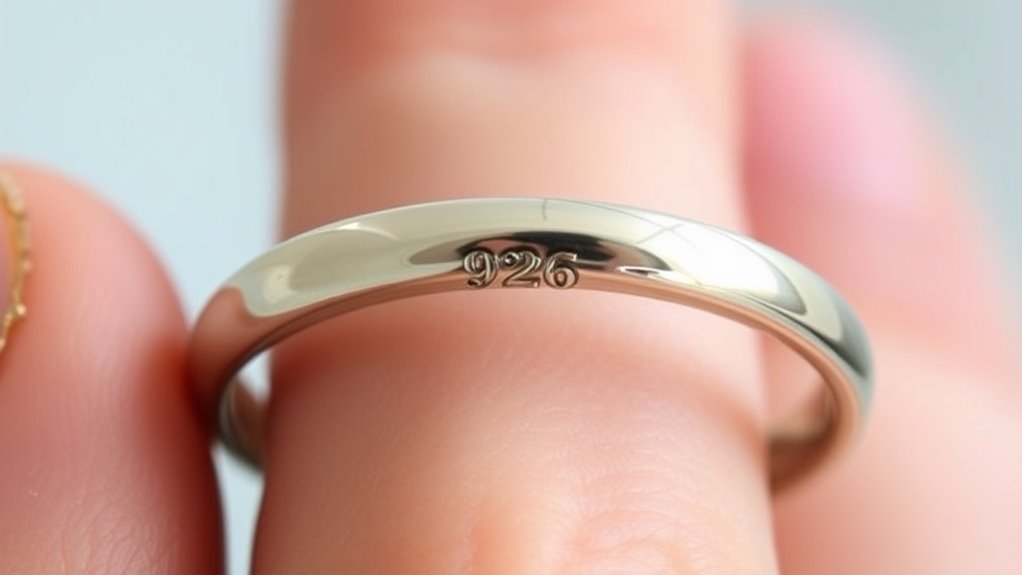
What does the “925” stamp on your jewelry really mean?
This marking indicates your piece is made of sterling silver, with a metal purity of 92.5% silver.
It’s an international standard ensuring the silver content is high enough for quality and durability.
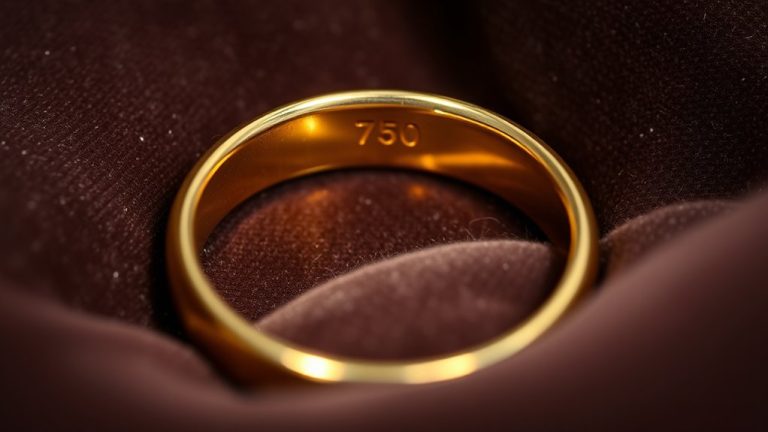
Jewelry markings like “925” act as an assay, certifying the metal purity and authenticity.
Jewelry markings like “925” certify your piece’s metal purity and authenticity with trusted assurance.
When you see this stamp, you know your jewelry isn’t just silver-plated but contains genuine sterling silver.
Sometimes, an additional letter, such as “A,” follows the “925,” which could represent the maker, batch, or a specific marking system used by the manufacturer.
To fully understand these markings, consulting your jeweler or a hallmark reference is the best way to confirm details.
Understanding the Composition of Sterling Silver
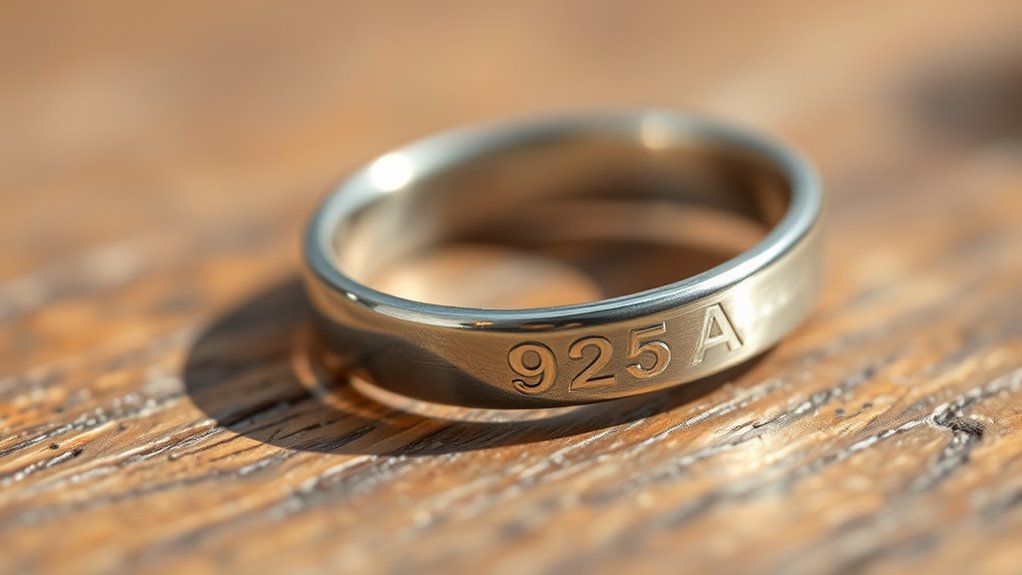
Although you might focus on the “925” stamp, it actually tells you about the sterling silver’s composition: 92.5% pure silver combined with other metals like copper.
This alloy balances purity with durability, making sterling silver ideal for everyday jewelry. The metal content ensures the piece remains bright and resistant to wear.
When you see the 925 mark, you’re looking at a standard that guarantees this specific purity level. Any additional letters, such as an “A,” often represent a maker’s mark or batch identifier rather than changing the metal content or quality.
Understanding these elements helps you appreciate how sterling silver combines aesthetic appeal with practical strength, all while meeting international standards for purity and composition.
The Role of the Letter “A” in Jewelry Markings
You’ve probably noticed that jewelry stamps often include letters alongside numbers, like the “A” in “925 A.”
While the “925” confirms the silver’s purity, the letter that follows usually points to something different—such as the manufacturer’s mark, a specific assay office, or a designer’s unique symbol.
The letter after “925” often indicates the maker’s mark, assay office, or designer’s symbol.
The letter “A” often serves as a proprietary hallmark, representing a brand’s initials or a manufacturer’s unique identifier.
In some cases, it denotes the assay office responsible for verifying the metal’s quality.
Since different regions and jewelers use the “A” mark in various ways, it’s essential to research the specific manufacturer or hallmark to understand its precise meaning.
How to Identify Authentic Sterling Silver Pieces
Wondering how to tell if your sterling silver jewelry is truly genuine?
Start by looking for the “925” stamp, which means the piece contains 92.5% pure silver.
However, don’t rely solely on this hallmark, as some fake items may display “925 A” or similar markings without real silver content.
To confirm authenticity, check for additional hallmarks from recognized assay offices that verify the “925” mark’s legitimacy.
The best way to be certain is through testing—acid tests or professional appraisals provide reliable results.
Assay marks and testing together ensure your sterling silver piece is authentic.
Always approach jewelry with “925” marks critically and verify its authenticity before making a purchase or investment.
Differences Between Sterling Silver and Silver-Plated Jewelry
When you shop for silver jewelry, it helps to know the key differences between sterling silver and silver-plated pieces.
Sterling silver contains 92.5% pure silver, marked by the “925” hallmark.
On the other hand, plated jewelry is silver-coated over a base metal and often lacks this mark.
Here’s a quick comparison:
| Feature | Sterling Silver | Silver-Plated Jewelry |
|---|---|---|
| Composition | Solid alloy (92.5% silver) | Base metal with thin silver coating |
| Mark/Hallmark | “925” or similar mark | Usually “EP,” “HGE,” or no 925 mark |
| Durability | Long-lasting, resists wear | Coating wears off, revealing base metal |
Knowing these differences helps you choose quality pieces that keep their value and appearance over time.
Happy shopping!
Care and Maintenance Tips for 925 Silver Jewelry
Since 925 silver jewelry contains a high percentage of pure silver, it requires regular care to keep its shine and prevent tarnishing.
Proper jewelry care helps you avoid oxidation and maintain its beauty.
Here are essential tips for cleaning and caring for your 925 silver pieces:
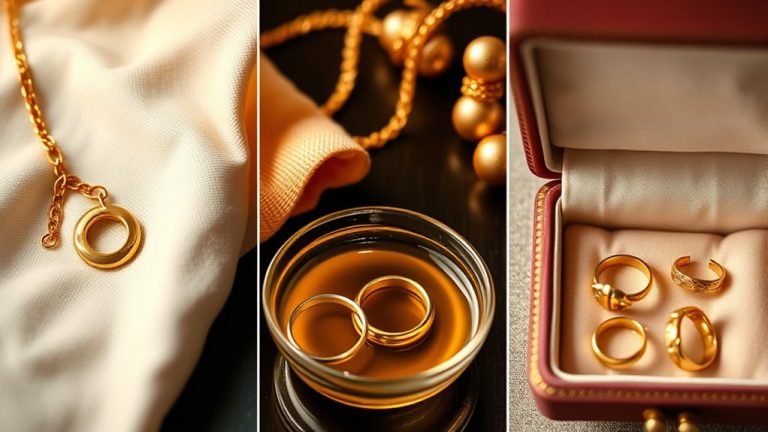
- Store your 925 silver in cool, dry places inside anti-tarnish pouches or cloths to reduce exposure to air and prevent oxidation.
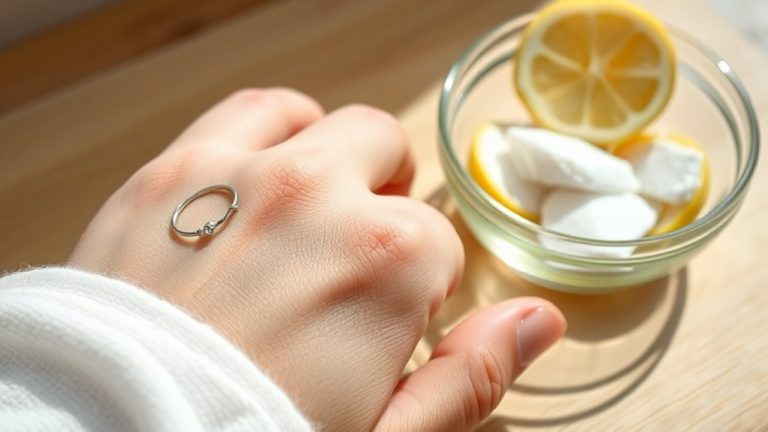
- Clean regularly with a soft cloth or gentle silver polish to remove tarnish and restore shine.
- Avoid harsh chemicals like bleach or chlorine, which can damage silver’s surface.
- Remove jewelry before swimming, bathing, or heavy sweating to minimize tarnish buildup.
Following these steps ensures your 925 silver stays radiant and lasts longer.
The Value and Durability of 925 Silver Jewelry
When you choose 925 silver jewelry, you’re getting a piece made of 92.5% pure silver mixed with durable metals like copper.
This blend makes your jewelry strong enough for daily wear while keeping its bright shine.
Because of this composition, your 925 silver pieces hold their value and last for years.
Sterling Silver Composition
Although pure silver boasts a beautiful shine, it’s too soft for everyday jewelry.
So, 925 silver combines 92.5% pure silver with 7.5% other metals like copper to boost durability.
This composition forms sterling silver, a popular alloy that balances purity with strength.
When you choose 925 silver jewelry, here’s what you’re getting:
- A metal blend that enhances resistance to scratching and tarnishing.
- Consistent quality, as the 925 hallmark guarantees at least 92.5% silver purity.
- An alloy that’s suitable for daily wear without compromising shine.
- Jewelry recognized worldwide since 1976 for its dependable composition.
Understanding this helps you appreciate why sterling silver remains a top choice for durable, beautiful accessories.
Longevity of 925 Jewelry
If you want jewelry that stands up to daily wear without losing its shine, 925 silver is a smart choice.
With a metal purity of 92.5% pure silver, its durability is enhanced by added metals like copper, which also boost tarnishing resistance.
This means your 925 silver jewelry can maintain its appearance and strength over time, offering impressive longevity.
To keep it looking its best, regular maintenance is key—clean it gently and store it properly to prevent scratches and dullness.
While the “A” in “925 A” may indicate a maker’s mark or quality code, it doesn’t affect the inherent durability of the silver.
Frequently Asked Questions
What Is the Hallmark for 925?
The hallmark for 925 means your jewelry contains 92.5% pure silver, confirming it’s sterling silver.
When you see “925” stamped, you know it’s genuine, meeting international standards for high-quality silver jewelry.
Do They Put Real Diamonds in 925?
You can’t judge a book by its cover—925 silver doesn’t always mean real diamonds.
Unless it’s clearly marked “diamond,” most 925 jewelry features synthetic stones or none at all.
Always get an appraisal if unsure.
What Does 925A China Mean on Jewelry?
When you see “925A China” on jewelry, it means it’s sterling silver with 92.5% purity, made in China.
The “A” likely indicates a manufacturer or quality grade.
However, you should still verify authenticity.
Is 925 Gold Real or Fake?
925 gold isn’t real gold but sterling silver with a gold coating.
You’ll want to check for gold purity marks or tests since 925 alone means silver, not solid gold.
Conclusion
When you see “925 A” on jewelry, you know you’re holding sterling silver with a quality mark that sets it apart.
Like a trustworthy friend, this stamp assures you of genuine silver’s durability and value.
By understanding these markings, you can confidently choose, care for, and enjoy your pieces for years.
Remember, authentic 925 silver shines bright and lasts long—just like the memories you’ll create wearing it.
In conclusion, spotting the “925 A” stamp is a great way to ensure you’re investing in quality sterling silver jewelry.
This mark not only signifies authenticity but also guarantees that your jewelry will stand the test of time.
So, next time you’re shopping, keep an eye out for that “925 A” and enjoy the beauty and durability that comes with genuine sterling silver.