What Makes Gold Plated Jewelry Worth Anything?
You’ll find that the value of gold plated jewelry comes from several key factors: the thickness of the gold layer, the karat purity, and the quality of craftsmanship.
Thicker layers of gold and higher karat options, like 18K, tend to enhance both durability and visual appeal.
Expert plating techniques also play a crucial role in ensuring that the jewelry withstands the test of time.
Brand reputation matters, too! Renowned brands often carry a level of trust and desirability that can significantly boost resale potential.
Ethical sourcing practices are becoming increasingly important to consumers, adding another layer of value.
While gold plated jewelry may not match the intrinsic worth of solid gold, proper care can help preserve its beauty and longevity.
So, keep exploring these factors to uncover how they shape the true value and maintenance of your gold plated pieces!
Understanding the Composition of Gold Plated Jewelry
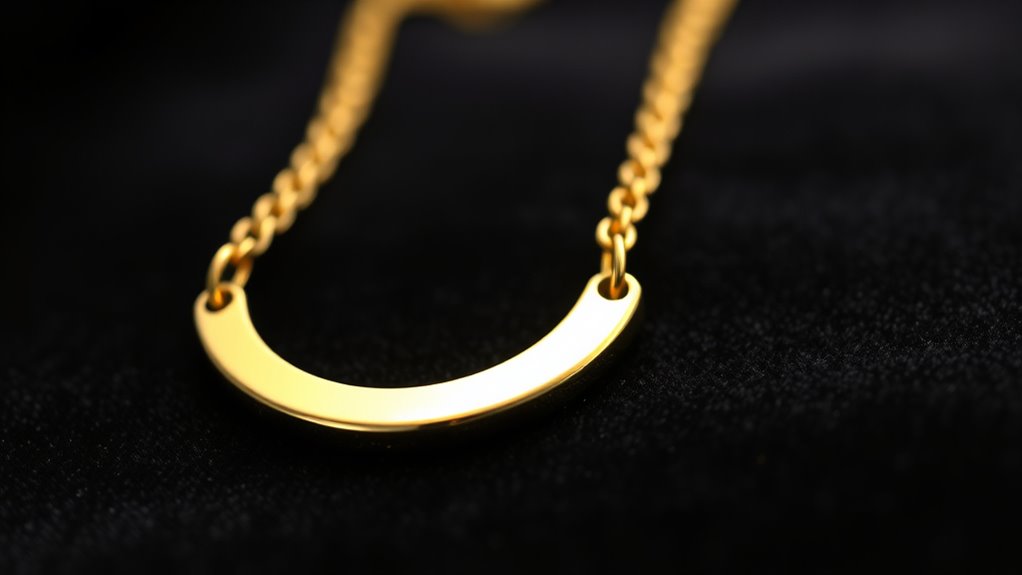
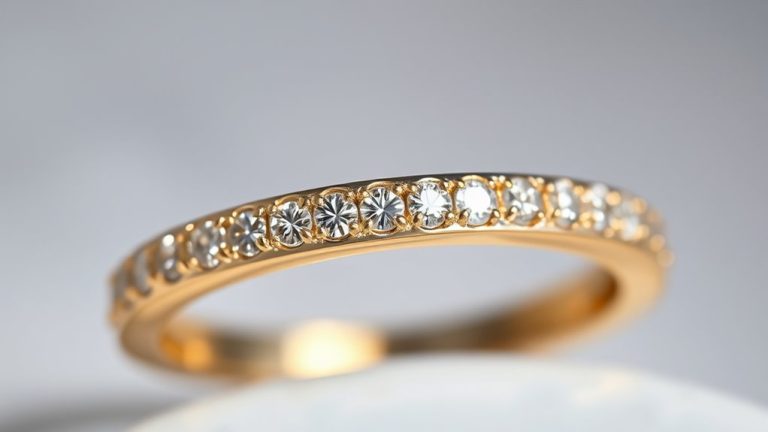
Although gold plated jewelry looks like solid gold, it’s actually made by coating a base metal—such as brass, copper, or sterling silver—with a very thin layer of real gold through electroplating.
This gold layer is typically between 0.5 and 2.5 microns thick, and its thickness directly impacts the jewelry’s durability and value.
When the gold layer exceeds 2.5 microns, the piece may be classified as vermeil, indicating a higher quality coating over sterling silver.
Keep in mind, the gold content only covers the surface; the base metal forms the core, affecting weight, appearance, and potential skin reactions.
Understanding this composition helps you appreciate why gold plated jewelry offers a balance between affordable price and the luxurious look of real gold.
The Role of Gold Karat in Plated Jewelry
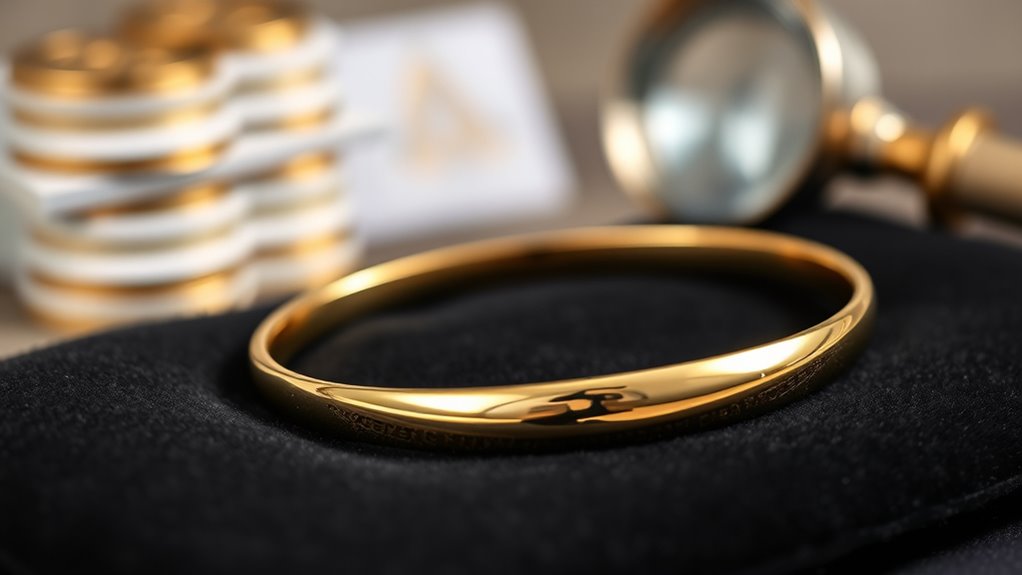
Since the gold karat rating reflects the purity of the gold layer, it plays a crucial role in determining the quality and value of plated jewelry.
When you choose gold plated jewelry, the gold karat indicates how pure and durable the gold layer is.
Higher karat plating, like 18K, offers greater purity and richer color. This boosts both the jewelry’s value and longevity.
Lower karat plating, such as 14K, still provides decent durability but with less luster and value.
| Gold Karat | Purity (%) | Durability & Value |
|---|---|---|
| 14K | 58.3 | Moderate durability, good value |
| 18K | 75 | High durability, premium value |
| 24K | 99.9 | Excellent purity, best value |
Understanding gold karat helps you pick jewelry that lasts and shines.
Types of Gold Plating and Their Impact on Value
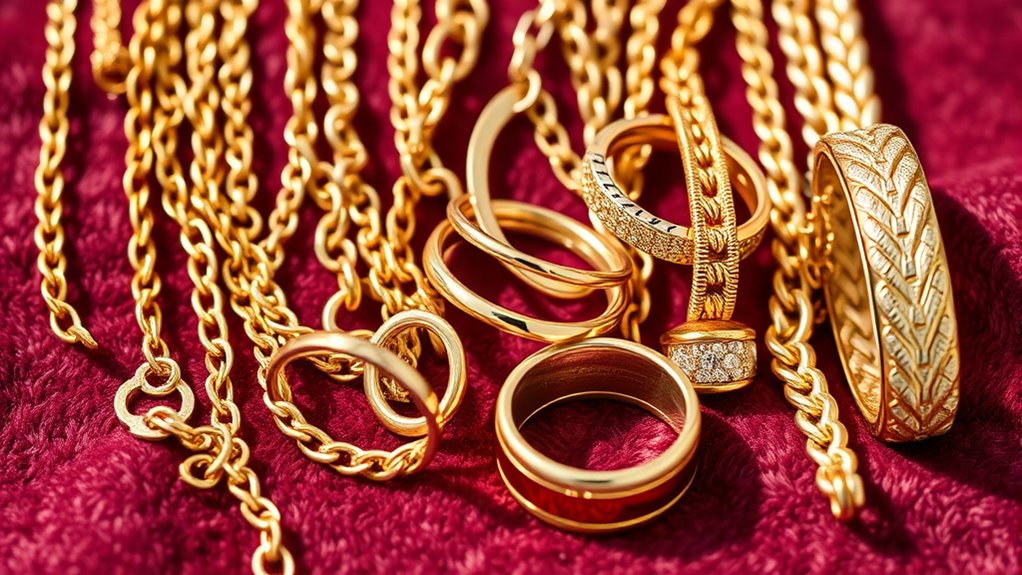
How does the type of gold plating affect your jewelry’s value?
The thickness and quality of the layer of real gold are key.
Gold vermeil, for example, features a thicker gold layer—at least 2.5 microns—over sterling silver.
This gives it more durability and worth than standard gold plating.
Similarly, gold-filled pieces have an even thicker, mechanically bonded gold layer, usually 5% or more.
This boosts their value considerably.
The karat gold used in plating also plays a role; higher karat gold increases authenticity and appeal.
When choosing gold plated jewelry, look for reputable plating methods that apply a consistent, high-quality gold layer.
The combination of a thicker gold layer and higher karat gold directly impacts your jewelry’s value and potential resale price.
Factors Affecting the Durability of Gold Plated Jewelry
When you choose gold plated jewelry, the thickness of the gold layer plays a big role in how long it lasts.
You’ll also want to watch out for exposure to chemicals and how often you wear the piece, as both can speed up wear.
Understanding these factors helps you keep your jewelry looking great for longer.
Thickness of Gold Layer
Although gold plating can add a beautiful finish to jewelry, the thickness of the gold layer plays a crucial role in how long it lasts.
The layer’s thickness, measured in microns, directly influences the durability and resistance to wear.
Typical gold plating ranges from 0.5 to 2.5 microns. Layers below 1 micron tend to wear off quickly, exposing the base metal beneath.
When the gold layer is thicker, such as in gold vermeil with at least 2.5 microns over sterling silver, the jewelry maintains its shine and value much longer.
So, when you’re evaluating gold plated jewelry, pay close attention to the micron thickness.
It determines how well the piece holds up over time—and ultimately, how much it’s worth.
Exposure to Chemicals
Since gold plating is often thin, exposing your jewelry to chemicals like perfumes, lotions, and cleaning agents can quickly wear away the gold layer.
Chemical exposure accelerates tarnishing and corrosion, reducing the durability of your piece and revealing the base metals beneath.
Even sweat and body oils contribute to this degradation, while chlorine and saltwater can cause discoloration or peeling within just a few uses.
To protect your gold plated jewelry, avoid contact with:
- Harsh household cleaners and solvents
- Chlorinated pools and saltwater
- Fragrances and moisturizing products
Frequency of Wear
If you wear your gold plated jewelry frequently, you’ll likely see the thin gold layer start to fade considerably sooner than you’d expect.
The durability of these pieces depends heavily on how often you wear them and the exposure they face. Daily wear causes constant friction against your skin, clothes, and surfaces, which quickly wears down the delicate gold layer, often between 0.5 to 2.5 microns thick.
Exposure to moisture, like sweat, showering, or swimming, accelerates this fading by corroding the layer.
To maintain your jewelry’s durability, you need to practice proper care—remove it during activities that cause exposure to water or chemicals and store it in a dry place.
With careful wear and care, you can extend the life of your gold plated jewelry considerably.
How Craftsmanship Influences Worth
When you choose gold-plated jewelry crafted with skill, you get more than just a pretty piece; you invest in durability and lasting value.
The craftsmanship directly affects the quality of the gold layer, its thickness, and the finishing touches that protect your jewelry.
Skilled artisans ensure an even coating that enhances both durability and appearance.
Meticulous craftsmanship guarantees an even gold layer, boosting both longevity and beauty of your jewelry.
Precise finishing reduces wear and tarnishing, keeping your piece looking new longer.
Here’s what expert craftsmanship brings to your gold-plated jewelry:
- A thicker, uniform gold layer that resists chipping and fading.
- High-quality finishing processes like polishing and sealing.
- Attention to detail that prevents flaws and maintains visual appeal.
With these factors, you’re choosing jewelry that holds its worth over time.
The Sentimental and Fashion Appeal of Gold Plated Pieces
You probably appreciate how gold plated jewelry lets you enjoy stylish pieces without breaking the bank.
These affordable accessories not only keep you on-trend but can also hold deep sentimental value when tied to special moments.
Combining emotional significance with trendy appeal makes gold plated jewelry a unique part of your collection.
Emotional Value Importance
Although gold plated jewelry may not hold the same monetary value as solid gold, it often carries deep emotional significance.
You’ll find that its emotional value and sentimental worth come from more than just materials—it’s about what the piece represents.
When you wear or gift gold plated items, you’re sharing meaningful gifts that carry personal stories and celebrate connections.
This jewelry also serves as a powerful form of self-expression, letting your style reflect who you are without breaking the bank.
Consider how gold plated pieces:
- Symbolize love, friendship, or milestones, making them treasured keepsakes.
- Connect you to the beauty and prestige of gold affordably.
- Capture memories through unique design and craftsmanship.
These factors make gold plated jewelry truly priceless in your heart.
Trendy Affordable Style
Because gold plated jewelry offers a luxurious look without the hefty price tag, it lets you stay on top of trends without overspending.
This affordable jewelry lets you experiment with different styles frequently, keeping your wardrobe fresh and versatile.
When you choose pieces with excellent plating quality, your jewelry worth increases—not just in appearance but in how you feel wearing them.
Trendy style today often means mixing and matching gold plated items to create unique, fashionable ensembles.
Despite their lower intrinsic value, these pieces carry emotional weight through design and personal significance.
Comparing Gold Plated Jewelry to Solid Gold and Gold-Filled Options
When comparing gold-plated jewelry to solid gold and gold-filled options, it’s important to understand how their compositions affect value and durability.
Gold-plated jewelry has a thin layer of gold, offering style but limited value.
On the other hand, solid gold is pure and durable, holding significant worth.
Gold-filled pieces feature a thicker gold layer, balancing cost and longevity.
Consider these differences:
- Gold-plated jewelry has a thin gold layer (0.5 to 2.5 microns), mainly for appearance.
- Gold-filled contains a thicker gold layer (at least 5% weight), enhancing durability and value.
- Solid gold is entirely gold, offering the highest purity, durability, and lasting investment value.
Knowing these distinctions helps you choose jewelry that fits your budget and desired longevity.
Maintenance Tips That Preserve Value
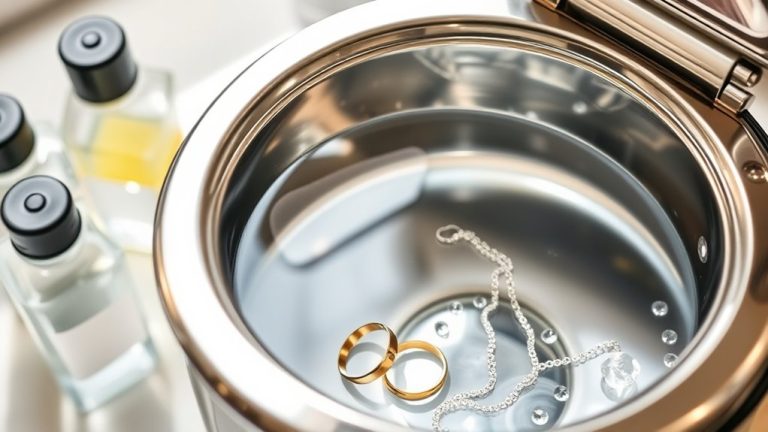
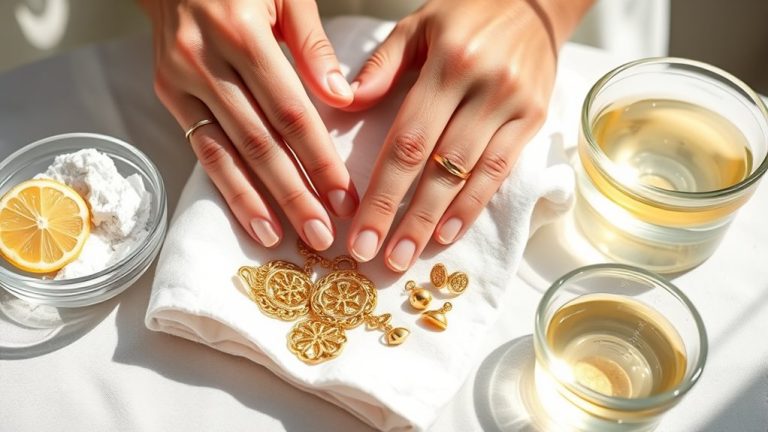
To keep your gold-plated jewelry looking its best and preserve its value, you need to handle it with care and follow some simple maintenance steps.
Regular cleaning with a soft, damp cloth removes oils and dirt that can wear down the thin gold layer.
Always store your pieces separately in airtight containers or pouches to prevent scratches and limit moisture exposure, which accelerates tarnishing.
Avoid contact with perfumes, lotions, and cleaning chemicals, as they can corrode the gold coating over time.
It’s a good idea to remove your gold-plated jewelry before swimming, showering, or exercising to protect it from water, sweat, and body oils.
Finally, steer clear of harsh abrasives or polishing agents during cleaning, since they can strip the delicate gold layer and reduce your jewelry’s overall value.
The Influence of Brand Reputation and Ethical Sourcing
Though gold-plated jewelry may look similar across different makers, the brand behind it considerably impacts its quality and value.
The brand behind gold-plated jewelry significantly influences its quality and overall value.
When you choose pieces from brands with strong reputations, you benefit from advanced plating techniques and higher-quality base metals that enhance durability.
Plus, ethical sourcing plays a big role—it assures materials come from responsible, sustainable origins, which builds your trust and adds moral worth to your jewelry.
Many reputable brands provide certifications that verify both quality and ethical standards, increasing the piece’s appeal and resale value.
Keep these points in mind when shopping:
- Brands with certifications guarantee authenticity and ethical sourcing
- Advanced plating techniques improve longevity and appearance
- Ethical sourcing supports fair labor and environmental care
This awareness helps you invest wisely in gold-plated jewelry with lasting value.
Market Demand and Resale Potential for Gold Plated Jewelry
You’ll notice that buyer interest in gold plated jewelry mainly follows fashion trends rather than investment appeal.
When it comes to resale value, factors like the thickness of the gold layer and brand reputation play a big role.
Keep in mind, the market faces challenges because the jewelry’s worth often drops sharply once the gold plating wears off.
Buyer Interest Trends
How much demand does gold-plated jewelry really have in today’s market?
You’ll find that its resale potential is influenced largely by current market trends and the quality of the gold layer.
Though the thin gold layer limits value compared to solid gold, buyers remain interested due to affordability and style variety.
Here’s what shapes buyer interest:
- Appreciating vintage jewelry with unique craftsmanship can boost appeal.
- Advanced plating techniques and thicker gold layers raise perceived quality.
- Fashion trends drive fluctuating demand, making gold-plated pieces a popular entry point.
You’ll notice buyers often seek pieces that balance trendy looks with durability.
This way, they ensure they get the most from their investment in gold-plated jewelry.
Resale Value Factors
Understanding the factors that affect the resale value of gold-plated jewelry can help you make smarter buying or selling decisions.
Since gold plating has a thin gold layer, intrinsic value is low. But market demand can boost resale potential, especially for vintage or designer pieces.
Thicker gold layers, like in gold vermeil, add appeal.
Authentic maker marks and designer labels also increase value by signaling quality.
Here’s a quick look at these key factors:
| Factor | Impact on Resale Value |
|---|---|
| Gold Layer Thickness | Thicker layers mean higher value |
| Maker Marks | Indicates authenticity; boosts value |
| Designer Labels | Enhances desirability and resale potential |
| Market Demand | Drives price, especially for vintage styles |
| Gold Content | Minimal content limits overall resale value |
Market Challenges
Although gold-plated jewelry can look attractive, its resale potential faces significant market challenges.
You’ll find the resale value often low due to the thin gold layer that wears off, exposing base metals.
Market demand is mostly trend-driven, not focused on long-term investment potential.
Authentic jewelry with genuine vintage or designer status is rare, so most pieces struggle to hold value.
Key challenges include:
- The thin gold layer diminishes durability and resale appeal over time.
- Market demand favors fashion over lasting worth, limiting investment potential.
- Widespread reproductions make authentic pieces scarce and hard to verify.
Understanding these factors helps you grasp why gold-plated jewelry rarely commands high resale prices, despite initial allure.
Frequently Asked Questions
Does Gold Plated Jewelry Have Any Value?
Yes, gold plated jewelry has some value, mainly because you’ll enjoy its stylish look and affordable elegance.
While it’s not a big financial investment, you can still appreciate its fashion appeal and occasional collectible interest.
Can I Get Any Money for Gold Plated Jewelry?
You can get some money for gold-plated jewelry, but don’t expect much.
Pawn shops or scrap dealers usually offer very low prices since the gold layer is thin.
Its value mostly comes from design or brand.
Can You Pawn Gold Plated Jewelry?
You can pawn gold-plated jewelry, but don’t expect much.
Pawnbrokers offer low prices since it has minimal gold content.
Solid gold pieces fetch higher value, so plating alone rarely brings good pawn offers.
Can You Cash in Gold Plated Jewellery?
You usually can’t cash in gold-plated jewelry for much because its gold layer is thin and worth little.
Most buyers value its look, not metal content, so don’t expect significant cash from pawning or selling it.
Conclusion
Now that you know what makes gold plated jewelry worth something, you can appreciate its value beyond just sparkle.
From the gold karat and plating type to craftsmanship and brand reputation, many factors play a role.
Just like a vintage pocket watch, its worth isn’t only in materials but in care and demand.
So, take good care of your pieces, and you’ll keep their beauty—and value—shining bright for years to come.
In conclusion, understanding the worth of gold plated jewelry goes beyond its glimmer.
Factors such as gold content, the quality of plating, and the brand’s reputation contribute significantly to its value.
By maintaining your jewelry and recognizing its unique attributes, you can ensure that its beauty and worth remain intact.
So, cherish your gold plated pieces, and let their value shine just as brightly as they do!