How to Become a Jewelry Appraiser – Step by Step Guide
To become a successful jewelry appraiser, it’s essential to start with a solid foundation in gemological education and certifications from prominent organizations like GIA or NAJA.
These qualifications will provide you with the necessary knowledge about gemstones and precious metals.
Next, gaining hands-on experience through internships or apprenticeships is crucial.
This practical experience will help you understand the nuances of the appraisal process.
As you build your skills in valuation techniques, make sure to stay updated on industry standards.
Obtaining professional credentials will further enhance your credibility in the field.
Joining reputable organizations can also provide networking opportunities and resources.
Additionally, cultivating connections within the jewelry and insurance sectors is vital for career growth.
Lastly, commit to ongoing education to continuously improve your expertise, ensuring that you maintain accuracy and trustworthiness in your appraisals.
Discover more about each step to confidently advance your appraisal career.
Understanding the Role of a Jewelry Appraiser
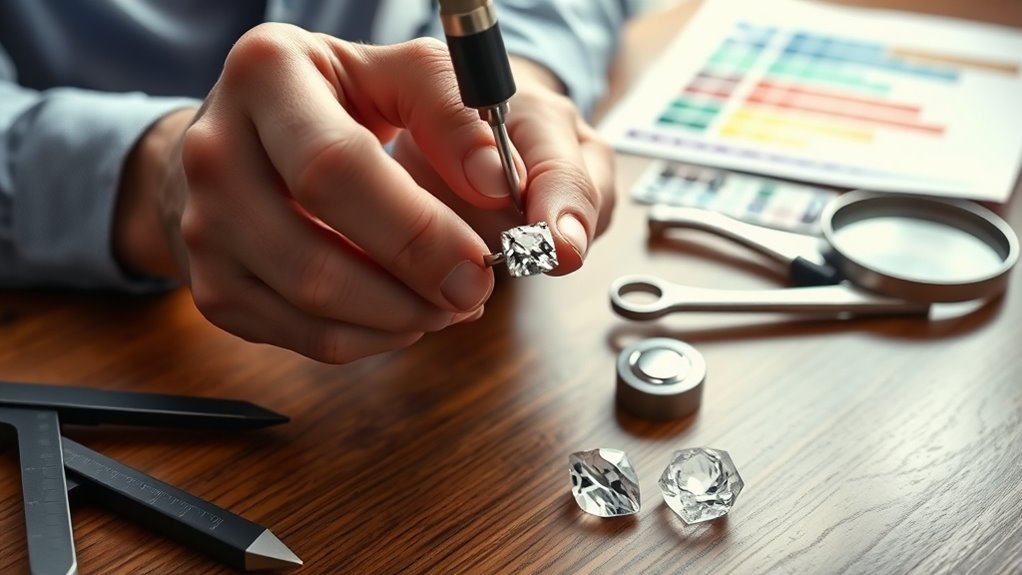
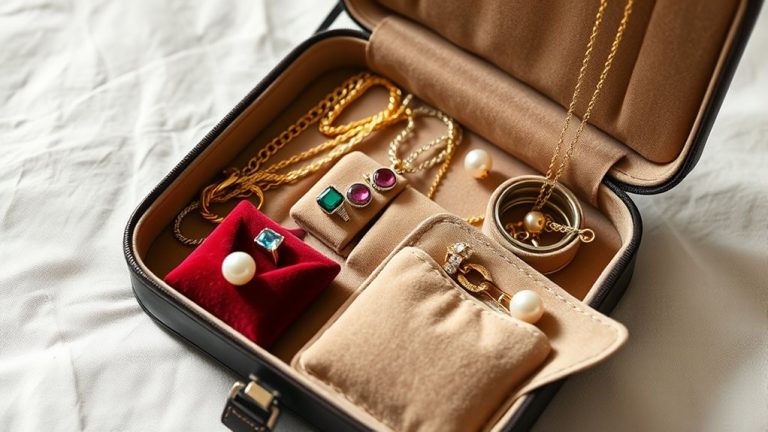
While you might admire the beauty of jewelry, a jewelry appraiser evaluates its true worth by examining gemstones, metals, and craftsmanship.
A jewelry appraiser uncovers true value by assessing gemstones, metals, and expert craftsmanship beyond surface beauty.
As a jewelry appraiser, you provide unbiased valuations based on intrinsic qualities and market conditions.
Holding professional credentials, such as GIA G.G. or certifications from appraisal organizations like NAJA or AGS, strengthens your credibility.
Your appraisal process involves identifying any treatments or enhancements to the jewelry and analyzing its overall quality.
After thorough examination, you produce a detailed appraisal report, which clients use for insurance, resale, estate, or legal purposes.
Your primary role is to offer objective assessments without conflicts of interest, ensuring accuracy and trustworthiness in every valuation you provide.
Essential Gemological Education and Training
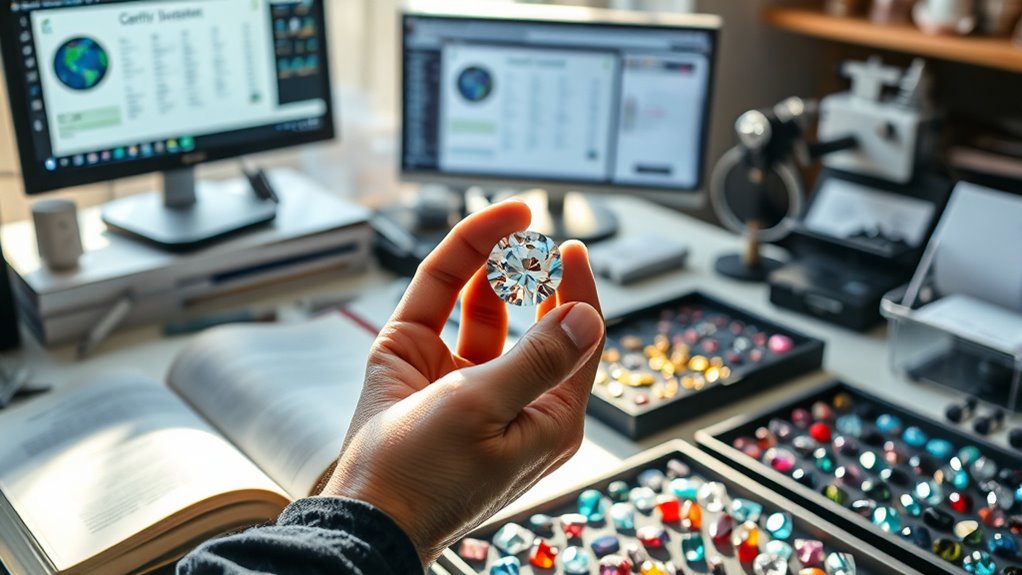
Because accurate jewelry appraisal depends heavily on expert knowledge, you need solid gemological education and training to succeed.
Pursuing certification from recognized organizations like the Gemological Institute of America (GIA), the Gemmological Association of Great Britain (FGA), or the National Association of Jewelry Appraisers (NAJA) is essential.
These programs provide rigorous gemological training covering gemstone identification, the 4 Cs—Carat, Color, Clarity, and Cut—and jewelry analysis.
Many courses offer flexible options, including on-site and home-study formats, so you can learn at your own pace.
Earning credentials such as the Graduate Gemologist (G.G.) demonstrates your expertise and credibility as a gemologist.
To stay current with evolving industry standards, continuing education is crucial.
This will help you understand new treatments, synthetic stones, and appraisal practices in the jewelry world.
Gaining Practical Experience in Jewelry Appraisal

Although formal education lays the foundation, gaining practical experience is essential to becoming a skilled jewelry appraiser.
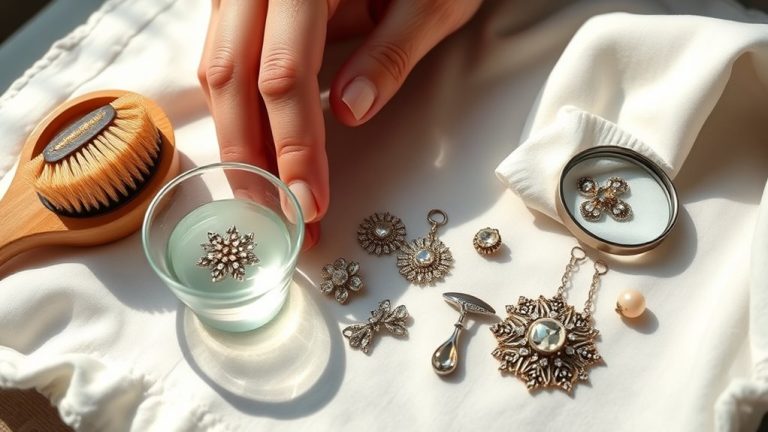
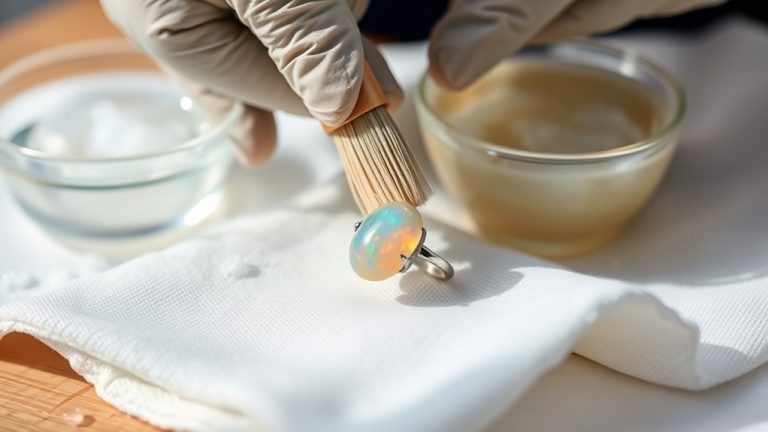
You can start by pursuing internships or apprenticeships with certified appraisers or jewelry labs. Here, you’ll learn gemstone identification, metal testing, and appraisal techniques firsthand.
Evaluating various jewelry pieces and preparing appraisal reports under supervision will sharpen your skills.
Joining professional organizations offers valuable networking and mentorship opportunities that deepen your practical experience.
Make sure to attend workshops and seminars to stay current with industry methods.
As you build a diverse portfolio of appraised items, you’ll demonstrate your competency and boost your credibility.
This hands-on approach complements your education, preparing you to confidently enter the jewelry appraisal field and produce accurate, professional appraisal reports.
Obtaining Professional Certifications and Credentials
Earning professional certifications and credentials is an essential step to establish your credibility as a jewelry appraiser.
Start by becoming a certified gemologist, like earning the Graduate Gemologist (G.G.) credential from GIA through an intensive 6-month course.
Next, pursue certification from respected organizations such as NAJA, ASA, or ISA. This demonstrates your commitment to professional standards and ethical appraisal practices.
You might also consider the Certified Insurance Appraiser (CIA) designation, which focuses specifically on insurance-related appraisal skills.
Joining recognized industry groups and adhering to USPAP guidelines further solidifies your reputation.
Remember, continuing education through seminars and courses is fundamental to maintaining your certifications and staying current with evolving industry standards.
These industry credentials will open doors and build trust with clients and professionals alike.
Developing Appraisal Skills and Methodologies
When you develop strong appraisal skills, you’ll be able to accurately assess the true value of jewelry by combining knowledge of gemology, metals, and manufacturing processes.
To sharpen your expertise, master various valuation methods like the cost, market, and income approaches to provide credible, well-rounded appraisals.
Hands-on experience, including detailed examinations and digital documentation, will refine your observational skills and technical proficiency.
Staying updated on industry standards, market trends, and legal requirements such as USPAP is essential for relevant, compliant evaluations.
Continuous professional development through certification programs and memberships in organizations like NAJA or AGS will enhance your credibility and deepen your methodological knowledge.
This ongoing learning ensures your appraisals remain precise and trusted within the jewelry appraisal field.
Building Industry Connections and Professional Reputation
Mastering appraisal skills sets a strong foundation, but building your industry connections and professional reputation will open doors to new opportunities.
Join professional organizations like NAJA, ASA, or AGS to gain credibility and expand your network.
Attend industry events, trade shows, and conferences to engage in valuable networking with peers and potential clients.
Cultivate relationships with local jewelers, estate attorneys, and insurance agents to create referral channels and collaborations.
Maintaining an active online presence through professional websites, social media, and forums enhances your visibility and strengthens your professional reputation.
Always provide accurate, ethical appraisals and exceptional service to build trust and long-lasting industry connections.
Your credibility grows as you consistently deliver quality and foster genuine relationships in the jewelry appraisal community.
Staying Current With Industry Standards and Continuing Education
Although the jewelry industry constantly evolves, you can stay ahead by regularly updating your knowledge and skills.
Engage in continuing education through courses and certifications, like USPAP updates or advanced gemology classes, to maintain your credentials.
Continuing education and certifications, such as USPAP updates and advanced gemology classes, are essential to maintain your credentials.
Attend industry conferences, seminars, and webinars from organizations such as GIA, NAJA, and AGS to learn the latest industry standards and appraisal techniques.
Subscribing to reputable publications like “Jewelry Industry News” and “Gems & Gemology” can also provide you with current insights.
Joining peer review groups and professional networks allows you to exchange ideas and stay informed about regulatory changes.
Monitoring updates from governing bodies ensures your methods comply with legal and ethical requirements.
Prioritizing professional development helps you deliver accurate appraisals and sustain a trustworthy reputation.
Frequently Asked Questions
How to Become a Certified Jewelry Appraiser?
You become a certified jewelry appraiser by completing gemological training and gaining hands-on experience.
After that, you’ll need to earn certification from recognized organizations like NAJA or ASA.
You’ll also study appraisal ethics and USPAP standards, which are crucial for your career.
Plus, maintaining ongoing education is essential to stay updated in the field.
What Are the 7 Steps of the Appraisal Process?
Picture yourself examining a sparkling gem closely;
you’ll gather info, inspect it, identify stones and metals,
research market values, then draft a detailed report.
Those are the seven essential steps in the jewelry appraisal process.
How Much Does Appraisal Training Cost?
Appraisal training usually costs between $1,500 and $5,000, depending on the program.
You can find cheaper online courses around $1,000 to $2,000.
But investing more often boosts your credibility and skills.
How Fast Can You Become an Appraiser?
You can become an appraiser in as little as six months with intensive programs.
But gaining full expertise usually takes one to three years of study and hands-on experience.
The pace depends on your dedication and prior knowledge.
Conclusion
Becoming a jewelry appraiser puts you in a unique field where precision meets passion.
Did you know that the jewelry appraisal market is expected to grow by 6% annually?
This means more opportunities for skilled appraisers like you.
By following the right education, gaining hands-on experience, and earning certifications, you’ll build credibility and trust in the industry.
Stay curious and keep learning.
Watch your career sparkle as you help others value their treasures.
In conclusion, becoming a successful jewelry appraiser requires a blend of formal education, practical experience, and professional certifications.
As you embark on this rewarding journey, remember to stay engaged and informed about industry trends.
With dedication and a keen eye for detail, you can thrive in this growing field while helping clients understand the true worth of their valuable items.
So, start your path today and let your passion for jewelry shine!