7 Factors That Affect How Much Jewelry Appraisal Does Cost
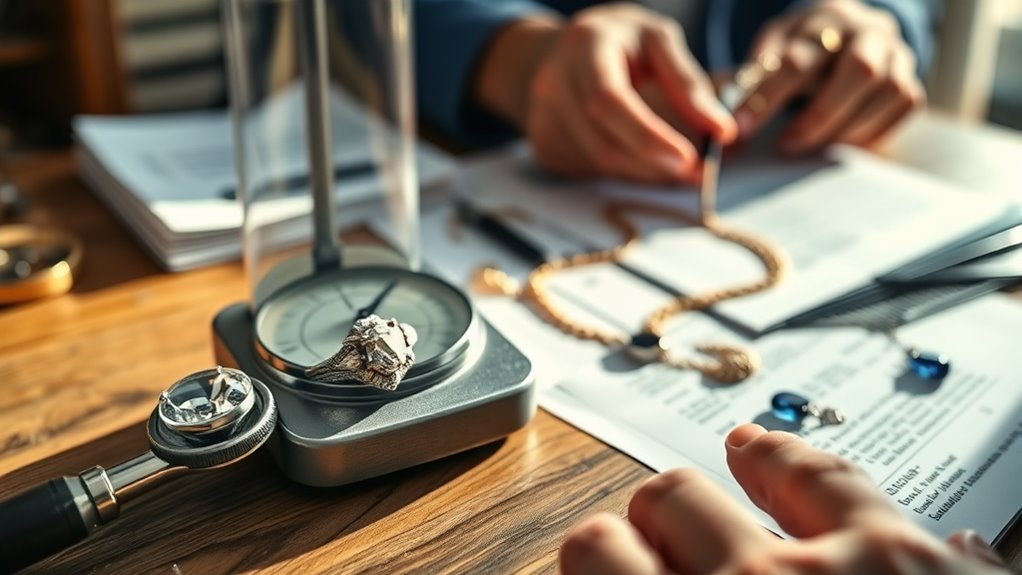
Your jewelry appraisal cost depends on several key factors that can significantly influence how much you’ll pay.
The appraiser’s expertise and certification play a big role in determining costs—you’ll generally pay more for certified professionals.
Complex or unique pieces, as well as rare materials like platinum, tend to raise fees due to the extra evaluation time required.
Additionally, the type of jewelry and its condition can affect costs, especially for antiques or damaged items.
The purpose of the appraisal matters too; for instance, insurance appraisals are usually pricier than those intended for resale.
Lastly, location also influences pricing, with urban areas often charging more.
Understanding these factors can help you navigate appraisal expenses with more confidence.
Expertise and Certification of the Appraiser
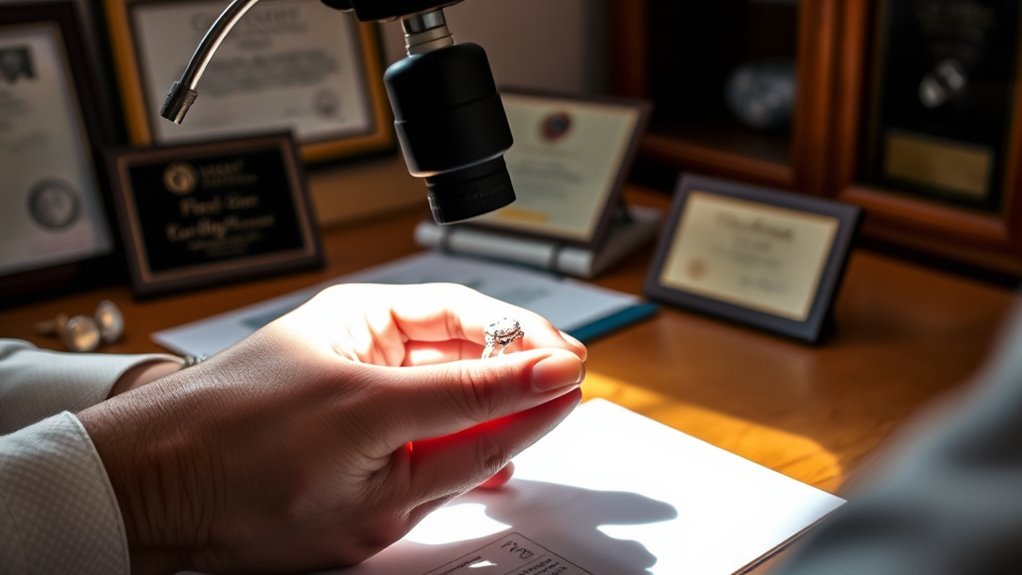
Because certified appraisers hold credentials from respected organizations like GIA or ASA, you can expect their fees to be higher due to their specialized knowledge.
When you choose a certified appraiser, you’re paying for expertise backed by formal certification and adherence to strict industry standards.
These credentials guarantee that the appraiser has undergone rigorous training, ensuring a professional appraisal that’s both thorough and reliable.
Appraisers with significant industry recognition and experience often command premium rates, reflecting their proven track record.
While uncertified or less experienced appraisers may charge less, their valuations might lack the credibility and accuracy you need.
Ultimately, investing in an appraiser with recognized certification and expertise provides you with confidence in the appraisal’s quality and value.
Complexity and Uniqueness of the Jewelry Piece
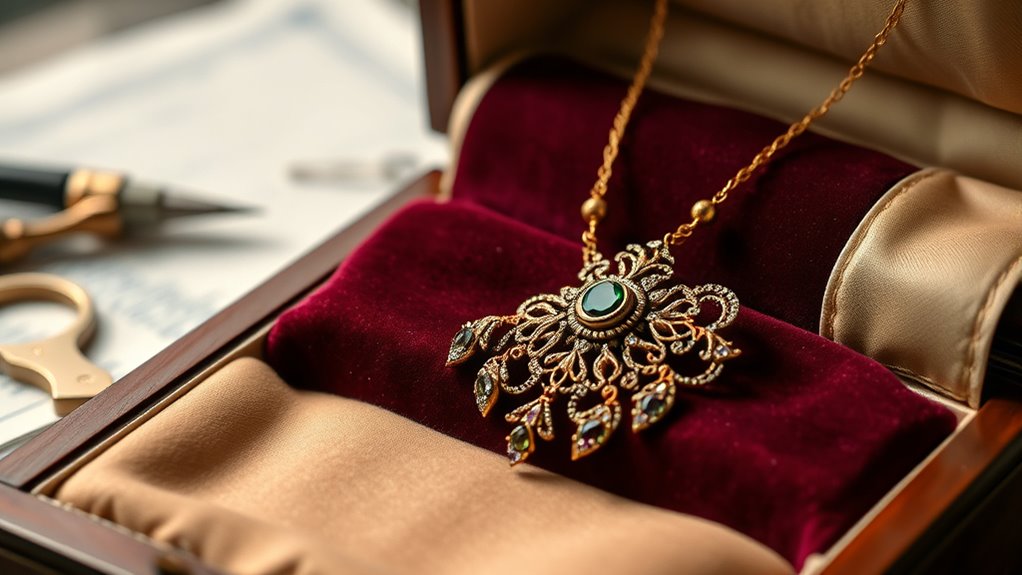
When you bring in a unique or complex jewelry piece, the appraisal process often takes more time and expertise, which can increase the cost.
The complexity and uniqueness of your item—like antique jewelry with intricate craftsmanship or custom-designed pieces—require detailed assessment.
Rare gemstones or mixed metal settings add layers of difficulty, demanding thorough analysis to determine value accurately.
| Jewelry Feature | Impact on Appraisal |
|---|---|
| Antique Jewelry | Requires historical and detailed evaluation |
| Custom-Designed Pieces | Needs extra assessment for uniqueness |
| Rare Gemstones | Increases time due to rarity and complexity |
Understanding these factors helps you anticipate why some appraisals cost more.
Especially when your jewelry stands out in complexity and uniqueness.
Type of Jewelry and Materials Used
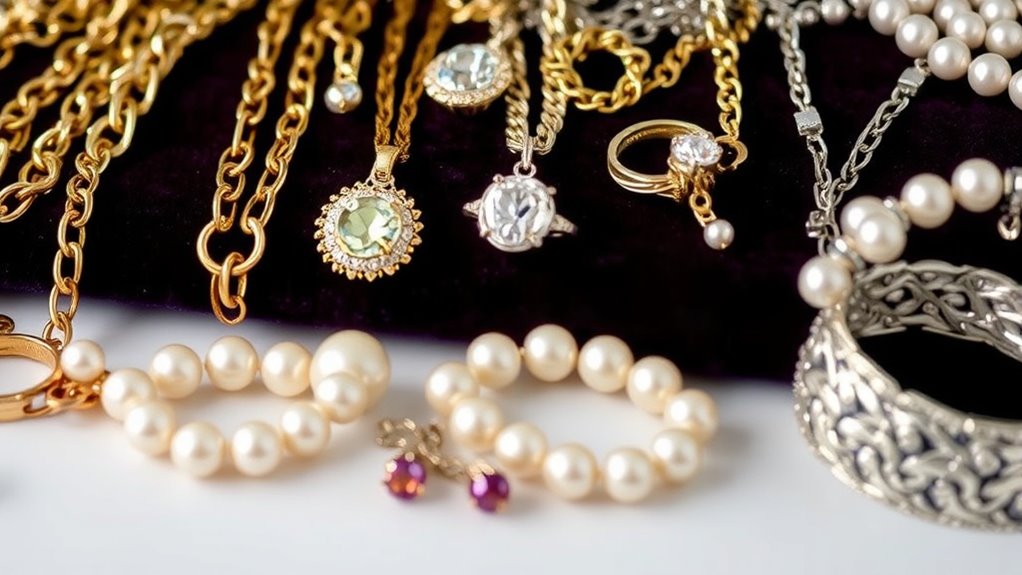
When you bring in jewelry made from valuable metals or high-quality gemstones, expect the appraisal cost to reflect that worth.
The craftsmanship and condition of your piece also play a big role in how much the evaluation will cost.
These factors combined influence the time and expertise needed for an accurate appraisal.
Metal Type Value
Although various factors influence jewelry appraisal costs, the metal type plays an essential role in determining value.
When you bring your piece in, appraisers focus on the metal’s purity, jewelry weight, and current market value.
For instance, higher gold karat, like 18K or 24K, means more gold content and a higher appraisal cost.
Platinum, being denser and rarer, usually costs more to appraise than silver.
Silver pieces tend to be less expensive, but antique or well-crafted silver can still fetch a higher valuation.
| Metal Type | Impact on Appraisal Cost |
|---|---|
| 24K Gold | High due to purity and value |
| 18K Gold | Moderate to high |
| Platinum | Typically highest |
| Silver | Usually low, can vary |
| Antique Silver | Can increase value |
Gemstone Quality Impact
Since gemstones vary widely in quality and type, their characteristics substantially impact your jewelry’s appraisal cost.
When the gemstone quality is high—like flawless diamonds or vividly colored sapphires—the appraisal cost rises due to the need for expert gemstone assessment.
The gemstone type plays a vital role; precious stones such as rubies and emeralds demand more detailed evaluation than semi-precious ones.
Larger gemstone size requires more extensive testing, which adds to the appraisal fee.
Additionally, gemstone clarity, inclusions, treatment status, and gemstone origin require specialized analysis to determine value accurately.
These factors increase the time and effort needed, directly influencing how much you’ll pay for an appraisal.
Understanding these elements helps you anticipate the appraisal cost based on your jewelry’s unique gemstone attributes.
Craftsmanship and Condition
Because the craftsmanship and condition of your jewelry directly influence its value, appraisers must carefully examine the piece’s finishing, symmetry, and stone setting.
The material quality, such as platinum or 18K gold, also plays a pivotal role, as purity and weight affect the appraisal value.
When dealing with antique jewelry, the inspection becomes more detailed, often requiring specialized expertise due to intricate craftsmanship.
Your jewelry’s repair status is equally important; visible repairs or damage can lower its worth by impacting structural integrity.
Well-preserved items with minimal wear or damage typically receive higher appraisals.
Purpose and Detail Level of the Appraisal
When you need a jewelry appraisal, the purpose behind it directly shapes how detailed the report will be and what it costs.
For insurance, appraisals require a certified report with a high detail level. This often costs $150-$200 or more.
Market value or resale appraisals focus less on detail and usually cost less.
Complexity also plays a role, as intricate pieces take more time.
| Purpose | Detail Level | Typical Cost |
|---|---|---|
| Insurance | High, certified report | $150 – $200+ |
| Market Value | Moderate, less detailed | $50 – $150 |
| Complexity Impact | Increases time needed | Raises appraisal cost |
Choosing the right appraisal depends on your goals.
Also, consider the jewelry’s complexity.
Geographic Location and Regional Market Differences
Where you get your jewelry appraised can greatly impact the cost, since urban areas and regions with high demand often charge more.
You’ll notice prices vary because appraisers in busy markets bring specialized expertise and face higher living costs.
Understanding these regional differences helps you anticipate what an appraisal might cost in your area.
Local Demand Influence
Although jewelry appraisal costs vary widely, your location plays a significant role in determining the price.
Local demand directly influences how much you’ll pay, as appraisal values shift with market fluctuations specific to your regional market.
Here’s how geographic location impacts appraisal costs:
- High local demand for certain gemstones or styles often means more detailed evaluations, increasing appraisal costs.
- Areas with many certified gemologists may offer competitive pricing, while regions with fewer experts might charge premiums.
- Remote locations can add travel fees for appraisers, reflecting in your overall appraisal costs.
Understanding these factors helps you anticipate appraisal value changes linked to your geographic location.
This way, you can ensure you get a fair assessment aligned with local market conditions.
Regional Pricing Variations
Since appraisal fees reflect both local demand and living costs, you’ll find prices are typically higher in major urban areas like New York City, Los Angeles, and Chicago.
The regional market heavily influences appraisal cost, as geographic areas with greater access to rare gemstones or vintage jewelry often require more complex evaluations.
In contrast, appraisers in rural locations generally charge less due to lower operating costs and reduced demand.
Your location also affects how many certified appraisers are available, which can create competitive pricing variations.
Additionally, local economic conditions and average income levels impact market price expectations, meaning wealthier areas tend to have higher appraisal fees.
Understanding these regional pricing variations helps you anticipate fair appraisal costs based on where you live and the specific characteristics of your geographic area.
Rarity and Historical Significance of the Jewelry
When your jewelry boasts rarity or historical significance, expect appraisal costs to rise.
Appraisers invest more time and expertise to accurately value pieces with unique qualities. Here’s why:
Expert appraisers dedicate extra time and skill to precisely value uniquely qualified jewelry pieces.
- Rarity: Jewelry featuring rare gemstones or limited-edition designs demands specialized knowledge. This naturally increases appraisal fees.
- Historical Significance: Antique jewelry or items with documented provenance need expert evaluation. It’s essential to verify authenticity and history.
- Provenance and Complexity: Pieces with cultural importance or verified ownership records require detailed analysis. Sometimes, this involves lab tests, which add to costs.
Because of these factors, appraisal fees reflect the deeper research and expertise needed to assess your jewelry’s true worth accurately.
You’ll find that rarity and historical significance naturally lead to higher appraisal costs.
Condition and Age of the Jewelry
Because older and worn jewelry demands a more thorough evaluation, you’ll often see higher appraisal costs for these pieces.
The age of your jewelry, especially if it’s antique or vintage, directly affects the complexity of the appraisal.
If your piece shows damage or signs of repair, the appraiser will need to assess the quality of those repairs, which can increase the appraisal cost.
Jewelry in excellent condition with minimal wear generally costs less to appraise since the evaluation is straightforward.
However, if your item has been restored or has significant damage, expect a more detailed inspection to determine its true value.
Ultimately, both the condition and age of your jewelry play a vital role in how much the appraisal will cost.
Frequently Asked Questions
How Much Should a Jewelry Appraisal Cost?
You should expect to pay between $100 and $200 for a professional jewelry appraisal.
Prices can vary, but certified appraisers often charge more.
Hourly rates range from $50 to $150, depending on the piece’s complexity.
What Factors Affect Appraisal Value?
You’ll find factors like fine facets, fabulous finishes, and flawless features fundamentally fuel your jewelry’s fair value.
Craftsmanship, carat, condition, and collectible charisma continuously contribute, creating considerable changes in your appraisal’s calculated cost.
Why Does Getting Your Jewelry Appraised Cost so Much?
Getting your jewelry appraised costs a lot because appraisers invest time, expertise, and specialized tools to carefully evaluate your piece’s value.
They also provide detailed reports that require thorough analysis and professional certification.
How Does a Jewelry Appraisal Compare With a Selling Price?
Think of appraisal and selling price as two sides of the same coin.
You’ll find appraisals reflect expert value estimates.
But selling prices depend on buyer interest, negotiation, and market demand.
Conclusion
When you’re getting your jewelry appraised, remember that costs can vary widely. Did you know expert appraisers can charge anywhere from $50 to over $500 per hour?
This range depends on factors like the appraiser’s expertise, your jewelry’s uniqueness, and even where you live. Recognizing these elements helps you make smarter choices.
It also guarantees you get a fair, accurate appraisal without surprises.
Keep these factors in mind to protect your valuable pieces!
Understanding the costs associated with jewelry appraisal is crucial. By considering the appraiser’s qualifications, the distinctiveness of your jewelry, and your local market, you can ensure a more accurate and fair valuation.
Ultimately, being informed will help you navigate the appraisal process confidently, ensuring your jewelry is appraised correctly without unexpected expenses.