Does Zinc Jewelry Tarnish and How Can You Prevent It?
Yes, zinc jewelry can tarnish due to moisture and oxygen reacting with the metal, especially in humid or salty environments.
To prevent tarnishing, keep your jewelry dry and avoid exposure to lotions and chemicals.
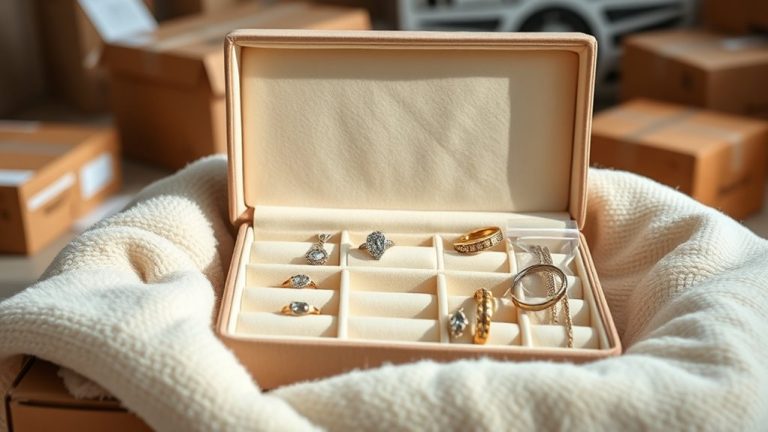
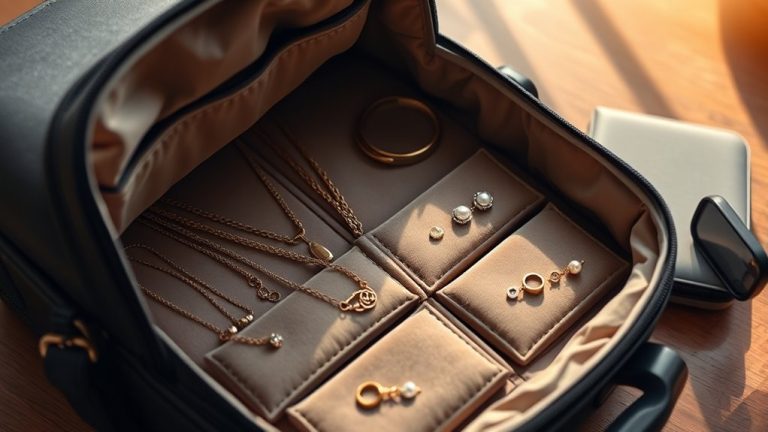
Storing it in airtight containers with silica gel is also a great idea.
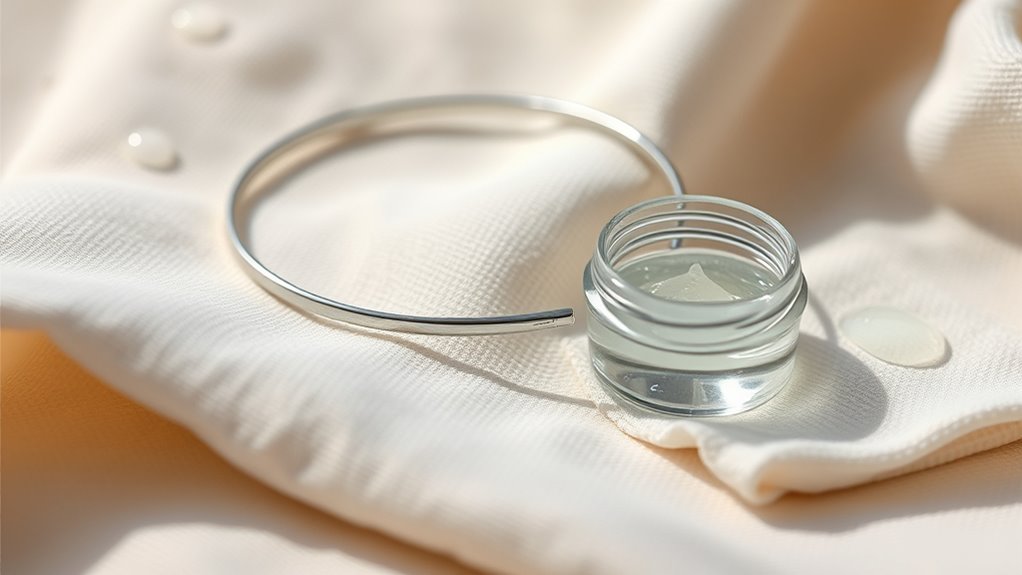
Additionally, applying a clear protective coating like nail polish can help shield your pieces from damage.
Regular gentle cleaning will maintain its shine and extend the life of your jewelry.
If you want to discover the best ways to care for your zinc pieces, keep exploring!
Understanding Zinc Jewelry and Its Composition
Although zinc jewelry might seem simple at first glance, its composition plays a crucial role in its appearance and durability.
Zinc alloy typically consists of 80-96% zinc combined with other metals like copper, aluminum, or nickel.
Zinc alloy contains 80-96% zinc blended with copper, aluminum, or nickel for strength and durability.
This specific alloy content affects the jewelry’s corrosion resistance and how well it withstands oxidation.
Because of its moldability, zinc alloy allows for intricate designs and various finishes, including gold and silver plating.
The plating adds an extra protective layer but depends heavily on the underlying alloy’s composition for long-lasting results.
Higher zinc content generally offers better protection against tarnish, while certain metals like nickel can influence both tarnish susceptibility and potential allergic reactions.
Understanding this balance in metals helps you appreciate why zinc jewelry looks great and lasts.
Why Zinc Jewelry Tarnishes
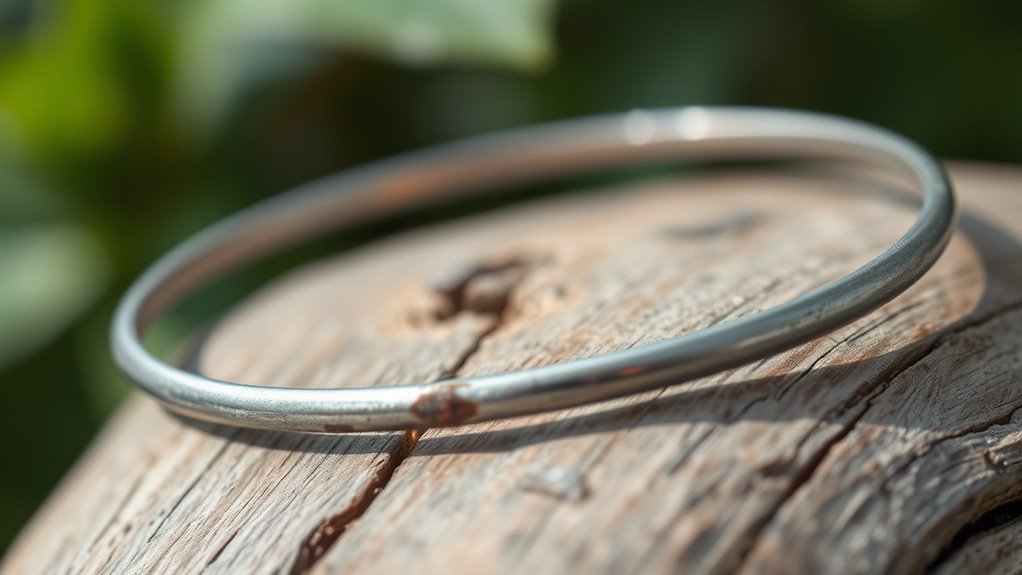
When zinc jewelry meets moisture and oxygen, it starts to tarnish by forming a dull oxide layer or white rust.
This zinc tarnish results from oxidation, which is a chemical reaction where zinc reacts with moisture and oxygen in the air.
The alloy composition plays a vital role—if your jewelry contains metals like copper, it can accelerate corrosion and reduce resistance to tarnish.
Without protective coatings, your zinc jewelry is more vulnerable to damage.
Humidity and environmental moisture increase oxidation rates, causing the white rust layer to develop faster.
This corrosion not only dulls the appearance but can weaken the metal over time.
To maintain your jewelry’s shine, understanding why zinc tarnishes helps you take proper care and apply the right protective measures.
Environmental and Lifestyle Factors Affecting Tarnish
Since zinc jewelry reacts quickly to its surroundings, your environment and daily habits play a big role in how fast it tarnishes.
High humidity and moisture speed up oxidation, accelerating tarnish formation.
Exposure to water, especially during swimming or showering, increases corrosion risks.
Environmental factors like saltwater and beach air also hasten tarnishing due to their corrosive salt content.
Daily contact with sweat, lotions, and household chemicals further promotes oxidation and corrosion.
Poor storage conditions, such as leaving your zinc jewelry in humid places with constant exposure to air, encourage white powdery corrosion to develop.
Being aware of how these environmental factors and lifestyle choices affect your zinc jewelry can help you understand why tarnish forms and how quickly it appears.
How to Prevent Tarnishing on Zinc Jewelry
To keep your zinc jewelry looking its best, you can take simple steps that considerably slow down tarnishing.
First, apply a thin layer of clear nail polish or other protective coatings to create a barrier against moisture and oxidation.
Next, practice proper storage by keeping your pieces in airtight containers or ziplock bags.
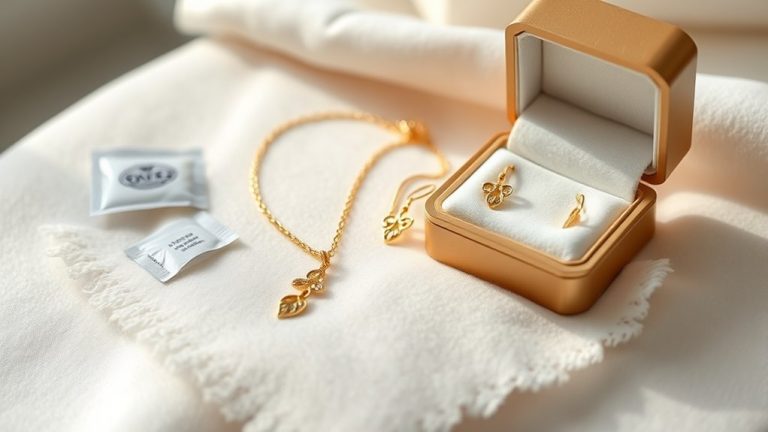
Ideally, add silica gel packets to aid moisture absorption and further prevent tarnishing.
Always avoid contact with water, sweat, and chemicals.
This means removing your jewelry before swimming, showering, or exercising.
Regular cleaning with a soft cloth and mild soap helps maintain the layer of zinc and shine.
Just remember to reapply protective coatings afterward.
These habits will effectively prevent oxidation and keep your zinc jewelry looking fresh longer.
Effective Cleaning Methods for Zinc Jewelry
You’ll want to clean your zinc jewelry gently using mild soap and warm water to avoid damage.
For tougher tarnish, a baking soda paste can help remove it safely without scratching.
Always skip harsh chemicals and use soft brushes or cloths to keep your pieces looking their best.
Gentle Cleaning Solutions
Although zinc jewelry can tarnish over time, you can easily restore its shine using gentle cleaning solutions that won’t damage its surface.
Start with a mild soap solution mixed in warm water for gentle cleaning. Dip a soft cloth or a baby toothbrush in the solution to remove dirt and oils without scratching.
After cleaning, rinse your jewelry thoroughly with clean water to prevent soap residue, which can cause tarnish or corrosion.
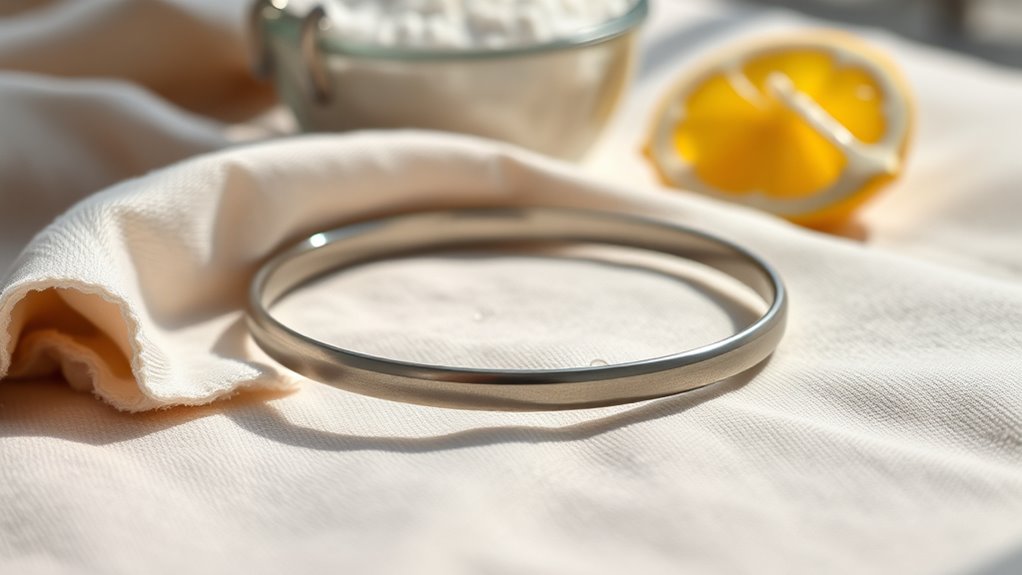
For tarnish removal, create a baking soda paste with water and gently rub it on affected areas to restore shine safely.
Finally, dry your zinc pieces completely using a soft towel and allow them to air dry before storing.
These cleaning methods help maintain your jewelry’s luster and prevent tarnish effectively.
Removing Tarnish Safely
When zinc jewelry starts to tarnish, tackling the buildup promptly with gentle cleaning methods preserves its shine and prevents damage.
Use a soft cloth dipped in mild soap and warm water to clean zinc jewelry gently.
For stubborn tarnish, apply a baking soda paste with a soft cloth, then rinse dry thoroughly.
Always rinse zinc jewelry with clean water after cleaning to remove residue and avoid chemicals that can damage its surface.
Regular cleaning helps prevent tarnish buildup over time.
| Step | Method |
|---|---|
| Clean | Soft cloth with mild soap |
| Stubborn tarnish | Baking soda paste application |
| Rinse and dry | Clean water rinse, soft towel |
| Avoid | Harsh chemicals, abrasive tools |
Comparing Zinc Jewelry to Other Metals
When you compare zinc jewelry to other metals, you’ll notice it tarnishes slower than copper but faster than stainless steel or precious metals.
Its durability is decent but doesn’t match up to tougher metals like titanium.
You’ll also find maintenance varies, with zinc often needing protective coatings to keep it looking fresh longer.
Tarnish Rates Compared
How does zinc jewelry compare to other metals when it comes to tarnish?
Zinc tarnish generally forms more slowly than copper or silver due to zinc’s natural zinc carbonate layer, which slows metal oxidation.
However, the alloy composition affects this—adding copper to a zinc alloy speeds up discoloration.
Environmental factors like humidity, saltwater, and chemicals can increase zinc’s tarnish rate compared to more resistant metals like stainless steel.
You can considerably slow down zinc tarnish through proper jewelry care, including regular maintenance and applying protective coatings.
These steps help preserve the metal’s appearance and prevent oxidation.
Durability and Wear
Although zinc jewelry offers a lightweight and comfortable option, you should know it doesn’t match the durability of stainless steel or sterling silver.
Zinc alloy tarnish is less aggressive than copper’s, but with daily wear, you might notice surface discoloration or surface damage due to its softer metal composition.
While zinc resists tarnish reasonably well, it’s more prone to scratches and wear if not protected.
Applying proper protective coatings and avoiding exposure to moisture can considerably reduce damage.
Proper care, including gentle cleaning and careful storage, helps maintain zinc’s appearance longer.
Compared to harder metals, zinc jewelry requires a bit more attention to prevent wear and surface discoloration.
But with mindful handling, it can remain an attractive accessory for everyday use.
Maintenance Differences
Since zinc jewelry tarnishes more slowly than copper or silver, you might assume it needs less upkeep.
But regular maintenance is still key to preventing discoloration and keeping it looking its best.
Zinc alloys contain elements that make them prone to oxidation when exposed to moisture and oils, unlike gold or stainless steel.
To maintain zinc jewelry effectively, follow these steps:
- Apply protective coatings like clear nail polish to shield against tarnishing.
- Store pieces in airtight containers with silica gel or anti-tarnish paper to limit exposure.
- Clean gently with mild soap and a soft brush to remove oils and dirt.
- Avoid harsh chemicals that can accelerate discoloration or damage coatings.
Tips for Maintaining Zinc Jewelry’s Shine and Longevity
To keep your zinc jewelry looking its best, you’ll want to clean it regularly with mild soap and warm water.
Make sure to dry it thoroughly afterward to remove oils and dirt that can cause tarnishing.
Applying a clear protective coating every 1-2 months helps prevent oxidation by creating a moisture barrier.
Additionally, store zinc jewelry properly in airtight containers with humidity control, like silica gel packets, to avoid tarnish.
Always avoid exposure to water, perfumes, and lotions to protect the finish.
Remember to reapply the protective coating as needed, and clean your zinc jewelry gently to maintain its shine and longevity.
| Clean with Mild Soap | Apply Clear Coating | Store Properly |
|---|---|---|
| Removes dirt & oils | Prevents oxidation | Airtight + silica gel |
| Prevents tarnish | Extends shine | Controls humidity |
| Easy, gentle method | Barrier from moisture | Avoids moisture damage |
Frequently Asked Questions
How to Keep Zinc Jewelry From Tarnishing?
You can keep zinc jewelry from tarnishing by storing it in airtight containers.
This helps to limit exposure to air and moisture.
Applying a clear protective coating is another great option.
It acts as a barrier against tarnishing agents.
Keeping the jewelry dry is essential too.
Moisture can lead to oxidation and tarnish, so make sure to avoid wearing it in the shower or while swimming.
Using silica gel packets can also help absorb any excess moisture in storage.
And don’t forget to regularly clean it with a soft cloth and mild soap.
This will keep your zinc jewelry looking shiny and new!
How Long Does Zinc Jewelry Tarnish?
Zinc jewelry’s shine lasts like a summer breeze—usually a few months to a year before tarnishing creeps in.
You’ll notice wear sooner if moisture or sweat visit often, so care can stretch its sparkle longer.
Is Zinc Jewelry Good Quality?
Yes, zinc jewelry can be good quality if it’s made with controlled alloys and protective coatings.
When you choose reputable brands and care for your pieces properly, you’ll enjoy durable, hypoallergenic jewelry that lasts longer.
Can I Shower With Zinc Jewelry?
You shouldn’t shower with zinc jewelry; it can tarnish faster, like a knight’s armor rusting under rain.
Always remove it before water exposure to keep its shine intact and prolong its beauty over time.
Conclusion
Zinc jewelry can tarnish, but with the right care, you can keep it shining like a star in the night sky.
By avoiding moisture, harsh chemicals, and storing it properly, you’ll prevent dullness and corrosion.
Regular gentle cleaning will restore its sparkle faster than you can blink.
Treat your zinc pieces with a little love, and they’ll stay beautiful and last longer than you’d ever imagine.
So, if you want your zinc jewelry to remain stunning and timeless, remember to give it the care it deserves.
Keep it dry, clean it regularly, and store it in a safe place away from exposure.
By following these simple steps, you can ensure your zinc collection stays as vibrant and eye-catching as the day you bought it.
In the end, a little attention goes a long way in preserving the beauty of your zinc jewelry for years to come!