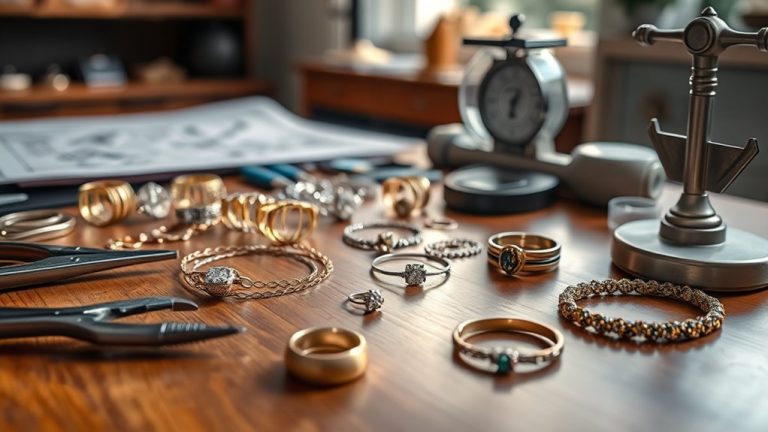
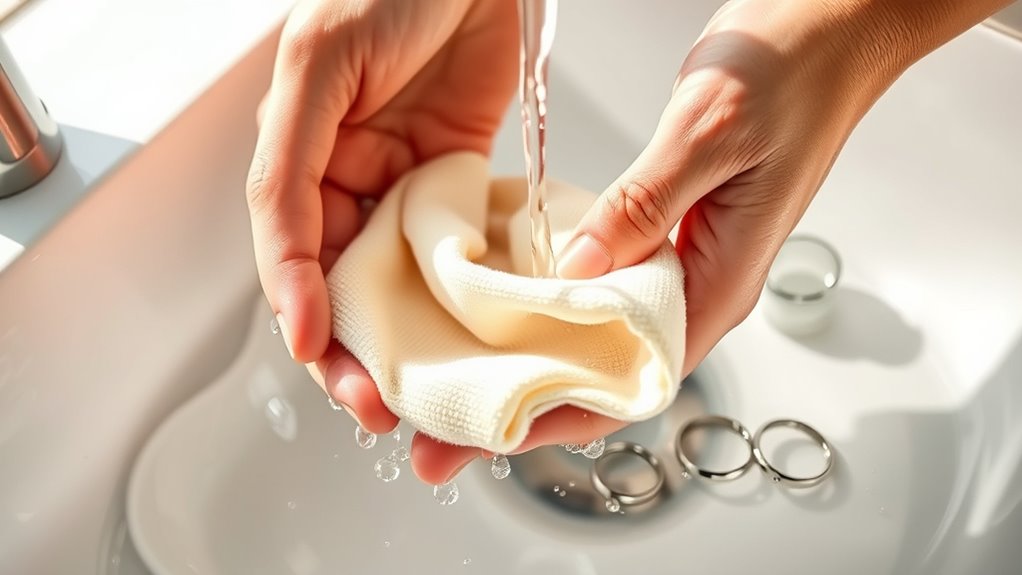
How You Wash Jewelry Polishing Cloths Properly
To wash your jewelry polishing cloth properly, it’s important to first identify its type.
Treated cloths with anti-tarnish agents shouldn’t be washed, as this could compromise their effectiveness.
For untreated cloths like cotton or microfiber, you can gently hand wash them with mild soap and cold water.
Just remember not to soak them!
After washing, rinse the cloth thoroughly and then air dry it completely in the shade.
Avoid using harsh detergents, bleach, or fabric softeners, as these can damage the fibers.
If you want to maintain your cloth’s shine and longevity, understanding these care details will definitely help.
Taking a little extra care with your polishing cloth can really make a difference in its performance!
Types of Jewelry Polishing Cloths
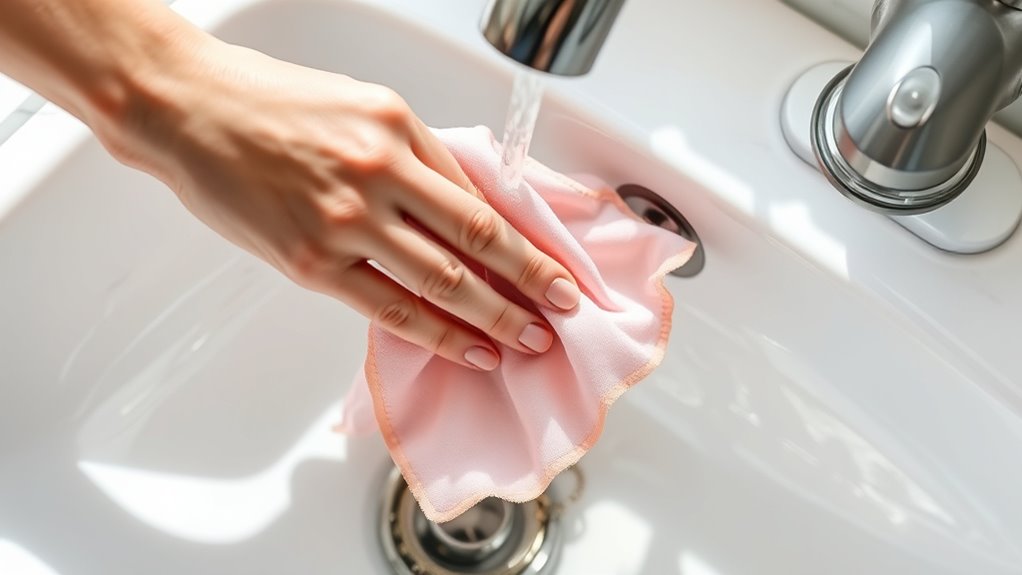
When you choose a jewelry polishing cloth, it’s important to understand the different types available to match your cleaning needs.
Microfiber cloths are a great choice if you want a delicate, non-abrasive option that effectively removes dust and oils without scratching fragile jewelry.
These cloths are perfect for maintaining pieces with sensitive surfaces.
On the other hand, non-treated fabrics like cotton or flannel are soft and ideal for routine cleaning and quick touch-ups.
They don’t contain polishing agents, so they’re best for gentle maintenance rather than deep polishing.
Knowing the difference between microfiber cloths and non-treated fabrics helps you select the right cloth for your jewelry.
This ensures you care for each piece properly without risking damage.
Recognizing When to Clean Your Polishing Cloth
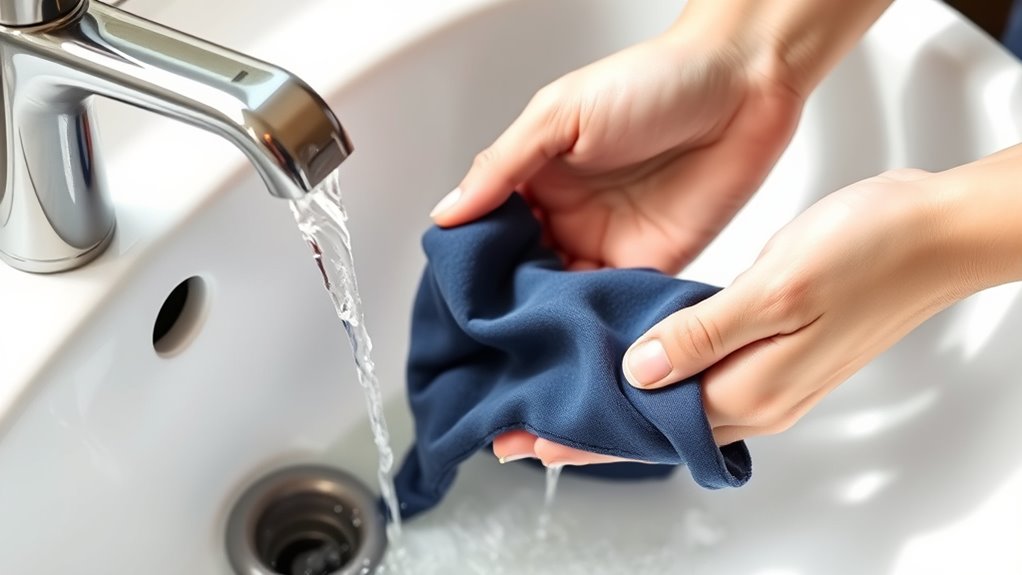
Although polishing cloths are designed to maintain your jewelry’s shine, you’ll need to clean or replace them once they become heavily blackened, visibly dirty, or lose their effectiveness.
If your polishing cloth shows dirt, debris, or residue, it’s time to clean your jewelry cloth to restore its performance.
When the cloth feels rough or frayed, cleaning or replacement is vital to avoid scratching your pieces.
Regularly check if your polishing cloth still removes tarnish and dirt effectively; if not, cleaning will refresh it.
Always follow manufacturer guidelines since many microfiber or treated polishing cloths require gentle washing.
Recognizing these signs ensures your polishing cloths work properly, helping you keep your jewelry looking its best with every clean.
Identifying Cloth Materials Before Washing
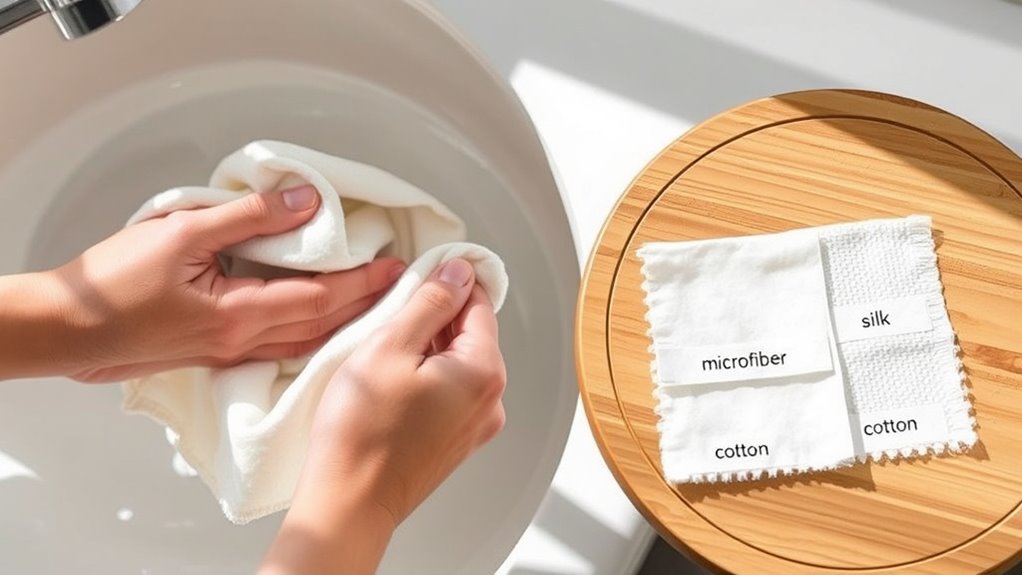
Since polishing cloths come in various materials, you’ll need to identify the type before washing to avoid damage.
Different cloth materials require specific cleaning methods to maintain their effectiveness and longevity.
Check the manufacturer’s label or packaging for care instructions.
Generally, cotton and flannel cloths can be washed with mild soap and water, while microfiber needs gentler handling to preserve its fibers.
Treated polishing cloths with anti-tarnish chemicals, however, typically shouldn’t be washed at all.
Here’s how to identify cloth materials before washing:
- Look for labels or tags indicating the cloth’s fiber content and care recommendations.
- Determine if the cloth feels soft like cotton, smooth like microfiber, or treated chemically.
- Avoid washing treated cloths to preserve their anti-tarnish properties.
Knowing the right cleaning methods ensures your polishing cloth stays effective and durable.
Precautions Before Washing Treated Cloths
Because treated polishing cloths contain delicate anti-tarnish chemicals, you should avoid washing them to prevent damage.
Treated polishing cloths hold delicate anti-tarnish chemicals, so washing them can cause damage and reduce effectiveness.
Water can deactivate these treatments, stripping away the embedded polishing agents that make the cloth effective.
Before you even consider cleaning, always check the manufacturer’s care label to see if the cloth is safe to wash.
While microfiber cloths generally handle gentle hand washing with mild soap, treated cloths are a different story—they may lose their anti-tarnish properties if washed.
To preserve these chemicals, store your treated polishing cloths in a dry, sealed environment and keep them away from moisture.
Taking these precautions ensures your cloths maintain their quality and keep your jewelry shining longer without losing their protective benefits.
Step-by-Step Hand Washing Method
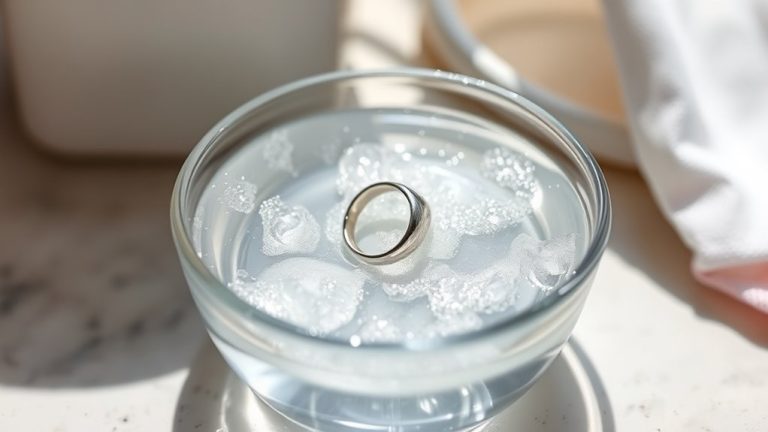
Start by filling a basin with lukewarm water and adding a few drops of mild, non-abrasive soap to create a gentle cleaning solution.
Then, submerge your jewelry polishing cloth and gently agitate it to loosen dirt without damaging the fibers.
This careful approach guarantees your cloth stays effective while getting clean.
Preparing Cleaning Solution
When you prepare the cleaning solution, fill a clean basin or sink with lukewarm water and add a few drops of mild liquid soap or detergent.
Using mild soap is essential because it gently cleans without damaging your jewelry polishing cloth. This cleaning solution effectively loosens dirt, oils, and tarnish trapped in the fabric fibers.
Keep these tips in mind when preparing your cleaning solution:
- Use lukewarm water to avoid shrinking or damaging the cloth fibers.
- Choose a mild soap free from harsh chemicals or fragrances.
- Add only a small amount of soap to prevent residue buildup on the cloth.
This simple preparation sets the stage for safely rejuvenating your polishing cloth, ensuring it remains effective and long-lasting.
Gentle Cloth Washing
Although your jewelry polishing cloth may look clean, washing it gently by hand guarantees you remove embedded dirt and oils without damaging its delicate fibers.
Start by filling a basin or sink with lukewarm water and add a few drops of mild detergent or gentle soap.
Submerge the gentle cloth into the soapy water and gently agitate it to loosen grime.
Next, rinse the cloth thoroughly under clean lukewarm running water to remove all soap residues.
Avoid wringing or twisting; instead, gently squeeze out excess water to protect the fibers.
Finally, lay the cloth flat on a clean towel or hang it in a well-ventilated area to air dry completely, keeping it out of direct sunlight to preserve its quality and effectiveness.
Proper Drying Techniques for Polishing Cloths
Because heat can damage the fibers of your jewelry polishing cloth, you should air-dry it flat in a shaded, well-ventilated area to keep its shape and effectiveness.
Proper drying is key to preserving the cloth’s polishing power and preventing damage.
Proper drying preserves your polishing cloth’s effectiveness and prevents damage for long-lasting shine.
Before air-drying, gently pat the cloth with a clean towel to remove excess moisture, which helps speed up drying time.
Avoid dryers and direct sunlight since excessive heat can shrink or weaken the fibers.
To ensure proper drying, follow these tips:
- Lay the cloth flat or hang it in a shaded, airy spot.
- Make sure it’s completely dry before storing to prevent mold.
- Don’t reuse the cloth until it’s fully dry to maintain effectiveness.
This way, your polishing cloth stays in great condition for longer.
Avoiding Common Washing Mistakes
Make sure you correctly identify your polishing cloth before washing to avoid damaging it.
Don’t use harsh detergents or bleach, as they can ruin the fibers and effectiveness.
Also, avoid washing treated cloths with water since it can deactivate their special cleaning agents.
Incorrect Cloth Identification
When you confuse treated polishing cloths with regular cleaning cloths, you risk washing them incorrectly and ruining their special polishing agents.
Proper identification is essential to maintain your jewelry cloth’s effectiveness. For example, a microfiber cloth can often be gently hand-washed, but treated polishing cloths should never be exposed to soap or water.
To avoid mistakes, follow these tips:
- Label your polishing cloths clearly to distinguish them from regular cleaning rags.
- Check care instructions before washing any cloth to prevent damage.
- Store treated polishing cloths separately to avoid mixing them with other fabrics.
Using Harsh Detergents
Although it might seem like a good idea to use strong detergents to get your jewelry polishing cloths super clean, these harsh chemicals can actually damage the fibers and reduce their effectiveness.
Avoid using harsh detergents or chemical cleaners like bleach, as they can leave residues that tarnish your jewelry or cause discoloration.
Instead, choose mild, pH-neutral soap with lukewarm water to keep your cloths functional and long-lasting.
| Detergent Type | Effect on Cloth | Impact on Jewelry |
|---|---|---|
| Harsh Detergents | Fiber damage, wear out | Tarnishing, discoloration |
| Chemical Cleaners | Degrade polishing agents | Reduce shine |
| Mild Soap & Water | Gentle cleaning | Safe for jewelry |
Steer clear of harsh detergents to protect both your cloth and precious pieces.
Washing Treated Cloths
Since treated jewelry polishing cloths contain delicate anti-tarnish chemicals, you shouldn’t wash them with water or harsh detergents.
Doing so can strip away their protective coating and reduce their effectiveness.
Instead, avoid soaking them or using bleach and fabric softeners.
If you must clean a treated cloth, gently hand wash it with cold water and mild soap, then rinse thoroughly to preserve the anti-tarnish chemicals.
To care for your treated polishing cloths properly, use only a dry or lightly dampened cloth for routine cleaning.
Also, avoid harsh detergents or soaking the cloth in water.
Make sure to air dry completely in a shaded area before storing.
Following these tips keeps your cloths effective and extends their lifespan.
Storing Polishing Cloths to Maintain Effectiveness
To keep your polishing cloths effective, store them in a sealed, airtight container or zippered bag that blocks out dust and dirt.
Always make sure the cloths are completely dry before storage to avoid mold or mildew.
Choose a cool, dry place away from direct sunlight and chemicals to preserve the fibers and prevent discoloration.
Fold your cloths neatly to maintain their texture and prevent wear.
And remember, avoid placing them near abrasive materials or strong odors.
| Storage Tip | Reason | Best Practice |
|---|---|---|
| Airtight container | Prevents dust contamination | Use zippered plastic bags |
| Dry place | Avoids mold and mildew | Store in a cabinet or drawer |
| Away from chemicals | Maintains cloth effectiveness | Keep separate from cleaners |
Signs It’s Time to Replace Your Polishing Cloth
When your polishing cloth turns completely black from use, it’s a clear sign you need to substitute it.
This discoloration means the cloth has worn out and lost its polishing power.
Even if you wash it, once it stops buffing or restoring shine effectively, it’s time to replace it.
Using a worn-out cloth can scratch or damage your jewelry, so don’t hesitate to get a new one.
Watch for these signs that your polishing cloth needs replacing:
- Excessive wear, fraying, or thinning that reduces cleaning ability
- Musty smell or retained dirt even after washing
- Loss of shine restoration despite thorough cleaning
Replacing your polishing cloth promptly ensures your jewelry stays beautifully polished and protected.
Frequently Asked Questions
Can You Wash a Jewellery Polishing Cloth?
You generally shouldn’t wash jewelry polishing cloths with embedded chemicals, as washing removes their effectiveness.
But if your cloth is untreated, you can gently hand-wash it with mild soap and water.
Then, air-dry it carefully.
How Long Do Jewelry Polishing Cloths Last?
You might be surprised, but jewelry polishing cloths last about 20 to 50 uses.
Keep an eye on that blackened look—it’s your cue to replace it before it stops working its magic on your precious pieces.
Why Does Jewelry Polishing Cloth Turn Black?
Your jewelry polishing cloth turns black because it absorbs tarnish and dirt from your jewelry.
It reacts chemically with oxidized metals like silver sulfide.
That blackening shows it’s working but also means it needs cleaning or replacing soon.
How to Wash Polish Cloth?
Oh sure, just toss your polish cloth in a volcano!
Or, you could gently hand wash it with lukewarm water and mild detergent.
Avoid harsh chemicals, rinse well, and air-dry flat—your jewelry deserves better, right?
Conclusion
Think of your jewelry polishing cloth like a trusted friend who needs a little care to keep shining.
Just like you wouldn’t wear the same shirt without washing it, your cloth collects oils and dirt that dull its magic.
By cleaning and storing it properly, you’re giving it a fresh start each time—just like hitting the reset button on a favorite playlist.
Treat your cloth well, and it’ll keep your jewelry sparkling for years to come.
Remember, regular maintenance is key. A well-cared-for polishing cloth not only extends its life but also ensures that your jewelry stays radiant and free from tarnish.
So, don’t forget to wash your cloth and store it properly after each use.
In conclusion, giving your jewelry polishing cloth the attention it deserves will keep your precious pieces shining brilliantly, making each cleaning session much more effective and enjoyable.