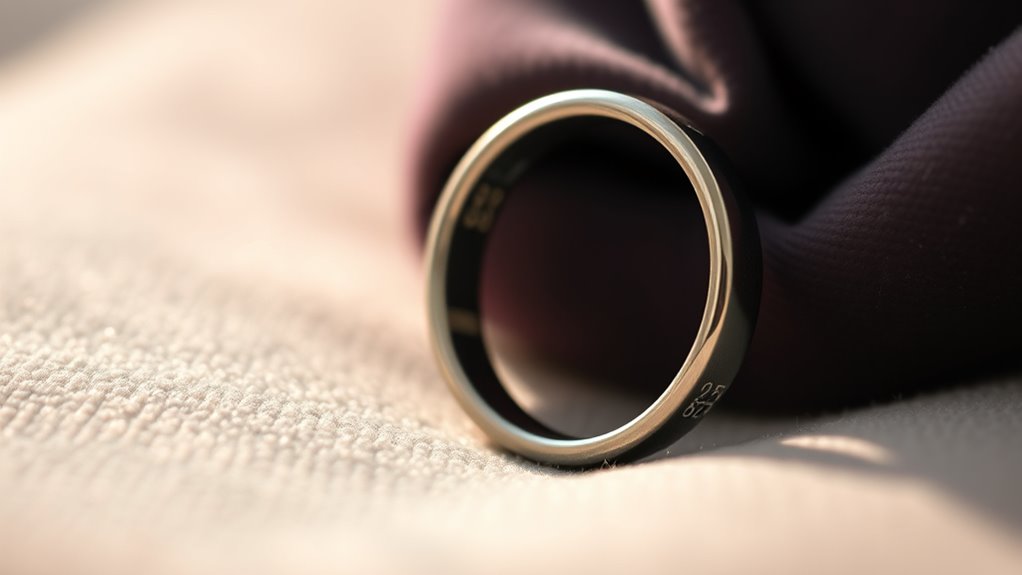
What Does 825 Mean on Jewelry?
When you come across the mark 825 on jewelry, it signifies that the piece contains 82.5% pure metal—most often gold or silver. The remaining portion is made up of alloys like copper or zinc, which enhance the durability and shine of the item.
For gold, an 825 mark is just above 18K, striking a nice balance between richness and strength.
In the case of silver, it indicates that the piece is less pure than traditional sterling silver.
This mark is a helpful gauge for quality, but there’s even more to discover about its composition, care, and authenticity!
The Significance of the 825 Mark on Jewelry

One common marking you’ll find on jewelry is 825, which tells you the piece contains 82.5% pure metal, either gold or silver.
The 825 stamp on jewelry indicates 82.5% purity in either gold or silver metal content.
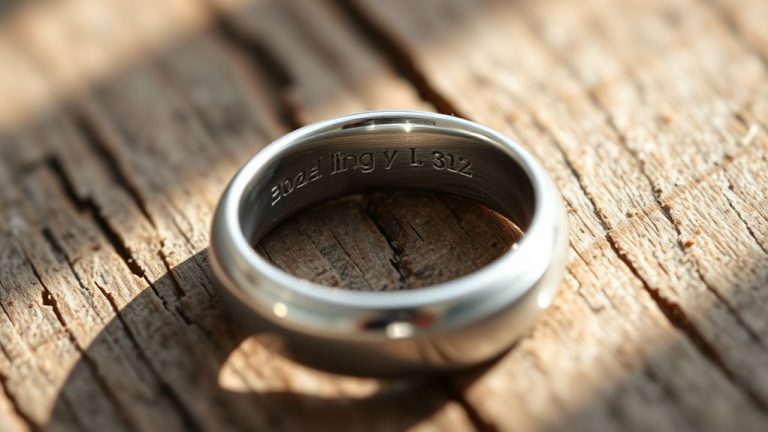
When you see 825 as a jewelry stamp, it serves as a purity mark indicating the metal content.
For silver pieces, 825 means the item contains 82.5% silver alloy, which is less pure than sterling silver’s 92.5%.
This mark is frequently found on European jewelry, especially German-made items.
However, don’t assume the 825 mark always guarantees high purity—it can also function as an internal or manufacturer’s code, particularly in fashion or costume jewelry.
Understanding this helps you evaluate the true value of your silver or gold item without being misled by the jewelry stamp alone.
Understanding 825 on Gold Jewelry

When you see 825 stamped on gold jewelry, it means the piece contains about 82.5% pure gold.
That’s pretty close to 19.8 karats!
This gold is blended with metals like copper or silver to boost its strength and durability.
Understanding this alloy helps you know the quality and composition behind your jewelry.
Gold Purity Explained
How do you know if your gold jewelry strikes the right balance between purity and durability?
The 825 mark on your piece tells you it contains about 82.5% pure gold, placing it just above 18K gold on the purity scale.
This makes it a semi-pure gold alloy, popular in European jewelry, especially in Germany and Italy.
The gold purity level of 825 offers you a good mix of rich gold content and everyday wear durability.
| Purity Mark | Gold Content | Approximate Karat | Common Use |
|---|---|---|---|
| 750 | 75% | 18K | Standard Jewelry |
| 825 | 82.5% | 19.8K | European Jewelry |
| 833 | 83.3% | 20K | High Purity Items |
| 900 | 90% | 21.6K | Premium Jewelry |
Alloy Composition Details
Although 825 gold contains about 82.5% pure gold, you’ll find it blended with other metals like silver, copper, or palladium to boost strength and adjust its color.
This alloy composition guarantees the jewelry is more durable than pure gold, which is naturally soft.
The remaining 17.5% of the alloy plays a vital role in enhancing the piece’s toughness and giving it a distinct hue.
Because 825 gold has a slightly higher purity than 18K, it strikes a balance between richness and resilience.
Keep in mind that the exact mix of metals in the alloy can vary depending on regional standards or the manufacturer’s choices.
Understanding this helps you appreciate how purity and alloy work together to create quality gold jewelry.
What 825 Means on Silver Jewelry

If you spot “825” stamped on silver jewelry, it means the piece contains 82.5% pure silver mixed with other metals like copper or zinc.
This silver content is less pure than the well-known 925 hallmark, which signifies 92.5% silver.
Jewelry marked 825 is often considered fine silver but usually appears in regional or costume jewelry rather than high-end sterling silver pieces.
The 825 alloy offers good durability and tarnish resistance, making it ideal for everyday wear.
| Marking | Silver Content |
|---|---|
| 825 | 82.5% |
| 925 | 92.5% |
| Fine Silver | Typically 99.9% |
| Sterling Silver | 92.5% |
Understanding these marks helps you identify the quality of your silver jewelry.
The Composition of Metals in 825 Jewelry
When you see “825” on jewelry, it means the piece contains about 82.5% pure gold or silver, mixed with other metals like copper or zinc.
These alloy components help improve durability and affect the metal’s overall appearance.
Understanding these variations gives you a clearer idea of what’s in your jewelry and how it holds up over time.
Alloy Components in 825
Since 825 jewelry contains 82.5% pure precious metal, you’ll find the remaining 17.5% made up of various alloy metals that enhance its strength and durability.
When it comes to silver content, 825 pieces typically feature silver mixed with metals like copper, zinc, or even traces of gold.
Though they don’t qualify as sterling silver, these combinations create a unique blend.
In gold jewelry marked 825, the alloy usually consists of about 19.8 karat gold combined with metals such as silver, copper, or palladium.
These alloy components balance the softness of precious metals with improved toughness and resistance to tarnish.
Depending on the manufacturer, alloys like copper, zinc, nickel, or palladium are carefully selected to maintain the jewelry’s quality while providing the durability you expect from fine pieces.
Metal Variations Explained
Understanding the specific metal variations in 825 jewelry helps you appreciate how manufacturers balance purity and durability.
The “825” mark means the piece contains 82.5% pure metal—either silver or karat gold—with the rest made up of alloys like copper or zinc.
For gold, this corresponds to roughly 19.8 karat gold, which sits between 18k and 20k purity levels.
In silver jewelry, 825 indicates less purity than sterling silver, making it common in costume pieces.
Here’s a quick look:
| Metal Type | Purity in 825 Jewelry |
|---|---|
| Karat Gold | ~19.8 karat (82.5%) |
| Silver | 82.5% (less than sterling) |
| Alloy Metals | 17.5% (copper, zinc, nickel) |
This mix guarantees your jewelry stays strong without compromising much on purity.
How 825 Compares to Other Purity Marks
How does the 825 purity mark stack up against more common standards?
When it comes to silver, 825 means the piece contains about 82.5% pure silver. That’s less than the 92.5% found in sterling silver, which is marked 925.
Because of this, 825 silver tends to be less valuable and is often found in regional or costume jewelry rather than high-quality pieces.
For gold, 825 indicates roughly 19.8 karats.
That’s higher than 18k (marked 750), but still less common compared to standard marks like 10K, 14K, 18K, or 24K.
So, while 825 is a legitimate purity mark, it usually falls below the widely recognized sterling silver standard.
And it isn’t the typical hallmark you’ll see on gold jewelry.
Identifying Additional Jewelry Stamps and Symbols
Where can you find clues about a piece’s origin and authenticity beyond the purity mark?
Look closely at additional hallmarks and symbols stamped on the jewelry. These marks provide valuable insights into metal purity, the assay office that verified it, and the item’s history.
Here are three key identifiers to watch for:
- Assay office marks like an eagle, crown, or anchor, indicating regional certification.
- Manufacturer’s initials or registration marks such as “BESCH” or “Ges Gesch,” revealing origin or maker.
- Date letters or production codes, helping pinpoint when the piece was made.
Verifying the Authenticity of an 825 Stamp
Although an 825 stamp suggests the jewelry contains 82.5% pure silver or gold, you shouldn’t rely on it alone to confirm authenticity.
For proper verification, inspect additional hallmarks like assay office marks or country-specific symbols, which support the stamp’s credibility.
You can also perform simple tests, such as checking if the piece is non-magnetic—real silver isn’t attracted to magnets.
To be certain, consult a professional jeweler or use an acid test kit to verify the metal’s purity accurately.
Keep in mind that counterfeit or imitation jewelry may carry fake 825 stamps, so always seek expert opinion or verified documentation.
These steps ensure you confidently confirm the authenticity of your 825-stamped jewelry.
Proper Care and Maintenance for 825 Jewelry
To keep your 825 jewelry looking its best, you should clean it regularly with warm water, mild soap, and a soft cloth.
Proper care is essential for maintaining the shine and preventing damage to your silver jewelry.
Follow these tips for effective anti-tarnish protection:
- Store your 825 silver jewelry in anti-tarnish pouches or cloths to minimize exposure to air and moisture.
- Avoid contact with harsh chemicals like chlorine, bleach, and household cleaners, as they can cause discoloration and damage.
- Remove your jewelry before swimming, bathing, or applying lotions and perfumes to protect its surface.
When to Seek Professional Appraisal for 825 Marked Pieces
Taking good care of your 825 jewelry helps maintain its appearance, but knowing when to seek a professional appraisal is equally vital.
If your piece is valuable, vintage, or features intricate craftsmanship, a professional jeweler can confirm its authenticity and assess metal purity.
When markings look unclear or inconsistent, consulting an expert guarantees accurate identification and helps spot counterfeits.
Jewelry appraisal is also essential if your 825 item contains gemstones or complex alloys, as an appraiser evaluates overall quality.
Additionally, if you plan to resell or insure your jewelry, a certified jeweler provides a precise valuation.
Whenever you doubt the metal purity, origin, or authenticity of your 825-marked piece, don’t hesitate to get a professional appraisal to protect your investment.
Frequently Asked Questions
Is Jewelry Marked 825 Worth Anything?
Yes, jewelry marked 825 is worth something since it contains valuable metal, but it’s less valuable than higher purity pieces.
You’ll want to contemplate weight, craftsmanship, and market prices to determine its true resale value.
Is 825 or 925 Better?
You know what they say, “You get what you pay for.”
You’ll find 925 better than 825 since it’s purer, more durable, and holds value longer.
That makes it a smarter choice for quality jewelry.
Is 825 Silver or White Gold?
825 usually indicates silver, not white gold.
You’ll find it’s 82.5% pure silver, common in European pieces.
But sometimes it’s used for gold alloys, so check other marks or test to be sure.
Is 825 Sterling Silver Good?
825 sterling silver isn’t as good as 925 sterling silver since it has less pure silver.
You’ll find it less durable and more prone to tarnish.
Conclusion
Now that you know the 825 mark isn’t just some random number, you can spot genuine jewelry like a pro!
Imagine missing out on treasures because you didn’t understand this simple stamp—that’d be a disaster!
With this knowledge, you’ll never be fooled by fake bling again.
So go ahead, flaunt your 825 pieces with pride, and keep them shining like you just found the jewelry jackpot of the century!
In conclusion, understanding the significance of the 825 mark on jewelry is essential for any jewelry lover.
This knowledge empowers you to identify genuine pieces and avoid counterfeit items.
Embrace your 825 jewelry with confidence, knowing you possess quality treasures that stand out.
So next time you wear or shop for jewelry, remember the importance of that stamp and enjoy your sparkling finds!