How You Can Clean Jewelry With Alcohol Safely
You can safely clean your solid metal jewelry, like gold or stainless steel, with rubbing alcohol.
Simply wipe or soak it briefly, then make sure to dry it thoroughly.
However, it’s important to avoid using alcohol on delicate stones like pearls, opals, or porous gems, as they can get damaged.
Before you begin cleaning, always remove surface dirt first.
Also, remember to never soak glued or coated pieces, as this could compromise their integrity.
If you want to maintain your jewelry’s shine and avoid common pitfalls, there are some smart tips and alternative methods worth exploring.
Taking care of your jewelry can keep it looking beautiful for years to come!
When Rubbing Alcohol Is Safe for Jewelry Cleaning

Although rubbing alcohol might seem harsh, it’s actually safe for cleaning solid metals like gold, platinum, and stainless steel jewelry.
It dissolves oils and kills bacteria without causing damage.
When you use rubbing alcohol for jewelry cleaning, it’s especially safe on metals like gold and sturdy gemstones such as diamonds and sapphires since these materials aren’t affected by alcohol.
This makes rubbing alcohol ideal for disinfecting your pieces while maintaining their shine.
Just keep in mind that jewelry with uncoated, non-porous surfaces handle alcohol well.
It evaporates quickly and doesn’t harm protective finishes.
After cleaning, be sure to dry out your jewelry thoroughly to avoid moisture-related tarnishing or damage.
Using rubbing alcohol this way keeps your jewelry clean and safe without fuss.
Jewelry Types That Should Never Be Cleaned With Alcohol

Since alcohol can be harsh on certain materials, you should never use it to clean pearls, emeralds, opals, or any porous stones like turquoise and coral.
Pearl earrings and other organic jewelry absorb alcohol, which dries out their natural oils, causing damage.
Alcohol dries out natural oils in pearl earrings and organic jewelry, leading to damage.
Fragile gemstones like emeralds and opals may crack or fracture when exposed to alcohol.
Porous stones absorb the liquid, leading to discoloration and deterioration.
You also want to avoid using alcohol on coated jewelry, as it can dull or chip the finish.
Additionally, glued gemstones or decorations can loosen or fall out if cleaned with alcohol.
To protect your valuable pieces, always identify the material first and skip alcohol cleaning on these sensitive types to maintain their beauty and integrity.
Preparing Your Jewelry for Alcohol Cleaning

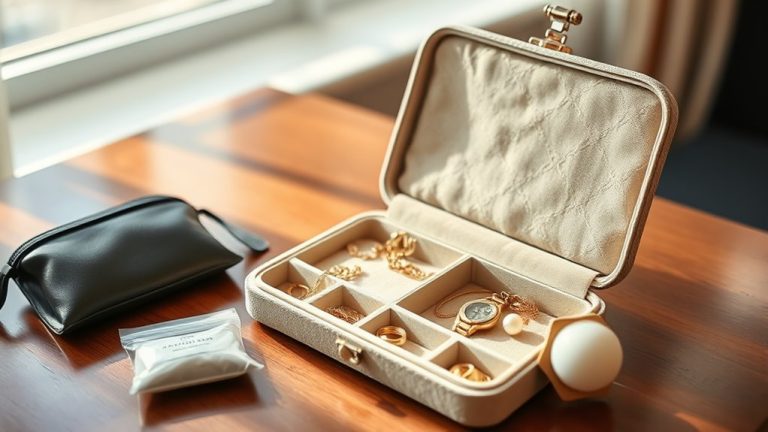
Before you start cleaning, make sure your jewelry is made of solid metals like gold or stainless steel that can safely handle alcohol.
Take a moment to remove any surface debris with a soft cloth to guarantee the cleaner reaches every spot.
This prep helps protect your pieces and makes the alcohol cleaning more effective.
Jewelry Material Assessment
When preparing to clean your jewelry with alcohol, you need to carefully assess its materials to avoid damage.
Start by identifying if your piece is made of solid metals like gold or stainless steel, which generally tolerate alcohol well.
Next, check for delicate gemstones such as pearls or porous stones like turquoise, since alcohol can harm them.
Inspect your jewelry for glued components or plated finishes that might deteriorate when exposed to alcohol.
Don’t forget to review manufacturer instructions or consult a jeweler to confirm if alcohol cleaning suits your item.
If you have antique jewelry or pieces with fragile settings, it’s best to avoid alcohol and seek professional cleaning to preserve their condition and value.
This careful assessment helps keep your jewelry safe during cleaning.
Remove Surface Debris
How do you guarantee your jewelry is properly prepped for alcohol cleaning?
Start by removing surface debris with a soft cloth or a gentle rinse using warm water. This helps lift visible dirt, oils, and residues before applying alcohol.
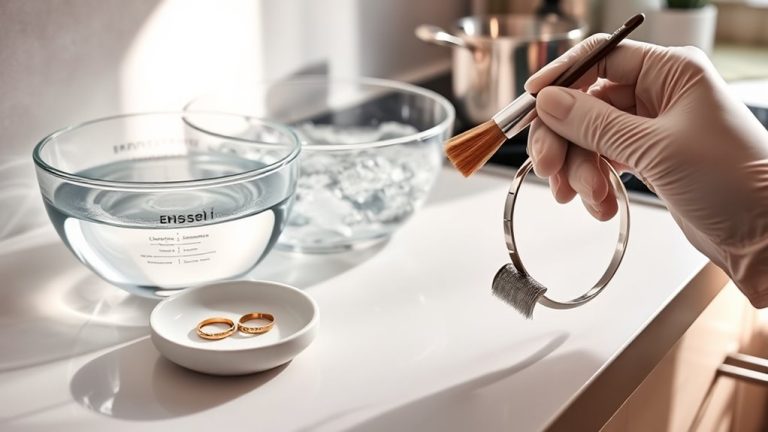
For intricate details or settings, use a soft-bristled toothbrush to carefully dislodge any trapped debris.
After cleaning, pat your jewelry dry with a lint-free cloth to eliminate excess moisture that could interfere with alcohol’s disinfecting power.
Make sure your clean jewelry is completely dry and free from lotions, perfumes, or oils, as these can create barriers reducing alcohol’s effectiveness.
Also, check for loose stones or damaged parts, because alcohol cleaning might worsen them.
Properly removing debris ensures your jewelry is ready for safe, effective alcohol cleaning.
Step-By-Step Guide to Cleaning Jewelry With Rubbing Alcohol
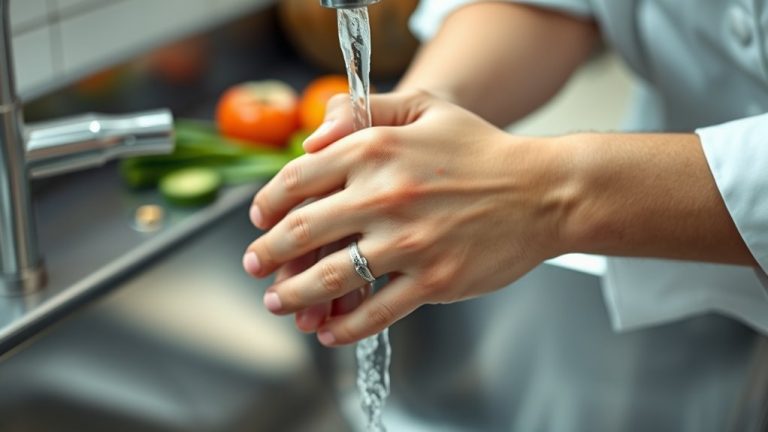
Before you start cleaning, make sure you wash your hands thoroughly to avoid transferring dirt or oils onto your jewelry.
You’ll want to use rubbing alcohol carefully by dampening a cloth or soaking the pieces, depending on how deep the cleaning needs to be.
Follow each step closely to guarantee your jewelry gets disinfected and dried properly without damage.
Preparation and Safety
Although cleaning your jewelry with rubbing alcohol is simple, you should always prepare carefully and prioritize safety.
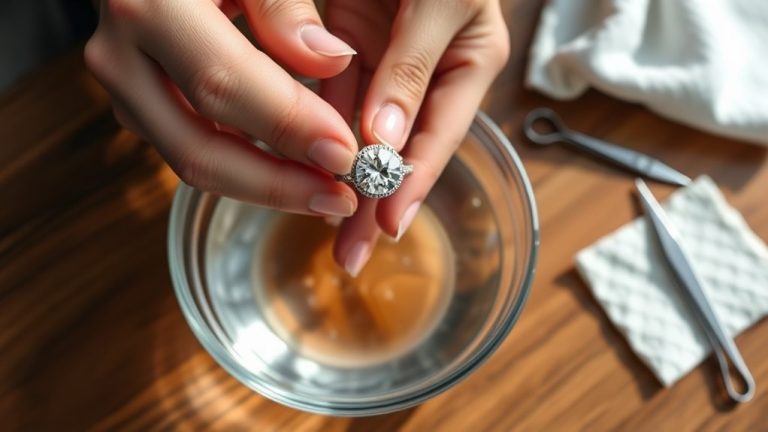
Start by washing your hands thoroughly to avoid contamination during handling. Choose a small bowl with 70% isopropyl alcohol for soaking, but only use this method for solid metals like gold or platinum.
Take diligent precautions by avoiding porous or delicate stones and never soak glued or fragile pieces such as pearls or opals.
For quick disinfection, dip a soft cloth or cotton swab in alcohol and gently wipe your jewelry instead of soaking.
Always rinse your jewelry with warm water after soaking or wiping to remove residual alcohol.
Then, dry it thoroughly with a soft, lint-free cloth to maintain safety and preserve the piece’s integrity.
Cleaning Process Steps
Once you’ve prepared your workspace and made certain your jewelry is suitable for alcohol cleaning, you can start the process.
First, wash your hands thoroughly to avoid transferring dirt or oils.
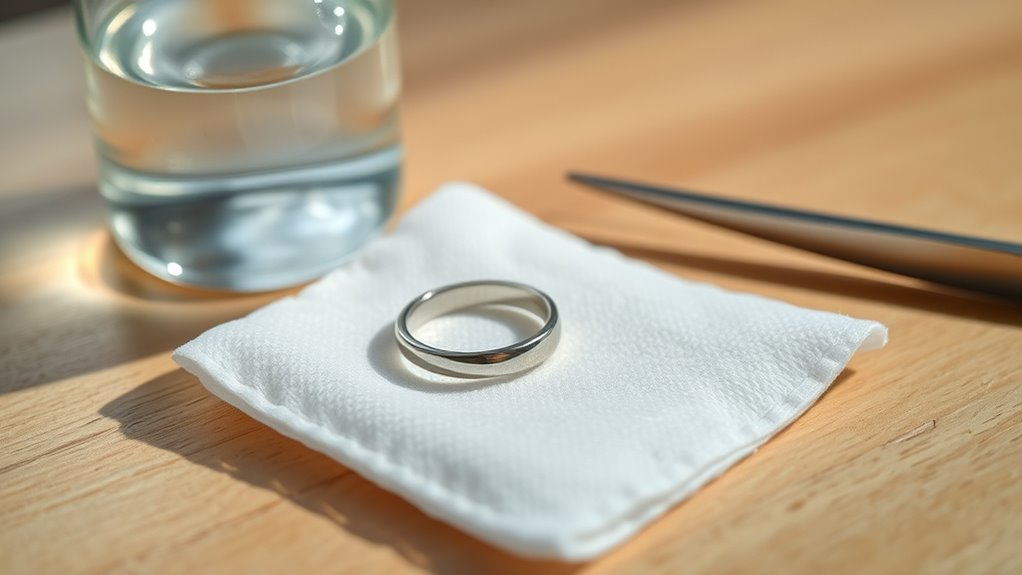
Dampen a soft cloth or cotton swab with 70% isopropyl alcohol and gently wipe the jewelry, focusing on areas that contact your skin.
For a deeper clean, soak the jewelry in a small bowl of alcohol for 5–10 minutes, ensuring it’s fully submerged if the materials allow.
After soaking, rinse the jewelry with clean, lukewarm water to remove any residue.
Finally, dry it completely using a soft cloth.
Just a heads up, avoid soaking or wiping delicate stones like pearls or opals, and never use alcohol on jewelry with glued or fragile components.
Alternative Cleaning Methods to Consider
When you want to protect delicate stones or avoid harsh chemicals, several alternative cleaning methods can keep your jewelry sparkling safely.
For porous stones, avoid alcohol and opt for mild soap with warm water to prevent damage.
Professional cleaning, like ultrasonic cleaner treatments, offers deep cleansing without risking oxidation or harsh abrasion.
You can also gently remove tarnish with a baking soda paste, which is a safe option for silver pieces.
Polishing cloths are excellent for a quick shine and oil removal.
Finally, UV sterilizers disinfect without liquids, preserving your jewelry’s integrity.
- Use mild soap and warm water for porous stones.
- Seek professional cleaning with an ultrasonic cleaner.
- Apply baking soda paste for tarnish removal.
- Polish with a soft cloth to avoid oxidation.
- Disinfect using UV sterilizers for chemical-free cleaning.
Common Mistakes to Avoid When Using Alcohol on Jewelry
If you want to keep your jewelry safe while cleaning with alcohol, you need to avoid common mistakes that can cause damage.
Never immerse pieces with porous stones like pearls or turquoise, as alcohol can discolor or weaken them.
Be cautious about overusing alcohol; frequent cleaning may strip protective finishes, damaging jewelry over time.
Avoid concentrated alcohol or scented varieties because they can dry out metals and harm delicate surfaces or glued components.
Always test alcohol first on a small, hidden spot to ensure it won’t cause adverse effects.
Additionally, steer clear of using alcohol on vintage or coated jewelry, as these delicate surfaces might deteriorate.
When to Seek Professional Jewelry Cleaning Services
While alcohol can clean many types of jewelry safely, some pieces demand professional care to avoid damage.
You should seek professional jewelry cleaning when dealing with delicate jewelry or valuable antiques that require expert cleaning techniques.
Jewelers use ultrasonic cleaning and steam equipment that restore sparkle without risking scratches or loosening stones.
Professional jewelers employ ultrasonic and steam cleaning to safely enhance sparkle without damaging your jewelry.
Regular jewelry inspection helps catch loose settings or wear early, ensuring proper jewelry maintenance.
Also, gemstones like pearls and opals need specialized gemstone care that’s best left to professionals.
Consider professional cleaning if you have:
- Antique or valuable jewelry
- Jewelry with loose or damaged settings
- Pearls, opals, or porous stones
- Complex or delicate designs
- Jewelry that hasn’t been inspected in over a year
Trusting expert cleaning techniques prolongs your jewelry’s beauty and life.
Frequently Asked Questions
Can I Clean My Jewelry With Alcohol?
Yes, you can clean your jewelry with alcohol if it’s gold, platinum, or diamonds.
Just avoid pearls, opals, and glued stones.
Dilute the alcohol, rinse thoroughly, and dry carefully to protect your pieces.
Is Rubbing Alcohol Safe for Gold and Diamonds?
Yes, rubbing alcohol’s safe for gold and diamonds since they’re non-porous and resist damage.
Just avoid gold-plated pieces, and always rinse your jewelry thoroughly after cleaning to prevent residue buildup.
This will help keep it sparkling!
Is It Better to Clean Jewelry With Alcohol or Hydrogen Peroxide?
Picture your sparkling diamond gleaming under bright light—use alcohol for tough, non-porous pieces.
But when handling delicate pearls or porous stones, choose hydrogen peroxide to gently cleanse without risking cracks or dullness.
What Is the Best Way to Clean Jewelry?
The best way to clean jewelry is to use gentle soap and warm water.
Scrub softly with a toothbrush to get into those tricky spots.
For delicate pieces, it’s best to avoid harsh chemicals.
Consider professional cleaning to prevent damage and preserve shine.
Conclusion
Now that you know rubbing alcohol can safely clean certain jewelry—like gold or stainless steel—you might find it coincidentally handy during your next quick cleanup.
Just remember to avoid delicate gems like pearls or opals, which don’t mix well with alcohol.
If in doubt, prepping your pieces carefully or choosing alternative methods can save you trouble.
And hey, if things get tricky, professionals are always ready to help keep your sparkle intact.
In conclusion, rubbing alcohol can be a useful tool for cleaning durable jewelry materials.
Always be cautious with delicate gems, and consider alternative cleaning methods for those pieces.
When in doubt, don’t hesitate to seek professional help to maintain your jewelry’s shine and integrity.
Keeping your jewelry clean ensures it remains beautiful for years to come!