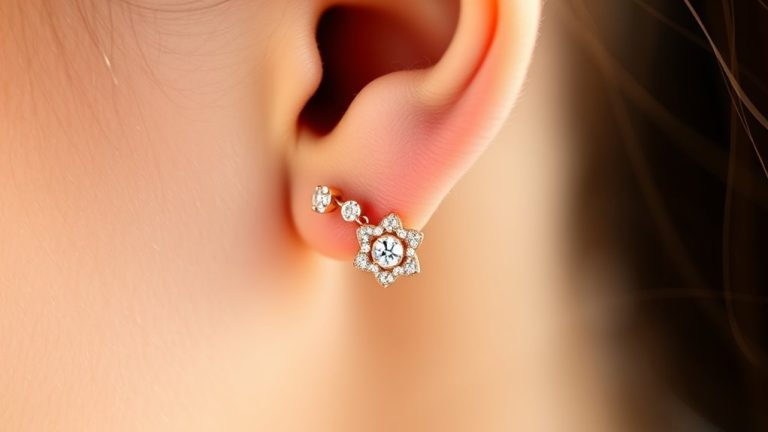

How to Choose Which Jewelry Pieces Can Be Safely Worn by Foodhandlers
When choosing jewelry for food handling, it’s essential to prioritize hygiene and safety. Simple, non-porous pieces are the best options—think plain wedding bands made of stainless steel or silicone.
Avoid items with stones, intricate designs, or dangly parts that can trap bacteria or potentially fall into food.
If small stud earrings are permitted, make sure they are securely fastened.
It’s also important to remove any jewelry that may interfere with hand hygiene practices.
Keeping your jewelry easy to clean and minimal is key to preventing contamination and ensuring compliance with safety regulations.
By making these smart choices, you contribute to maintaining strict hygiene standards in foodservice settings.
Remember, your jewelry should enhance your professionalism while keeping the food safe!
Understanding Jewelry Restrictions in Food Handling

Why do food safety regulations restrict jewelry in food handling?
These jewelry restrictions exist to maintain strict food safety and hygiene standards.
Jewelry restrictions help ensure the highest levels of food safety and hygiene are consistently upheld.
Most rules allow only plain wedding bands without stones or engravings because they minimize contamination risks.
Rings with stones, earrings, necklaces, and facial piercings are usually discouraged or banned since they can harbor bacteria or accidentally fall into food.
Local health codes often require you to remove any jewelry that might compromise cleanliness.
However, safe jewelry—like a simple, securely fastened wedding band—can sometimes be worn if covered by gloves.
By following these guidelines, you help prevent physical contamination and uphold hygiene in food environments.
This ensures the food you prepare stays safe for consumption.
Health Risks Associated With Wearing Jewelry During Food Preparation

Besides adhering to regulations, understanding the health risks of wearing jewelry during food preparation helps you see why these rules matter.
Jewelry like rings, bracelets, and watches can harbor bacteria and dirt, making it easier for germs to transfer to food and cause foodborne illness.
Jewelry also obstructs proper handwashing, reducing hygiene effectiveness.
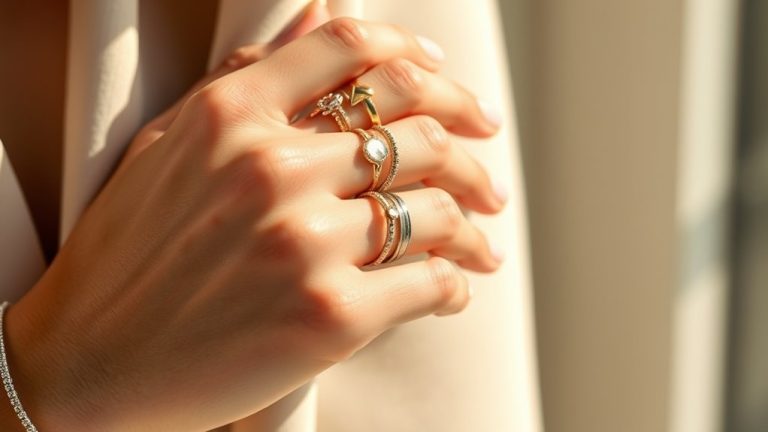
Rings with stones or intricate designs trap food particles and pathogens, increasing contamination risks.
Additionally, jewelry on your hands or arms might accidentally fall into food, posing choking or injury hazards.
Facial and body piercings can harbor pathogens too, raising cross-contamination concerns.
Prioritizing safety means recognizing these risks and minimizing jewelry use during food handling.
This helps ensure you maintain both hygiene and food safety standards in your workplace.
Acceptable Jewelry Types for Foodhandlers

You should stick to simple jewelry like plain wedding bands made of stainless steel or silicone when working with food.
Small, non-dangling stud earrings and tight-fitting necklaces made from easy-to-clean materials are also acceptable.
Permitted Jewelry Items
Although food handlers must minimize contamination risks, they can still wear certain jewelry items that meet safety standards.
Plain wedding bands made of non-porous materials like stainless steel or silicone are generally permitted.
You can also wear stud earrings, as long as they’re small, secure, and don’t dangle or risk contaminating food.
When choosing jewelry, prioritize pieces that don’t trap food particles or harbor bacteria.
Necklaces made from easy-to-clean materials might be allowed if they don’t interfere with your tasks.
Watches and wristbands should be minimal, non-porous, and fit snugly to reduce hazards.
Jewelry Safety Considerations
Selecting the right jewelry goes beyond what’s permitted; understanding safety considerations helps you keep contamination risks low.
For food handlers, jewelry safety means choosing items that can be worn properly without compromising hygiene standards.
Plain wedding bands made of non-porous materials like stainless steel or silicone are ideal because they don’t trap food particles.
Small, securely fastened stud earrings are also acceptable since they won’t dangle or snag.
Avoid rings with stones, grooves, or engravings, as these can harbor bacteria.
Watches, bracelets, and other accessories that might fall into food or obstruct hand washing should be avoided.
Necklaces and facial piercings are generally allowed if kept clean and secured.
Following these guidelines ensures your jewelry won’t interfere with food safety or hygiene standards.
Why Plain Wedding Bands Are Preferred
You’ll find plain wedding bands are preferred because their simple design keeps hygiene high and contamination risks low.
These rings don’t trap food or bacteria, making them easier to clean and safe to wear while handling food.
Plus, many regulations require foodhandlers to stick to plain bands to stay compliant.
Hygiene Benefits
When you handle food, wearing plain wedding bands makes maintaining hygiene much easier.
Their simple design lacks stones or engravings that can trap food particles, which helps prevent bacteria buildup.
This means you can clean and sanitize your jewelry thoroughly, supporting better food safety practices.
Unlike ornate rings, plain bands won’t snag on gloves or equipment, reducing the chance of accidental contamination.
Regulatory guidelines often require foodhandlers to wear only plain wedding rings to minimize hygiene risks.
By choosing minimal jewelry like plain bands, you eliminate potential contamination points, making hand hygiene more effective.
Contamination Risks Reduced
Because plain wedding bands have smooth, unengraved surfaces, they trap fewer food particles and bacteria.
This makes them much easier to clean thoroughly.
As a food handler, choosing these bands lowers contamination risks markedly, promoting safety in food preparation.
Rings with stones or intricate designs harbor germs in crevices, increasing cross-contamination chances.
Also, simple wedding bands reduce the risk of jewelry falling into food, preventing physical hazards.
| Jewelry Type | Contamination Risk | Cleaning Ease | Safety Impact |
|---|---|---|---|
| Plain Wedding Band | Low | Easy | High |
| Engraved Ring | High | Difficult | Moderate |
| Gemstone Ring | High | Difficult | Low |
| No Jewelry | None | N/A | Highest |
Choosing plain wedding bands ensures better hygiene and safety for food handlers.
Compliance With Regulations
Although regulations vary, they almost always allow only plain wedding bands without stones or engravings since these minimize contamination risks.
When you choose a simple, smooth wedding ring, you comply with food safety regulations designed to protect both you and the food you handle.
Regulations often restrict intricate designs because they can trap food particles, harbor bacteria, or even tear gloves.
By wearing only plain wedding bands, food handlers wear jewelry that reduces cross-contamination and physical hazards, such as jewelry falling into food.
Prioritizing jewelry safety means selecting pieces that align with health codes, which typically prohibit rings with stones or embellishments.
Following these guidelines helps you stay compliant and maintain a safe, hygienic environment while wearing your wedding ring on the job.
Guidelines for Wearing Earrings and Piercings in Food Service
Since jewelry can easily contaminate food or snag on equipment, it’s important to choose earrings and piercings carefully in food service.
As a food handler, follow these guidelines to keep things safe and sanitary:
- Opt for small, unobtrusive stud earrings made of non-porous materials like stainless steel or plastic.
- Avoid dangling or large earrings since they may fall into food or catch on equipment.
- If you have facial piercings, check workplace policies and make sure they’re securely covered or removed.
- Make sure all earrings and piercings fit snugly to prevent accidental loss into food or on surfaces.
Jewelry Items to Avoid in the Kitchen Environment
When you work in a kitchen, it’s crucial to avoid wearing loose jewelry.
Dangling earrings, necklaces with pendants, and bracelets can easily fall into food and cause contamination.
Rings with stones are another hazard—they trap dirt and bacteria in crevices, increasing hygiene risks.
To keep your kitchen safe, steer clear of pieces that can snag on equipment.
Large hoops or elaborate necklaces can easily get caught.
Facial piercings, like nose and lip rings, may harbor germs and often need to be removed or covered.
Also, it’s wise to avoid jewelry that’s hard to clean or sterilize, such as intricate or porous items.
Managing Jewelry Policies for Front-of-House Staff
Because front-of-house staff interact closely with customers and handle food, managing jewelry policies carefully is vital to maintain hygiene and prevent contamination.
As food handlers, you must follow these guidelines to meet proper hygiene and safety standards:
1. Allow only plain wedding bands and minimal jewelry.
Avoid stones or embellishments that can fall into food.
2. Ensure all jewelry is securely fastened to prevent hazards during service.
3. Remove earrings, necklaces, and other adornments.
Wearing gloves over wedding bands may be acceptable.
4. Communicate jewelry policies clearly and provide regular training to ensure consistent compliance.
It’s important to keep everyone informed and on the same page!
Impact of Jewelry on Hand Hygiene and Contamination
Managing jewelry policies is just one part of maintaining hygiene in food handling.
When you wear rings, bracelets, or watches, these items can trap bacteria and dirt, making hand hygiene less effective.
Rings with stones or engravings often hold food particles and germs, increasing contamination risks.
Jewelry on your hands or wrists can block thorough cleaning and proper sanitation, leading to potential safety hazards.
Loose or dangling pieces might even fall into food, causing physical contamination.
Prioritizing jewelry safety means removing these items before food handling to minimize bacterial transfer and comply with hygiene standards.
Regional Variations in Jewelry Regulations for Foodhandlers
Though jewelry policies aim to reduce contamination, regulations for foodhandlers differ greatly depending on where you work.
Understanding regional regulations and jewelry restrictions is key to ensuring jurisdictional compliance and upholding food safety standards.
Here’s what you need to know:
- Some areas permit minimal jewelry like plain wedding bands, while others ban all jewelry during food prep.
- Local authorities might allow gloves over rings but prohibit facial piercings or necklaces to reduce contamination risks.
- Regulations vary by country and state, with exemptions based on jewelry type or placement.
- Cultural norms and risk levels often shape these ordinances, so staying updated on your region’s rules is essential.
Best Practices for Maintaining Jewelry Hygiene in Foodservice
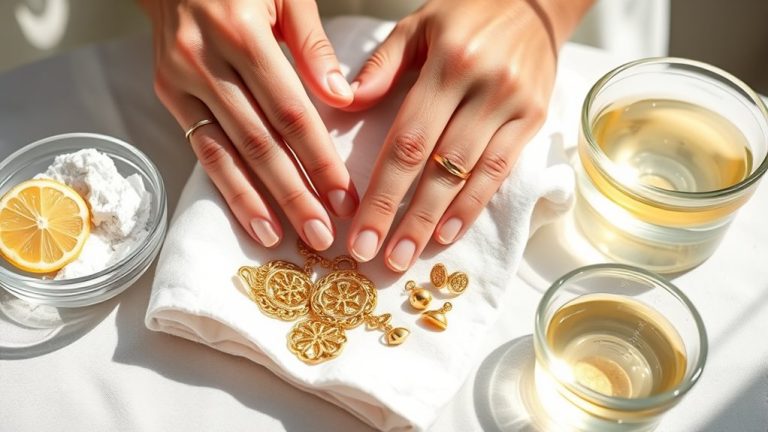
You should clean your jewelry regularly with hot, soapy water to keep it free from bacteria.
Choose non-porous materials like stainless steel to reduce contamination risks.
Always follow your workplace guidelines and wash your hands after handling jewelry to prevent cross-contamination.
Cleaning Jewelry Regularly
Since jewelry can trap bacteria and food particles, cleaning it regularly is essential to maintain hygiene in foodservice.
To keep your jewelry clean and uphold food safety, follow these steps:
- Wash jewelry with hot water and antibacterial soap to remove bacteria and food residues.
- Use a soft brush to scrub intricate areas, ensuring you clean jewelry thoroughly.
- Disinfect jewelry before and after shifts using a food-safe sanitizer or alcohol-based solution.
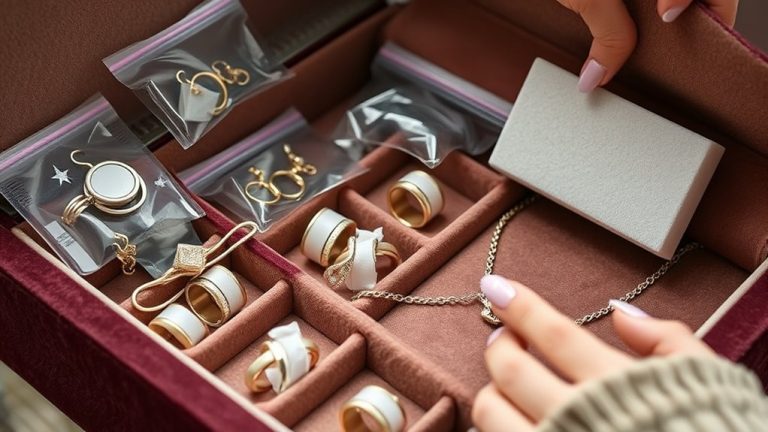
- Store your jewelry in a clean, designated container when not in use to prevent dirt buildup and damage.
Preventing Cross-Contamination Risks
When handling food, preventing cross-contamination starts with careful jewelry choices and habits.
You should avoid wearing jewelry on your hands, wrists, or arms since these areas are key for proper handwashing and hygiene.
Opt for jewelry made from non-porous materials like stainless steel or silicone, which are easier to clean and reduce contamination risks.
Always remove pieces with stones or intricate designs to prevent trapping bacteria.
Secure your jewelry tightly to avoid accidental falling into food, compromising safety.
Clean and disinfect jewelry frequently, especially after touching it during food handling.
| Jewelry Type | Material Recommendation | Hygiene Tip |
|---|---|---|
| Rings with stones | Avoid | Remove before food handling |
| Simple bands | Stainless steel | Clean and disinfect regularly |
| Bracelets or watches | Not recommended | Remove to maintain hygiene |
Frequently Asked Questions
What Kind of Jewelry Is a Food Handler Allowed to Wear?
You can wear plain wedding bands without stones or engravings.
Small stud earrings made of stainless steel or plastic are also allowed.
However, be sure to avoid necklaces, facial jewelry, or anything with stones or charms that can trap food or bacteria.
What Jewelry Can You Wear in Food Service?
You can wear plain wedding bands without stones and small stud earrings that sit close to your earlobes.
Avoid necklaces or jewelry with stones, dangling parts, or intricate designs to keep food safe and clean.
What Are the Servsafe Rules for Jewelry?
Like a magnet attracts dirt, ServSafe says you can only wear plain wedding bands without stones or grooves while handling food.
You shouldn’t wear rings with stones, bracelets, or necklaces to keep things sanitary.
It’s all about maintaining a clean environment while you work with food.
Keeping jewelry to a minimum helps prevent contamination.
What Type of Jewelry Is Acceptable in a Kitchen?
You can wear plain wedding bands made of stainless steel or silicone.
Small stud earrings that don’t dangle are also acceptable.
Just be sure to avoid intricate designs or loose parts to keep your jewelry safe and compliant in the kitchen.
It’s all about practicality and safety while you cook!
Conclusion
When it comes to jewelry in food handling, it’s tempting to think any piece can add a bit of flair. But remember, safety comes first.
You might believe that wearing small rings or studs won’t cause harm. Yet even tiny items can harbor bacteria or fall into food.
So, stick to plain wedding bands and minimal, secure piercings.
By following these guidelines, you’ll protect both your health and your customers.
In the world of food safety, less really is more.
Choosing the right jewelry means prioritizing hygiene and preventing contamination.
Avoid anything that can easily get caught or drop, and always opt for simple, secure options.
This way, you can keep your kitchen safe and maintain a professional appearance without compromising on safety.
So, remember: when it comes to jewelry in food handling, simplicity is key to ensuring a safe environment for everyone.