Is Brass a Good Metal for Jewelry?
Brass is an excellent choice for jewelry lovers seeking stylish and affordable pieces that emulate the luxurious look of gold. This versatile metal is not only durable but also easy to shape into intricate designs, making it a favorite among designers.
With proper care, brass jewelry can withstand the test of time. However, it’s important to note that brass can tarnish or cause slight discoloration over time.
But don’t worry! With a bit of simple maintenance, you can keep your brass pieces looking fresh and vibrant.
You’ll find brass jewelry featured in many trendy collections from popular brands, showcasing its growing popularity.
If you’re curious about the benefits of brass and want to learn some care tips, there’s a lot more to explore!
Composition and Appearance of Brass Jewelry

Although brass jewelry is mainly made of copper (60–70%) and zinc (30–40%), you might find small amounts of other metals added to enhance its properties.
This brass composition directly affects the alloy characteristics, influencing both strength and color.
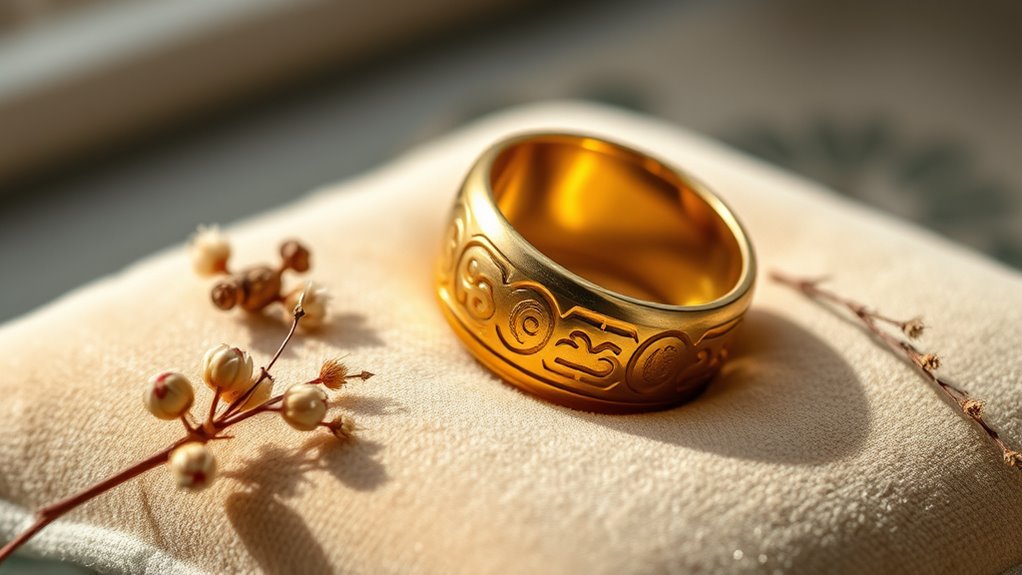
You’ll notice that brass appearance can vary from a warm, dark brown to a bright, shiny gold-like finish, closely mimicking more expensive jewelry metals.
Because brass is soft and malleable, it’s perfect for intricate designs, letting you enjoy detailed craftsmanship.
Over time, brass can tarnish, developing a natural patina that adds vintage charm rather than detracting from its appeal.
Understanding these alloy characteristics helps you appreciate why brass remains a popular choice for jewelry that combines beauty and practicality.
Types of Brass Jewelry and Their Finishes

When you choose brass jewelry, you’ll find it comes in various styles with different metal finishes.
Popular options include gold-plated, silver-plated, and rhodium-plated coatings, each offering unique looks and levels of protection.
Understanding these finishes helps you pick pieces that match your style and durability needs.
Brass Jewelry Variants
Since brass serves as a versatile base metal, you’ll find a variety of jewelry types that feature different plating and finishes to suit your style and budget.
Brass jewelry often comes gold plated, offering a rich look without the high price of solid gold.
The plating thickness, like 14K or 18K gold, affects how long your piece resists wear and corrosion.
Silver-plated options shine beautifully but may tarnish faster, requiring more upkeep.
On the other hand, rhodium-plated brass jewelry stands out for its superior tarnish resistance and bright finish.
Whether you prefer matte, high polish, or antiqued looks, brass jewelry adapts well.
Just remember, proper care helps prevent corrosion and keeps your jewelry looking its best over time.
Popular Metal Finishes
If you want your brass jewelry to stand out and last longer, choosing the right metal finish is key.
Popular jewelry finishes include gold-plated brass, silver-plated, and rhodium-plated options.
Gold-plated brass offers a luxurious look without the high cost, while silver plating gives a shiny, metallic appeal.
Rhodium plating stands out for its bright, reflective surface, excellent tarnish resistance, and hypoallergenic qualities.
This makes it ideal if you have sensitive skin.
Keep in mind, plating thickness directly impacts durability—the thicker the plating, the longer your jewelry maintains its finish.
By selecting the right finish and plating thickness, you ensure your brass pieces stay beautiful and last.
This way, you can combine style with practicality in your jewelry collection.
Advantages of Using Brass for Jewelry Making

Although brass is an affordable metal composed mainly of copper and zinc, it doesn’t compromise on quality or style for jewelry making.
When you choose brass jewelry, you benefit from:
- Affordable metal: You get a budget-friendly option without sacrificing an elegant look.
- Versatile designs: Its malleability lets you create intricate, detailed patterns and shapes.
- Tarnish resistance: Brass naturally resists scratches and tarnishing, especially with proper care.
- Plating options: You can enhance brass with gold, silver, or rhodium plating for added durability and style.
These advantages make brass jewelry a smart choice if you want attractive, long-lasting pieces without the high price tag.
You’ll enjoy the natural golden hue that closely resembles gold, making it both stylish and economical.
Durability and Maintenance of Brass Jewelry
When you wear brass jewelry daily, you’ll appreciate its strong resistance to scratches and general wear.
This durability makes it an excellent choice for everyday accessories.
To keep your brass jewelry looking its best, regular maintenance is key.
Consistent care is essential to preserve the shine and longevity of your brass jewelry.
Clean it gently with a soft cloth and store it properly to minimize exposure to moisture, which can cause tarnish.
You can also apply a clear protective layer, like lacquer or sealant, to shield the metal from oxidation and green discoloration on your skin.
While brass naturally develops a charming patina over time, you can polish it away if you prefer a shinier finish.
With proper care, your brass jewelry will maintain its beauty and last for decades without significant deterioration.
Common Issues With Brass Jewelry: Tarnishing and Discoloration
Since brass jewelry contains copper, it reacts with moisture, air, and acids from sweat or lotions. This reaction causes it to tarnish over time.
This brass tarnish often leads to discoloration on the metal. Sometimes, it can even cause your skin to turn green due to copper salts forming.
Corrosion can give your jewelry a vintage look, but it might also make it look dull or stained.
To manage these common issues, you should:
- Avoid prolonged exposure to water to reduce corrosion.
- Clean your brass jewelry regularly with a gentle cleaner.
- Store pieces in dry, airtight containers to slow tarnish.
- Remove jewelry before applying lotions or perfumes.
Safety and Skin Reactions Related to Brass Jewelry
If you wear brass jewelry, you might notice your skin sometimes turns green due to copper oxidation, but this reaction is harmless.
However, some brass alloys contain nickel or lead, which can cause skin reactions, especially if you have sensitive skin.
Pure brass, made of copper and zinc only, is less likely to trigger allergies.
Tarnish can also worsen skin irritation by exposing reactive metals.
To minimize problems, many brass pieces come with a clear protective coating that prevents direct contact with your skin.
This reduces allergic reactions.
If you have metal sensitivities, you should always check the metal composition before wearing brass jewelry to avoid discomfort or adverse skin reactions.
Taking these precautions helps you enjoy brass jewelry safely and comfortably.
Comparison of Brass With Other Popular Jewelry Metals
Although brass offers an attractive, warm tone similar to gold, you’ll find it’s much more affordable and lightweight than traditional precious metals like gold and silver.
When comparing brass jewelry to other metals, consider these key aspects:
- Alloy Composition: Brass combines copper and zinc, unlike pure gold or silver. This unique blend influences its color and durability.
- Cost: Brass is budget-friendly compared to precious metals. This makes it accessible for trendy pieces that won’t break the bank.
- Wear Resistance: While brass is durable, it may tarnish faster. So, it requires more frequent tarnish prevention than gold or silver.
- Skin Sensitivity: Brass can cause discoloration from copper oxidation. This is unlike hypoallergenic precious metals, but you can use coatings to help reduce reactions.
Understanding these differences helps you choose brass jewelry wisely based on style, maintenance, and budget needs.
Suitability of Brass for Different Jewelry Styles and Brands
Brass’s unique qualities make it a strong contender for various jewelry styles and brands.
Brass stands out with unique qualities that suit a wide range of jewelry styles and brands.
When you choose brass jewelry, you tap into its impressive design versatility, allowing both minimalist and intricate statement pieces to shine.
Brands love brass because it offers affordability without sacrificing durability, making trendy, fashionable items accessible to many.
Its natural tarnish resistance helps maintain that polished look longer, so your pieces stay attractive through wear.
Plus, brass’s ability to mimic gold and silver finishes means you can enjoy diverse aesthetics in one collection.
Whether you’re after everyday accessories or standout designs, brass jewelry adapts well.
It’s proving popular among brands like BaubleBar and Gorjana that prioritize style, quality, and budget-friendly options for their customers.
Care Tips to Extend the Lifespan of Brass Jewelry
To keep your brass jewelry looking its best, you’ll want to prevent tarnish by storing it properly and avoiding exposure to moisture and chemicals.
Regular cleaning with gentle methods like lemon juice or a commercial polish helps maintain its shine without damaging the metal.
Let’s explore the best ways to clean and protect your brass pieces for long-lasting beauty.
Preventing Tarnish Effectively
When you want to keep your brass jewelry looking its best, taking proactive steps to prevent tarnish is essential.
Brass tarnish occurs when the metal reacts with moisture and air, causing an unsightly dullness or greenish tint.
You can prevent green discoloration and prolong the shine with proper care.
Here are four effective ways to protect your pieces:
- Apply a clear lacquer or nail polish inside your jewelry to create a barrier against oxidation.
- Remove jewelry before exposure to water, sweat, or chemicals to reduce moisture contact.
- Store pieces in airtight containers or anti-tarnish pouches to limit air and humidity exposure.
- Use a brass cleaner regularly to maintain the bright appearance and avoid tarnished brass buildup.
Following these tips helps you enjoy your brass jewelry longer and keeps it looking fresh.
Proper Cleaning Techniques
Although brass jewelry can develop tarnish over time, you can easily keep it looking vibrant with the right cleaning methods.
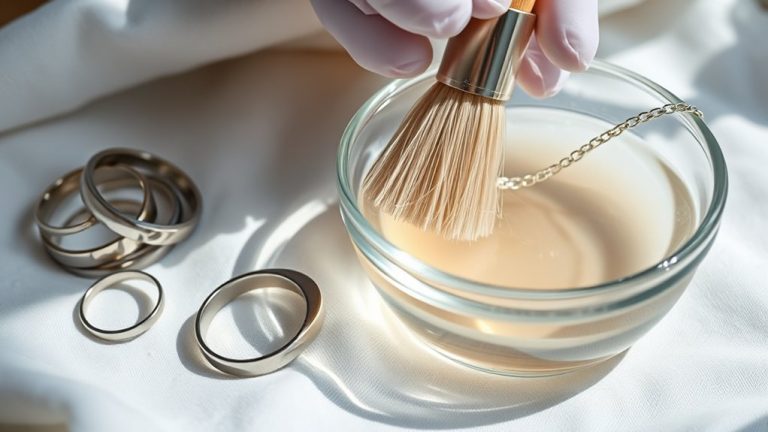
Start by giving your pieces a regular wipe with a dry, soft microfiber cloth to remove oils that cause brass jewelry tarnish.
For deeper cleaning, create a natural paste using lemon juice, baking soda, and water.
Gently apply it with a soft cloth to tackle areas where brass develops stubborn tarnish.
If that’s not enough, polish your jewelry using a commercial brass cleaner or a vinegar and salt mixture.
Then rinse and dry thoroughly.
Popular Jewelry Brands Featuring Brass Pieces
Curious which popular jewelry brands feature brass in their collections?
Brass jewelry is favored for its durability and versatility in creating stylish, affordable pieces.
Many brands use brass plating techniques to enhance appearance while keeping costs low.
Here are some notable names:
- BaubleBar and Gorjana – Known for trendy brass designs, often brass plated with gold or rhodium.
- Kendra Scott – Combines brass with semi-precious stones for affordable luxury.
- Saint Laurent – Features high-fashion brass cuffs, chain necklaces, and logo earrings emphasizing durability.
- Various brass brands – Use brass to craft intricate, statement-making pieces that rival precious metals in style.
You’ll find brass jewelry from these brands offers a chic, cost-effective alternative without compromising on elegance.
Frequently Asked Questions
What Are the Disadvantages of Brass?
Brass tarnishes quickly and needs regular cleaning.
It can irritate your skin if you’re sensitive to copper or zinc.
Plus, it might contain nickel or lead too, which can cause allergies.
Water exposure speeds up corrosion and damages its look.
What Metals Should You Avoid in Jewelry?
You should avoid jewelry containing nickel, lead, or cadmium since they often cause allergic reactions or serious health issues.
Always check labels carefully and opt for hypoallergenic metals like titanium or surgical stainless steel instead.
How Long Will Brass Jewelry Last?
With proper care, your brass jewelry can last for decades—sometimes over 20 years!
Just clean and polish it regularly, avoid moisture, and store it dry to keep its shine and durability intact.
Is Brass or Stainless Steel Better for Jewelry?
You’ll find stainless steel better for durability and hypoallergenic wear.
But brass offers warmer tones and easier crafting.
Choose based on your style, budget, and skin sensitivity.
Keep in mind that brass may tarnish and cause reactions.
Conclusion
If you’re wondering whether brass is a good metal for jewelry, you’ll find it surprisingly versatile and stylish.
Not only does brass offer beautiful finishes and durability, but it also shares qualities with more expensive metals.
Coincidentally, this makes it a budget-friendly choice that doesn’t compromise on look or feel.
With proper care, your brass pieces can shine just as brightly as gold or silver.
So, is brass a good metal for jewelry? Absolutely!
It’s a smart option for those looking for affordability without sacrificing style.
Whether you’re adding to your collection or just starting out, brass is a fantastic choice.
In conclusion, brass is not only an attractive material but also a practical one.
With its stunning finishes and resemblance to pricier metals, it’s perfect for any jewelry lover.
Investing in brass jewelry ensures you can enjoy beautiful pieces while staying within your budget.