
How Can Food Workers Safely Wear Jewelry They Like?
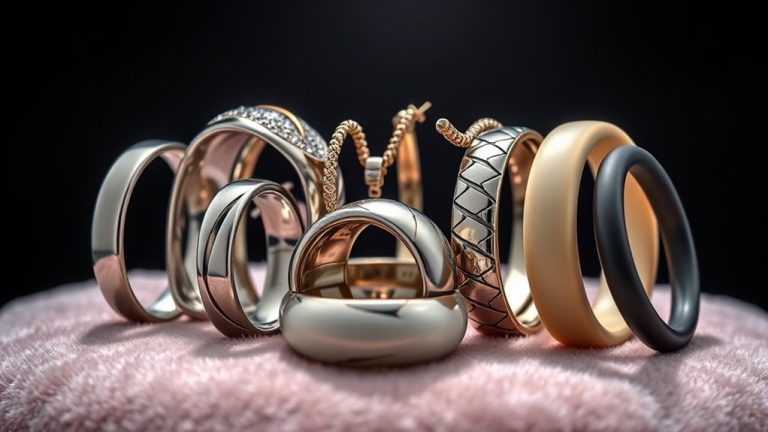
You can safely wear jewelry at work by choosing minimal, non-porous items like plain wedding bands or silicone rings.
Avoid dangly or porous pieces that can trap bacteria.
Always follow your workplace’s policies and remember to remove non-approved jewelry before food prep.
Maintaining thorough hand hygiene is crucial!
Keep piercings either removed or securely covered to prevent contamination.
With the right choices and care, you can balance your personal style and food safety comfortably.
There’s definitely more to know about making this work smoothly!
Understanding Jewelry Policies in Food Service

How do jewelry rules affect food workers?
Jewelry policies play a vital role in maintaining food safety and hygiene standards.
When you’re handling food, jewelry restrictions help minimize contamination risks by limiting what you can wear.
Most workplace regulations allow only minimal jewelry—often just a plain, smooth wedding band—while prohibiting rings, bracelets, watches, and facial piercings.
These rules guarantee that nothing interferes with safe food handling or harbors bacteria.
Since policies vary by location and establishment, you should always check local guidelines and your employer’s specific rules.
Following these jewelry restrictions not only protects customers but also helps you comply with hygiene standards, keeping your work environment safe and professional.
Staying informed about jewelry policies ensures you can work confidently without risking contamination.
Jewelry Types Permitted for Food Handlers

You can usually wear a plain wedding band and small, non-porous stud earrings made of stainless steel or plastic when handling food.
Keep in mind that some items like medical alert jewelry might be allowed, but your employer could have stricter rules.
Make sure you check your workplace policies to know exactly what’s permitted.
Allowed Jewelry Types
Although food handlers often want to express personal style, only certain types of jewelry are permitted to maintain hygiene and prevent contamination.
Typically, a plain wedding band without grooves or stones is the safest and most accepted jewelry option.
Some workplaces may allow small stud earrings or necklaces made from non-porous materials, as these meet jewelry safety and hygiene standards.
However, many jewelry restrictions exist to minimize risks—bracelets, watches, and rings with jagged edges are usually prohibited.
Employers enforce strict policies on jewelry in food handling to ensure cleanliness and prevent contamination.
To stay compliant, you should always choose permitted jewelry that’s easy to clean and doesn’t interfere with food safety practices, prioritizing hygiene above personal expression.
Material Considerations
Since maintaining hygiene is essential in food handling, you should choose jewelry made from non-porous, easy-to-clean materials like stainless steel or silicone.
These materials support effective disinfection and uphold food safety standards.
Avoid porous materials that trap bacteria and are hard to sanitize.
When selecting jewelry materials, consider:
- Stainless steel rings resist corrosion and clean easily.
- Silicone bands are flexible, durable, and breakaway for safety.
- Avoid leather, wood, or natural stones due to porous surfaces.
- Medical-grade plastics offer hygienic, smooth finishes.
- Plain, smooth wedding bands minimize contamination risks.
Employer Policy Variations
When setting rules about jewelry, employers tailor policies to balance safety and personal expression.
Employer policies vary widely due to differing jewelry regulations and food safety standards.
Most workplace guidelines allow only plain wedding bands or small stud earrings near the earlobe, while some enforce stricter bans to uphold hygiene practices and safety regulations.
You might find that acceptable jewelry types include pieces made from non-porous, easily sanitized materials like silicone or stainless steel.
These items must not interfere with personal protective equipment or pose contamination risks.
To stay compliant, always review your employer’s written policies regarding jewelry during food preparation.
Following these guidelines helps you maintain hygiene, meet safety regulations, and express yourself responsibly within the food handling environment.
Risks of Wearing Jewelry During Food Preparation

If you wear jewelry while preparing food, you increase the risk of contamination and safety hazards.
Jewelry can trap bacteria, making it harder to maintain proper hand hygiene and increasing the chance of foodborne illness.
Rings and bracelets may tear gloves, exposing food to germs.
Plus, jewelry with stones or crevices complicates cleaning, allowing microbes to linger.
Here are key risks to consider:
- Jewelry can harbor bacteria that contaminate food.
- Rings and bracelets can cause glove tears.
- Crevices in jewelry trap dirt and microbes.
- Jewelry interferes with thorough handwashing.
- Earrings or rings might fall into food, posing choking hazards.
For food safety, it’s essential to understand how jewelry impacts your ability to keep hands clean and prevent contamination.
Guidelines for Wearing Rings With Gloves
Wearing rings while handling food can increase contamination risks and damage gloves.
But following proper guidelines can help you stay safe.
You should remove most jewelry before putting on gloves to avoid contamination and glove tears.
Plain wedding bands without stones are generally safe if you wear gloves properly.
Silicone or rubber rings are a great alternative for safe wear under gloves.
Remember, jewelry with grooves or stones can harbor bacteria and increase contamination risks.
So, it’s important to maintain strict hand hygiene by removing jewelry before glove use and changing gloves often.
| Jewelry Type | Impact on Food Safety |
|---|---|
| Plain Wedding Band | Safe with gloves |
| Rings with Stones | High contamination risk |
| Silicone/Rubber Rings | Safe alternative under gloves |
Managing Piercings and Non-Hand Jewelry
When working with food, you’ll want to remove or securely cover most facial piercings and necklaces to keep everything hygienic and safe.
Choosing small, non-porous earrings and managing jewelry carefully helps prevent contamination without sacrificing your personal style.
Let’s look at which piercings are allowed and how to balance your look with strict food safety rules.
Permitted Piercing Types
Although personal expression through piercings is common, food workers must manage them carefully to maintain hygiene and safety.
When it comes to permitted piercing types, here’s what you should know:
- Small, discreet stud earrings made of stainless steel or plastic are usually allowed.
- Facial piercings like nose, lip, or eyebrow should be removed or securely covered to avoid contamination.
- Tongue piercings pose choking hazards and should be removed during food prep and service.
- Necklaces and chains must be avoided or kept away from food contact areas to prevent cross-contamination.
- Medical alert jewelry is generally permitted but should be worn discreetly and cleaned regularly.
It’s important to stay safe while expressing yourself!
Jewelry Safety Precautions
Since jewelry can easily contaminate food or create safety hazards, you need to manage piercings and non-hand jewelry carefully in food handling areas.
To maintain food safety, remove piercings like nose, lip, eyebrow, and cheek or avoid them during food handling.
Tongue piercings pose choking risks, so remove or secure them with a breakaway cover.
Avoid covering piercings with tape, which can detach and increase contamination risk.
Minimize or remove necklaces, chains, and facial jewelry to reduce cross-contamination and physical hazards.
If you wear medical alert jewelry, keep it discreet and covered without compromising accessibility.
Choose jewelry materials that won’t harbor bacteria, and practice proper hygiene consistently.
Following these jewelry safety precautions helps you protect the food environment and ensures safe, contamination-free food preparation.
Balancing Style Hygiene
Managing piercings and non-hand jewelry doesn’t mean you have to lose your personal style.
To balance style with hygiene and food safety, focus on minimal jewelry and smart jewelry choices.
Here’s how you can maintain jewelry safety while respecting personal hygiene:
- Wear small, stud earrings made of non-porous jewelry materials like stainless steel or plastic.
- Remove or cover facial piercings with hygienic barriers to prevent contamination.
- Choose secure, non-dangling necklaces or bracelets made from easy-to-clean materials.
- Opt for silicone rings instead of metal bands to minimize bacterial buildup.
- Reserve more expressive accessories for outside work hours, keeping work jewelry minimal.
It’s all about finding that sweet spot between your unique style and staying safe!
Proper Hand Hygiene When Wearing Jewelry
When you wear jewelry like rings or bracelets while working with food, it’s crucial to wash your hands thoroughly with soap and hot water for at least 20 seconds to remove trapped bacteria and dirt.
Proper hand hygiene means you should remove jewelry before handwashing to guarantee all surfaces get cleaned and to minimize contamination risks. Jewelry can harbor bacteria that regular washing might miss, increasing the chance of spreading pathogens.
Avoid wearing gloves over jewelry, as it can cause glove perforation and compromise hygiene. If you can’t remove your jewelry, regularly sanitize it with appropriate cleaning solutions to reduce bacteria buildup.
Creating Safe Workplace Jewelry Rules
Although jewelry can add personal style, clear workplace rules are essential for keeping food handling safe.
Establishing jewelry restrictions protects food safety by minimizing contamination risks and ensuring proper wear.
As a food handler, you should follow workplace policies that:
- Specify allowed jewelry, like plain wedding bands, while banning items such as bracelets or dangling earrings.
- Require the removal of non-approved jewelry before food preparation.
- Provide training on contamination risks linked to jewelry, including how bacteria can get trapped and how gloves can be damaged.
- Encourage the use of minimal, non-porous jewelry materials like stainless steel or silicone for easy cleaning.
- Display visual reminders that promote handwashing and adherence to jewelry rules.
Alternatives to Jewelry for Personal Expression
Even if jewelry is limited for safety reasons, you can still express your personality through alternatives like branded uniforms, colorful aprons, and embroidered name tags that won’t risk contamination.
In professional kitchens, these options meet food safety standards while allowing personal expression.
You might also consider customized accessories such as decorative pins or badges on your uniform.
If you want to wear jewelry, choose non-porous jewelry like silicone rings, which are easy to sanitize and safe to wear.
Avoid loose or dangling items that could compromise hygiene.
Hairnets, beard guards, and clean, minimal accessories further help you maintain style without breaking food safety rules.
Training Staff on Jewelry and Food Safety
Choosing the right jewelry alternatives is just one part of maintaining food safety.
In your staff training, emphasize jewelry safety by highlighting risks like bacteria buildup and interference with proper hand hygiene.
Make sure everyone understands food handling regulations and your company’s jewelry policies.
Teach jewelry removal procedures clearly and practice them regularly to guarantee compliance.
Stress contamination prevention by inspecting jewelry for damage or trapped debris.
Reinforce that minimal jewelry and strong personal hygiene are essential.
Your staff training should cover:
- Risks of jewelry harboring bacteria
- Local food handling regulations
- Proper jewelry removal and storage
- Jewelry inspection techniques
- Importance of personal hygiene and contamination prevention
This approach ensures your team stays safe and compliant.
Frequently Asked Questions
Can Food Handlers Wear Jewelry?
You can wear a plain wedding band without grooves or stones, but avoid bracelets, watches, or facial jewelry.
Keep jewelry minimal and make certain it doesn’t risk contamination or glove damage while working with food.
What Jewelry Can You Wear in Food Service?
You can wear a plain wedding band, small stainless steel or plastic studs, and simple necklaces while working with food.
Just remember, avoid bracelets, watches, and anything that can trap food.
Think about it like a medieval knight avoiding heavy armor here!
Can You Wear Earrings While Working With Food?
Yes, you can wear small, non-porous stud earrings while working with food.
But remember to avoid large or dangling ones.
Make sure they’re securely fastened, and always follow your employer’s hygiene policies to keep things safe.
Can You Have Piercings in the Food Industry?
You can have piercings in the food industry, but you’ll usually need to remove or cover them to prevent contamination.
Employers prioritize safety, so keeping piercings discreet and hygienic is key to staying compliant.
Conclusion
You might not realize it, but studies show that up to 40% of food contamination cases link back to improper jewelry use.
To keep food safe, you can still wear some jewelry—just follow your workplace rules and wash your hands thoroughly.
Choose pieces that don’t interfere with gloves or hygiene.
By balancing personal style with safety, you protect both yourself and your customers while expressing who you are confidently and responsibly.
So, it’s totally possible to sport your favorite jewelry while working in food service!
Just remember to keep it practical and in line with health standards.
This way, you can showcase your personality without compromising safety.
In conclusion, wearing jewelry in food service is manageable if you prioritize hygiene and workplace policies.
Choose non-intrusive pieces, stay clean, and keep food safety in mind to enjoy your unique style while keeping everyone safe.