Is Gold Plated Jewelry Good for Durability?
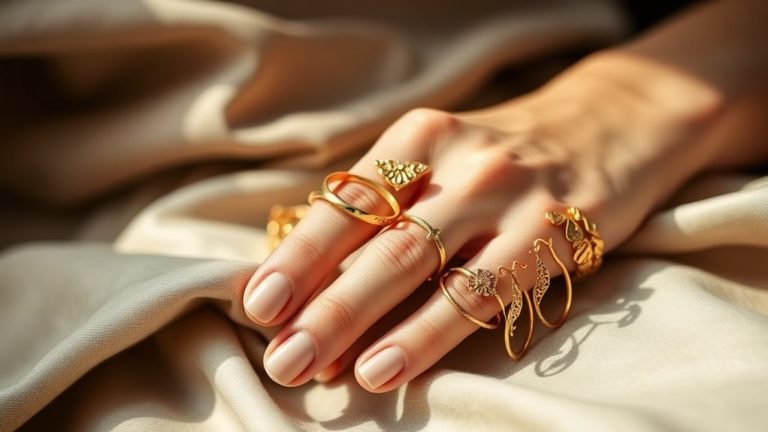
Gold plated jewelry is a popular choice for those looking to enjoy the luxurious appearance of gold without the hefty price tag. However, it’s important to note that it isn’t renowned for its long-lasting durability.
The thin layer of gold can wear off relatively quickly, often within a few months to a couple of years. This is especially true with frequent use and exposure to moisture or chemicals.
As time goes on, you may notice fading, tarnishing, or even the base metal starting to show through.
If you want to keep your pieces looking fresh and vibrant for longer, understanding proper care, recognizing wear signs, and exploring re-plating options will be key.
Taking these steps can help you enjoy your gold plated jewelry while minimizing the effects of wear and tear.
Understanding Gold Plated Jewelry

While gold plated jewelry gives you the luxurious look of gold at a fraction of the cost, it’s important to understand that it only has a very thin layer of gold—usually between 0.5 to 2.5 microns—bonded to a base metal like brass or copper.
This thin layer of gold creates the shiny finish, but it’s susceptible to plating wear over time. As the gold layer wears off due to everyday wear and tear, exposure to moisture, chemicals, and friction can reveal the base metal beneath.
Proper care is essential to slow down this process and maintain the jewelry’s appearance.
Factors Affecting the Durability of Gold Plated Jewelry

You’ll find that the thickness of the gold layer plays a big role in how long your jewelry lasts before it starts to wear.
The quality of the base metal underneath also affects durability and resistance to tarnishing.
Plus, how you wear and care for your pieces can either protect or quickly degrade the plating.
Gold Layer Thickness
Since the thickness of the gold layer directly impacts how long your plated jewelry lasts, paying attention to this detail is essential.
Gold plating thickness is measured in microns, and the durability of your jewelry depends heavily on this measurement.
Layers above 2.5 microns offer better wear resistance, meaning your piece stays shiny and intact longer.
On the other hand, thin coatings below 0.5 microns tend to wear down quickly, exposing the base metal and causing rapid fading or tarnishing.
Frequent friction speeds up this process, so a thicker gold layer helps protect against daily wear.
While replating can restore the finish, starting with a thicker coating means you won’t need to replate as often, enhancing overall durability and extending your jewelry’s lifespan.
Base Metal Quality
The quality of the base metal plays a crucial role in how long your gold plated jewelry lasts.
A corrosion-resistant base metal like stainless steel or sterling silver offers excellent resistance to tarnishing and wear, boosting overall durability.
On the other hand, softer alloys such as brass or copper wear down faster, which can cause the gold plating to chip or peel.
Nickel bases may degrade quickly and trigger allergic reactions, reducing the jewelry’s lifespan.
Choosing a sturdy, high-quality base metal ensures better adhesion of the gold layer and longer-lasting appearance.
| Base Metal | Durability & Resistance |
|---|---|
| Stainless Steel | High corrosion resistance, durable |
| Brass/Copper | Softer, prone to wear and tarnishing |
| Nickel | May cause allergies, less durable |
Wear and Care
Beyond choosing a sturdy base metal, how you wear and care for your gold plated jewelry greatly impacts its durability.
Since the gold layer is a thin layer, your wear patterns play a vital role in how quickly the plating wears off.
Gold plated jewelry requires mindful handling to prevent exposing the base metal and fading over time.
To maintain your jewelry’s lifespan, follow these tips:
- Avoid frequent friction, especially on rings and bracelets.
- Keep jewelry away from moisture, perfumes, lotions, and chemicals.
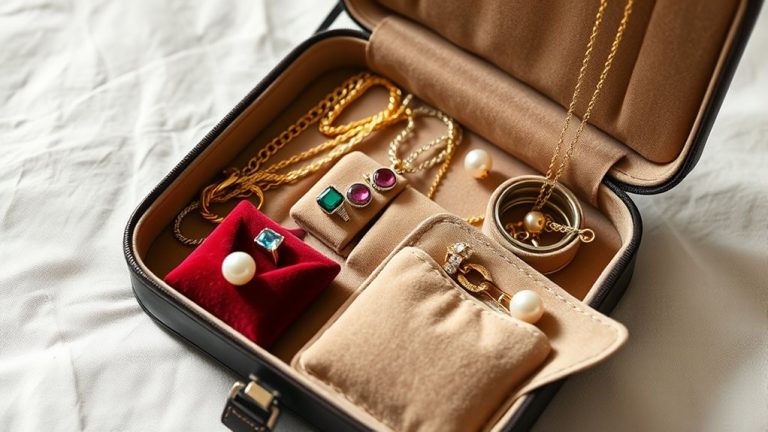
- Store pieces in a soft-lined jewelry box when not in use.
- Clean gently with a soft jewelry cloth.
- Consider professional re-plating to restore worn gold layers.
Proper wear and care can considerably extend your jewelry’s beauty and durability.
Common Signs of Wear and Tarnishing

You’ll notice tarnish when the thin gold layer starts wearing off, revealing the base metal underneath.
This often shows up as discoloration or greenish marks on your skin.
Keep an eye out for fading shine, scratches, or spots where the underlying metal becomes visible.
Tarnish Appearance Indicators
When you notice dull or discolored patches on your gold plated jewelry, especially in areas exposed to moisture or friction, it often signals tarnishing.
These signs indicate wear and possible damage to the thin gold layer. You might see:
- Discoloration or darkening near edges
- Fading or loss of shine across the surface
- Scratches or small chips revealing exposed base metal
- Greenish tint from tarnish buildup
- Flaking or peeling of the gold plating
These indicators show that the plating’s protective effect is weakening.
Frequent handling and exposure to chemicals speed up this process, making tarnishing more visible.
Gold Layer Wearing
Although gold plated jewelry can look stunning at first, the gold layer tends to wear down within six months to two years of regular use.
This is especially true for pieces like rings and bracelets that face constant friction.
You’ll notice common signs of wear such as fading gold color and patches where the base metal beneath shows through.
This thin gold coating is vulnerable to wearing down faster with frequent exposure to elements like moisture and chemicals.
Once the gold layer erodes, tarnish appears because the exposed base metal begins to oxidize.
This can cause discoloration or greenish spots on your skin.
The thinner the gold plating, the quicker these signs of wear emerge.
Understanding this helps you care for your gold plated jewelry and set realistic expectations for its durability.
Base Metal Exposure
How can you tell if the gold layer on your plated jewelry has worn away?
When that thin gold coating wears through, the base metal underneath starts to show. This exposure often leads to tarnishing and corrosion, especially since common base metals like brass or copper are more reactive.
Watch for these signs:
- Discoloration or fading of the gold finish
- Greenish patches where the underlying metal peeks through
- Rough or uneven texture caused by corrosion
- Skin irritation or allergic reactions from exposure to base metal
- Increased tarnish speed with frequent friction or moisture contact
If you notice any of these, it means the gold layer has worn off. This exposes the base metal, which can affect both the jewelry’s look and your skin.
Comparing Gold Plated Jewelry to Solid Gold
Why choose gold plated jewelry when solid gold offers unmatched durability?
Gold plated pieces have a thin layer of gold, usually between 0.5 and 2.5 microns, over a base metal.
This plating layer wears away within 6 months to 2 years if you’re regularly wearing your pieces.
In contrast, solid gold jewelry is made entirely of gold alloys, ensuring excellent jewelry durability that lasts decades without tarnishing.
While gold plated jewelry is inexpensive and offers the look of gold, its thin layer makes it prone to scratches and exposure of the base metal underneath.
So, if you want a lasting investment, solid gold is the better option. Gold plated is great for affordability, but it can’t match the lasting strength of solid gold.
Tips for Extending the Lifespan of Gold Plated Pieces
To keep your gold plated jewelry looking its best, you’ll want to take some simple but effective steps that safeguard its delicate gold layer.
This helps minimize wear and tear and extends lifespan. Here’s what you can do:
- Apply a clear protective coating to shield the thin gold layer from damage.
- Store your gold plated pieces separately in soft pouches to avoid scratches when storing jewelry.
Avoid exposure to harsh chemicals, perfumes, lotions, and water that accelerate gold layer deterioration.
Perform regular cleaning with a gentle, non-abrasive cloth to maintain shine and remove abrasive dirt.
Consider professional re-plating once the gold layer becomes thin, restoring appearance and durability.
Following these tips ensures your gold plated jewelry stays beautiful and lasts longer.
When to Consider Re-plating or Replacement
Although gold plated jewelry can last with proper care, you’ll need to contemplate re-plating or replacement when the gold layer wears off and the base metal shows.
This can cause discoloration or irritation. Signs of wear like visible fading, peeling, or exposed base metal signal it’s time for re-plating.
Typically, re-plating frequency ranges from every 6 months to 2 years, depending on how often you wear and care for your pieces.
Keep in mind that frequent re-plating can add up in cost, so if the thin gold layer has worn down completely or the jewelry is damaged, replacement might be a smarter choice.
Balancing re-plating and replacement helps maintain your jewelry’s durability and keeps your collection looking fresh.
Frequently Asked Questions
How Long Does Gold-Plated Jewelry Last?
Gold-plated jewelry usually lasts between 6 months to 2 years, depending on the gold layer’s thickness and how well you care for it.
To keep it looking good longer, avoid water, chemicals, and friction.
Taking a few simple precautions can really extend its life!
What Are the Downsides of Gold-Plated Jewelry?
You’ll face fading, discoloration, and skin irritation.
You’ll need costly replating, and you’ll lose the jewelry’s shine over time.
Frequent water and chemical exposure only speed up these downsides and reduce its lifespan quickly.
Is It OK to Wear Gold-Plated Jewelry Every Day?
Yes, you can wear gold-plated jewelry every day, but you’ll need to avoid water, lotions, and perfumes.
Take it off during activities to prevent damage, and clean it regularly to keep it looking great longer.
Is It Worth It to Buy Gold-Plated Jewelry?
If you’re drawn to trendy styles without spending much, gold-plated jewelry’s worth it.
Just know it won’t last forever, so treat it gently.
Enjoy the beauty while it shines before needing replacement or replating.
Conclusion
When it comes to gold plated jewelry, remember that you get what you pay for.
While it offers a stunning look without breaking the bank, its durability won’t match solid gold’s.
To keep your pieces shining, treat them with care and avoid harsh conditions. If you notice wear or tarnishing, it might be time to contemplate re-plating or replacement.
After all, you don’t want to let a good thing go to waste!
In conclusion, gold plated jewelry is a beautiful and affordable option for those who want the look of gold without the hefty price tag.
However, its durability is not as robust as solid gold, so it’s essential to handle it with care to prolong its life.
If you invest in proper maintenance, you can enjoy your gold plated pieces for a while, but be prepared for the possibility of re-plating or replacement down the line.