How Long Does Gold Filled Jewelry Last
Gold-filled jewelry is a fantastic choice for those seeking durability and beauty. It can last anywhere from 10 to 30 years with proper care, making it a worthwhile investment.
The thick gold layer fused to a base metal means it resists tarnish and wear much better than ordinary gold plating.
To keep your gold-filled pieces looking their best, it’s important to avoid harsh chemicals and prolonged exposure to water.
Additionally, storing them properly will help maintain their shine.
While daily wear can impact durability, simple maintenance goes a long way.
With a few easy tips, you can enjoy your gold-filled jewelry for years to come.
Understanding the Composition of Gold-Filled Jewelry

Because gold-filled jewelry combines a base metal core like brass or copper with a thick outer layer of gold bonded by heat and pressure, it offers greater durability than typical gold plating.
Gold-filled jewelry’s thick gold layer, bonded by heat and pressure, ensures superior durability compared to standard plating.
You’ll find that the composition of gold-filled pieces ensures the gold layer makes up at least 5% of the total weight, often 12kt or 14kt gold.
This gold layer’s thickness is considerably greater—usually 5 to 10 times more—than that found in standard plating.
The gold is firmly bonded to the base metal, creating a resilient and long-lasting finish.
Since gold-filled jewelry is made from layered sheets, tubes, or wires rather than casting or soldering, its construction maintains the integrity of the gold layer, enhancing durability and wear resistance over time.
Comparing Gold-Filled and Gold-Plated Jewelry Longevity

You’ll notice gold-filled jewelry holds up much better over time compared to gold-plated pieces, thanks to its thicker gold layer.
It resists tarnishing and wear, while gold-plated items tend to fade and flake quickly.
Understanding these durability differences helps you choose jewelry that lasts longer and looks great.
Durability Differences
When comparing gold-filled and gold-plated jewelry, you’ll notice a significant difference in how long each lasts.
Gold-filled pieces boast a thick gold layer—at least 5% of the total weight—which gives them exceptional durability and resistance to wear and tarnishing.
This substantial gold layer greatly extends the jewelry lifespan, often lasting 10 to 30 years with proper maintenance.
In contrast, gold-plated jewelry has a very thin gold layer, sometimes less than 0.5 microns, which wears off quickly.
You can usually expect it to last only about 1 to 2 years with regular use.
While both types can tarnish under harsh conditions, gold-filled jewelry’s superior durability ensures it stays looking new much longer.
Tarnish Resistance
Besides lasting longer overall, gold-filled jewelry also stands out for its superior resistance to tarnish.
Thanks to its thick gold layer, gold-filled jewelry offers excellent tarnish resistance compared to gold-plated pieces, which have a thin layer of gold that wears off quickly.
With proper care—like avoiding exposure to chemicals and storing pieces gently—you can keep your gold-filled jewelry’s lasting shine for years.
Under normal wear, it stays resistant to tarnishing for 3 to 5 years or more, far outlasting gold-plated alternatives.
Even though harsh conditions like saltwater or strong chemicals can speed up tarnishing, the thick gold layer in gold-filled jewelry provides better durability.
Factors That Affect the Durability of Gold-Filled Jewelry

Although gold-filled jewelry offers a thicker and more durable gold layer than gold-plated pieces, several factors can impact how long it stays in good condition.
To maintain its durability, consider these key points:
- Wear and Tear: Daily use causes friction that gradually wears down the gold layer of gold-filled jewelry.
- Exposure to Water: Frequent contact with water, especially saltwater or chlorinated pools, accelerates oxidation and damage.
- Body Chemistry: Your skin’s natural oils and acidity affect how quickly the gold layer may dull or wear off.
- Regular Cleaning: Gently cleaning your jewelry with mild soap and water, avoiding harsh chemicals, helps preserve antioxidants that protect the metal.
How Tarnishing Impacts Gold-Filled Jewelry Over Time
Because gold-filled jewelry has a thick gold layer, it resists tarnishing much better than other types.
Tarnish happens when environmental factors like oxidation or chemical exposure penetrate this layer of gold and reach the base metal underneath.
When that occurs, discoloration starts spreading between the gold and base metal, making it tough to restore the original shine.
Over time, wear exposes the jewelry more to these elements, increasing the risk of tarnish.
You can considerably extend your gold-filled jewelry’s life by practicing regular maintenance—clean it gently and avoid prolonged contact with moisture, harsh chemicals, or pollutants.
The Role of Daily Wear in Jewelry Lifespan
When you wear gold-filled jewelry every day, sweat, oils, and environmental pollutants gradually wear down its gold layer.
This daily wear can lead to tarnish and reduce the piece’s durability over time.
To keep your jewelry looking great, focus on proper maintenance.
Here are four key tips for extending the lifespan of your gold-filled pieces:
- Clean your jewelry regularly to remove oils and pollutants.
- Store it properly to avoid abrasion and exposure to harmful elements.
- Avoid contact with lotions and perfumes during daily wear to minimize tarnish.
- Handle your jewelry gently to preserve the gold layer’s thickness and durability.
Effects of Water and Chemicals on Gold-Filled Jewelry
Daily wear exposes your gold-filled jewelry to more than just oils and pollutants; water and chemicals also play a considerable role in how long your pieces last.
Gold-filled jewelry is resistant to tarnish caused by everyday water exposure thanks to its thick gold layer.
Gold-filled jewelry resists everyday water tarnish due to its durable, thick gold layer.
However, prolonged exposure to chlorinated or salty water speeds up wear, thinning that protective layer.
Chemicals in perfumes, lotions, and cleaning products can weaken the gold bonding, accelerating deterioration when combined with moisture.
To preserve your jewelry’s appearance and integrity, avoid extended water exposure and harsh chemicals.
Dry your pieces thoroughly after contact with water to prevent moisture from seeping into the layers.
Proper Cleaning Techniques to Extend Jewelry Life
To keep your gold-filled jewelry looking its best, clean it gently with a soft cloth and mild soap.
Avoid harsh chemicals or abrasive tools as they can cause damage.
Always rinse thoroughly and store your pieces in airtight, anti-tarnish pouches for optimal protection.
Regular care like this helps extend your jewelry’s life and maintain its shine.
Gentle Cleaning Methods
Although gold-filled jewelry is more durable than plated pieces, you should still clean it gently to keep its shine and protect the gold layer.
Follow these simple steps for effective cleaning:
- Use a soft cloth or jewelry polishing cloth after each wear to remove oils and dirt.
- For deeper cleaning, soak your jewelry in warm water with a few drops of mild soap.
- Gently brush with a soft toothbrush to remove debris without causing damage.
- Rinse thoroughly with clean water and pat dry with a soft cloth to prevent tarnish and water spots.
Regular cleaning removes oils and buildup, helping prevent tarnish and extend your jewelry’s life.
Just remember to avoid harsh chemicals or ultrasonic cleaners that can harm the gold layer.
Safe Storage Practices
When you store your gold-filled jewelry properly, you can considerably slow down tarnishing and extend its shine.
Use airtight containers or ziplock bags to block moisture and air, which cause oxidation.
Avoid humid spots like bathrooms and direct sunlight to protect against environmental factors.
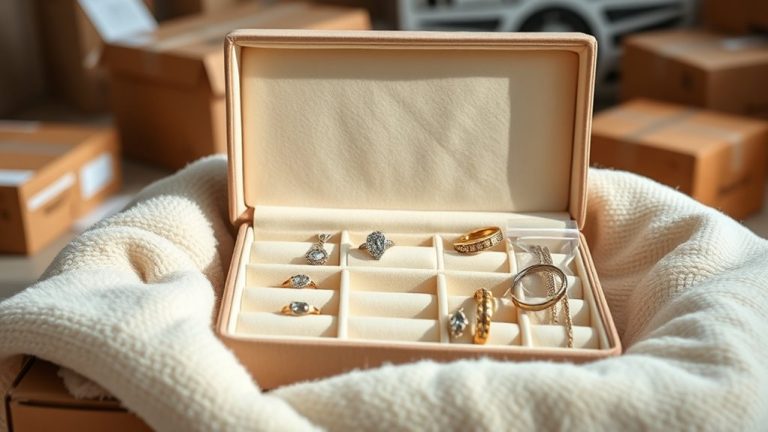
A lined jewelry box or anti-tarnish pouch offers extra defense.
Regular cleaning with a soft cloth and mild soap helps maintain its glow, but steer clear of harsh chemicals.
Also, remember to remove pieces before swimming or exercising to prevent damage.
| Storage Tip | Purpose | Avoid |
|---|---|---|
| Airtight containers | Prevent moisture exposure | Humid environments |
| Jewelry box with lining | Reduce oxidation effects | Direct sunlight |
| Anti-tarnish pouch | Protect from environmental factors | Harsh chemicals during cleaning |
Best Practices for Storing Gold-Filled Jewelry
Since gold-filled jewelry can tarnish and wear down with improper storage, you should keep it in airtight containers or sealed plastic bags to limit exposure to air and humidity.
Proper storage protects your pieces from tarnish and scratches, making maintenance easier.
Proper storage prevents tarnish and scratches, simplifying your jewelry care routine.
Follow these best practices:
- Store each item separately in pouches or compartments to prevent friction and scratches.
- Choose a cool, dry spot away from direct sunlight; avoid humid areas like bathrooms.
- Use a jewelry box with anti-tarnish strips or cloth lining to absorb moisture and reduce oxidation.
- After wearing, gently wipe your jewelry with a soft, dry cloth to remove oils and debris.
Caring for Gold-Filled Jewelry With Gemstones and Pearls
Because gemstones and pearls require extra care, you should handle your gold-filled jewelry with these elements delicately to preserve their beauty.
Keep your pieces dry and away from chemicals like lotions, perfumes, and cleaning products to prevent tarnish and damage.
For jewelry maintenance, regularly wipe gemstones and pearls with a soft, damp cloth to remove oils and debris, enhancing their shine.
Avoid ultrasonic or steam cleaning, as heat and vibrations can loosen settings or harm delicate surfaces.
When it comes to storage, make sure to keep your gold-filled jewelry with gemstones and pearls separately in soft pouches or lined boxes.
This helps protect against scratches and environmental factors that cause deterioration.
Following these care tips ensures your gold-filled jewelry retains its brilliance and lasts longer, keeping your treasured pieces beautiful over time.
Identifying Quality in Gold-Filled Jewelry for Longevity
To guarantee your gold-filled jewelry lasts, check for a thick gold layer—typically 5 to 10 times thicker than regular plating.
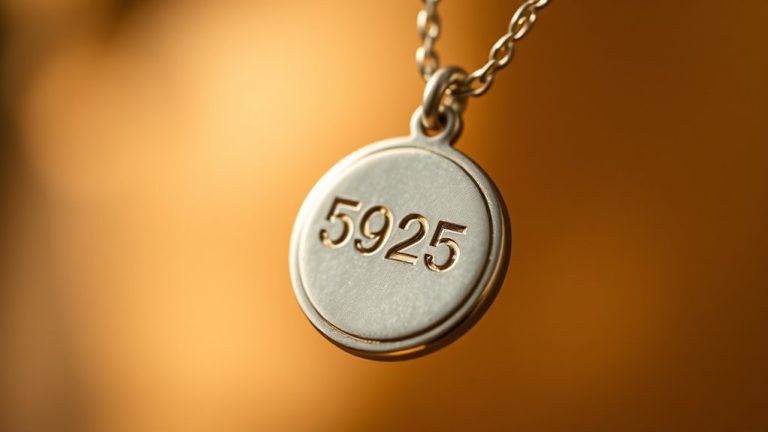
Look for clear markings like “14/20 GF,” which show the karat and gold-to-base-metal ratio, proving authenticity.
Buying from trusted brands with proper certifications also helps you avoid fakes and low-quality pieces.
Gold Layer Thickness
A key factor in determining how long your gold-filled jewelry lasts is the thickness of its gold layer.
The gold layer thickness directly impacts durability, tarnish resistance, and overall longevity.
Here’s what you should know:
- Gold-filled pieces must have at least 5% gold by weight, ensuring a solid layer of gold.
- Thickness usually ranges from 10 to 100 mils, or 0.25 to 2.5 microns.
- Layers 20 mils (0.5 microns) or thicker offer better protection and last longer.
- Industry standards mark gold-filled jewelry with terms like 14/20 GF, indicating karat and layer thickness.
Keep these points in mind for making informed choices about your jewelry!
Authenticity and Markings
When you shop for gold-filled jewelry, checking for clear authenticity markings can guarantee you from disappointment and assure lasting quality.
Look for labeling like “14/20 GF,” which shows the piece contains at least 5% genuine gold by weight.
These markings are essential for distinguishing true gold-filled jewelry from gold-plated or imitation items that usually lack certification or hallmarking.
Reputable sellers provide certification verifying the gold content and adherence to FTC regulations, protecting your purchase.
If you encounter unmarked pieces, professional testing such as acid tests or X-ray fluorescence can confirm authenticity.
By focusing on proper hallmarking and labeling, you ensure your gold-filled jewelry maintains its value and durability over time.
This way, you can have confidence in your investment.
Frequently Asked Questions
Will Gold-Filled Jewelry Fade?
Yes, gold-filled jewelry can fade over time, but you won’t notice it quickly.
If you avoid harsh chemicals and rough wear, you’ll keep its shine for many years before it starts to thin or lose color.
Can Gold-Filled Jewelry Be Worn Every Day?
Yes, you can wear gold-filled jewelry every day.
It’s durable, resists tarnishing, and holds up well with proper care.
Just avoid harsh chemicals, clean it regularly, and store it carefully to keep it looking great.
Can You Shower With Gold-Filled Jewelry?
Think of your gold-filled jewelry as a delicate flower.
You can shower with it, but frequent water and soap act like harsh winds, slowly wearing it down.
What Is the Lifespan of Gold-Filled Jewelry?
Gold-filled jewelry lasts 10 to 30 years when you care for it properly.
Avoid chemicals, moisture, and rough handling.
Clean and store it carefully, and you’ll keep its shine and durability for decades.
Conclusion
If you care for your gold-filled jewelry like you would a delicate flower, it can last for many years, maintaining its shine and beauty.
By understanding its composition, avoiding harsh wear, and cleaning it gently, you’ll extend its life markedly.
Remember, daily habits and proper storage play vital roles in keeping your pieces looking fresh.
With mindful care, your gold-filled jewelry will remain a treasured part of your collection for a long time.
In conclusion, gold-filled jewelry can last for years if treated with care. By being gentle and storing it properly, you can preserve its luster and elegance.
Make it a habit to clean your pieces regularly and avoid wearing them during rough activities. With the right approach, your gold-filled jewelry will not only maintain its beauty but also hold sentimental value in your collection for a long time.