Choosing the Right Christina Piercing Jewelry
When it comes to choosing Christina piercing jewelry, it’s essential to prioritize both style and comfort.
Opt for sturdy, biocompatible materials like titanium or 14K gold. These materials help minimize irritation, which is crucial for healing.
Next up is the gauge. Typically, you’ll find gauges ranging from 10g to 14g.
Make sure to select a length that accommodates your tissue thickness; slightly longer jewelry is a smart choice as it allows for swelling.
Now, let’s talk about styles! Curved barbells and surface bars not only offer comfort but also allow for some personal flair with customizable ends.
Remember, proper care is vital. It prevents irritation and promotes healing, ensuring your piercing remains both safe and stylish.
Understanding material, fit, and care is truly the key to success with your Christina piercing!
Understanding Christina Piercing Anatomy

Although the Christina piercing is a popular choice, you need to comprehend the anatomy involved to guarantee proper placement.
This surface piercing is located on the mons veneris, where the labia majora meet at the top of the pubic mound, just below the pubic hairline.
Successful piercing placement depends on sufficient tissue pliability; the area must have a natural fold or divot to securely hold the jewelry.
Proper placement requires enough pliable tissue with a natural fold to securely hold the jewelry.
The thickness and depth of tissue above the clitoral hood also impact whether your anatomy suits this piercing.
Not everyone has enough tissue or the right structure for a Christina piercing, so understanding your unique vulva anatomy is vital before proceeding.
This ensures the piercing stays secure and reduces complications.
Ideal Materials for Christina Piercing Jewelry

When picking jewelry for your Christina piercing, focus on biocompatible materials like titanium or surgical steel to reduce irritation.
Gold, especially 14K or 18K, offers a hypoallergenic option with a smooth finish that’s gentle on sensitive skin.
Choosing hypoallergenic jewelry not only boosts comfort but also helps your piercing heal faster and safer.
Biocompatible Material Choices
Since your Christina piercing requires jewelry that stays safe and comfortable, choosing biocompatible materials is essential.
Surgical steel and titanium rank as the top options because they minimize allergic reactions and ensure excellent healing compatibility.
Titanium, especially medical-grade, is lightweight, durable, and less prone to surface damage. This makes it a smart choice for long-term wear.
Both materials qualify as hypoallergenic jewelry, reducing irritation and the risk of infection.
It’s best to avoid plated metals or low-quality alloys since they often contain nickel or other allergens that can cause adverse reactions.
Gold Versus Surgical Steel
Choosing the right biocompatible material often comes down to deciding between gold and surgical steel for your Christina piercing jewelry.
Gold, especially 14K or 18K, offers a hypoallergenic, smooth surface that resists corrosion and minimizes irritation during healing.
This jewelry material is ideal if you want long-term comfort and reduced bacterial buildup.
On the other hand, surgical steel, commonly 316L or 316LVM, is durable and more affordable but may contain nickel, which can trigger allergies in sensitive skin.
If you opt for surgical steel, choose nickel-free variants to avoid complications.
While gold provides a superior healing environment, surgical steel remains a practical choice for initial piercings and everyday wear.
Ultimately, your choice depends on budget, skin sensitivity, and how you prioritize healing comfort.
Hypoallergenic Jewelry Benefits
Although you might focus on style, selecting hypoallergenic jewelry for your Christina piercing plays an essential role in preventing allergic reactions and ensuring a smooth healing process.
Materials like titanium, surgical steel, and gold jewelry are ideal because they minimize irritation, especially if you have sensitive skin.
Titanium stands out due to its corrosion resistance and biocompatibility, making it perfect for long-term wear.
Medical-grade surgical steel contains very little nickel, which reduces the chance of discomfort or inflammation.
Meanwhile, gold jewelry of 14K or higher is less likely to trigger allergies since it contains fewer allergenic metals.
Choosing hypoallergenic options helps you avoid bumps, redness, and pain, allowing your piercing to heal properly while keeping your skin healthy and comfortable every day.
Popular Jewelry Styles for Christina Piercings

When choosing jewelry for your Christina piercing, curved barbells are a popular choice because they fit naturally and comfortably.
If your pubic area is flatter, surface bars or L-bars might give you a smoother look.
You’ll also want to pick from materials like titanium, surgical steel, or gold for durability and to reduce irritation.
Curved Barbells Variety
Curved barbells rank as one of the top choices for Christina piercing jewelry because they combine comfort with flexibility.
When selecting a curved barbell, you’ll find various material options like surgical steel, titanium, and gold to suit your skin sensitivity and style preferences.
Gauge sizes usually range from 10g to 14g; thicker gauges offer better durability and support during healing.
Many curved barbells feature internally threaded ends, which minimize irritation and make insertion smoother.
Plus, customizable jewelry options let you personalize your look with gem-set ends, different ball sizes, and a variety of colors.
This versatility guarantees your Christina piercing stays both comfortable and stylish, matching your unique taste without compromising on quality or healing needs.
Surface Bar Options
If curved barbells offer flexibility and comfort, surface bars provide a different approach tailored to the unique contours of the pubic area.
Surface bar jewelry options typically feature flat or L-shaped designs that sit flush against your skin, reducing irritation.
These bars have longer, specialized shafts to accommodate swelling and help prevent migration or rejection.
Many surface bars are crafted from surgical steel, prized for its biocompatibility and durability in sensitive areas.
The ends often showcase decorative beads or gems, adding a personal touch.
When choosing a surface bar, proper placement and shaft length are vital to minimize pressure on tissue and reduce bump formation.
Opting for a well-designed surface bar ensures your Christina piercing heals well and stays comfortable.
Material Choices
Choosing the right material for your Christina piercing jewelry plays a crucial role in comfort and healing.
Titanium and surgical steel lead the pack due to their excellent biocompatibility and durability.
Gold, especially 14K or 18K, offers hypoallergenic benefits and a smooth surface to reduce irritation.
For sensitive skin or initial healing, flexible plastics like Bioflex provide gentle options.
Here’s a quick comparison to guide your choice:
| Material | Benefits | Best For |
|---|---|---|
| Titanium | High biocompatibility | Long-term wear |
| Surgical Steel | Durable, hypoallergenic | Everyday use |
| Gold (14K/18K) | Hypoallergenic, smooth | Sensitive skin |
| Bioflex (PTFE) | Flexible, gentle | Healing, sensitive skin |
| Internally Threaded | Minimizes friction | Healing piercings |
Pick what suits your skin and lifestyle for ideal healing and comfort.
Choosing the Correct Gauge and Length
When selecting jewelry for your Christina piercing, you need to pay close attention to both gauge and length to guarantee comfort and proper healing.
The standard gauge ranges from 10g to 14g; thicker gauges offer durability and reduce rejection risk, while thinner ones may cause tearing.
Proper length is equally vital—choose a piece 2-4 mm longer than your initial piercing’s tissue thickness to accommodate swelling during the healing period.
Select jewelry 2-4 mm longer than your piercing’s tissue thickness to comfortably manage swelling while healing.
Measure accurately with a caliper or consult your piercer to ensure the jewelry fit is neither too tight nor too loose.
Starting with a slightly longer length helps manage swelling comfortably, and you can downsize as healing progresses.
This careful gauge and length selection supports a smooth healing period and long-term comfort.
Customizable Jewelry Options
After selecting the right gauge and length for your Christina piercing, you can explore customizable jewelry options that match both your anatomy and personal style.
Customizable jewelry offers various material options like surgical steel, titanium, gold, and bioflex to suit your skin sensitivity.
Adjustable jewelry, such as curved barbells and surface bars, provides a personalized fit, ensuring comfort and reducing rejection risk.
You can also choose gem-set ends or engraved patterns to enhance aesthetic appeal.
Here’s a quick overview:
| Feature | Options |
|---|---|
| Material Options | Surgical steel, titanium, gold, bioflex |
| Adjustable Jewelry | Curved barbells, surface bars |
| Decorative Ends | Gem-set ends, engraved patterns |
| Benefits | Personalized fit, style, comfort |
These options let you tailor your Christina piercing jewelry perfectly to you.
Jewelry Care and Maintenance Tips
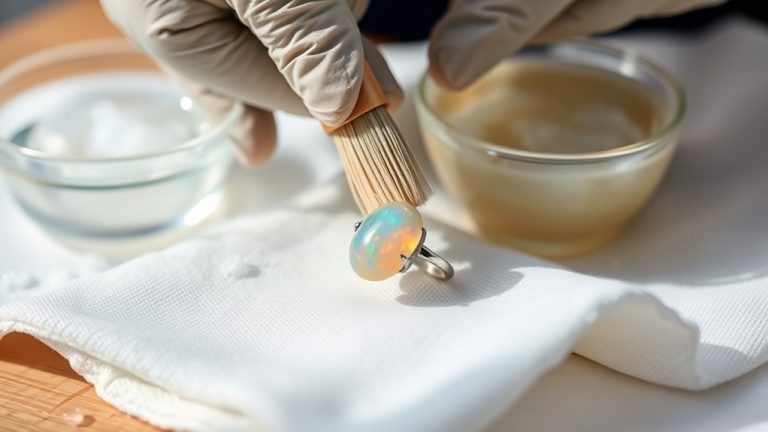
To keep your Christina piercing jewelry looking its best and prevent infections, you should clean it regularly with warm, antibacterial soap and water.
Proper jewelry care and maintenance guarantee your Titanium jewelry stays shiny and safe to wear.
Follow these essential tips:
- Avoid harsh chemicals or alcohol-based cleaners. They can damage your jewelry’s finish and irritate your piercing.
- Store your jewelry in a soft cloth or jewelry box when not in use. This helps prevent scratches and tarnishing.
- Frequently check the threading and gemstone settings. Make sure everything remains secure.
- Have your jewelry professionally inspected and sterilized during routine aftercare visits. This ensures it stays in exemplary condition.
Signs of Jewelry-Related Irritation
Keeping your Christina piercing jewelry clean and well-maintained helps reduce the chance of irritation, but it’s important to recognize the signs if problems arise.
Jewelry irritation often shows as persistent redness, swelling, or tenderness around the piercing site. Material allergies, especially to nickel or low-quality metals, can increase inflammation and discomfort.
You might also notice itching, a burning sensation, or bumps forming near the jewelry.
If your jewelry is too tight or causes friction, it can worsen swelling and irritation. Ignoring these signs may lead to infection or rejection of the piercing.
Paying attention to redness and inflammation early on helps you address jewelry-related issues before they escalate, ensuring your Christina piercing stays healthy and comfortable.
When to Consult Your Piercer About Jewelry Changes
Although changing your Christina piercing jewelry might seem simple, you should always consult your professional piercer before making any modifications. This helps avoid any potential injury or damage.
Here’s when you need to reach out:
- Before any jewelry changes, wait until your piercing is fully healed—usually 6 to 9 months. This is important to prevent complications.
- Always use jewelry material and gauge size recommended by your professional piercer. This ensures safe healing.
- If you notice swelling, redness, or discomfort after changing jewelry, contact your piercer immediately. They can provide the right guidance.
- Avoid self-changing jewelry if you experience persistent bumps or irritation. It’s best to let your piercer evaluate and advise you.
Frequently Asked Questions
What Is the Best Jewelry for a Christina Piercing?
The best jewelry for your Christina piercing is a curved barbell or surface bar made from titanium or surgical steel.
Choose internally threaded, 10-14 gauge sizes to minimize irritation and guarantee comfort.
This will also help accommodate swelling during healing.
What Is the 2 3 Rule for Piercings?
Did you know nearly 40% of piercings face complications?
The 2/3 rule means you should pick jewelry two-thirds the length of your initial piercing.
This allows your skin to swell without causing pressure or rejection during healing.
How Do You Know if You Have the Right Anatomy for a Christina Piercing?
You know you have the right anatomy for a Christina piercing if you have enough pliable tissue above the pubic mound with a natural fold or divot.
An experienced piercer can assess and confirm your suitability safely.
It’s always a good idea to consult with a professional to ensure you’re making the right choice for your body.
What Is the 3 Piercing Rule?
The 3 Piercing Rule means you choose jewelry three times thicker than your piercing gauge.
This helps accommodate swelling, reduces pressure, and lowers rejection risk.
It’s especially important for surface piercings like the Christina.
Conclusion
Choosing the right Christina piercing jewelry isn’t just about style—it’s about comfort and healing too. Did you know that nearly 60% of piercing complications come from improper jewelry fit or material?
By picking the right gauge, length, and hypoallergenic materials, you’ll reduce irritation and enjoy your piercing longer.
Remember, paying attention to how your jewelry feels and looks can save you from issues down the road.
When in doubt, always check in with your piercer!
In conclusion, selecting the appropriate jewelry for your Christina piercing is crucial for both aesthetics and health. Prioritize comfort by choosing the right size and hypoallergenic materials. This will help prevent complications and prolong the life of your piercing. Ultimately, being mindful of your jewelry choice ensures a more enjoyable experience. Always consult with your piercer if you’re unsure about any aspect of your jewelry selection. Your comfort and satisfaction should come first!