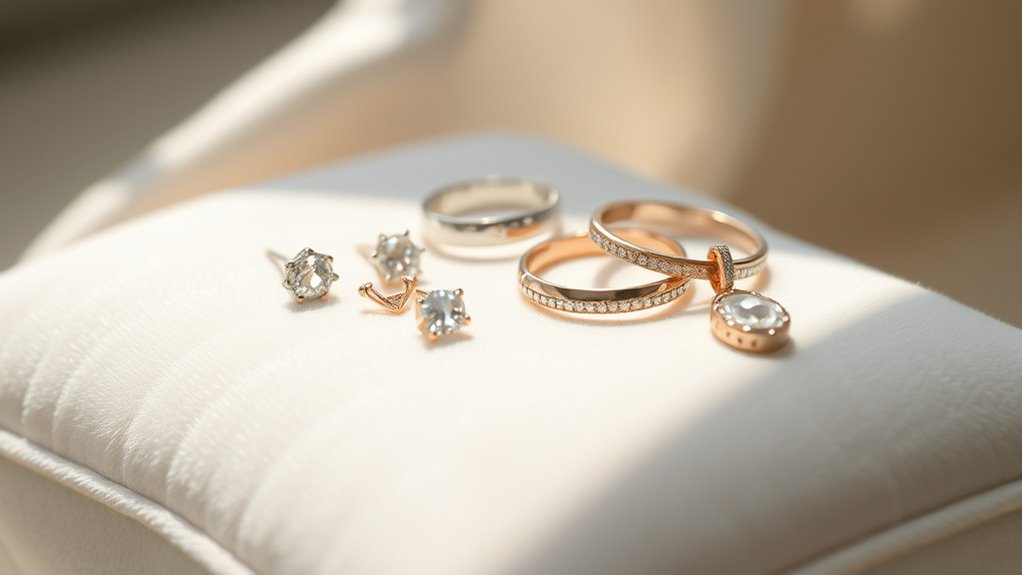
What Is Hypoallergenic Jewelry?
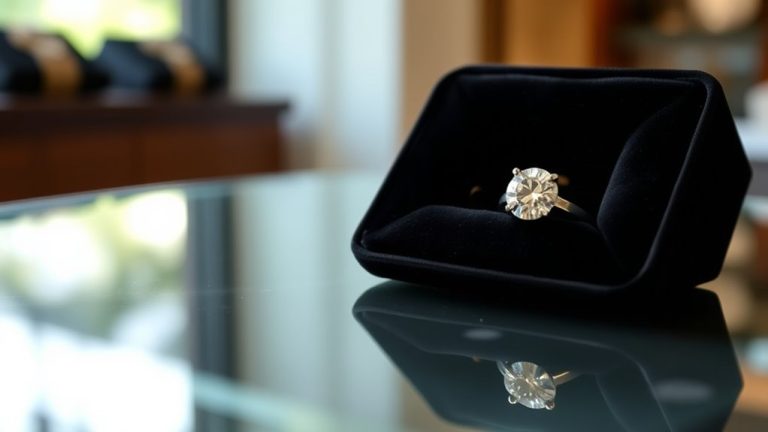
Hypoallergenic jewelry is specifically crafted to minimize allergic reactions, making it an ideal choice for those with sensitive skin.
These pieces typically avoid nickel, which is a common culprit for causing redness, itching, and swelling.
Instead, hypoallergenic jewelry often incorporates metals like titanium, platinum, or high-karat gold, known for their lower likelihood of causing irritation.
While hypoallergenic jewelry doesn’t guarantee that you’ll never experience a reaction, it significantly reduces discomfort for many wearers.
If protecting your skin is a priority, choosing hypoallergenic pieces is a smart move.
Plus, there’s plenty of useful information ahead about the best metals to consider and how to properly care for your jewelry.
Definition and Importance of Hypoallergenic Jewelry

Although many people enjoy wearing jewelry, those with metal sensitivities need to be careful about what they choose.
Hypoallergenic jewelry is designed to minimize allergic reactions by using metals that are nickel-free or contain very little nickel.
Hypoallergenic jewelry reduces allergic reactions by using metals low in or free from nickel.
If you have sensitive skin or metal sensitivities, selecting hypoallergenic pieces can prevent skin irritation, redness, and itching.
Common metals used include titanium and pure gold, both known for being gentle on the skin.
These materials reduce the risk of discomfort, allowing you to wear jewelry comfortably.
While hypoallergenic jewelry lowers the chance of allergic reactions, it doesn’t guarantee immunity for everyone.
Understanding this can help you make informed choices and avoid the frustration of skin issues caused by unsuitable metals.
Understanding Nickel Allergy and Its Effects

If you’re sensitive to nickel, you might notice redness, itching, or blisters where your skin touches certain jewelry.
Nickel hides in everyday items like earrings, keys, and belt buckles, making exposure easy to overlook.
Understanding these symptoms and sources helps you protect your skin from irritation and discomfort.
Nickel Allergy Symptoms
When your skin comes into contact with nickel, you might notice redness, itching, or swelling, especially around areas like your earlobes where the skin is thin.
These allergic symptoms signal a nickel allergy, a common cause of contact dermatitis. You could experience irritation, dryness, and even blisters as your skin reacts.
Sensitivity often develops after repeated exposure to nickel-containing jewelry or objects. This skin reaction usually appears within hours but can worsen if you keep wearing or touching nickel items.
Understanding these symptoms helps you recognize when your skin is responding to nickel and take steps to avoid further irritation or damage.
Staying aware of how your skin reacts makes managing nickel allergy easier and more effective.
Common Nickel Sources
Since nickel is widely used in many everyday items, you might unknowingly come into contact with it often.
This metal is a common nickel source found in various objects, triggering allergic reactions and skin irritation for those with metal allergies or sensitive skin.
To protect yourself, it’s important to identify typical nickel sources and opt for hypoallergenic jewelry that avoids nickel.
Below is a quick guide to common nickel sources and their risks:
| Nickel Source | Risk of Metal Contact & Allergy Symptoms |
|---|---|
| Costume Jewelry | High – frequent skin contact causes irritation |
| Keys & Door Handles | Moderate – occasional contact possible |
| Clothing Buttons | Moderate – contact with sensitive skin |
| Belt Buckles | High – prolonged contact increases allergy risk |
| Hypoallergenic Jewelry | Low – designed to minimize nickel exposure |
Being aware helps you avoid allergy symptoms linked to nickel.
Impact on Skin
Understanding how nickel affects your skin helps you recognize why avoiding common sources is important.
If you have a nickel allergy, even small contact with nickel-containing jewelry can cause skin redness, blisters, and persistent irritation.
Allergic reactions often show up within hours, especially if you have sensitive skin or are in hot, humid conditions.
You might notice dry patches, tenderness, or greenish discoloration around the affected area.
Repeated exposure can worsen your symptoms or cause the allergy to develop over time.
To protect your skin, choose hypoallergenic metals that minimize the risk of skin irritation and allergic reactions.
Being mindful of what you wear can substantially reduce discomfort and keep your skin healthy despite nickel sensitivity.
Role of Nickel-Free Jewelry in Preventing Allergic Reactions

Although many people love wearing jewelry, those with sensitive skin often face allergic reactions caused by nickel.
Choosing nickel-free jewelry helps prevent skin reactions like redness, itching, and blisters linked to nickel allergy.
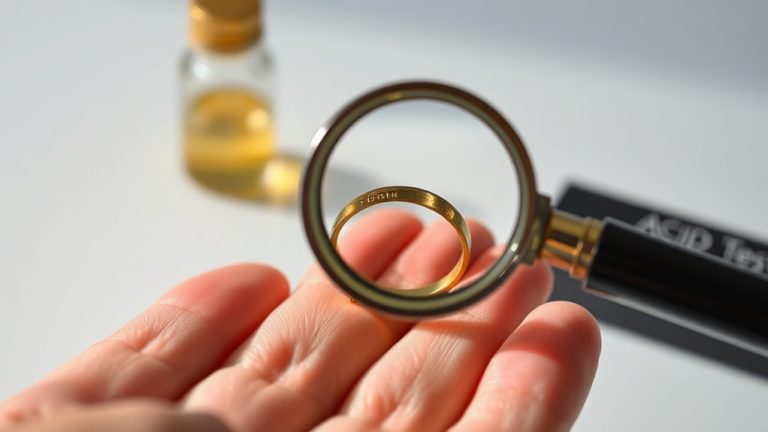
However, some items labeled nickel-free may still have traces of nickel in the base metal, so checking nickel content and certifications matters.
Jewelry regulations, especially in the EU, limit nickel content to reduce allergic reactions.
To protect yourself from nickel sensitivity, opt for hypoallergenic jewelry verified to contain minimal or no nickel.
| Jewelry Type | Nickel Content | Allergy Risk |
|---|---|---|
| Genuine Nickel-Free | < 0.01% | Very Low |
| Plated Nickel-Free | Nickel in base metal | Moderate |
| Regular Jewelry | > 0.05% | High |
Other Metal Allergies Beyond Nickel
While nickel remains the most common cause of metal allergies from jewelry, other metals like copper, cobalt, and chromium can also trigger reactions in some people.
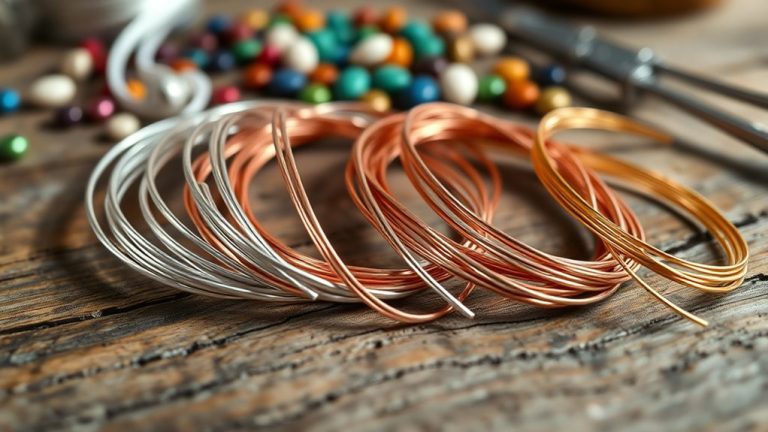
Copper allergies are rare but may cause skin irritation and green discoloration, especially if you have susceptible skin reactions.
Chromium allergies and cobalt allergies are less common, typically linked to industrial alloys and occupational exposure rather than everyday jewelry.
However, if these metals are present, they can still provoke metal contact dermatitis or trigger an allergic response.
If you experience metal sensitivity beyond nickel, you might notice redness, itching, or rash.
Understanding these allergic response metals helps you recognize that hypoallergenic jewelry needs to address more than just nickel to effectively prevent discomfort.
Common Hypoallergenic Metals Used in Jewelry
Which metals should you consider if you have sensitive skin or metal allergies?
Hypoallergenic metals like titanium, platinum, and high-karat gold minimize irritation.
Nickel-free jewelry is key, especially with sterling silver that’s often rhodium-plated to prevent reactions.
Niobium and surgical stainless steel (grade 316L) also offer safe, durable options.
Pure silver, found in sterling silver, is less likely to cause sensitivity when free of nickel.
Check the metal’s purity and finish to guarantee skin comfort.
| Metal | Key Feature |
|---|---|
| Titanium | Lightweight, corrosion-resistant |
| Platinum | 95%+ pure, highly hypoallergenic |
| High-Karat Gold | More pure gold, fewer allergens |
| Niobium | Corrosion-resistant, skin-safe |
| Surgical Stainless Steel | Grade 316L, nickel-free option |
Hypoallergenic Properties of Popular Jewelry Metals
How do popular jewelry metals protect your skin from allergic reactions?
Hypoallergenic metals like titanium, platinum, and surgical stainless steel minimize contact with allergenic metals, reducing irritation.
Pure metals such as 24K gold and platinum contain little to no allergenic metals, making them safe choices for sensitive skin.
Nickel-free gold alloys specifically avoid nickel, one of the most common irritants, further lowering allergy risks.
Sterling silver often undergoes rhodium plating, which adds a protective layer to prevent direct skin exposure to allergenic metals in the alloy.
Titanium stands out for its natural hypoallergenic properties, lightweight feel, and corrosion resistance.
Choosing Jewelry Suitable for Sensitive Skin
When choosing jewelry for sensitive skin, focus on metals like titanium, platinum, or nickel-free sterling silver to reduce irritation.
Make sure to avoid common allergens such as copper, brass, or low-quality gold alloys that can trigger reactions.
Always check for “nickel-free” labels and choose higher karat gold or platinum for safer options.
This way, you can enjoy your jewelry without worrying about discomfort!
Safe Metal Options
Although choosing jewelry can be exciting, you need to prioritize metals that won’t irritate your skin if you have sensitivities.
Hypoallergenic metals like titanium, platinum, and high-karat gold are excellent choices.
Titanium is lightweight and corrosion-resistant, while platinum and pure metals reduce allergic reactions.
Sterling silver, especially nickel-free and rhodium-plated, is another popular hypoallergenic option.
Always confirm that your jewelry is nickel-free to avoid irritation.
| Metal | Characteristics | Benefits |
|---|---|---|
| Titanium | Lightweight, corrosion-resistant | Naturally hypoallergenic |
| Platinum | Pure metal, durable | Minimizes allergic reactions |
| High-Karat Gold | 18K or above, pure metals | Less nickel, less irritation |
| Sterling Silver | Nickel-free, rhodium-plated | Affordable hypoallergenic option |
| Nickel-Free | Any base metal without nickel | Reduces skin allergies |
Avoiding Common Allergens
Since nickel is a common cause of skin allergies, you should avoid jewelry that contains it to protect sensitive skin.
Opt for hypoallergenic metals like stainless steel, high-karat gold, or silver, which rarely trigger allergic reactions.
Be cautious with low-quality alloys; they often conceal irritants that can cause itching, redness, or swelling shortly after you wear them.
Always check labels indicating “nickel-free” or “hypoallergenic” to guarantee safety.
To avoid discomfort, remember to:
- Choose jewelry labeled nickel-free or hypoallergenic to minimize risk.
- Stick with trusted metals like stainless steel, gold, or silver.
- Avoid cheap or unknown alloys, as they might contain hidden allergens.
Caring for and Maintaining Hypoallergenic Jewelry
How do you keep your hypoallergenic jewelry looking great and irritation-free?
Start by regularly cleaning it with mild soap and water to remove dirt, oils, and sweat that can irritate your skin.
Regularly clean with mild soap and water to eliminate irritants like dirt, oils, and sweat.
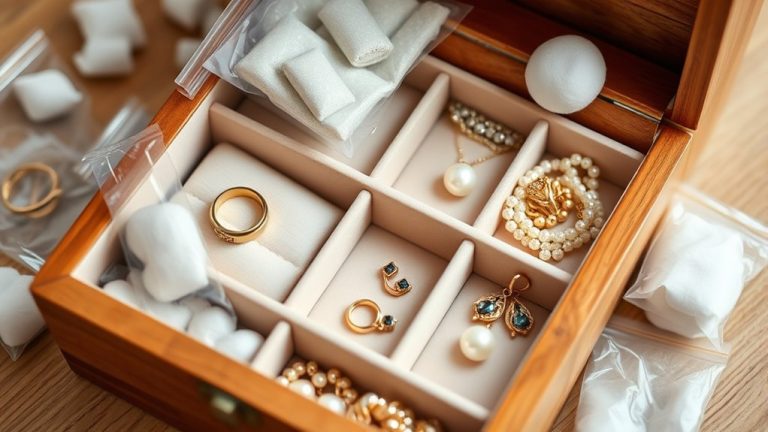
Always store your pieces separately in a dry, cool place to prevent scratches and tarnishing, which can affect the metal’s hypoallergenic properties.
Avoid exposing your jewelry to harsh chemicals like chlorine, perfumes, or cleaning agents, as these can damage the metal surface.
Make it a habit to inspect your jewelry periodically for signs of wear or damage.
If needed, reapply protective coatings such as rhodium plating to maintain its hypoallergenic integrity.
Following proper care instructions and considering professional cleaning will help prolong your jewelry’s lifespan and keep it safe for sensitive skin.
Frequently Asked Questions
What Is Considered Hypoallergenic Jewelry?
Hypoallergenic jewelry includes metals like titanium, platinum, and nickel-free silver that won’t irritate your skin.
You’ll want pieces tested or coated to reduce allergens.
But remember, it’s not a 100% allergy guarantee.
Is Hypoallergenic the Same Thing as Sterling Silver?
You can’t judge a book by its cover—hypoallergenic isn’t the same as sterling silver.
Sterling silver is often hypoallergenic, but some alloys contain nickel.
Always choose nickel-free or rhodium-plated options to keep irritation at bay.
Can Hypoallergenic Jewelry Get Wet?
Yes, you can get hypoallergenic jewelry wet, especially if it’s made from titanium or rhodium-plated silver.
Just remember to dry it thoroughly afterward.
Avoid prolonged exposure to protect delicate coatings and prevent tarnishing.
What Metal Is Best for Allergies?
You’ll find titanium, platinum, and 24K gold the best metals for allergies since they’re naturally hypoallergenic and resist irritation.
Surgical-grade stainless steel and niobium also work well if you want durable, skin-friendly options.
Conclusion
Now that you know what hypoallergenic jewelry is and why it matters, isn’t it time you chose pieces that protect your skin and style?
By opting for nickel-free and other gentle metals, you can avoid irritation and enjoy your favorite accessories without worry.
Remember, caring for your hypoallergenic jewelry helps keep it safe and beautiful for longer.
So, why settle for anything less than comfort and elegance?
Choosing hypoallergenic options allows you to express your unique style while ensuring your skin remains irritation-free.
Invest in jewelry that not only looks good but feels good too!
Comfort and elegance can go hand in hand, enhancing your overall experience with your favorite pieces.
Take the leap into hypoallergenic jewelry today and enjoy the peace of mind that comes with it!