Is It Bad When Your Skin Turns Green From Jewelry?
When your skin turns green from jewelry, it can be a bit alarming, but it’s usually not harmful. This common reaction occurs due to a harmless interaction between copper in the metal and substances on your skin, like sweat or lotions.
The discoloration doesn’t indicate an allergy or pose any risk; it’s simply a surface stain caused by oxidation.
However, if you start to notice itching or irritation, that could be a sign of an allergy instead.
Fortunately, there are ways to prevent this from happening and to choose better materials for your jewelry. Exploring these options can help keep both your skin and your jewelry looking their best.
What Causes Skin to Turn Green From Jewelry

Although it may seem alarming, your skin turns green from jewelry because copper in the metal reacts with salts, acids, and chemicals on your skin.
This reaction causes oxidation of the copper, forming compounds like copper chlorides and sulfides.
These compounds create a green residue that transfers onto your skin, leaving that unmistakable green tint.
Jewelry alloys such as sterling silver and 14k or 18k gold often contain copper, so they can cause this discoloration too.
Factors like sweat, lotions, and perfumes speed up copper’s oxidation, increasing the green residue on your skin.
Rest assured, this color change is just a surface chemical reaction and doesn’t pose any health risks.
It’s simply copper interacting with your skin’s natural chemistry.
Metals Most Likely to Cause Green Skin Discoloration

You’ll notice that copper is the main metal causing green stains on your skin.
Alloys like brass and sterling silver, which contain copper, can also lead to discoloration.
Understanding the metal makeup of your jewelry helps explain why some pieces leave green marks while others don’t.
Copper’s Role in Discoloration
When copper comes into contact with your skin, especially in the presence of sweat and moisture, it reacts to form compounds that leave a green stain.
This green skin discoloration happens because copper interacts with oxygen and chemicals on your skin, creating copper chlorides and sulfides.
You’ll notice this most with:
- Pure copper jewelry, which has the highest chance of causing green stains due to its high copper content.
- Alloys like sterling silver, brass, and low-karat gold, which contain enough copper to cause discoloration.
- Avoiding metals like stainless steel or high-karat gold, which rarely cause green skin since they have little or no copper.
Knowing copper’s role helps you understand why your skin turns green and what types of jewelry might trigger this discoloration.
Alloy Composition Effects
Because copper is the main metal that triggers green skin discoloration, jewelry alloys containing it are the most likely culprits.
When copper in an alloy oxidizes, it reacts with moisture and acids on your skin, leaving that famous green stain.
Here’s a quick look at common alloys and their copper content:
| Alloy Type | Copper Content & Effect |
|---|---|
| Sterling Silver | ~7.5% copper; oxidation causes green tint |
| Brass | High copper and zinc; strong oxidation reaction |
| 18K Gold | Lower copper; less likely to cause discoloration |
| 24K Gold | Almost no copper; very rare green stains |
| Pure Copper | 100% copper; most prone to oxidation and green marks |
Understanding the copper content in your jewelry alloy helps you manage or avoid green skin discoloration.
Jewelry Metal Variations
Although many metals can cause skin discoloration, those with higher copper content are the main offenders you’ll want to watch out for.
Copper reacts with sweat, lotions, and acids, leading to green stains through oxidation. Here are the metals most likely to cause this effect:
- Pure copper and base metals like copper sheets or wires oxidize quickly, resulting in noticeable green marks.
- Alloys such as brass, which combine copper and zinc, can also trigger green discoloration due to their copper content.
- Sterling silver contains about 7.5% copper, and when it oxidizes, it may leave greenish stains on your skin.
In contrast, higher karat gold has less copper and is less likely to cause green skin.
The Chemistry Behind Jewelry Oxidation

If you wear jewelry containing copper, you’ll notice it reacts with moisture, salts, and acids on your skin to form compounds like copper chlorides and sulfides.
This oxidation process causes your skin to turn green, a common sign of jewelry corrosion.
Skin turning green is a typical sign that your jewelry is undergoing oxidation and corrosion.
Copper and its alloys, like brass, are especially prone to this reaction, which accelerates when exposed to water, sweat, lotions, or household chemicals.
The green discoloration results from surface oxidation of the metal, producing copper sulfates and carbonates as well.
While this reaction is harmless, it’s a clear indicator that oxidation is occurring.
You can minimize jewelry corrosion by applying protective coatings and maintaining your pieces properly.
This reduces the metal’s direct contact with skin and environmental factors that promote oxidation.
Is Green Skin From Jewelry Harmful or Dangerous?
If your skin turns green from jewelry, it’s usually just a harmless chemical reaction caused by oxidation, not something dangerous.
You might confuse this with an allergy, but the green tint doesn’t mean your skin is irritated or infected.
However, if you notice itching or rash along with the discoloration, that could signal an allergy that needs attention.
Harmless Chemical Reaction
When your skin turns green from jewelry, you’re witnessing a harmless chemical reaction called oxidation.
This happens when copper or alloy metals in the jewelry react with sweat, lotions, or acids on your skin.
It leaves behind that familiar green skin discoloration.
It’s important to know this is just a surface-level change and not harmful.
Here’s what occurs during oxidation:
- Alloy metals like copper interact with moisture and acids on your skin.
- A green residue forms as the metals oxidize.
- The reaction doesn’t penetrate your skin or cause toxicity.
While the green mark can look alarming, it poses no health risk.
You can prevent it by keeping your jewelry dry and clean, but the green skin itself is completely safe.
Allergy Vs Oxidation
Although green skin from jewelry often raises concerns, it results from a harmless oxidation process rather than an allergic reaction.
Oxidation happens when metals like copper react with moisture and air, causing skin discoloration that’s simply a surface residue you can wash off.
This green tint doesn’t signal any health danger.
On the other hand, an allergy involves your immune system reacting to certain metals, often nickel, causing redness, itching, or swelling—not green stains.
If you experience irritation instead of discoloration, you might be dealing with an allergy, which requires avoiding the offending metal.
To minimize both oxidation and allergy risks, consider wearing hypoallergenic metals like stainless steel or high-karat gold.
Understanding the difference helps you know that green skin from jewelry isn’t harmful, just a harmless chemical change.
How Body Chemistry Affects Jewelry Reactions
Because your body’s chemistry varies from person to person, the way jewelry interacts with your skin can differ greatly.
Your unique body chemistry influences the metal reaction and how quickly oxidation occurs on your jewelry. Several factors come into play:
Individual body chemistry determines how metals react and oxidize on your jewelry over time.
- pH Levels and Sweat Composition: Acidic or alkaline skin can speed up oxidation, causing metals to discolor and leave marks.
- Skin Oils, Lotions, and Perfumes: These substances can mix with metals, intensifying green or black stains.
- Hormonal and Health Changes: Fluctuations in hormones or conditions like low iron affect skin sensitivity, increasing reaction chances.
Differentiating Between Allergic Reactions and Oxidation
If you notice your skin turning green after wearing jewelry, it’s important to understand that this discoloration usually comes from metal oxidation rather than an allergic reaction.
Oxidation happens when metals like copper react with moisture, sweat, or lotions on your skin, causing harmless skin discoloration or a green residue.
On the other hand, a metal allergy, especially to nickel, often triggers symptoms like itching, redness, swelling, or rash—not just color changes.
To differentiate, pay attention to how your skin feels: oxidation leads to green stains without irritation, while a metal allergy causes inflammation and discomfort.
Knowing this difference helps you decide whether you need to avoid certain metals or simply clean the jewelry to prevent oxidation.
Effective Prevention Techniques to Avoid Green Stains
Understanding whether green stains come from oxidation rather than an allergy puts you in a better position to prevent them.
To effectively prevent skin discoloration, focus on these steps:
1. Apply a thin layer of clear nail polish on the inner surface of your jewelry to create a barrier that prevents metal contact with your skin.
Reapply regularly to maintain protection and prevent your skin from turning green.
2. Remove your jewelry before showering, swimming, or exercising to reduce exposure to moisture and sweat, which speed up oxidation.
This simple step can make a big difference in keeping your skin stain-free.
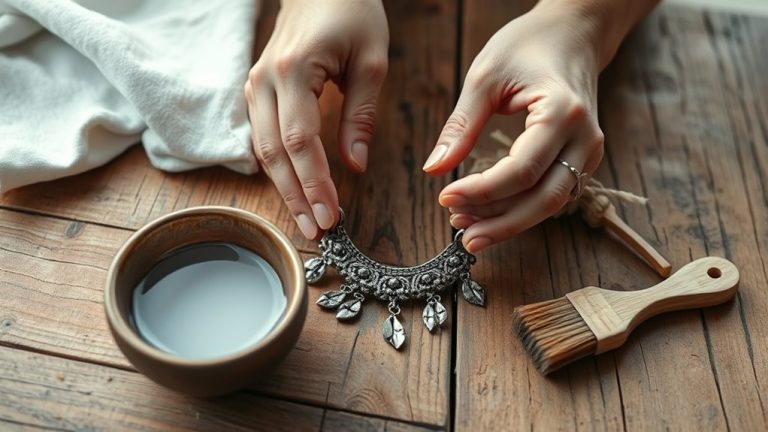
3. Clean your jewelry often with soap, warm water, and a soft brush to remove oils and residues that react with metals.
Following these techniques helps you enjoy your jewelry without turning your skin green.
Best Jewelry Materials to Minimize Skin Discoloration
Choosing the right jewelry materials can greatly reduce the chances of your skin turning green.
Opt for nickel-free jewelry since nickel is a common culprit behind skin discoloration and allergic reactions.
Materials like stainless steel, titanium, and platinum resist oxidation, which prevents the green stains caused by metal reacting with your skin.
Higher karat gold, especially 18k and above, contains less copper and other alloys. This makes it less likely to cause discoloration.
Hypoallergenic options such as surgical-grade stainless steel or niobium also minimize skin reactions.
Additionally, some jewelry comes with protective coatings that act as barriers, preventing direct metal contact with your skin. This further reduces discoloration.
Tips for Maintaining Jewelry to Reduce Skin Reactions
Although wearing the right jewelry materials helps, maintaining your pieces properly plays an essential role in preventing skin reactions and discoloration.
Jewelry made from high-quality metals still needs care to keep your skin safe and your pieces looking great.
Even premium metals require proper care to protect your skin and preserve their shine.
To keep jewelry from turning your skin green, follow these tips:
- Clean your jewelry regularly with soap, warm water, and a soft toothbrush to remove oils and residues that cause reactions.
- Store your jewelry in a dry, airtight container to prevent moisture buildup, which speeds up oxidation.
- Apply a thin layer of clear nail polish or a jewelry sealant on inner surfaces to create a protective barrier and reapply it periodically.
Frequently Asked Questions
Is It Safe to Wear Jewelry That Turns Green?
Yes, it’s safe to wear jewelry that turns your skin green.
The discoloration isn’t harmful, just a surface reaction.
However, if you experience itching or redness, you should stop wearing it and consult a doctor.
What Does Skin Turning Green From Jewelry Mean?
Imagine you wear a copper bracelet, and your skin turns green after sweating at the gym.
That green means copper in your jewelry reacted with your sweat—it’s harmless, just a surface reaction showing the metal’s presence.
Conclusion
Think of your skin and jewelry like old friends sharing secrets—sometimes, their chemistry creates a green whisper.
This harmless mark is just a sign of their unique bond. It’s not a danger but rather a reminder that certain metals, like copper, react with your body’s natural oils and sweat.
By choosing the right materials and taking care of your jewelry, you can keep this friendship bright and stain-free.
This way, your skin can shine without the green tale.
In conclusion, while it may be alarming to see green marks on your skin from jewelry, it’s typically harmless.
Understanding the reasons behind this reaction, such as metal composition and skin chemistry, can help you make informed choices.
Opting for hypoallergenic materials and maintaining your jewelry will keep your skin happy and free from unwanted discoloration.