7 Factors That Decide How Much Permanent Jewelry Costs
You’ll find that the cost of permanent jewelry is influenced by seven main factors. Understanding these factors can help you make informed decisions when investing in your jewelry.
The quality and type of material, like 14k gold or sterling silver, play a significant role in determining the price.
Craftsmanship and design complexity also affect labor costs, as more intricate designs require skilled artisans.
Additionally, chain length and jewelry style will influence the amount of material needed, which can impact the overall cost.
If you want added custom touches or unique features, be prepared for extra fees.
Welding skills are another factor, as not all jewelers offer the same level of expertise.
Location and jeweler experience can cause prices to vary, so it’s wise to shop around.
Lastly, brand reputation and market demand often push prices higher.
Keep exploring to understand how each factor shapes the final cost!
Material Quality and Type

What drives the cost of jewelry? It mainly boils down to the material you choose.
When you pick 14k gold, you’re paying for higher purity and the warm, durable quality that comes with it. Gold-filled pieces offer a budget-friendly alternative by layering gold over a base metal, giving you the look without the full price tag.
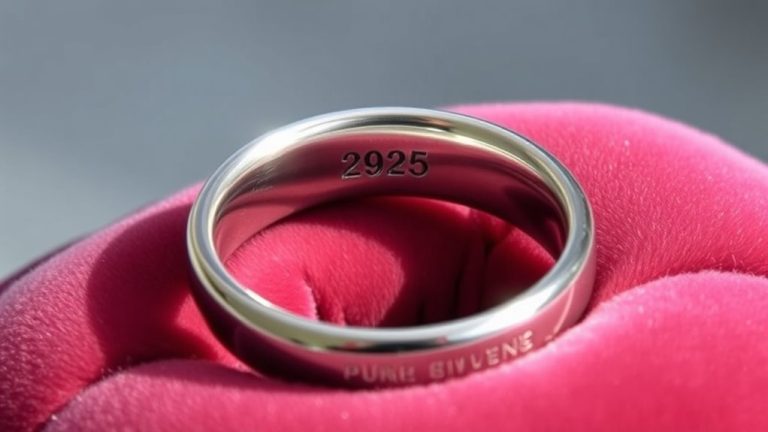
Sterling silver, on the other hand, is an affordable yet elegant option that won’t break the bank.
Keep in mind, the heavier or higher-karat your gold jewelry is, the more pure gold it contains, which raises the cost.
Craftsmanship and Design Complexity

When you choose jewelry with intricate designs, you’ll pay more because skilled artisans spend extra time perfecting every detail.
Custom pieces often involve complex techniques that boost both labor and material costs.
The higher the craftsmanship and design complexity, the more you’ll invest in a unique, finely crafted piece.
Design Intricacy Impact
Because intricate jewelry designs demand more time and expert skill, you’ll find their costs reflect this added effort.
Design complexity directly influences labor costs, as creating detailed patterns requires skilled craftsmanship.
When you choose intricate jewelry, artisans spend extra hours on complex soldering, engraving, or setting gemstones, which raises the price.
The more elaborate the design, the more labor-intensive the process becomes, profoundly impacting the final cost.
This craftsmanship not only enhances the jewelry’s aesthetic appeal but also improves its durability, making it a worthwhile investment.
Artisan Skill Level
Although intricate designs demand extra time, the artisan’s skill level plays an even bigger role in determining the cost of jewelry.
When you choose a jeweler with advanced craftsmanship, you’re paying for their expertise and the use of custom techniques.
This raises labor costs but ensures durable, visually refined pieces.
Skilled artisans often hand-forge links or apply unique welding patterns, adding value beyond basic designs.
Here’s how artisan skill level impacts cost:
| Artisan Skill Level | Impact on Cost |
|---|---|
| Novice | Lower labor costs |
| Intermediate | Moderate craftsmanship fees |
| Skilled | Higher labor costs due to complex custom techniques |
| Expert | Premium pricing for exceptional craftsmanship |
| Master Artisan | Top-tier cost; superior quality and durability |
Your jewelry’s longevity and appeal depend heavily on who crafts it.
Customization and Detailing
As you add intricate custom designs and personalized touches, the craftsmanship demands more time and skill. This naturally drives up the cost of your jewelry.
Customization and detailing involve precise finishing and expert techniques that shape the piece’s uniqueness and value.
Here’s what influences the price:
- Complex designs and unique clasps require specialized craftsmanship and additional labor.
- Personalized elements like charms or gemstones add material costs and intricate detailing.
- Handmade finishing touches, such as precise welding, elevate the piece’s quality and durability.
The greater the level of craftsmanship and detailing, the more your permanent jewelry stands out.
This justifies a higher price due to the skill and time invested in perfecting every detail.
Chain Length and Jewelry Style

When you choose a longer chain for your necklace or anklet, expect to pay more since it requires extra material.
Chain length directly affects material costs, especially with precious metals like 14k gold.
Your jewelry style also plays a big role; intricate designs demand more craftsmanship, raising the price.
Custom styles that differ from standard lengths add design complexity, which further impacts cost.
| Chain Type | Standard Length (inches) | Impact on Cost | Example Material | Craftsmanship Level |
|---|---|---|---|---|
| Bracelet | 6-8 | Lower material cost | Sterling silver | Basic |
| Necklace | 16-20 | Higher material cost | 14k gold | Moderate to high |
| Anklet | 9-12 | Moderate material cost | Sterling silver | Moderate |
| Custom | Varies | Increased design cost | Mixed metals | High |
| Intricate | Varies | High craftsmanship | 14k gold, mixed metals | Very high |
Added Elements and Customization
Beyond chain length and style, adding elements like gemstones or personalized engravings can substantially affect your jewelry’s price.
Customization demands extra time and skill, especially when incorporating intricate design elements or rare gemstones. These factors directly impact the craftsmanship involved, which increases labor costs.
Intricate designs and rare gemstones require extra skill and time, increasing craftsmanship and labor costs.
Consider these common customization options:
- Gemstones: Quality, size, and carat weight influence price, often doubling or tripling costs compared to plain metal pieces.
- Personalized Engravings: Adding initials or symbols requires precision, raising the overall value.
- Unique Design Elements: Specialized clasps, decorative connectors, or symbolic charms add complexity and expense.
When you choose customization and enhanced design elements, expect a higher price reflecting the skill and materials required to create your perfect permanent jewelry.
Welding Process and Installation Fees
Because the welding process fuses the chain ends seamlessly, you get a clasp-free piece that combines durability with elegance.
This precision welding involves using specialized tools and a micro-welder to create a secure bond, marked by a visible spark and bright flash.
The installation fee covers this expert craftsmanship, ensuring your jewelry is both safe and long-lasting.
Trained professionals handle the welding, applying techniques that require skill and attention to detail.
Since welding demands specialized tools and expertise, the installation fee often reflects these factors and is usually bundled with the jewelry price.
Location and Jeweler Experience
The quality and cost of your permanent jewelry don’t just depend on the welding process; where you get it done and who crafts it play a big role too.
Your jewelry’s location considerably affects price due to local market demand, material costs, and studio rent.
Location influences permanent jewelry prices through market demand, material costs, and studio overhead expenses.
Plus, jeweler experience matters—a skilled artisan with certifications brings superior craftsmanship but charges more.
Here’s what influences your cost:
- Studios in major cities or affluent areas often have higher prices due to living costs and demand.
- Jewelers with extensive experience and training typically charge premiums for their expertise.
- Well-established studios prioritize safety and personalized service, adding value and cost.
Choosing the right location and experienced jeweler ensures quality but impacts your permanent jewelry’s price.
Brand Reputation and Market Demand
You’ll notice that well-known brands often charge more because you trust their quality and craftsmanship.
When demand spikes, especially in trendy areas or through social media buzz, prices tend to rise due to limited supply.
Understanding how brand reputation and market demand work together helps you see why some jewelry costs more than others.
Brand Influence on Pricing
When you choose jewelry from a well-established brand, you’re often paying for more than just the piece itself.
Brand reputation plays a huge role in pricing strategies, especially in the luxury jewelry market. Here’s how brand influence shapes costs:
- Trust in Quality: A strong brand reputation signals reliability and superior materials. This justifies higher prices.
- Exclusivity and Perceived Value: Limited editions or collaborations boost desirability. This pushes prices up.
- Market Demand: Popular brands see increased demand. This allows them to maintain premium pricing.
You’ll find that brands known for craftsmanship and exclusivity command more. Customers value the status and assurance that come with their name.
This dynamic between brand reputation and market demand drives pricing beyond just the metal and gems.
Demand Impact on Costs
Because market demand directly affects pricing, pieces with high consumer interest often come with premium costs.
When you seek permanent jewelry from brands with strong brand reputation, expect to pay more due to their trusted quality and expertise.
Jewelers capitalize on this trust, setting higher price points for their offerings.
Trending designs also play a vital role—when a style gains popularity, market demand spikes, pushing prices upward.
Limited availability of these sought-after pieces further drives the cost higher.
You’ll notice that fluctuating market demand means prices aren’t static; as interest grows or wanes, jewelers adjust costs accordingly.
Frequently Asked Questions
What Is the Average Cost for Permanent Jewelry?
You’ll typically pay between $65 and $150 for permanent bracelets.
Around $150 or more for necklaces, and about $120 for anklets.
Prices vary based on materials, design complexity, and customization options you choose.
How Should I Price My Permanent Jewelry?
You should price your permanent jewelry by calculating material costs, adding labor fees, and factoring in design complexity.
Don’t forget to verify local competitors to ensure your prices stay competitive while reflecting your craftsmanship and quality.
What Are the Downsides of Permanent Jewelry?
You’ll love the seamless look, but permanent jewelry can irritate your skin.
It can also be tough to remove and costly to fix.
Plus, mistakes aren’t easily undone, so you’ll need to commit carefully before you weld it on.
What Is the Profit Margin on Permanent Jewelry?
You can expect a profit margin between 65% and 80% on permanent jewelry.
Using high-quality materials or custom designs lets you charge more.
Meanwhile, efficient production helps keep costs low and profits high.
Conclusion
When you consider material quality, design, and even location, it’s no coincidence that permanent jewelry prices vary so much.
You might think it’s just about the chain or brand, but each factor intertwines like the links themselves.
So, if you want a piece that truly lasts, remember that every detail—from craftsmanship to welding—plays a role in the cost.
It’s all connected, just like your new jewelry will be.
In conclusion, understanding the various factors that influence permanent jewelry prices is crucial.
From the quality of materials to the intricacies of design and the expertise involved in craftsmanship, all these elements contribute to the overall cost.
When investing in permanent jewelry, consider how these aspects come together to create a piece that not only looks stunning but also stands the test of time.
Ultimately, the price reflects the value and dedication that goes into making your jewelry truly special.