How Does Pawning Jewelry Work?
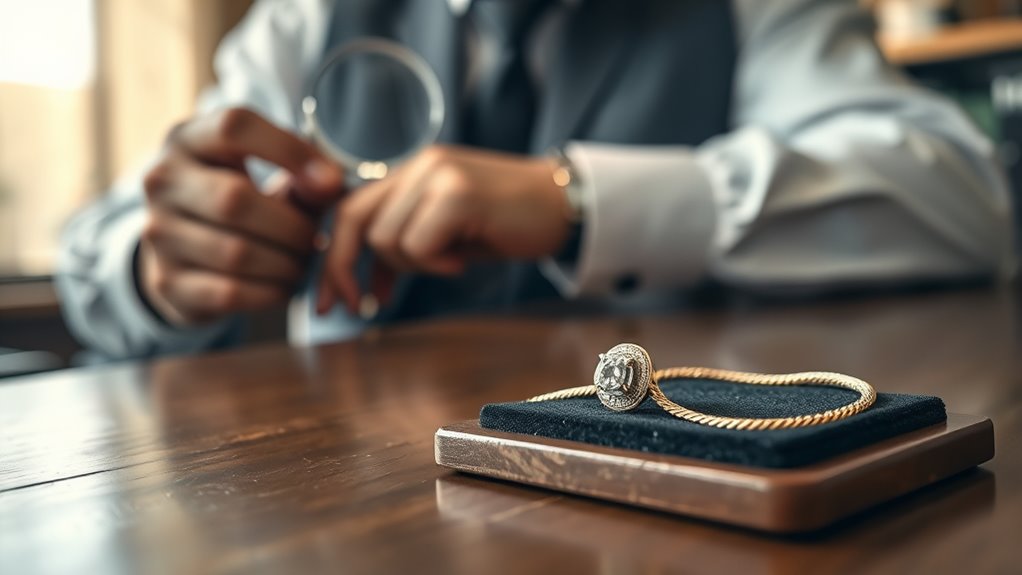
When you pawn jewelry, you take it to a shop for appraisal. The shop assesses the metal, gemstones, and overall condition to determine its value.
Based on this appraisal, you receive a loan that is usually a percentage of the jewelry’s worth. This loan comes with a set repayment term that includes interest.
If you repay the loan on time, you can reclaim your jewelry. But, if you miss the deadline, the shop retains ownership of the piece.
Understanding how loans, appraisals, and repayment terms work is crucial. This knowledge can help you make informed decisions about your valuable items.
Understanding the Pawning Process

When you bring jewelry to a pawnshop, the first step is an appraisal to determine its market value.
The initial step at a pawnshop is appraising your jewelry to establish its market value.
This considers factors like metal purity, weight, and condition.
Based on this assessment, the pawnshop will offer you a loan, usually ranging from 20% to 60% of that value.
You can choose to accept or decline the offer.
If you accept, you’ll sign a contract that outlines the loan amount, interest rate, and the timeframe—typically 30 to 90 days—to reclaim your collateral.
To get your jewelry back, you must repay the loan plus interest within this period.
If you don’t, the pawnshop keeps the item.
How Jewelry Is Appraised at a Pawn Shop

When you bring in your jewelry, the appraiser checks its metal purity, weight, gemstone quality, and condition to determine its value.
They’ll use tools and consider market prices to make an accurate assessment.
Understanding these steps helps you know how your loan or sale offer is calculated.
Evaluation Criteria Explained
Although pawn shops use various factors to appraise jewelry, they primarily focus on the metal type, weight, and purity, such as 14K or 18K gold.
During a jewelry appraisal, these elements set the foundation for value. They also carefully examine gemstones, evaluating cut, clarity, carat, and color to assess worth.
The condition of your piece plays a big role—any damage or visible wear can lower its price.
Market demand impacts the final offer too, as pawnbrokers consider current resale trends.
While metal type and purity establish baseline value, gemstones and condition refine the appraisal.
Understanding these criteria helps you know what influences the pawn shop’s evaluation and why your jewelry might fetch a specific loan amount or price.
Factors Influencing Value
Metal type, purity, and gemstones set the base for your jewelry’s value.
But several other factors shape the final appraisal at a pawn shop. When your piece is appraised, the pawnbroker considers more than just intrinsic materials and market value.
They also look at:
- Condition: Scratches or damage can lower offers.
- Craftsmanship: Well-made or designer pieces often fetch higher prices.
- Authenticity: Certificates or documentation can boost confidence in the piece.
- Market demand: Trends influence what buyers want right now.
Understanding these factors helps you get a realistic idea of your jewelry’s worth.
Remember, the appraisal balances both tangible elements like metal type and gemstones, and intangible ones like brand reputation and current market trends.
This ensures you get a fair offer.
Appraisal Process Steps
Since pawn shops rely on detailed evaluation to determine your jewelry’s worth, they follow a clear appraisal process that covers every important aspect.
First, they examine the metal type, purity, and weight using tools like acid tests or electronic testers.
Next, they assess gemstones by visual inspection and sometimes gemological testing to verify quality and authenticity.
The appraiser also considers the jewelry’s overall condition.
Then, they factor in current market demand and spot prices, especially for precious metals like gold and silver, to estimate value accurately.
If you provide an official appraisal or certification, it can influence the final offer by giving an objective assessment.
This thorough process ensures the pawn shop offers a fair price based on your jewelry’s true value.
Loan Terms and Repayment Options

When you pawn jewelry, you typically get a short-term loan with repayment periods between 30 and 90 days.
The loan terms depend on the jewelry’s appraised value, with the loan amount usually ranging from 20% to 60%.
You’ll use your jewelry as collateral and must repay the loan plus interest and fees to reclaim your item.
If you don’t repay on time, the pawn shop can sell your jewelry.
Here’s what to keep in mind about repayment options:
- Repay the full loan amount plus interest within the agreed period.
- Some shops offer extensions or refinancing to give you more time.
- Interest rates vary by shop and affect total repayment.
- Failure to repay leads to forfeiting your collateral, the jewelry.
Understanding these terms helps you manage your pawn loan responsibly.
Factors Affecting Pawn Value of Jewelry
Although many factors influence the pawn value of jewelry, the type and purity of the metal play a crucial role.
Metals like gold, platinum, and silver vary in worth, and their purity—measured in karats—directly impacts your offer.
Since market prices for these metals fluctuate daily, the pawn value can change accordingly.
Besides metal type, gemstones add value based on their quality and presence.
The overall condition of your jewelry also matters; well-maintained pieces fetch better offers.
Additionally, the weight of the item influences its appraisal.
When you bring jewelry to a pawn shop, expect them to assess metal type, purity, gemstones, and condition carefully to determine a fair pawn value reflective of current market prices.
Comparing Pawning Vs Selling Jewelry
Understanding the factors that affect the pawn value of your jewelry helps you make informed decisions about how to handle it.
When choosing between pawning jewelry and selling it outright, consider these key differences:
- Pawning jewelry lets you use items as collateral to secure a loan with interest, usually 20-60% of the market value.
- Selling jewelry outright provides immediate cash, often closer to full market value.
Pawning offers the chance to reclaim your jewelry by repaying the loan within a set timeframe.
On the other hand, selling results in a permanent transfer of ownership, with no option to get your item back.
If you want quick cash without losing your jewelry, pawning is ideal. But if you prefer maximizing immediate profit, selling outright is the better choice.
Tips for Choosing the Right Pawn Shop
When choosing a pawn shop, you should look for one that’s licensed and has a solid reputation backed by positive customer reviews.
Make sure they offer clear, written terms about loan interest rates, fees, and how long you have to reclaim your jewelry.
Taking these steps helps you avoid surprises and guarantees a smoother pawning experience.
Reputation and Licensing
How can you be sure a pawn shop is trustworthy before handing over your jewelry?
Start by verifying the shop’s license and registration with local authorities. This guarantees they operate legally.
Next, check their reputation through online reviews, focusing on fair appraisals and honest dealings.
Demand transparency in their appraisal process and ask for written estimates to compare offers.
Finally, look for visible licensing credentials and membership in professional pawn associations.
- Confirm proper license and registration
- Research reputation via online reviews
- Request transparent, written appraisals
- Choose shops with clear credentials and fair histories
Transparent Loan Terms
What should you look for to guarantee a pawn shop offers transparent loan terms?
First, verify they clearly explain their interest rates, fees, and repayment terms before you commit.
Avoid shops that dodge details or provide vague answers.
Always ask for written contracts that detail the loan amount, interest, fees, and repayment deadlines—this protects you from hidden charges.
It’s wise to compare multiple pawn shops to find those with fair and consistent loan terms.
Check if the shop holds proper licensing or accreditation, which often enforces full disclosure and fair practices.
Ultimately, read online reviews to confirm the shop’s reputation for honesty and clarity.
Frequently Asked Questions
How Much Will a Pawn Shop Give You for a $1000 Item?
You’ll likely get between $250 and $600 for a $1000 item at a pawn shop.
The exact amount depends on its condition, demand, and market value, especially if it’s gold or has precious stones.
Is It Worth It to Sell Jewelry to a Pawn Shop?
Think of your jewelry as seeds.
Selling them to a pawn shop might give you quick cash, but you’ll likely harvest less.
If you want the fullest bloom, selling directly often brings a richer return.
How Much Do You Usually Get When You Pawn Jewelry?
You usually get between 20% and 60% of your jewelry’s appraised retail value when pawning.
The exact amount depends on metal purity, weight, and demand.
But hey, negotiating can sometimes boost your payout!
What Is Worth $500 at a Pawn Shop?
Think of a $500 treasure as high-karat gold or platinum jewelry, often with diamonds or gemstones.
When you pawn it, you’ll get 20-60% of its value.
This is influenced by weight, purity, brand, and condition.
Conclusion
Pawning your jewelry might feel risky, but it’s a smart way to get quick cash without losing ownership.
You don’t have to worry about permanently parting with something valuable—just repay the loan and get your piece back.
By understanding the process and choosing the right pawn shop, you protect your investment and your peace of mind.
So, if you need funds fast, pawning can be a safe, flexible option you shouldn’t overlook.
In conclusion, pawning jewelry is not only a practical solution for immediate financial needs but also a way to keep your cherished items.
By choosing a reputable pawn shop and knowing the process, you can ensure a smooth experience.
Remember, it’s all about getting cash quickly while keeping your valuable jewelry secure.