Does Alcohol Clean Jewelry Safely?
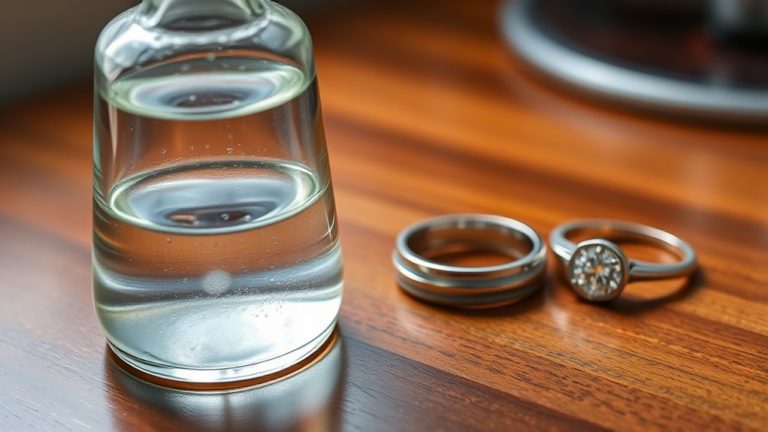
You can safely use rubbing alcohol to clean many types of jewelry because it dissolves oils and grime effectively without leaving residue.
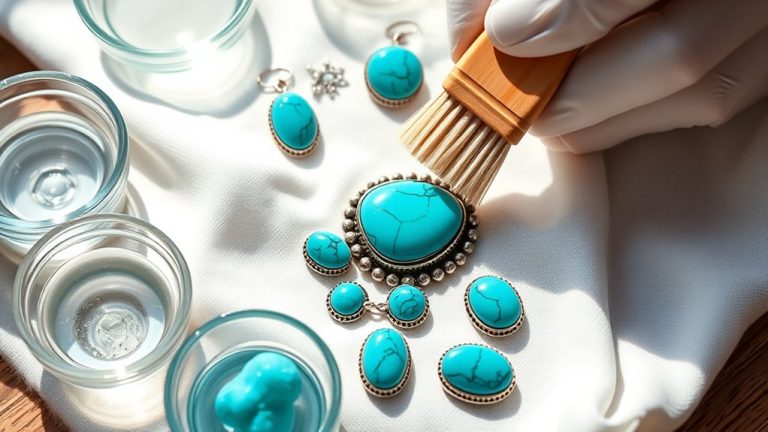
However, avoid alcohol on delicate or porous stones like pearls, emeralds, turquoise, and other organic gems, as it can cause damage or dullness.
For those pieces, gentler cleaning methods work best.
If you want to protect your jewelry’s shine and avoid costly damage, there are important care tips and alternatives you’ll find helpful to know.
When Rubbing Alcohol Works Well for Jewelry Cleaning

When you need to clean your gold, platinum, or diamond jewelry, rubbing alcohol works well because it safely dissolves grease and oils without damaging these non-porous materials.
You can use rubbing alcohol for jewelry cleaning to refresh gold’s shine and maintain platinum’s sleek look.
Diamonds aren’t affected by alcohol, so it effectively removes lotions and oils from their surfaces.
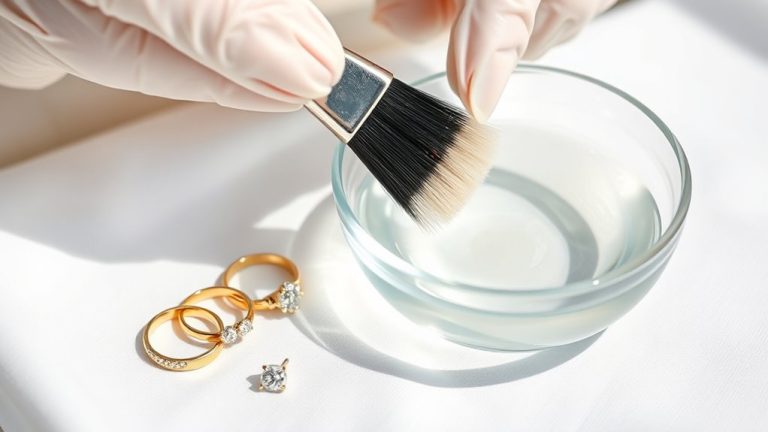
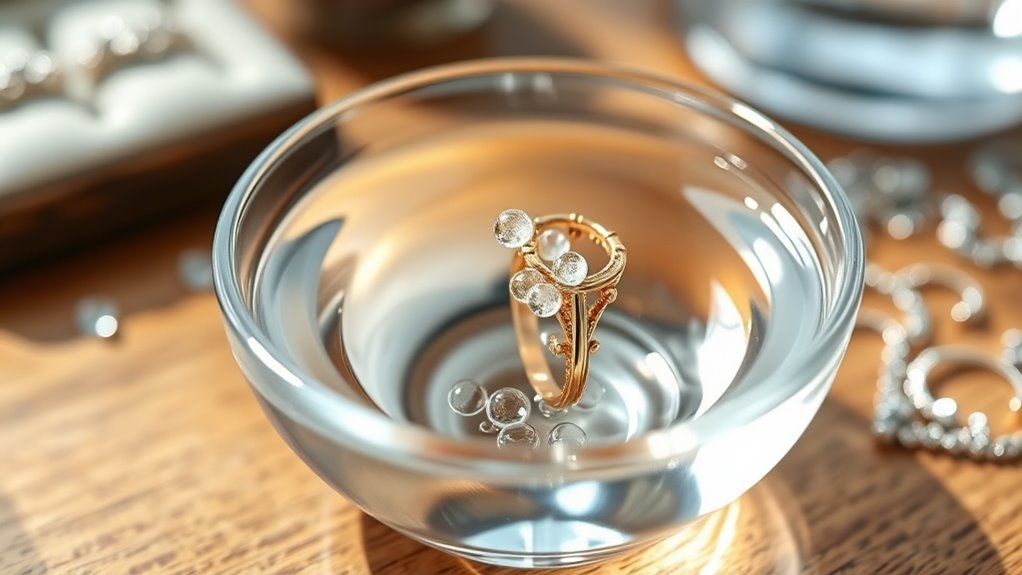
Just soak your jewelry briefly in rubbing alcohol to loosen dirt, then gently brush with a soft toothbrush.
Soak jewelry briefly in rubbing alcohol, then gently brush with a soft toothbrush to remove dirt effectively.
This quick method leaves your pieces dry and clear, often eliminating the need for rinsing.
Thanks to its ability to clean without harsh chemicals, rubbing alcohol is an efficient choice when dealing with non-porous materials like gold, platinum, and diamonds.
Jewelry Types That Should Avoid Alcohol

While rubbing alcohol works wonders for cleaning metals and diamonds, it’s not suitable for all types of jewelry.
You should avoid using alcohol on pearls because they’re organic and can dry out, causing cracks and dullness.
Emeralds, known for their fragility, also shouldn’t be exposed to alcohol since it can lead to fractures or permanent damage.
Porous stones like coral and turquoise absorb alcohol, which may discolor or deteriorate their surface.
If your jewelry contains delicate or porous stones, alcohol can harm their natural structure and appearance.
To keep your pieces safe, steer clear of alcohol-based cleaners for any jewelry with pearls, emeralds, or porous stones.
Instead, opt for gentler cleaning methods tailored to these sensitive materials.
The Risks of Using Alcohol on Delicate Gemstones

Because delicate gemstones like emeralds, opals, and pearls react negatively to alcohol, you should avoid using it to clean them.
Alcohol can dry out these stones, causing cracks or fractures. Porous gems like turquoise and coral may absorb alcohol, leading to discoloration or surface damage.
Organic gemstones such as pearls are especially vulnerable. Alcohol strips their natural oils and dulls their luster.
When you use alcohol on delicate gemstones, you risk weakening their structure over time, which increases the chance of breakage.
In jewelry cleaning, this alcohol damage can be irreversible. To protect your valuable pieces, it’s best to steer clear of harsh chemicals and seek professional care, ensuring your delicate gemstones stay beautiful and intact.
Safe At-Home Cleaning Alternatives to Alcohol
You can keep your jewelry sparkling without alcohol by using gentle soap solutions or a vinegar and water mix.
These methods clean effectively while protecting delicate pieces from damage.
For valuable or fragile items, consider professional cleaning to guarantee they stay safe and beautiful.
Gentle Soap Solutions
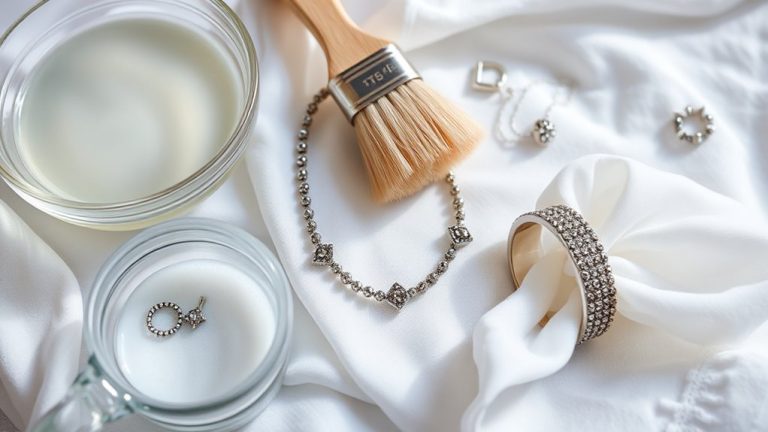
If you want a safe and effective way to clean your jewelry at home without using alcohol, try soaking it in warm water mixed with a few drops of fragrance-free dish soap.
Gentle soap solutions let you soak your pieces for 20-30 minutes, loosening dirt and oils without harming delicate stones or settings.
After soaking, gently scrub with a soft-bristled toothbrush, then rinse thoroughly and dry with a soft, lint-free cloth to avoid residue.
Benefits of gentle soap solutions include:
- Safe for gold, platinum, and diamond jewelry
- Avoids harsh chemicals like alcohol or ammonia
- Maintains jewelry’s shine and prolongs lifespan
- Easy, affordable, and gentle cleaning routine
This method offers a dependable, gentle way to keep your jewelry sparkling without risking damage.
Vinegar Water Mix
While gentle soap solutions work well for many types of jewelry, some pieces benefit from a different approach.
A vinegar water mix—made from 1/4 white vinegar and 3/4 water—is a simple, jewelry safe cleaning method you can use at home.
It effectively removes tarnish and dirt from gold, silver, and certain gemstone pieces without harsh chemicals.
Just avoid soaking porous stones, pearls, or organic gems, as vinegar can cause damage or discoloration.
Instead, use a soft cloth or a brief soak in the vinegar water to clean your jewelry.
Then rinse thoroughly and dry with a soft cloth.
This vinegar water mix offers a natural, inexpensive alternative to alcohol, helping you maintain your jewelry’s shine and cleanliness safely.
Professional Cleaning Options
Although at-home cleaning methods can be effective, professional jewelry cleaning offers safer, more thorough options that protect delicate materials.
When you choose professional cleaning, certified jewelers use ultrasonic cleaners, steam, or specialized solutions that are non-abrasive and gentle on your pieces.
These methods remove dirt and oils without risking damage to fragile gemstones like pearls or emeralds.
Consider these benefits of professional cleaning:
- Ultrasonic cleaners provide deep, safe cleaning for intricate settings.
- Non-abrasive techniques preserve gemstone integrity and metal finishes.
- Jewelers offer expert inspections to catch potential issues early.
- Many provide free or low-cost routine cleanings to maintain your jewelry.
Opting for professional cleaning guarantees your jewelry stays beautiful and undamaged, far beyond what alcohol or DIY solutions can achieve.
Common Household Products That Damage Jewelry
You might think common household products like baking soda or toothpaste are safe for cleaning jewelry, but their abrasives can scratch and dull delicate metals and gemstones.
Applying heat through boiling water or using chemicals like bleach and ammonia can cause metal damage and gemstone fractures.
To keep your jewelry looking its best, it’s important to avoid these risks and choose gentler cleaning methods.
Abrasive Household Ingredients
Because many common household products contain abrasive ingredients, they can easily damage your jewelry if you’re not careful.
Abrasive household cleaners like baking soda and toothpaste may seem harmless, but they can scratch and dull your pieces over time.
These micro-scratches reduce the shine and value of softer metals such as gold and silver.
To protect your jewelry, avoid using:
- Baking soda and toothpaste for cleaning
- Harsh household cleaners with acids or chemicals
- Bleach or ammonia, which weaken metals and harm gemstones
- Any abrasive scrubbing agents that can cause surface damage
Heat and Chemical Risks
Beyond abrasive cleaners, heat and certain chemicals pose significant threats to your jewelry’s integrity.
Using alcohol might seem safe, but exposing your pieces to excessive heat, like boiling water or hot appliances, can cause metal expansion and gemstone fractures.
This weakens settings and internal structures, increasing the risk of damage.
Harsh chemicals such as bleach and ammonia corrode metals and discolor stones, permanently harming your jewelry.
Even common household substances like baking soda and toothpaste are abrasive and can scratch softer metals and gems.
So, to protect delicate or vintage jewelry, it’s best to avoid heat and strong chemicals altogether.
Instead, opt for gentle cleaning methods like using alcohol in moderation, which is effective without risking structural damage or discoloration.
Step-by-Step Guide to Cleaning Jewelry Safely at Home
When cleaning your jewelry at home, preparing the right solution is key to maintaining its shine without causing damage.
For durable stones, mix warm water with a few drops of fragrance-free dish soap and a capful of rubbing alcohol.
Soak your pieces for 20-30 minutes to loosen dirt and oils.
Then, use a soft-bristled toothbrush for gentle cleaning, especially around settings and hard-to-reach spots.
Rinse thoroughly with clean water and dry with a soft, lint-free cloth to avoid scratches.
Remember these steps for safe gemstone care:
- Prepare a mild cleaning solution
- Soak jewelry briefly to loosen grime
- Gently scrub with a soft brush
- Rinse and dry carefully
This method helps you clean jewelry effectively while protecting its delicate beauty.
How to Care for Pearls and Organic Gemstones
While alcohol works well for cleaning many types of jewelry, it can harm delicate pearls and organic gemstones.
Alcohol dries out pearls’ natural oils, causing cracks. It also strips organic gemstones’ protective layers, dulling their shine.
Instead, clean pearls with a soft cloth dampened with lukewarm water and mild dish soap.
Avoid soaking or using harsh chemicals.
It’s best to store pearls and organic gemstones separately in soft pouches, away from chemicals and sunlight.
For optimal care, professional cleaning is recommended to avoid damage.
| Jewelry Type | Cleaning Method | Storage Tips |
|---|---|---|
| Pearls | Soft cloth, mild soap, lukewarm water | Separate soft pouches |
| Organic Gemstones | Soft cloth, avoid alcohol | Away from chemicals and sunlight |
| Both | Professional cleaning recommended | Handle gently and regularly |
Best Practices for Maintaining Vintage and Antique Jewelry
You’ll want to handle vintage and antique jewelry with extra care.
Their delicate settings can’t withstand harsh treatments like alcohol.
Instead of cleaning them yourself, consider having a professional inspect and clean your pieces.
This approach helps preserve their intricate designs and overall value.
Handling Antique Jewelry Carefully
Because antique jewelry often features delicate materials and intricate craftsmanship, you need to handle it with extra care to avoid damage.
Proper preservation involves gentle cleaning and careful handling to maintain its beauty and value.
Avoid harsh chemicals or soaking, which can weaken settings or degrade materials. Instead, use soft cloths or mild solutions made specifically for antique jewelry.
Always store pieces separately in padded or anti-tarnish containers to prevent scratches and tarnish.
Keep these tips in mind:
- Use gentle cleaning methods tailored for antique jewelry.
- Avoid soaking or using harsh chemicals.
- Store pieces individually in cushioned, anti-tarnish containers.
- Handle jewelry with clean, dry hands to prevent oils or dirt buildup.
Professional Cleaning Recommended
Although vintage and antique jewelry requires gentle care at home, relying on professional cleaning guarantees your pieces receive the safest and most thorough maintenance.
Professionals use specialized tools and gentle cleaning agents that remove dirt and tarnish without damaging fragile materials.
During professional cleaning, experts also inspect your jewelry for loose stones or weakened metal components. This way, they can catch potential issues early to prevent loss or further damage.
Regularly scheduling professional cleaning helps restore your jewelry’s original shine and prolongs its lifespan.
This not only preserves its value but also its sentimental meaning.
To keep your vintage and antique pieces in top condition, have them professionally cleaned and inspected at least once a year.
This ensures ongoing safety and preserves their beauty for years to come.
Why Professional Jewelry Cleaning Matters
When you trust professionals with your jewelry cleaning, they not only restore its shine but also inspect for loose stones and potential damage.
Professional cleaning uses specialized tools and gentle solutions that protect your pieces, especially delicate jewelry, from scratches or wear.
By choosing expert care, you ensure damage prevention and extend the life of your treasured items. Regular cleanings also help maintain value and prevent costly repairs.
Here’s why professional cleaning matters:
- Detects early signs of wear and loose stones
- Uses safe, effective methods tailored to each piece
- Preserves the luster and integrity of delicate jewelry
- Prevents damage that DIY methods might cause
Relying on professionals keeps your jewelry beautiful and secure over time.
Tips for Proper Jewelry Storage and Handling
To keep your jewelry looking its best, you should store and handle it with care.
Proper jewelry storage involves using soft cloth pouches or lined boxes to avoid scratches and tarnishing.
Keep your pieces in a cool, dark place, away from humidity and direct sunlight to preserve their color and material.
When handling your jewelry, make sure your hands are clean.
Avoid touching gemstones or metals unnecessarily to reduce oil and dirt buildup.
Incorporate anti-tarnish bags, especially for silver, to slow oxidation.
Combining thoughtful storage with correct cleaning methods and handling tips ensures your jewelry stays radiant and durable.
| What You Do | What Your Jewelry Feels |
|---|---|
| Store separately | Protected from scratches |
| Use anti-tarnish cloths | Preserved shine and color |
| Handle gently | Maintains beauty and lasts longer |
Frequently Asked Questions
Is It Safe to Clean Jewelry With Alcohol?
You can safely clean sturdy jewelry with alcohol, but don’t use it on delicate or glued pieces.
It can damage porous stones and loosen adhesives, so always check your jewelry type before cleaning with alcohol.
What Is the Best Thing to Clean Jewelry With?
You might think harsh chemicals clean best, but warm water with fragrance-free dish soap is your safest bet.
Add rubbing alcohol only for sturdy stones.
Then gently brush and dry with a soft cloth to keep jewelry shining.
Which Is Better to Clean Jewelry, Alcohol or Peroxide?
Alcohol’s better for quick, safe cleaning of durable jewelry without leaving residue.
You’ll want to avoid peroxide on delicate pieces since it can discolor or damage them.
Always match your cleaner to your jewelry’s materials.
Is Rubbing Alcohol Safe for Gold and Diamonds?
Yes, rubbing alcohol is safe for gold and diamonds.
You can use it to dissolve oils and grime without damage.
However, avoid soaking fragile settings or organic gemstones to keep your jewelry in great condition.
Conclusion
While rubbing alcohol can effectively clean certain types of jewelry, like gold and stainless steel, it’s important to note that it’s not safe for delicate gemstones or pearls.
In fact, over 30% of jewelry damage reported by professionals stems from improper at-home cleaning.
To keep your pieces sparkling without risk, stick to gentle alternatives and proper storage.
When in doubt, trust professional cleaning to preserve your jewelry’s beauty and value for years to come.
In conclusion, while alcohol can be a quick fix for some jewelry, it’s not suitable for all types.
Opt for safer cleaning methods and consider professional services to ensure your jewelry remains in pristine condition.
Remember, taking care of your precious items is key to maintaining their sparkle and longevity!