How Do Pawn Shops Buy Jewelry Step by Step
When you bring jewelry to a pawn shop, the process begins with an inspection.
They’ll check for wear, metal purity, and gemstone authenticity.
This step is crucial as it determines the quality of your item.
Next, they assess its market value based on current metal prices and the overall condition of the piece.
Once the evaluation is complete, you’ll receive an offer.
Typically, this amount will be a fraction of the jewelry’s retail worth.
But don’t worry; you can negotiate the offer if you feel it’s too low.
If you come to an agreement, you’ll sign a loan agreement that outlines the terms and repayment details.
After the payment is made, you’ll keep the pawn ticket, which is necessary to reclaim your item later.
Keep going to understand each step more fully, as there’s always more to learn!
Jewelry Evaluation and Authentication

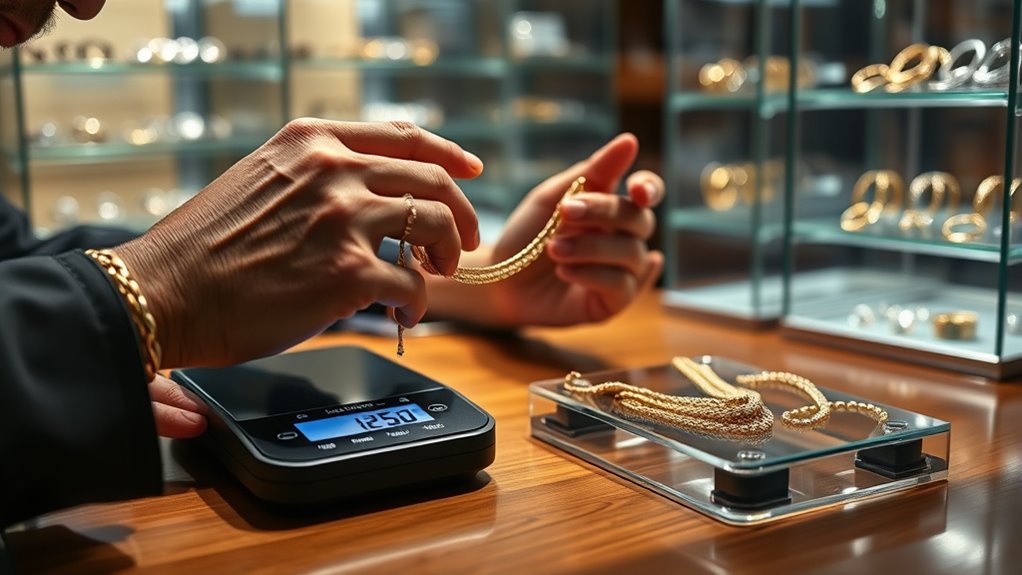
When you bring jewelry to a pawn shop, they start by carefully evaluating its metal purity, weight, and the authenticity of any gemstones.
This jewelry appraisal begins with a visual inspection to spot wear and damage, which is vital for an accurate condition assessment.
A careful visual inspection identifies wear and damage, essential for assessing the jewelry’s condition accurately.
Certified gemologists or specialized devices conduct gemstone testing to verify authenticity. This ensures that diamonds and other precious stones are indeed genuine.
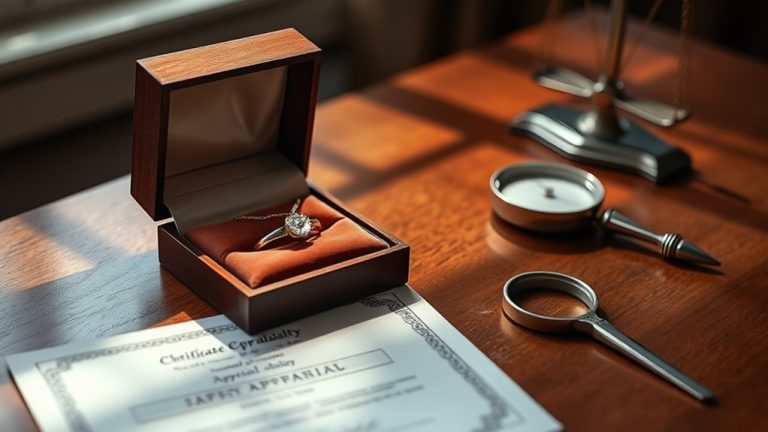
They also check for any certification or authenticity verification documents you provide. This helps confirm the jewelry’s legitimacy and quality.
By combining metal purity analysis with these factors, the pawn shop forms a clear picture of your item’s true worth.
This thorough evaluation lays the groundwork for determining the market value without rushing the process.
Assessing Market Value and Condition

After evaluating the authenticity and quality of your jewelry, the pawn shop moves on to appraising its market value and condition.
This step is vital to determine a fair offer based on current market trends and the item’s physical state.
Here’s what they focus on:
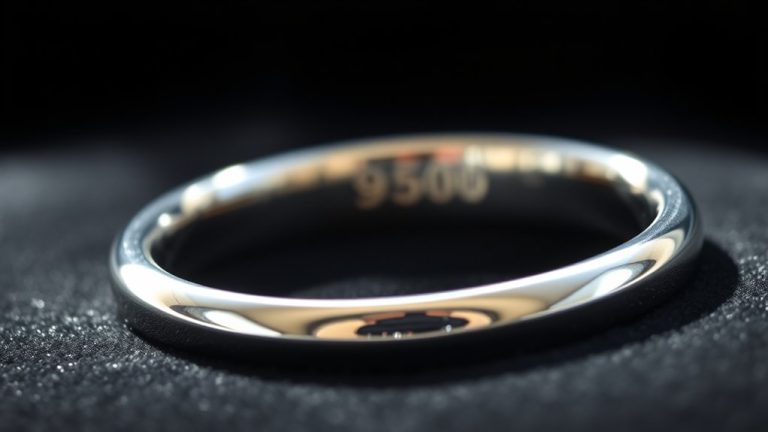
- Metal Purity and Market Prices: They assess the metal purity and check gold spot prices to calculate the intrinsic metal value accurately.
- Gemstone Quality and Authenticity: Using tools or certifications, they verify gemstone authenticity and quality. This aspect heavily influences the appraisal value.
- Jewelry Condition and Damage Inspection: They look for signs of wear, scratches, dents, or missing stones. Any damage can reduce resale value.
These appraisals ensure the pawn shop offers a price that reflects both material worth and overall condition.
Making an Offer and Negotiation

Since pawn shops consider factors like metal purity, weight, craftsmanship, and brand reputation, they base their initial offer on these details.
Your jewelry appraisal helps determine the resale value, adjusted for its condition and current market prices.
The initial offer usually ranges from 20% to 60% of the estimated retail value.
During negotiation, you can improve this offer by presenting certificates or proof of authenticity. This strengthens the valuation.
The pawn shop reexamines the piece, factoring in gemstones and overall condition before revising the offer.
The final offer is then presented verbally.
You have the option to accept, decline, or continue negotiation to reach a mutually agreeable price.
This way, you can ensure you get the best possible deal based on the jewelry’s true worth.
Finalizing the Purchase Agreement
Before you walk away with cash or your jewelry, you’ll need to finalize the purchase agreement by signing a pawn ticket that clearly outlines the loan amount, interest rate, and repayment deadline.
This final purchase agreement guarantees you understand the terms clearly and protects both parties.
Here’s what happens during finalizing purchase:
- You review and sign the pawn ticket, confirming the repayment obligations and jewelry ownership details.
- The pawn shop provides a receipt, establishing your ownership rights and the repayment deadline.
- You agree to the terms, including any extension options and fees, before completing the signing agreement.
Payment and Item Handling Procedures
How does the payment and item handling process work when you bring jewelry to a pawn shop?
After the pawnbroker appraises your item, you’ll receive an offer.
The pawnbroker evaluates your jewelry and then presents you with a loan offer.
If you accept, you’ll sign an agreement—the pawn ticket—that outlines the loan amount, interest rate, and loan due date.
This ticket is vital, as it documents the payment procedures and terms.
The payment process involves repaying the loan plus interest by the due date to reclaim your jewelry.
If you miss the loan repayment deadline, pawn shop policies allow the item to be sold or become forfeited items.
Always keep your pawn ticket safe; it’s your proof and key to retrieving your jewelry within the agreed period.
Understanding these steps ensures a smooth transaction.
Frequently Asked Questions
How Much Will a Pawn Shop Give You for a $1000 Item?
You’ll likely get between $250 and $600 for a $1,000 item as a loan.
If you choose to sell outright, expect to receive between $500 to $800.
The exact amount you receive will depend on factors such as the condition of the item, its demand in the market, and its brand or metal value.
Is It Better to Sell Your Jewelry to a Pawn Shop or Jewelry Store?
You’ll usually get more money selling to a jewelry store since they pay 50-80% of retail value,
while pawn shops offer less.
But pawn shops give quick cash if you need money fast.
How Can I Sell My Jewelry Without Getting Ripped Off?
Don’t let sharks circle your precious gems; you’ve got to research market value, get multiple appraisals, and verify buyers’ reputations.
Stay firm, avoid lowball offers, and never rush—it’s your treasure, not theirs to plunder.
What Sells for $100 at a Pawn Shop?
You can sell gold or silver jewelry weighing around 10-15 grams,
small certified diamond or gemstone pieces, certain watches,
or good-condition chains and bracelets for about $100 at a pawn shop,
depending on market value.
Conclusion
Now that you know the step-by-step process pawn shops use to buy jewelry, imagine what happens next behind the scenes.
How do they decide which pieces become their prized treasures and which ones don’t make the cut?
The next time you walk into a pawn shop, you might just see the hidden value waiting to be discovered.
And maybe even wonder what your own jewelry could be worth in their expert hands.
In conclusion, understanding how pawn shops evaluate jewelry is crucial for both buyers and sellers.
Next time you consider selling or buying, remember the steps involved in determining jewelry value.
With this knowledge, you can make informed decisions, maximizing your experience in the pawn shop world.
Whether you’re looking to sell or just curious, knowing the process can uncover hidden treasures in your own collection!