How to Choose Which Jewelry Pieces Food Handlers Are Allowed to Wear
When it comes to choosing jewelry as a food handler, safety and hygiene are key. It’s important to select simple, non-porous pieces that won’t trap food or germs. Think about plain metal wedding bands or small stud earrings that fit securely.
Avoid items with stones, grooves, or dangling parts. These can easily harbor bacteria or, worse, fall into the food.
Keeping your jewelry tight ensures you won’t lose it during work. Plus, regular cleaning is essential to maintain proper hygiene.
For more detailed tips on managing accessories and medical devices, check out our resources to ensure safety and compliance.
Regulations Governing Jewelry in Food Handling

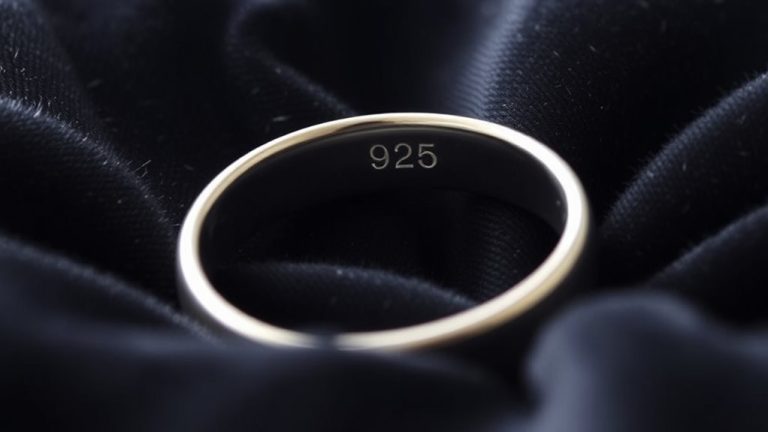
Although regulations vary by location, you’ll generally find that food safety guidelines only allow plain wedding bands without stones or engravings for food handlers.
These jewelry restrictions help maintain proper hand hygiene by minimizing places where bacteria and food particles can accumulate.
Jewelry restrictions support hand hygiene by reducing spots for bacteria and food debris buildup.
Many local health departments enforce strict bans on all hand and arm jewelry, while some permit minimal pieces if covered by gloves.
The key concern is preventing any physical hazard that loose or ornate jewelry might cause during food preparation.
As a food handler, you must understand that regulations prioritize safety—so wearing only simple wedding bands ensures compliance and reduces contamination risks.
Following these rules protects both you and the customers by keeping food handling environments clean and hazard-free.
Types of Jewelry Permitted for Food Handlers

When choosing jewelry for food handling, focus on items that meet safety standards and minimize contamination risks.
You’ll want to stick with plain wedding bands, small stud earrings, and tightly fitted pieces made from easy-to-clean materials.
Avoid anything with stones or loose parts to keep both you and the food safe.
Allowed Jewelry Types
What jewelry can you wear while handling food without risking contamination?
Stick to minimal jewelry to maintain hygiene standards and guarantee food safety.
Plain metal rings, like simple wedding bands, are usually permitted since they don’t harbor bacteria easily.
Small stud earrings are also acceptable as long as they don’t dangle or interfere with the food handling environment.
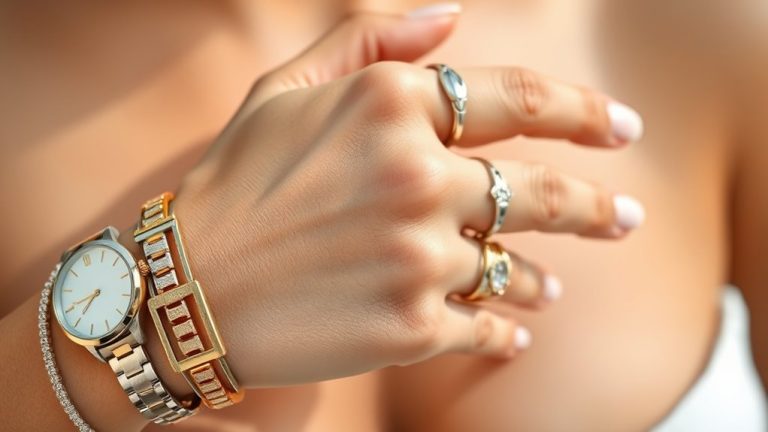
Avoid watches, bracelets, or any jewelry that can trap dirt or cause contamination.
| Jewelry Type | Allowed or Not Allowed |
|---|---|
| Plain metal rings | Allowed |
| Stud earrings | Allowed |
| Necklaces (non-dangling) | Allowed if safe |
| Watches/Bracelets | Not allowed |
Following these guidelines helps you prioritize jewelry safety and maintain proper hygiene.
Jewelry Safety Standards
Because food safety depends on minimizing contamination risks, you should wear only plain metal wedding bands without stones or engravings while handling food.
Jewelry safety standards for food handlers focus on reducing contamination and maintaining hygiene and safety.
Rings with stones, grooves, or etchings can trap food particles, increasing bacterial growth.
Watches, bracelets, and fitness trackers are prohibited because they hinder proper handwashing and pose contamination risks.
While earrings and necklaces are generally allowed if secure and hazard-free, minimal jewelry is best.
Keep these guidelines in mind:
- Wear only plain metal wedding bands
- Avoid rings with stones or engravings
- Do not wear wrist accessories like watches or bracelets
- Ensure jewelry doesn’t interfere with proper handwashing
Following these standards helps you maintain food safety and hygiene when you wear jewelry on the job.
Risks Associated With Wearing Jewelry During Food Preparation

You need to understand that wearing jewelry while handling food can trap bacteria and food particles. This significantly increases contamination risks.
It can also cause physical hazards if pieces fall into food or damage gloves. Plus, jewelry makes proper handwashing difficult, raising the chances of cross-contamination.
Contamination and Bacterial Growth
Although jewelry might seem harmless, wearing rings, bracelets, or watches while preparing food can trap bacteria and food particles. This increases the risk of contamination.
Jewelry contamination creates food safety hazards by harboring microbes in grooves and stones. This promotes bacterial growth that can lead to foodborne illness.
Additionally, wearing jewelry can interfere with proper hand hygiene. It makes it harder to wash away microbial contaminants effectively.
Here are some risks of jewelry and hygiene in food prep:
- Microbial harboring in jewelry crevices boosts bacterial growth.
- Trapped food particles act as breeding grounds for pathogens.
- Jewelry obstructs thorough handwashing, compromising cleanliness.
- Contaminants from jewelry can transfer to food surfaces, increasing biological hazards.
Physical Hazards in Food
Where can jewelry cause the most trouble during food preparation?
Jewelry hazards primarily arise when rings, bracelets, or watches fall into food, posing physical hazards and choking risks.
As a food handler, you must understand that worn jewelry with stones or intricate designs can trap food particles and bacteria.
This makes proper cleaning difficult and increases contamination chances.
Loose or dangling jewelry also risks snagging on equipment, leading to injuries or food contamination.
Additionally, jewelry on your hands and arms can harbor microbes, transferring bacteria directly to food.
These physical hazards threaten food safety, risking product recalls and safety violations.
To maintain high food safety standards, avoid worn jewelry that can introduce contamination or cause physical hazards during food handling.
Cross-Contamination Risks
Jewelry not only poses physical hazards but also increases the risk of cross-contamination during food preparation.
When you wear jewelry like rings, bracelets, or watches, bacteria and food particles can get trapped. This makes proper handwashing difficult and compromises food safety.
Rings with stones or intricate designs harbor germs in crevices and may even tear gloves, leading to contamination.
Plus, loose or dangling jewelry risks falling into food, creating physical hazards and choking dangers.
Consider these risks:
- Jewelry obstructs thorough handwashing, reducing hygiene effectiveness.
- Bacteria accumulate on rings and wrist accessories.
- Damaged gloves from rings increase contamination chances.
- Facial piercings and necklaces may contact food surfaces.
To maintain hygiene and prevent cross-contamination in your kitchen, it’s best to avoid wearing jewelry.
Guidelines for Wearing Rings, Earrings, and Necklaces
When handling food, it’s best to keep your jewelry simple and secure.
Stick to plain metal wedding bands and small stud earrings made from non-porous materials.
Rings with engravings or stones can trap food particles, which increases contamination risks. So, smooth bands are the way to go.
When it comes to earrings, choose small studs made of stainless steel or plastic.
Avoid dangling styles—they could fall or contaminate food.
For necklaces, keep them minimal and made from easy-to-clean materials.
Make sure they’re secured tightly so they don’t drop into your food.
Wearing intricate or loose jewelry can compromise food safety by harboring germs or falling off.
Managing Medical Devices and Jewelry in Food Service
Although medical devices like glucose monitors and insulin pumps are vital for many food handlers, it’s important to wear them in ways that minimize contact with food and equipment to maintain hygiene.
To meet food safety standards and guarantee contamination prevention, avoid placing medical devices on hands or arms during food handling.
Proper hand hygiene is essential after touching any device.
Consider using medical alert jewelry or ID tags worn around the neck or ankle for easier compliance with jewelry safety.
Employers must set clear policies balancing medical needs with food safety.
- Keep medical devices away from food prep areas.
- Wash hands thoroughly after contact with devices.
- Use medical alert jewelry in low-contact locations.
- Follow employer guidelines for proper hygiene and safety.
This approach ensures both your health needs and food safety are respected.
Best Practices for Maintaining Hygiene While Wearing Jewelry
Balancing personal accessories with food safety means making smart choices about what you wear.
As a food handler, practicing jewelry hygiene is vital for contamination prevention.
Opt for safe jewelry choices like plain wedding bands or small studs made of non-porous materials.
Always secure your jewelry tightly and avoid pieces with stones or dangling parts that trap food.
Regularly sanitize your jewelry and wash hands thoroughly after touching it to maintain food service hygiene.
Following workplace policies guarantees you’re aligned with both safety and hygiene standards.
| Jewelry Hygiene Tips | Impact on Food Safety |
|---|---|
| Minimal, non-porous items | Reduces bacteria buildup |
| Tight, secure fit | Prevents jewelry loss |
| Regular sanitization | Stops cross-contamination |
Frequently Asked Questions
What Piece of Jewelry Is a Food Handler Allowed to Wear?
You’re allowed to wear plain metal wedding bands without stones, and small stud earrings.
Avoid necklaces and facial piercings, as they can contaminate food.
Always pick secure, non-porous jewelry that won’t interfere with hygiene.
What Jewelry Can You Wear in Food Service?
You can wear simple, plain wedding bands or small stud earrings.
But avoid flashy rings or dangling earrings.
While jewelry adds style, too much can trap bacteria or fall.
What Is the Only Acceptable Jewelry According to Servsafe?
You can only wear a plain, metal wedding band without stones or engravings according to ServSafe.
Other jewelry isn’t allowed because it can trap bacteria and cause contamination risks while handling food.
It’s important to keep food safety in mind while working in the kitchen!
What Is the Jewelry Policy in the Food Industry?
When it comes to jewelry policy in the food industry, you can’t put all your eggs in one basket—only plain wedding bands are allowed.
Watches, bracelets, or rings with stones?
They’re out to keep contamination risks low.
Conclusion
Choosing the right jewelry as a food handler is like picking the perfect ingredient for a recipe—it can truly make or break the final dish.
You’ve got to balance style with safety, ensuring your pieces don’t invite contamination or risks.
By following guidelines and keeping hygiene at the forefront, you’ll wear your jewelry like a well-seasoned chef wears their apron: confidently and carefully.
Adding just the right touch without spoiling the whole meal is key.
In conclusion, food handlers should prioritize safety when selecting jewelry. Opt for simple, minimalistic pieces that won’t harbor bacteria.
Remember, your choice can impact food hygiene, so always prioritize cleanliness and practicality over style.
With the right approach, you can enhance your professional look while ensuring the safety of the food you handle.